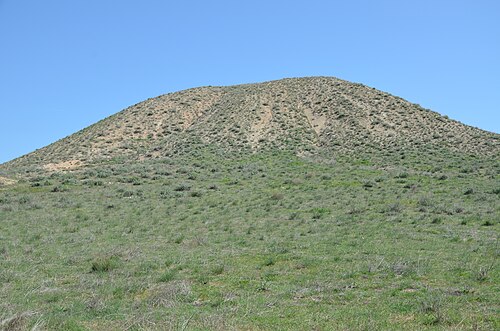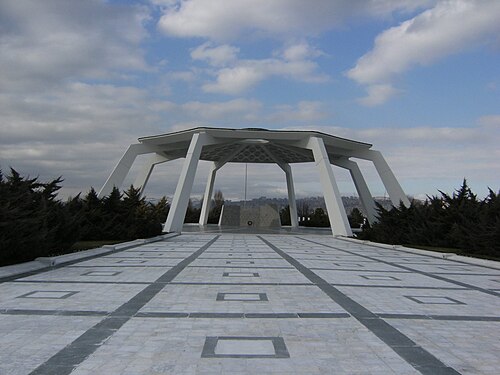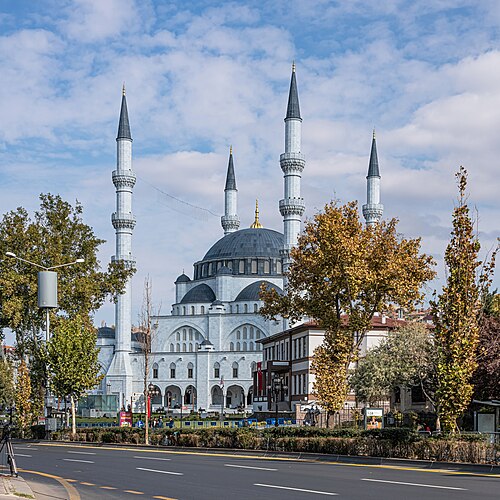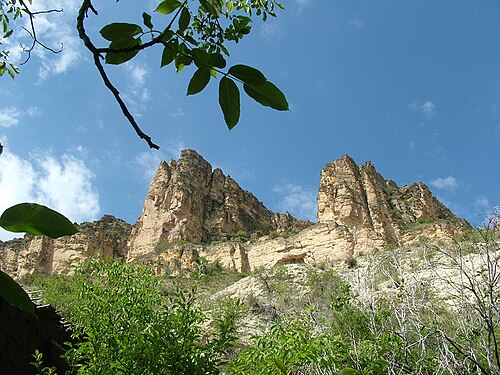
A photograph of Ankara

City guide · Türkiye

Ankara

Ankara is Türkiye’s republican capital, where Anıtkabir’s monumental presence, the institutions of the modern state and the layered streets of historic Ulus mee...

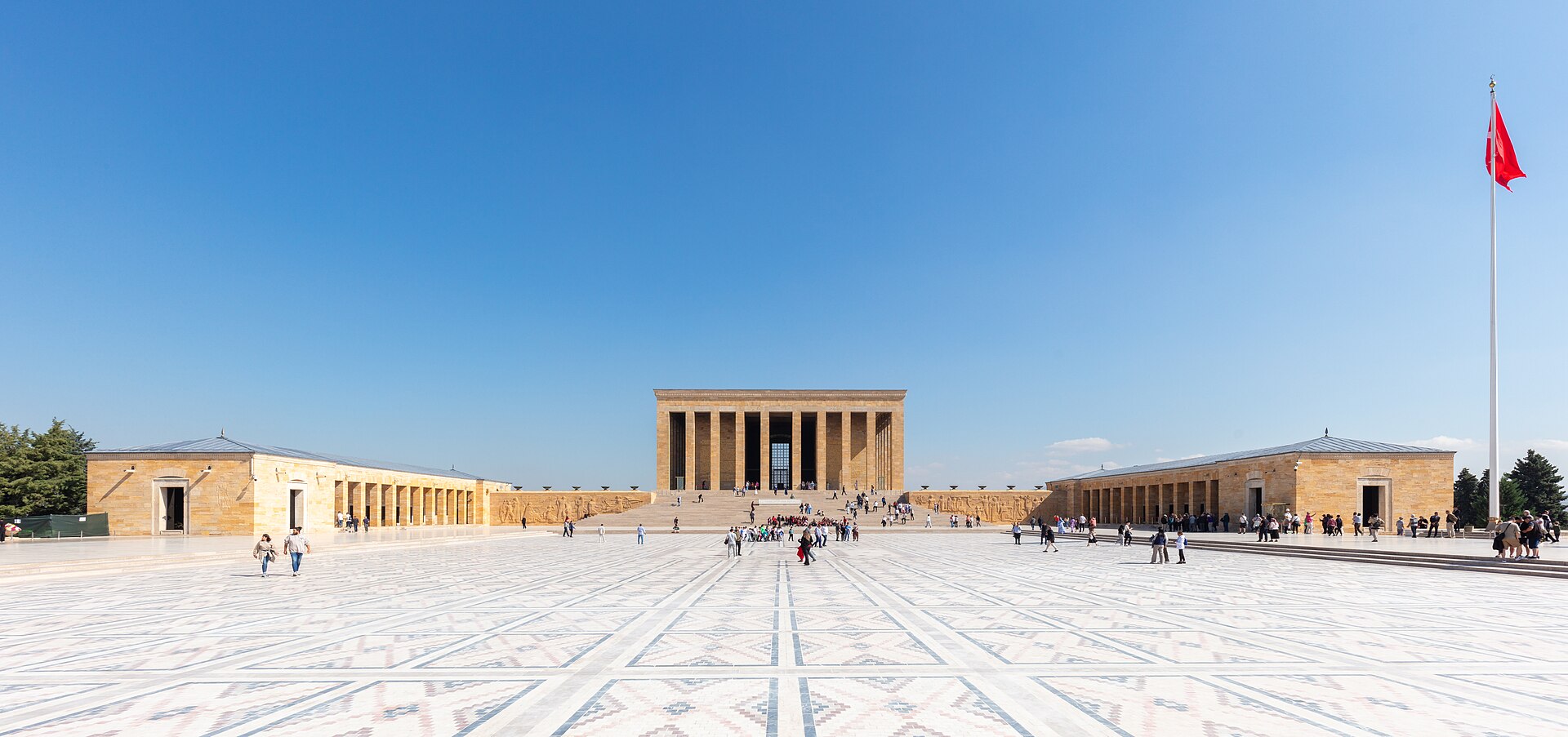
Photograph · Diego Delso · CC BY-SA 4.0

5,060 Places
25 Districts
Suggested stay
Not recorded
Getting around
EGO buses, Metro, Ankaray and Başkentray; plan Gordion as a separate Polatlı excursion

Turn this list into a plan

Set your days, your pace and the hours you actually want to be out. The planner works around closing days and travel time, and leaves room to eat.

Plan Ankara

Reviewed by Elena Voss · Roavina Travel Editor

Ankara is Türkiye’s republican capital, where Anıtkabir’s monumental presence, the institutions of the modern state and the layered streets of historic Ulus meet in one inland city. Begin with Anıtkabir and the Museum of Anatolian Civilizations, then follow the old citadel quarter, Roman remains and the museums around Ulus. Ankara also works as a base for district-scale excursions: Gordion in Polatlı and the wider cultural landscape beyond the centre reward travellers who allow time beyond the central museums.

Checked 2026-09-02

Practical information

Language spoken
Turkish
The official language of the Republic of Turkiye
Dialling code
+90
The international dialling code for Turkiye
Currency
Turkish lira (₺, TRY)
The official currency; one lira is divided into 100 kurus
Emergency number
112
One number for ambulance, fire and police
Plug type
European two-pin · 220 V
The national living guide records 220 V and European-style two-pin plugs
Tap water
Not recorded
No verified national source in the dataset

Planning a visit

September · The Turkish State Meteorological Service records a 26.1°C mean high and 11.9°C mean low for Ankara in September; this is among the most comfortable periods for long outdoor sightseeing days.

  1. January: recurring difficult conditions
  2. February: recurring difficult conditions
  3. March: viable with meaningful trade-offs
  4. April: best time to visit
  5. May: best time to visit
  6. June: good time to visit
  7. July: viable with meaningful trade-offs
  8. August: viable with meaningful trade-offs
  9. September: best time to visit — current month
  10. October: best time to visit
  11. November: good time to visit
  12. December: recurring difficult conditions

Sources

Top things to see

Ranked by importance — sitelinks, pageviews and heritage status, not editor preference.

  1. Lake Eymir Lake Eymir
    07 1 hour

    Lake Eymir

    Eymir Gölü

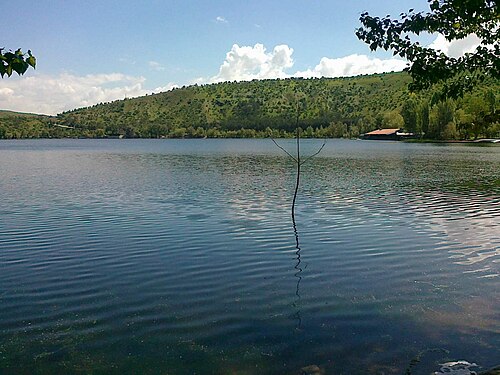
    Lake Eymir is a protected lakeside recreation area associated with Middle East Technical University (METU) in Ankara. The site is suited to walking, cycling, birdwatching and quiet outdoor time rather than a conventional urban park.

    • Must see
    • Nature site
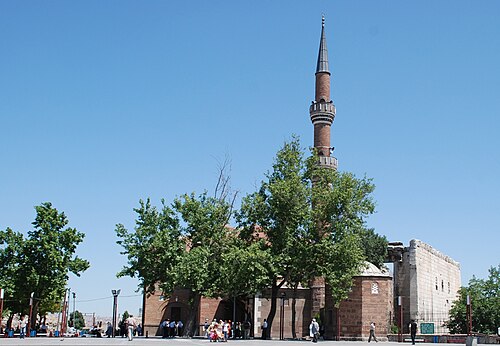
  2. Hacı Bayram Mosque Hacı Bayram Mosque
    08 30 min

    Hacı Bayram Mosque

    Hacı Bayram Veli Camii

    Hacı Bayram Mosque is an active place of worship in Ankara’s historic Ulus district, beside the Temple of Augustus. Built in 1427–1428, the mosque is closely associated with Hacı Bayram-ı Veli, whose tomb is attached to the building’s south wall.

    • Must see
    • Place of worship
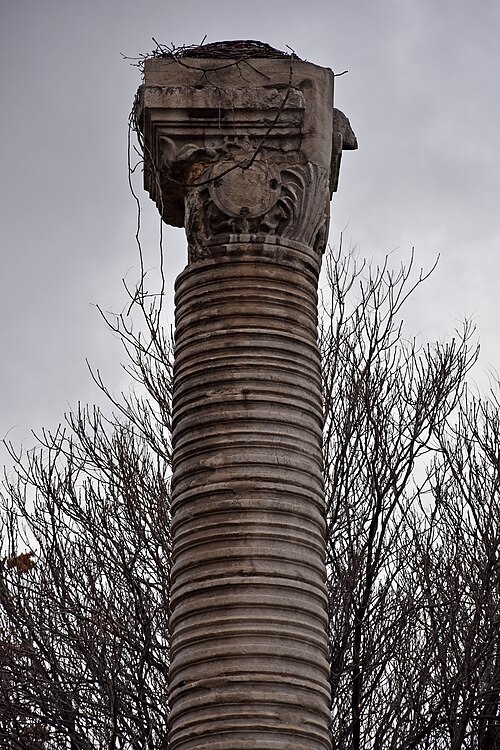
  3. Julian Column Julian Column
    09 45 min

    Julian Column

    Julianus Sütunu

    The Julian Column is an approximately 15-metre Roman monument in Hükümet Meydanı, the public square at the centre of Ulus in Altındağ.

    • Must see
    • Historic monument
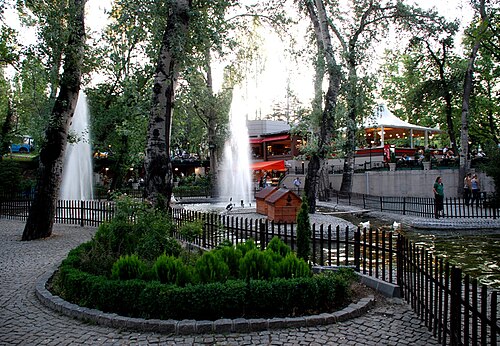
  4. Kuğulu Park Kuğulu Park
    10 1 hour

    Kuğulu Park

    Kuğulu Park is a compact public green space on Tunalı Hilmi Caddesi in Kavaklıdere, Çankaya, Ankara.

    • Must see
    • Nature site
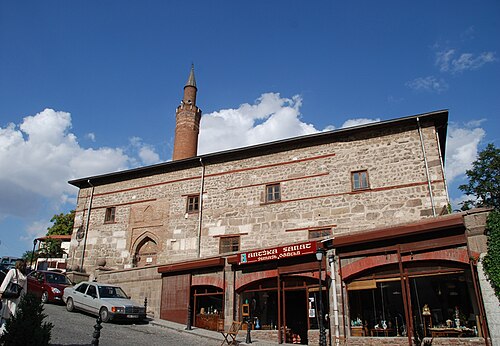
  5. Aslanhane Mosque Aslanhane Mosque
    11 30 min

    Aslanhane Mosque

    Ali Şerafettin Cami

    Aslanhane Mosque, also called Ahi Şerafettin Mosque, is an active historic mosque at the southern end of Ankara Castle. It stands in Kale Mahallesi on Kale Sokak, in Altındağ’s Samanpazarı area, beside the Ulus Historical City Centre.

    • Must see
    • Place of worship
  6. Gençlik Parkı Gençlik Parkı
    12 1 hour

    Gençlik Parkı

    Gençlik Parkı is a large municipal urban park in Ankara’s Ulus neighbourhood, between Ankara railway station and the Opera buildings. Ankara Metropolitan Municipality operates it, and the park opened on 19 May 1943.

    • Must see
    • Nature site
  7. Akköprü Akköprü
    13 45 min

    Akköprü

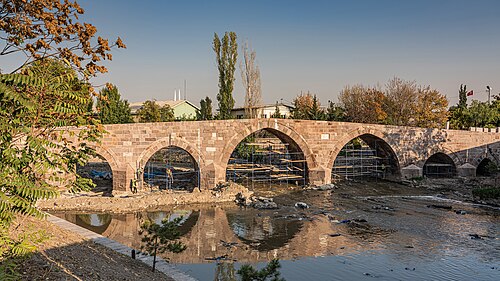
    Akköprü is a Seljuk-era stone bridge over the Ankara Çayı in Varlık Mahallesi, Yenimahalle. It was built in 1222 during the reign of Sultan I.

    • Must see
    • Historic monument
  8. Dikmen Valley Dikmen Valley
    14 1 hour

    Dikmen Valley

    Dikmen Vadisi

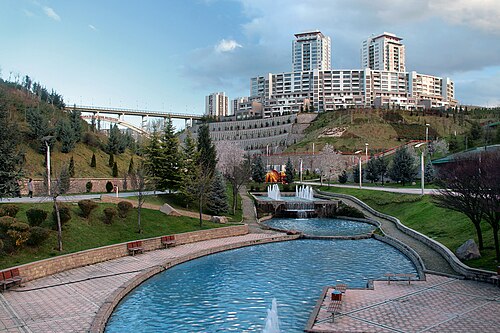
    Dikmen Valley is a large public green corridor in Ankara’s Çankaya district, extending between the Dikmen and Ayrancı neighbourhoods. It follows a long, sloping valley rather than forming one enclosed attraction.

    • Must see
    • Nature site
  9. Göksu Park Göksu Park
    15 1 hour

    Göksu Park

    Göksu Parkı

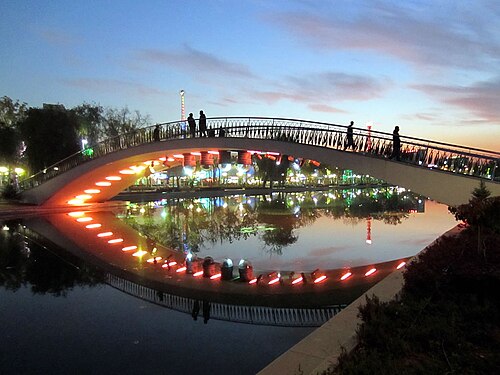
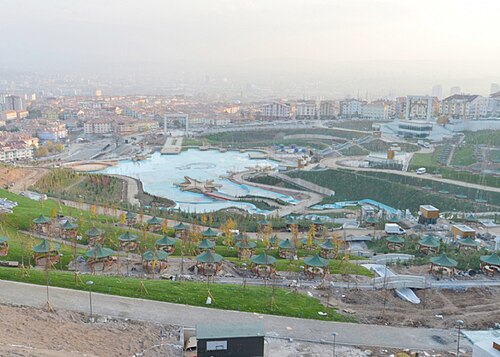
    Göksu Park is a distinctive lakeside recreation area in Göksu Mahallesi, Etimesgut, shaped by a 1.6-kilometre route around its lake rather than by a single building or monument.

    • Must see
    • Nature site
  10. Suluhan Suluhan
    16 45 min

    Suluhan

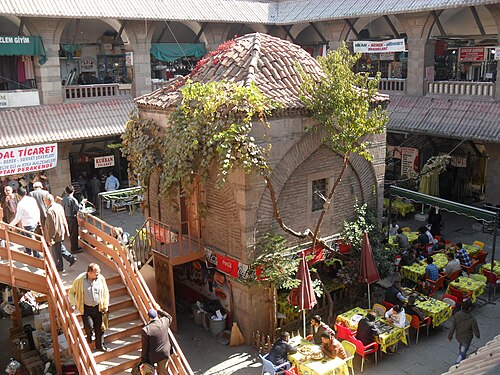
    Suluhan is a historic commercial han in Ankara’s Ulus area, known locally as Hasan Paşa Hanı and Sulu Han.

    • Must see
    • Historic monument
  11. Kocatepe Mosque Kocatepe Mosque
    17 30 min

    Kocatepe Mosque

    Kocatepe Camii

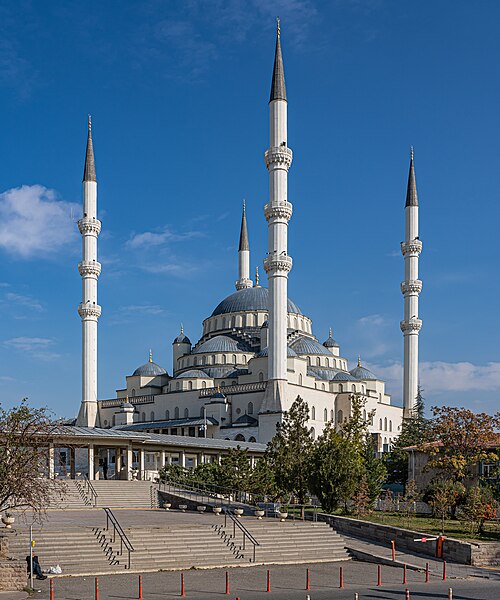
    Kocatepe Mosque is Ankara’s great urban mosque in Kültür, within Çankaya’s central city fabric.

    • Must see
    • Place of worship
  12. Victory Monument Victory Monument
    18 45 min

    Victory Monument

    Ankara Zafer Anıtı

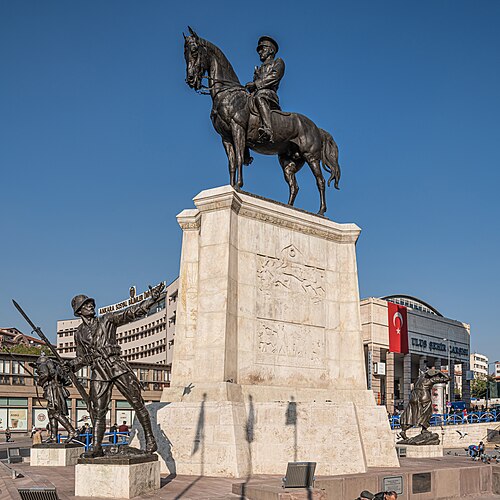
    Victory Monument, also known as the Ulus Atatürk Monument, stands in Ulus Square in Ankara’s Altındağ district.

    • Must see
    • Historic monument
  13. Altınpark Altınpark
    19 1 hour

    Altınpark

    Altınpark is a 640,000-square-metre recreation complex in Ankara’s Altındağ district, shaped by ponds, planted grounds and science, exhibition, meeting and leisure facilities.

    • Must see
    • Nature site
  14. Gavurkale Hill Gavurkale Hill
    20 45 min

    Gavurkale Hill

    Gavur Kalesi

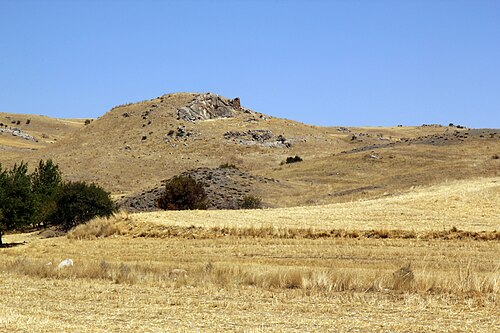
    Gavurkale Hill is a rocky archaeological landmark near Dereköy in Haymana district, roughly 60 kilometres southwest of Ankara.

    • Must see
    • Historic monument
  15. Opera Stage Opera Stage
    21 1 hour

    Opera Stage

    Ankara Devlet Opera ve Balesi

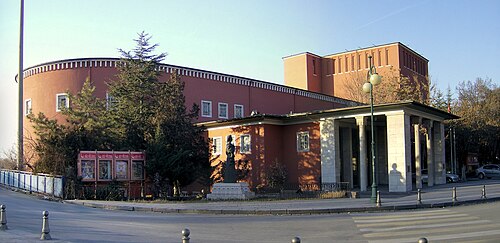
    Opera Stage is a working performance venue at Atatürk Bulvarı No:20 in Ankara’s Ulus district. Ankara State Opera and Ballet operates it, while the building is also used with the State Theatres.

    • Must see
    • Art and culture venue
  16. Tulumtaş Cave
    22 1 hour

    Tulumtaş Cave

    Tulumtaş Mağarası

    Tulumtaş Cave is a fossil cave in Tulumtaş Mahallesi, within Ankara’s Gölbaşı district, in the Karayatak area beside the Ankara Ring Road.

    • Must see
    • Nature site
  17. 50th Year Park 50th Year Park
    23 1 hour

    50th Year Park

    50. Yıl Parkı

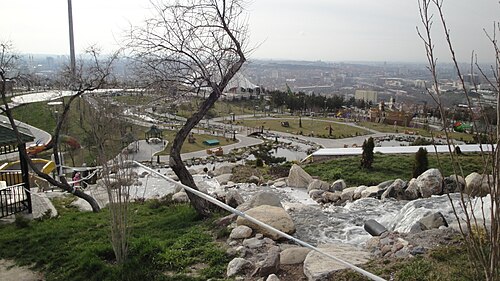
    50. Yıl Parkı is a hillside public recreation area in Ankara’s 50. Yıl Mahallesi, above Ankara University’s Cebeci Campus in Çankaya. Its character comes from combining open-air recreation with a broad bird’s-eye view across Ankara.

    • Must see
    • Nature site
  18. Hittite Sun Course Monument Hittite Sun Course Monument
    24 1 hour

    Hittite Sun Course Monument

    Hitit Güneş Kursu Anıtı

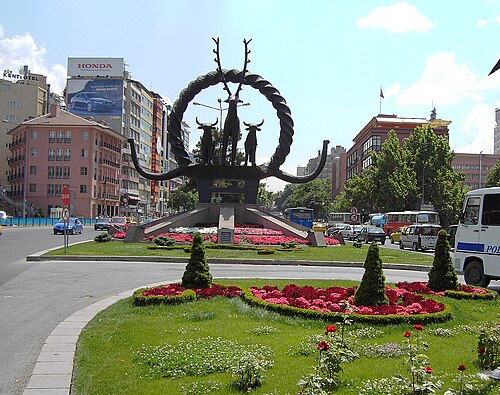
    Hittite Sun Course Monument is a large public sculpture in Sıhhiye Lozan Square, central Ankara.

    • Must see
    • Art and culture venue
  19. Tumulus MM Tumulus MM
    25 45 min

    Tumulus MM

    Midas'ın Tümülüsü

    Tumulus MM is a monumental Phrygian burial mound at ancient Gordion near Yassıhöyük in Ankara Province.

    • Must see
    • Historic monument
  20. Turkish State Cemetery Turkish State Cemetery
    26 30 min

    Turkish State Cemetery

    Devlet Mezarlığı

    Turkish State Cemetery is Ankara’s national memorial cemetery for presidents of the Republic and commanders of the Turkish War of Independence.

    • Must see
    • Place of worship
  21. Melike Hatun Mosque Melike Hatun Mosque
    27 30 min

    Melike Hatun Mosque

    Melike Hatun Camii

    Melike Hatun Mosque is a contemporary religious landmark in Ankara’s historic Ulus district, standing at İtfaiye Meydanı on Kosova Caddesi in Anafartalar Mahallesi, Altındağ.

    • Must see
    • Place of worship
  22. Duatepe Hill
    28 20 min

    Duatepe Hill

    Dua Tepe

    Duatepe Hill is an outdoor memorial in Polatlı, west of Ankara, marking a decisive position in the Battle of Sakarya.

    • Must see
    • Viewpoint
  23. İnözü Valley İnözü Valley
    29 45 min

    İnözü Valley

    İnözü Vadisi

    İnözü Valley is an open rural landscape in Rüstempaşa, about 3 km from Beypazarı district centre. Its character comes from the meeting of rocky valley walls, village views, cultivated fields and visible birdlife.

    • Must see
    • Historic monument
  24. Esertepe Park Esertepe Park
    30 1 hour

    Esertepe Park

    Esertepe Parkı

    Esertepe Park is a municipal recreation area in Keçiören, positioned between the Esertepe and Etlik neighbourhoods. Its approximately 180,000-square-metre scale makes it a substantial hillside destination within Ankara rather than a small neighbourhood garden.

    • Must see
    • Nature site
  25. Kuş Cenneti Kuş Cenneti
    31 45 min

    Kuş Cenneti

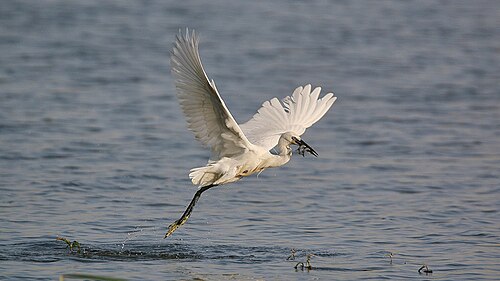
    Kuş Cenneti is a wetland in Davutoğlan village, within Ankara’s Nallıhan district, where the Aladağ Stream meets the Sarıyar Dam. Its character comes from the meeting of flowing water, reservoir shoreline, reed beds, rocky ground and bird habitat.

    • Must see
    • Historic monument

Source: OpenStreetMap contributors, Wikidata ·

Where to base yourself

District boundaries come from OSM administrative relations, so a district page holds exactly the places inside it — plus, for the islands and the coast, the nearest district by proximity.

How the city is laid out

Ankara is easiest to understand as a set of distinct urban areas rather than one continuous sightseeing centre. Ulus is the historic core, with the citadel above it and major museums, Roman-era remains and civic landmarks concentrated nearby. Anıtkabir stands separately on the central Anıttepe ridge, while Kızılay and Tunalı Hilmi form the contemporary central axis for shopping, cafés and everyday city life. The metropolitan municipality’s rail network links these areas, but the final approach to hilltop and citadel sights is still best planned as a walk or short local connection. Gordion, west of the capital in Polatlı district, is a separate excursion rather than a central neighbourhood stop.

Checked 2026-09-02

Getting around

Use Ankara’s municipal public-transport network to connect the main urban areas: EGO buses serve the metropolitan road network, while Metro, Ankaray and Başkentray provide rail links across the city. Check EGO’s current route, timetable and fare information before travelling, because service details can change. For a museum-and-Ulus day, rail or bus can bring you close to the historic core, followed by walking between nearby sights; Anıtkabir is a separate stop. Reaching Gordion requires an intercity or district connection to Polatlı and onward local travel, so treat it as a planned day trip. Ankara’s scale and slopes make comfortable shoes and extra transfer time worthwhile.

Checked 2026-09-02

Common questions

Why is Anıtkabir essential on a first visit to Ankara?

Anıtkabir is the mausoleum and memorial complex of Mustafa Kemal Atatürk, the founder of the Republic of Türkiye. Its ceremonial approach, courtyards and museum make it the clearest starting point for understanding Ankara as the republican capital. Check the official visitor information before going, as access arrangements and visiting details can change.

What should I see in historic Ulus?

Build a compact Ulus circuit around the Museum of Anatolian Civilizations, Ankara Castle and the Roman-era remains in and around the old centre. The district is where Ankara’s ancient, Ottoman and early republican layers are most legible together. Allow time for uphill walking around the citadel and verify each museum’s current visitor information on its official site.

Which museums are most useful for understanding Ankara?

The Museum of Anatolian Civilizations provides the strongest archaeological introduction, while the Republic Museum and the Independence War Museum place Ankara in the political history of the Turkish Republic. The Ethnography Museum adds cultural context. They are a good counterpoint to Anıtkabir: together, the collections explain both the deep history of central Anatolia and the capital’s modern national role.

Can I visit Gordion from Ankara?

Yes. Gordion is in Polatlı district, west of Ankara, and is best treated as a full excursion rather than a quick central-city stop. The archaeological site and museum are associated with the Phrygian capital and the Gordion archaeological landscape. Plan the transport connection and confirm current site information with the Ministry of Culture and Tourism before travelling.

How many days do I need in Ankara?

No official source used for this fragment publishes a recommended stay length, so there is no sourced number to give. The practical answer depends on whether your plan is limited to Anıtkabir, Ulus and the central museums or includes Gordion and other district-scale excursions. Treat the stay as an itinerary choice, not a fixed official rule.

What is the best way to get around Ankara?

For the metropolitan area, combine EGO buses with Metro and Ankaray, using Başkentray where its rail corridor fits your journey. Walking is especially useful for linked sights in Ulus, although the citadel approach is uphill. Gordion is outside the central sightseeing area in Polatlı district, so check the relevant rail, bus and local connection information before setting out.