Aspendos
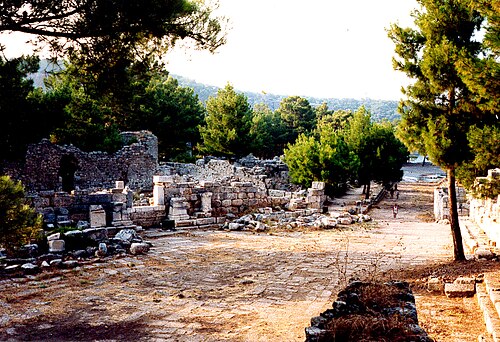
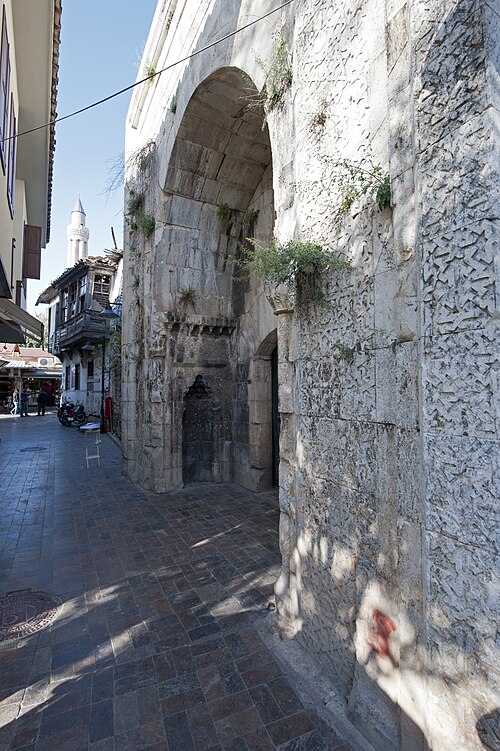
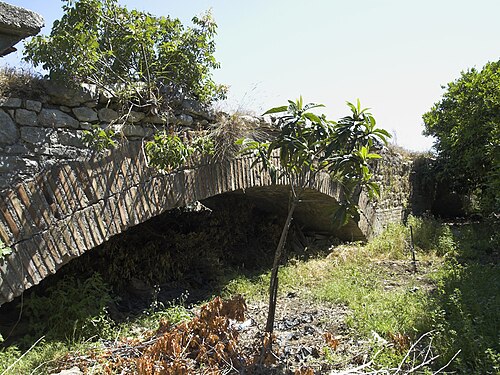
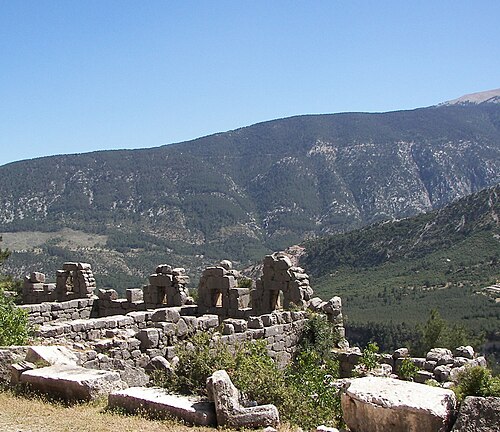
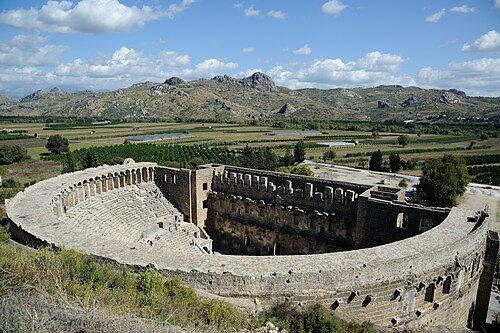
Aspendos is a ruined Pamphylian and Roman city standing on two low hills above the Eurymedon, the river now called the Köprüçay, in Belkıs Mahallesi in the Serik district of Antalya province.
- Must see
- Historic site
City guide · Türkiye
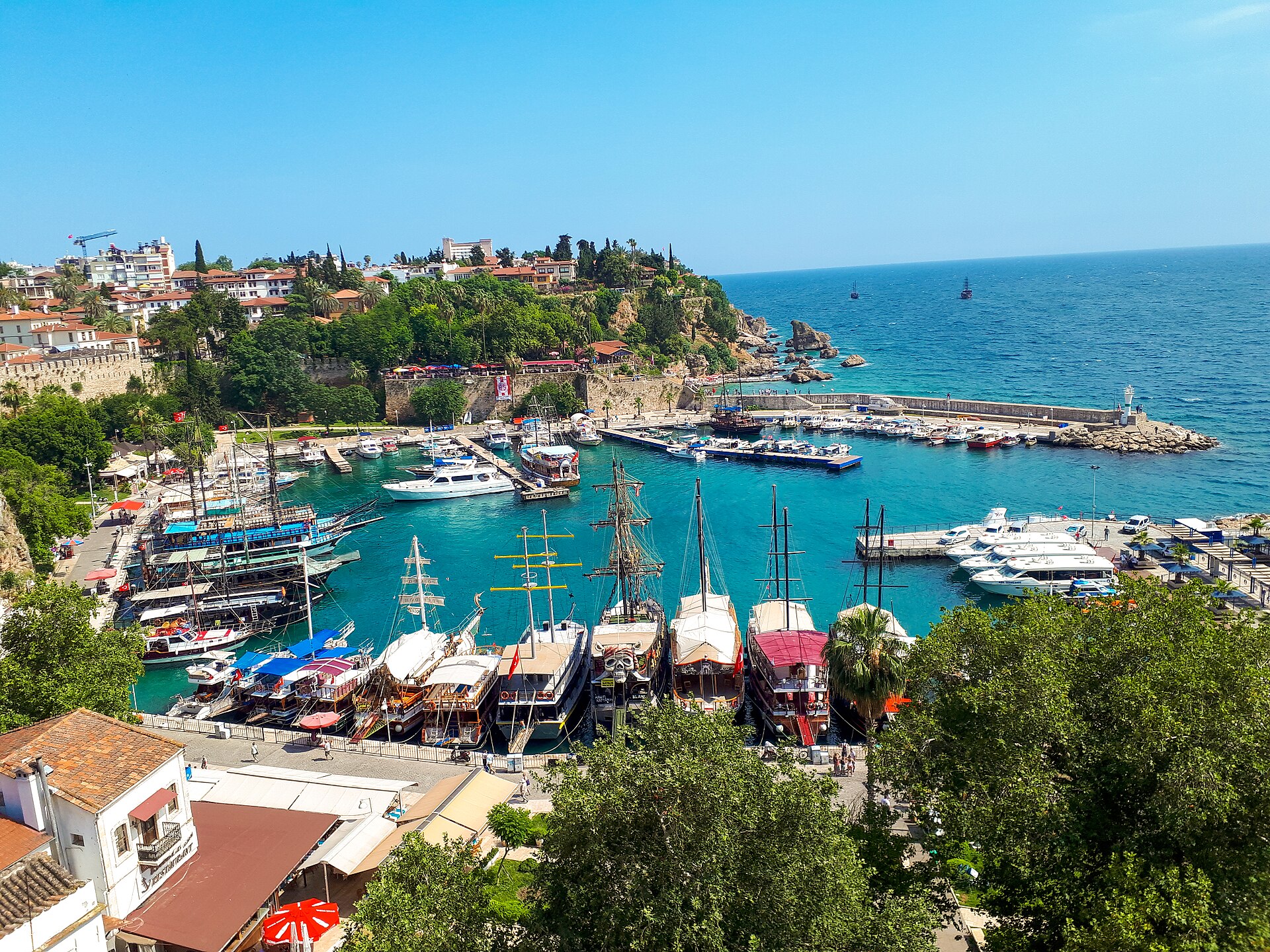
Antalya is the principal city on Türkiye's Mediterranean coast and the hub for a much wider visitor region. The compact historic core, Kaleiçi, occupies the old...
Photograph · REHBER0770 · CC BY-SA 4.0
Set your days, your pace and the hours you actually want to be out. The planner works around closing days and travel time, and leaves room to eat.
Editorial responsibility: Elena Voss · Roavina Travel Editor
Antalya is the principal city on Türkiye's Mediterranean coast and the hub for a much wider visitor region. The compact historic core, Kaleiçi, occupies the old walled quarter above and around the Roman harbour, while the modern city spreads across the coastal plain. Major museums, beaches, parks and transport terminals sit outside the old lanes, and many famous archaeological sites associated with an Antalya trip are separate excursions along the coast or inland. Distinguish the walkable city centre from the wider province when building an itinerary.
Checked 2026-08-26
November · November is mild in Antalya at 21.4°C by day, though rainfall rises to 127.7 mm.
Ranked by importance — sitelinks, pageviews and heritage status, not editor preference.
103 places match
Category
Typical visit duration
Good for
Interests
Aspendos is a ruined Pamphylian and Roman city standing on two low hills above the Eurymedon, the river now called the Köprüçay, in Belkıs Mahallesi in the Serik district of Antalya province.
Perga
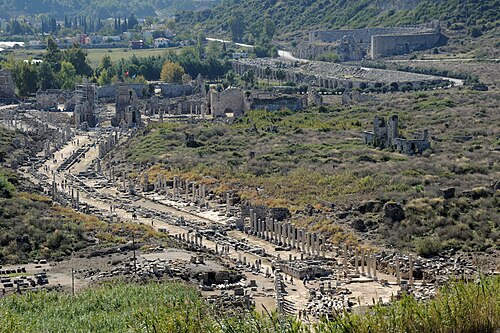
Perge is an ancient Greco-Roman city near Antalya, known locally as Perga. It was a significant settlement in Pamphylia and later an important city under Roman rule.
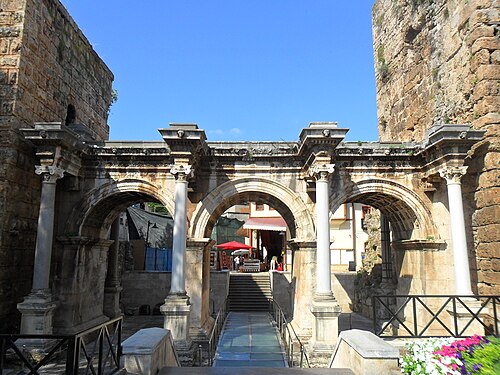
Hadrian Kapısı
Hadrian's Gate is a triumphal arch in Antalya's Kaleiçi district, built to commemorate the visit of Roman Emperor Hadrian to the city in 130 CE.
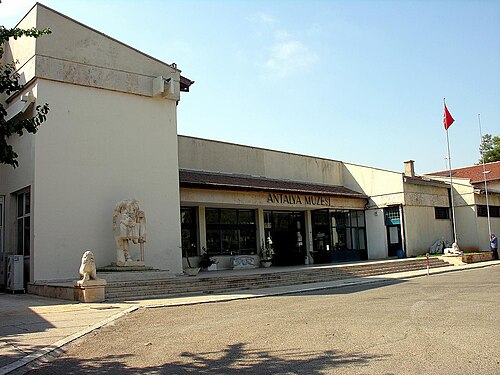
Antalya Arkeoloji Müzesi (Museum)
Antalya Museum, locally known as Antalya Arkeoloji Müzesi, is a major archaeological museum in Antalya, Turkey. It stands as one of the country's most significant institutions for ancient artifacts, housing extensive collections from the broader Mediterranean region of Turkey.
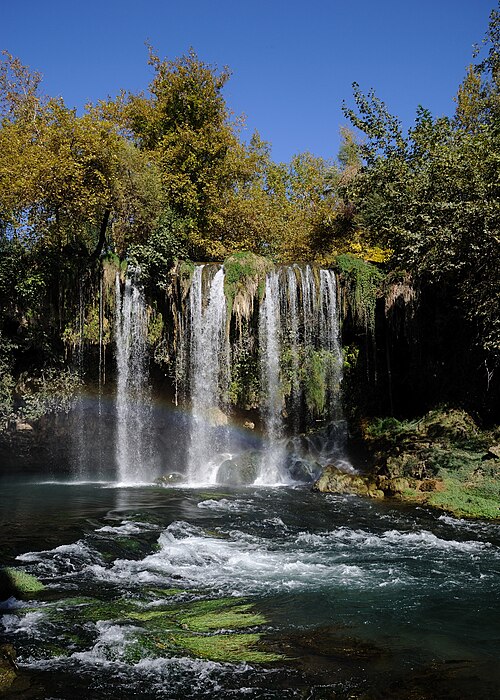
Aşağı Düden Şelalesi
Düden Waterfalls, known locally as Aşağı Düden Şelalesi, is a natural waterfall landmark in Antalya, Turkey. The lower falls cascade directly into the Mediterranean Sea from a rocky cliff, creating a distinctive coastal spectacle.
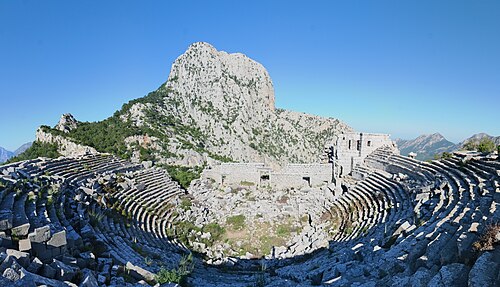
Termessos
Termessos is a Pisidian city on a natural platform about a thousand metres up the south-western flank of Güllük Dağı, the ancient Mount Solymos, in the Taurus range north-west of Antalya.
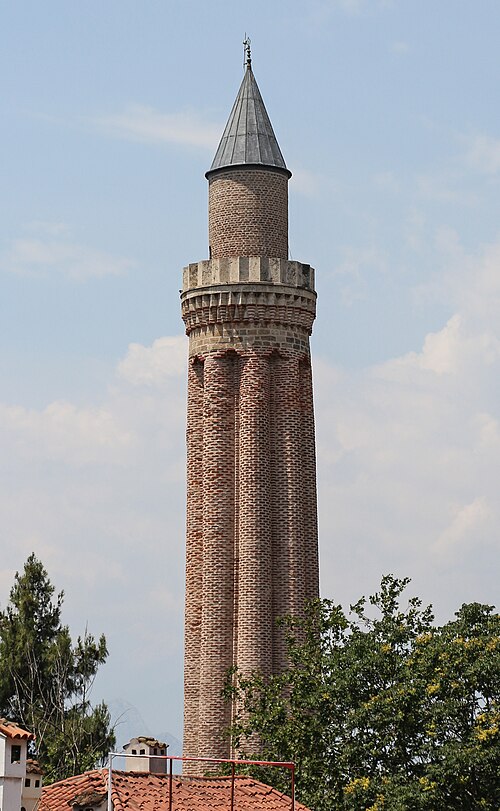
Yivli Minare Camii
Yivli Minare Camii stands in Kaleiçi, Antalya's walled old town, on Cumhuriyet Caddesi beside Kalekapısı Square.
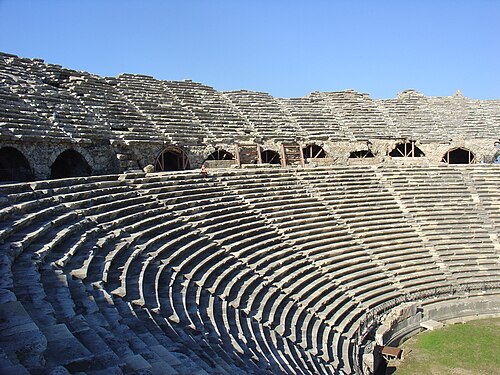
Side Antik Tiyatro
The Roman Theatre at Side is an ancient amphitheatre located in the coastal town of Side, part of the Antalya province on Turkey's Mediterranean coast.
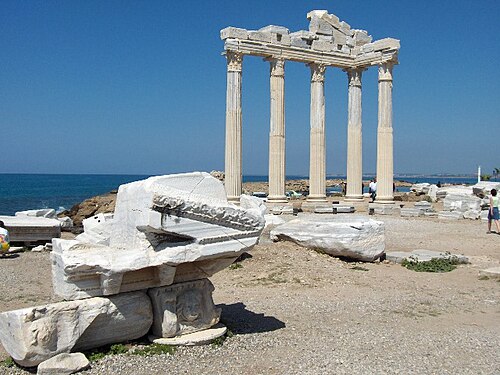
Apollon ve Athena Tapınağı
The Temple of Apollo, locally known as Apollon ve Athena Tapınağı, is an ancient religious site in Antalya, Turkey. It stands as a significant archaeological landmark within the region's rich classical heritage.
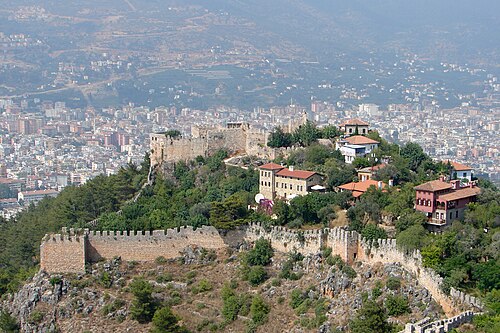
Alanya Kalesi
Alanya Castle, known locally as Alanya Kalesi, is a historic fortress complex perched on a rocky peninsula overlooking the Mediterranean Sea. The site dominates the skyline of Alanya, a district within the Antalya province of southern Turkey.
Noel Baba Kilisesi
The Church of St Nicholas stands in the middle of Demre, the modern town that sits on top of ancient Myra on the Lycian coast of Antalya province.
Mira Kalesi
The acropolis of Myra stands on the Demre plateau, on the mountain above the ancient theatre of the Lycian and Roman city whose early bishops included Saint Nicholas.
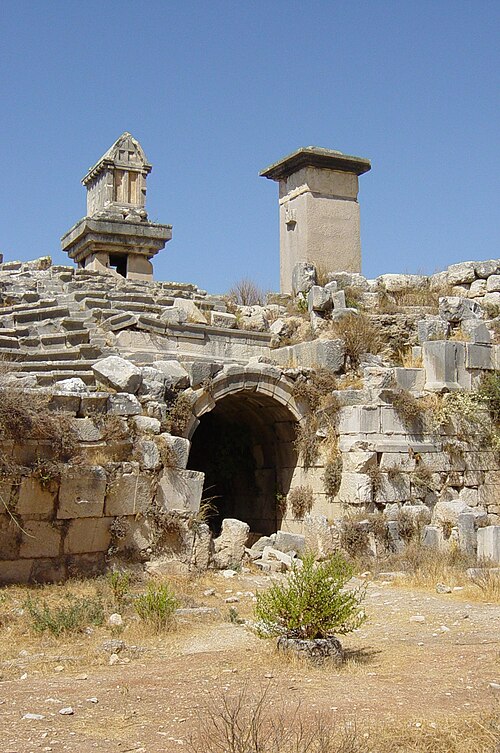
Xanthos was the capital of ancient Lycia, and what survives of it stands on two hills above the plain of the Eşen Çayı, the river the Greeks called the Xanthos, in the village of Kınık in Antalya province.
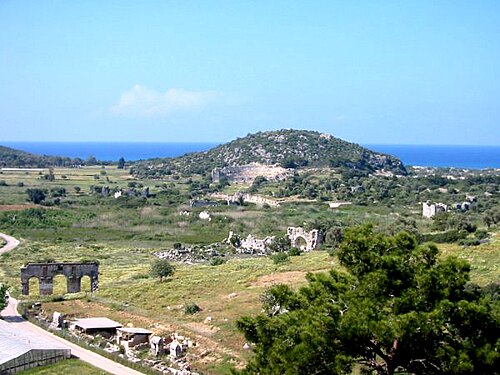
Patara is the excavated remains of the harbour city that served as the capital of the Lycian League, spread across a sandy plain behind the beach at Gelemiş, in the Kaş district of Antalya province.
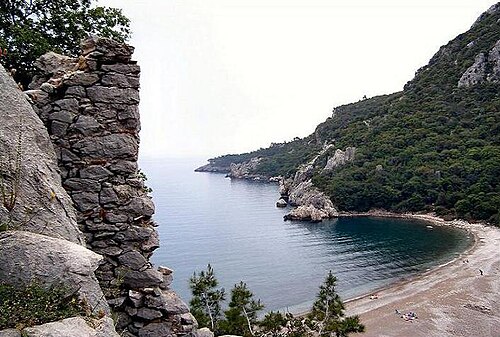
Olympos is a ruined Lycian and Roman city lying along both banks of the Ulupinar stream where the valley meets the sea, in the Yazir neighbourhood of Kumluca district, Antalya.
Faselis
Phaselis is an ancient Lycian city on the Mediterranean coast near Antalya. Founded by settlers from Rhodes around 690 BCE, it became a significant port with three harbours.
Kekova is a small, uninhabited island of about 4.5 km² off Demre district in Antalya province. It faces the villages of Kaleköy (ancient Simena) and Üçağız (ancient Teimioussa), and in antiquity it was known as Dolichiste.
Simena Castle is the medieval fortress built on the acropolis walls of Simena, an ancient Lycian town between Kaş and Demre that is now the village of Kaleköy.
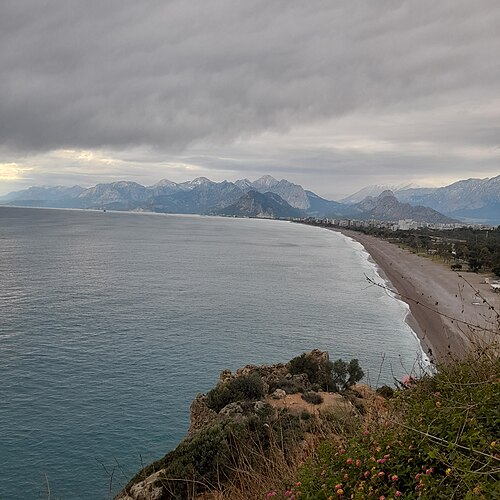
Konyaaltı Plajı is a public beach on the Mediterranean coast of Antalya, Turkey. It stretches west of the city centre along the shoreline beneath the Taurus Mountains backdrop.
Lara Beach (Lara Plajı) lies south-east of Antalya's city centre, within Muratpaşa district, and together with Konyaaltı Beach it is one of the city's two most important beaches.
Karaalioğlu Parkı
Karaalioğlu Park is an outdoor Mediterranean viewpoint in Antalya, set on the high shoreline beside Kaleiçi.
Hıdırlık Kulesi
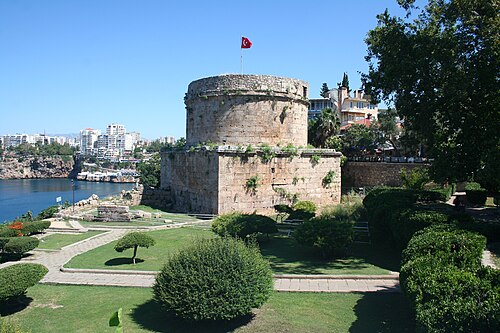
Hidirlik Tower is a compact cylindrical stone landmark on the southwestern edge of Kaleiçi, Antalya’s historic old town, beside the harbour.
Karatay Medresesi
The Antalya Karatay Madrasa, known locally as Karatay Medresesi, stands as a historic Islamic educational institution in Antalya, Turkey. This architectural monument represents the Seljuk period heritage of the region, reflecting the scholarly traditions that once flourished here.
Limyra is an ancient Lycian city in the Finike district of Antalya Province. Its open-air ruins introduce visitors to a settlement shaped by several periods of Anatolian history.
Arikanda
Arycanda, locally known as Arikanda, is an ancient Lycian city ruin situated in the mountains of Antalya Province. The archaeological site occupies a dramatic hillside position with steep terraced construction typical of Lycian urban planning.
Kaleiçi is the oldest and most compact visitor district, enclosed by remnants of the historic walls and descending toward the old harbour. Hadrian's Gate marks its eastern edge, while the Clock Tower and Republic Square connect it with the modern commercial centre. Konyaaltı Beach and the museum corridor extend west; Lara and the Düden waterfall areas lie east. The municipality's Kaleiçi map separates long, Roman-Byzantine and Ottoman-Seljuk walking routes, a useful reminder that the old quarter rewards a dedicated walk before transport is used for the wider coast.
Checked 2026-08-26
Walk inside Kaleiçi and the adjoining central streets, then use Antalya's municipal tram and bus network for beaches, museums, terminals and outer districts. The airport, historic centre and western urban corridor are linked through public transport, but archaeological sites and resort areas across the wider province may require regional buses, organised transfers or a car. Do not treat every attraction marketed under Antalya as an urban stop. Check the municipality's current route and service information before travel because seasonal demand and works can alter practical connections.
Checked 2026-08-26
Suggested stay for a first visit: 3–4 days. The range combines Kaleiçi and the city coast with one selected archaeological or nearby landscape route in Antalya Province; it is not for the city centre alone. Use an extra day for a farther coast or mountain journey.
Kaleiçi is the old walled quarter around the Roman harbour. Hadrian's Gate, the Clock Tower and Republic Square mark the transition between its lanes and the modern centre.
Yes. The municipality maps dedicated routes through the compact old quarter. Use transport after that walk for Konyaaltı, Lara, museums and other outer districts.
No. Antalya tourism commonly includes archaeological sites, resort towns and natural areas spread across the province. Treat those as separate regional journeys rather than urban stops.
Use municipal tram or bus services for the urban coast, then walk within each beach or park area. Confirm the current route because service patterns can change with works and seasonal demand.