Roavina

City guide · Türkiye

Antalya

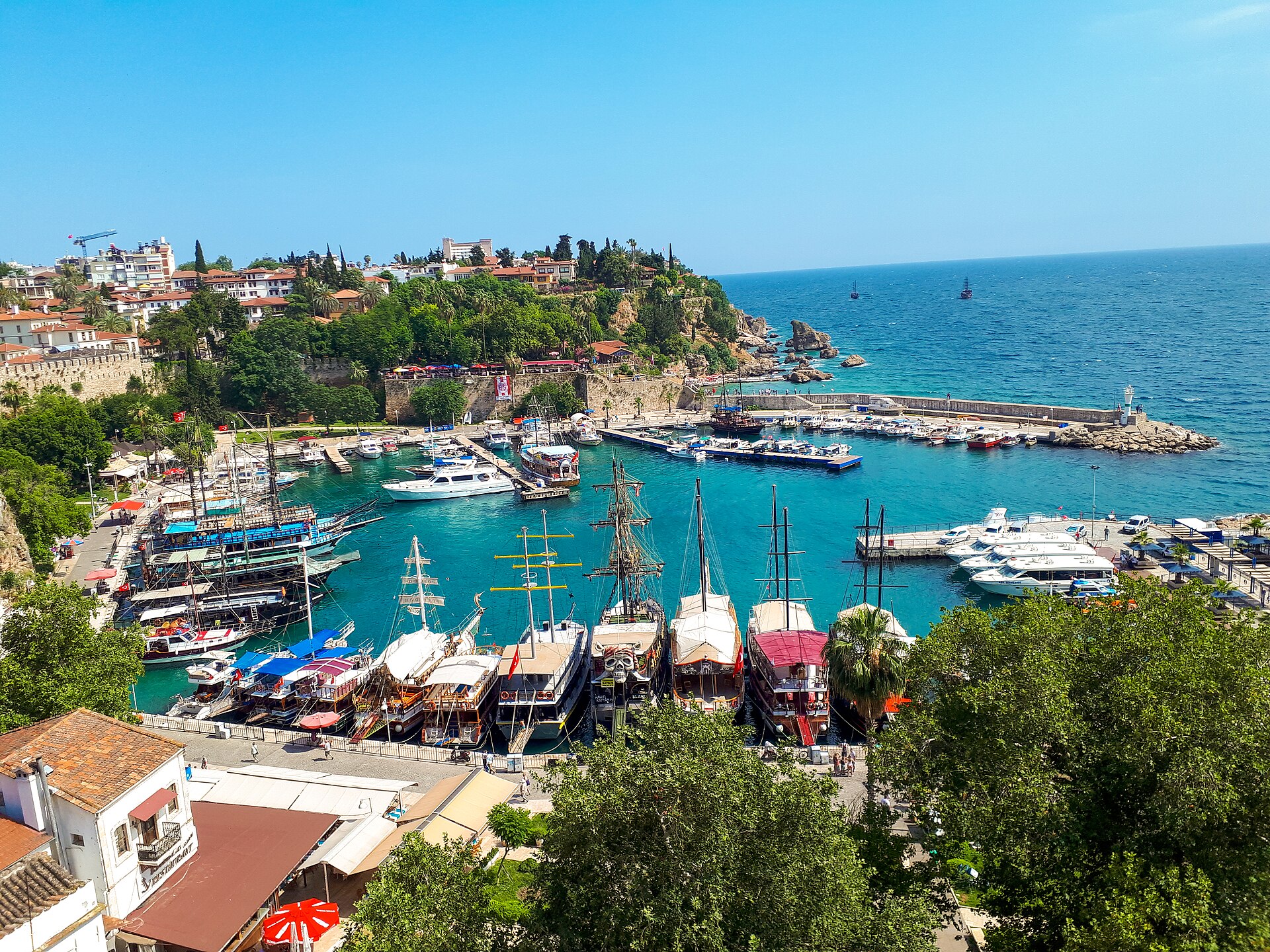
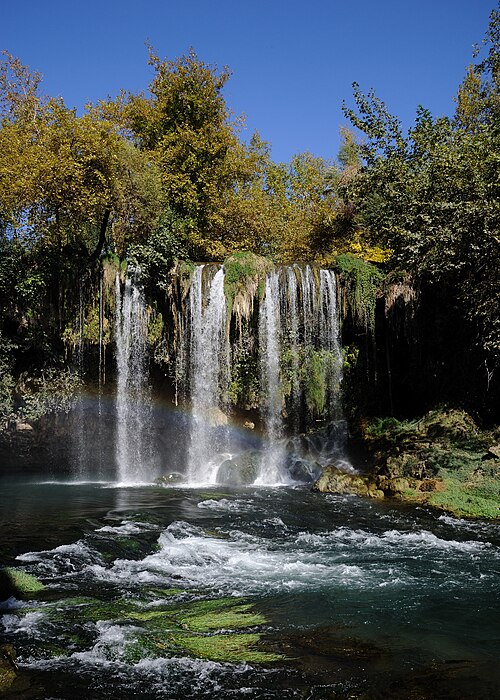
A photograph of Antalya
Photograph · REHBER0770 · CC BY-SA 4.0

Antalya is the principal city on Türkiye's Mediterranean coast and the hub for a much wider visitor region. The compact historic core, Kaleiçi, occupies the old walled quarter above and around the Roman harbour, while the modern city spreads across the coastal plain. Major museums, beaches, parks and transport terminals sit outside the old lanes, and many famous archaeological sites associated with an Antalya trip are separate excursions along the coast or inland. Distinguish the walkable city centre from the wider province when building an itinerary.

Reviewed by Elena Voss · Roavina Travel Editor

Practical information

Language spoken
Turkish
The official language of the Republic of Turkiye
Dialling code
+90
The international dialling code for Turkiye
Currency
Turkish lira (₺, TRY)
The official currency; one lira is divided into 100 kurus
Emergency number
112
One number for ambulance, fire and police
Plug type
European two-pin · 220 V
The national living guide records 220 V and European-style two-pin plugs
Tap water
Not recorded
No verified national source in the dataset

Turn this list into a plan

Set your days, your pace and the hours you actually want to be out. The planner works around closing days and travel time, and leaves room to eat.

Plan Antalya

Planning a visit

Suggested stay
Not recorded
Getting around
Walk, tram and bus
  1. January: viable with meaningful trade-offs
  2. February: viable with meaningful trade-offs
  3. March: good time to visit
  4. April: best time to visit
  5. May: best time to visit
  6. June: good time to visit
  7. July: recurring difficult conditions
  8. August: recurring difficult conditions
  9. September: good time to visit — current month
  10. October: best time to visit
  11. November: good time to visit
  12. December: viable with meaningful trade-offs
  • Best time
  • Good time
  • Viable with trade-offs
  • Difficult conditions

Sources

Top things to see

Ranked by importance — sitelinks, pageviews and heritage status, not editor preference.

  1. Konyaaltı Plajı Konyaaltı Plajı
    02 1 hour

    Konyaaltı Plajı

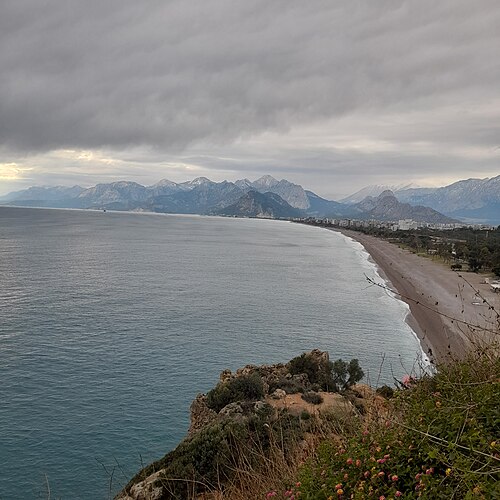
    Konyaaltı Plajı is a public beach on the Mediterranean coast of Antalya, Turkey. It stretches west of the city centre along the shoreline beneath the Taurus Mountains backdrop.

    • Must see
    • Nature site
  2. Damlataş Cave Damlataş Cave
    03 1 hour

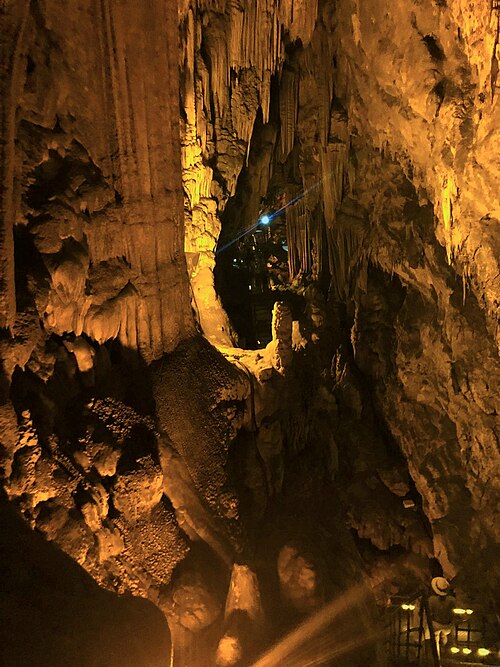
    Damlataş Cave

    Damlataş Mağarası

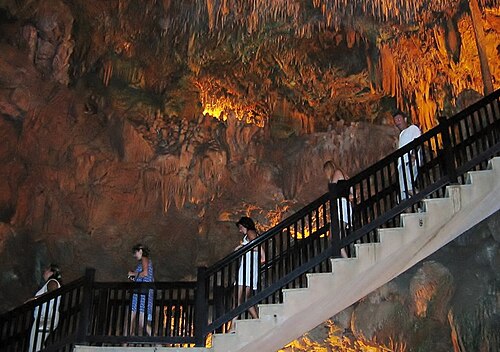
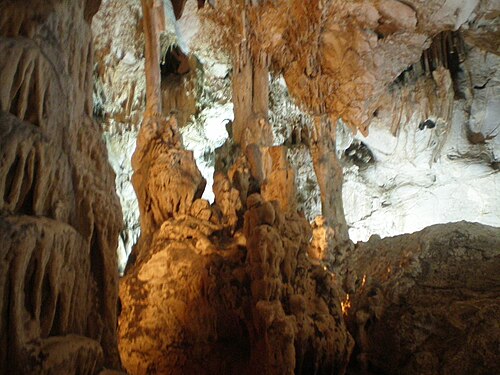
    Damlataş Cave is a natural limestone cavern located on the western coast of Antalya, near the famous Cleopatra Beach. The cave was discovered accidentally in 1948 during harbour construction works.

    • Must see
    • Nature site
  3. Manavgat Waterfall Manavgat Waterfall
    04 1 hour

    Manavgat Waterfall

    Manavgat Şelalesi

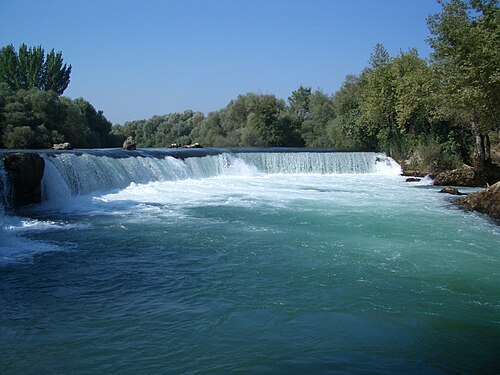
    Manavgat Waterfall, known locally as Manavgat Şelalesi, is a natural waterfall attraction near the town of Manavgat in the Antalya Province of southern Turkey.

    • Must see
    • Nature site
  4. Karain Cave Karain Cave
    05 1 hour

    Karain Cave

    Karain Mağarası

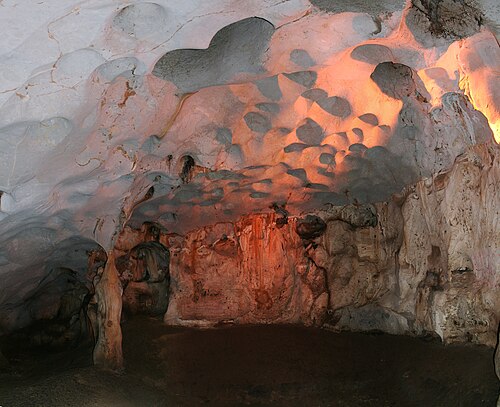
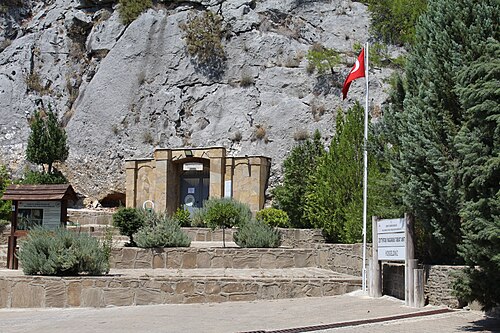
    Karain Cave, known locally as Karain Mağarası, is a significant paleolithic archaeological site located near Antalya in southern Turkey.

    • Must see
    • Nature site
  5. Dim Cave Dim Cave
    06 1 hour

    Dim Cave

    Dim Mağarası

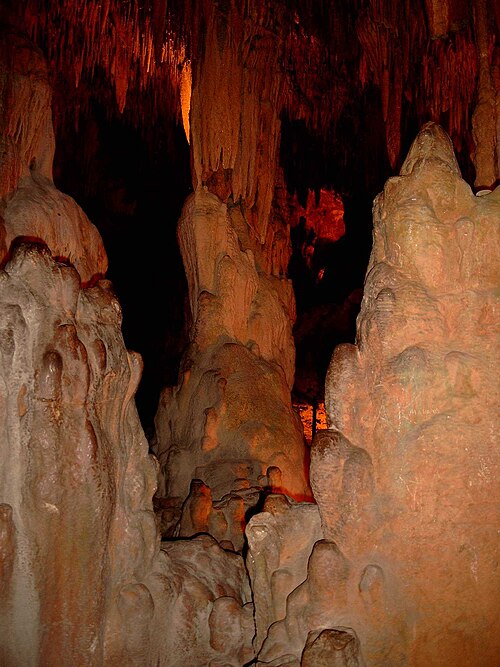
    Dim Cave, known locally as Dim Mağarası, is a natural cave formation located in the Antalya region of Türkiye. The cave sits within the broader Mediterranean landscape that characterises this part of the Turkish coastline.

    • Must see
    • Nature site
  6. Köprülü Canyon National Park Köprülü Canyon National Park
    07 1 hour

    Köprülü Canyon National Park

    Köprülü Kanyon Millî Parkı

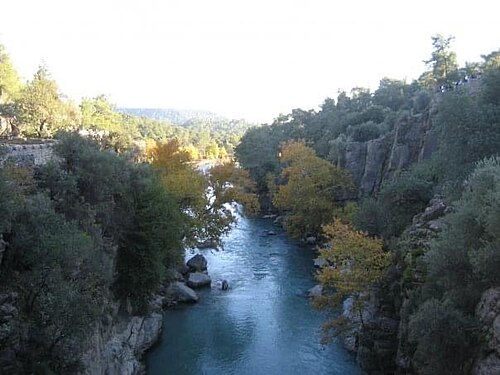
    Köprülü Canyon National Park is a protected natural area in the Antalya province of Turkey, known locally as Köprülü Kanyon Millî Parkı. The park encompasses a dramatic river gorge carved by the Köprüçay River through limestone terrain.

    • Must see
    • Nature site
  7. Kurşunlu Waterfall Kurşunlu Waterfall
    08 1 hour

    Kurşunlu Waterfall

    Kurşunlu Şelalesi

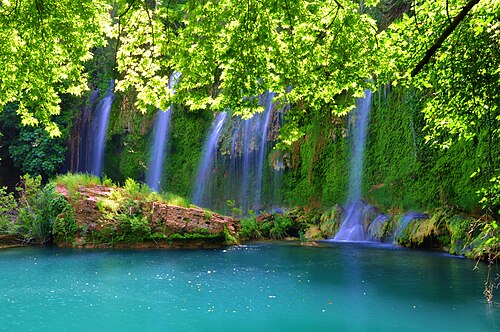
    Kurşunlu Waterfall, known locally as Kurşunlu Şelalesi, is a natural visitor attraction in Antalya. The site features a waterfall as its central element, set within surrounding landscape.

    • Must see
    • Nature site
  8. Damlataş beach Damlataş beach
    09 1 hour

    Damlataş beach

    Damlataş plajı

    Damlataş Beach is a public coastal area in Antalya, Turkey, known locally as Damlataş Plajı. The beach sits near the famous Damlataş Cave on the city's western shoreline along the Mediterranean Sea.

    • Must see
    • Nature site
  9. Patara Beach Patara Beach
    10 1 hour

    Patara Beach

    Patara Plajı

    Patara Beach is a natural coastal area on the Mediterranean shore near the ancient city of Patara in Antalya Province. The local name is Patara Plajı.

    • Must see
    • Nature site
  10. Karaalioğlu Park Karaalioğlu Park
    11 1 hour

    Karaalioğlu Park

    Karaalioğlu Parkı

    Karaalioğlu Park is an outdoor Mediterranean viewpoint in Antalya, set on the high shoreline beside Kaleiçi.

    • Must see
    • Nature site
  11. Altınbeşik Cave National Park Altınbeşik Cave National Park
    12 1 hour

    Altınbeşik Cave National Park

    Altınbeşik Mağarası Millî Parkı

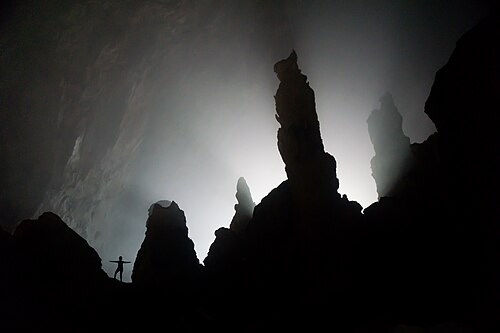
    Altınbeşik Cave National Park is a protected natural area in Antalya Province, Turkey, centered on the Altınbeşik Cave system. The park lies within the Taurus Mountains and features significant karst topography.

    • Must see
    • Nature site
  12. Düdensuyu Cave Düdensuyu Cave
    13 1 hour

    Düdensuyu Cave

    Altınbeşik Mağarası

    Düdensuyu Cave is a natural karst cave formation located in the Antalya region of Türkiye, known locally as Altınbeşik Mağarası. The cave lies within the broader Düden water system, which includes the famous Düden Waterfalls that cascade through the city.

    • High
    • Nature site
  13. Kadıini Cave
    14 1 hour

    Kadıini Cave

    Kadıini Mağarası

    Kadıini Cave is a named natural feature in Antalya, Turkey, recorded at a precise mapped location. It is a nature stop rather than a museum, monument, or beach facility, giving an itinerary a distinctly subterranean focus.

    • High
    • Nature site
  14. Keloğlan Cave Keloğlan Cave
    15 1 hour

    Keloğlan Cave

    Keloğlan Mağarası

    Keloğlan Cave, also known locally as Keloğlan Mağarası, is a named natural point of interest associated with Antalya, Türkiye. The mapped place is identified as a cave rather than a museum, archaeological monument, or built attraction.

    • High
    • Nature site
  15. Kocain Cave Kocain Cave
    16 1 hour

    Kocain Cave

    Kocain Mağarası

    Kocain Cave, also known locally as Kocain Mağarası, is a natural limestone cave in Antalya Province.

    • High
    • Nature site
  16. Sotini Cave
    17 1 hour

    Sotini Cave

    Sotini Mağarası

    Sotini Cave, also known locally as Sotini Mağarası, is a mapped natural cave attraction in Antalya, Türkiye.

    • High
    • Nature site
  17. Suluin Cave Finike
    18 1 hour

    Suluin Cave Finike

    Suluin Mağarası

    Suluin Cave Finike is a natural attraction in Finike district, on Antalya province’s Mediterranean coast.

    • High
    • Nature site
  18. Tilkiler Cave
    19 1 hour

    Tilkiler Cave

    Tilkiler Mağarası

    Tilkiler Cave, or Tilkiler Mağarası, is a natural cave attraction in the Antalya region.

    • High
    • Nature site
  19. Zeytintaşı Cave Zeytintaşı Cave
    20 1 hour

    Zeytintaşı Cave

    Zeytintaşı Mağarası

    Zeytintaşı Cave, also known locally as Zeytintaşı Mağarası, is a natural cave attraction in Antalya province, Türkiye. Its name evokes the surrounding olive-growing landscape: “zeytin” means olive and “taşı” means stone in Turkish.

    • High
    • Nature site
  20. Fener Park
    21 1 hour

    Fener Park

    Fener Parkı

    Fener Park, also called Fener Parkı, is a small coastal public green space in Antalya.

    • Notable
    • Nature site

Source: OpenStreetMap contributors, Wikidata ·

How the city is laid out

Kaleiçi is the oldest and most compact visitor district, enclosed by remnants of the historic walls and descending toward the old harbour. Hadrian's Gate marks its eastern edge, while the Clock Tower and Republic Square connect it with the modern commercial centre. Konyaaltı Beach and the museum corridor extend west; Lara and the Düden waterfall areas lie east. The municipality's Kaleiçi map separates long, Roman-Byzantine and Ottoman-Seljuk walking routes, a useful reminder that the old quarter rewards a dedicated walk before transport is used for the wider coast.

Checked 2026-08-26

Getting around

Walk inside Kaleiçi and the adjoining central streets, then use Antalya's municipal tram and bus network for beaches, museums, terminals and outer districts. The airport, historic centre and western urban corridor are linked through public transport, but archaeological sites and resort areas across the wider province may require regional buses, organised transfers or a car. Do not treat every attraction marketed under Antalya as an urban stop. Check the municipality's current route and service information before travel because seasonal demand and works can alter practical connections.

Checked 2026-08-26

Common questions

How many days should I spend in Antalya?

A fixed stay length is not recorded. Separate time for Kaleiçi and the urban coast from any archaeological, beach or mountain excursion elsewhere in the wider Antalya region.

Where is Antalya's historic centre?

Kaleiçi is the old walled quarter around the Roman harbour. Hadrian's Gate, the Clock Tower and Republic Square mark the transition between its lanes and the modern centre.

Can I explore Kaleiçi on foot?

Yes. The municipality maps dedicated routes through the compact old quarter. Use transport after that walk for Konyaaltı, Lara, museums and other outer districts.

Are all Antalya attractions inside the city?

No. Antalya tourism commonly includes archaeological sites, resort towns and natural areas spread across the province. Treat those as separate regional journeys rather than urban stops.

What is the practical way to reach the beaches?

Use municipal tram or bus services for the urban coast, then walk within each beach or park area. Confirm the current route because service patterns can change with works and seasonal demand.