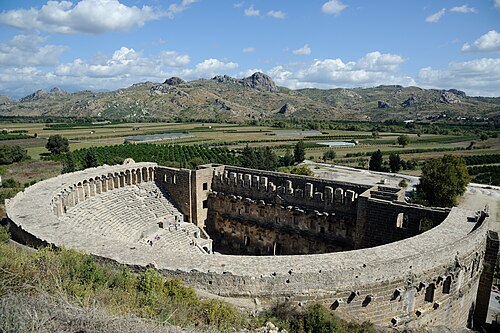
Aspendos
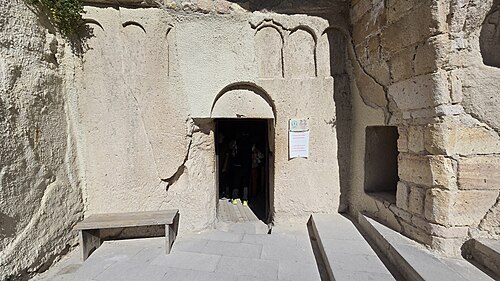
Aspendos is a ruined Pamphylian and Roman city standing on two low hills above the Eurymedon, the river now called the Köprüçay, in Belkıs Mahallesi in the Serik district of Antalya province.
- Must see
- Historic monument
Language · 11 published
City guide · Türkiye
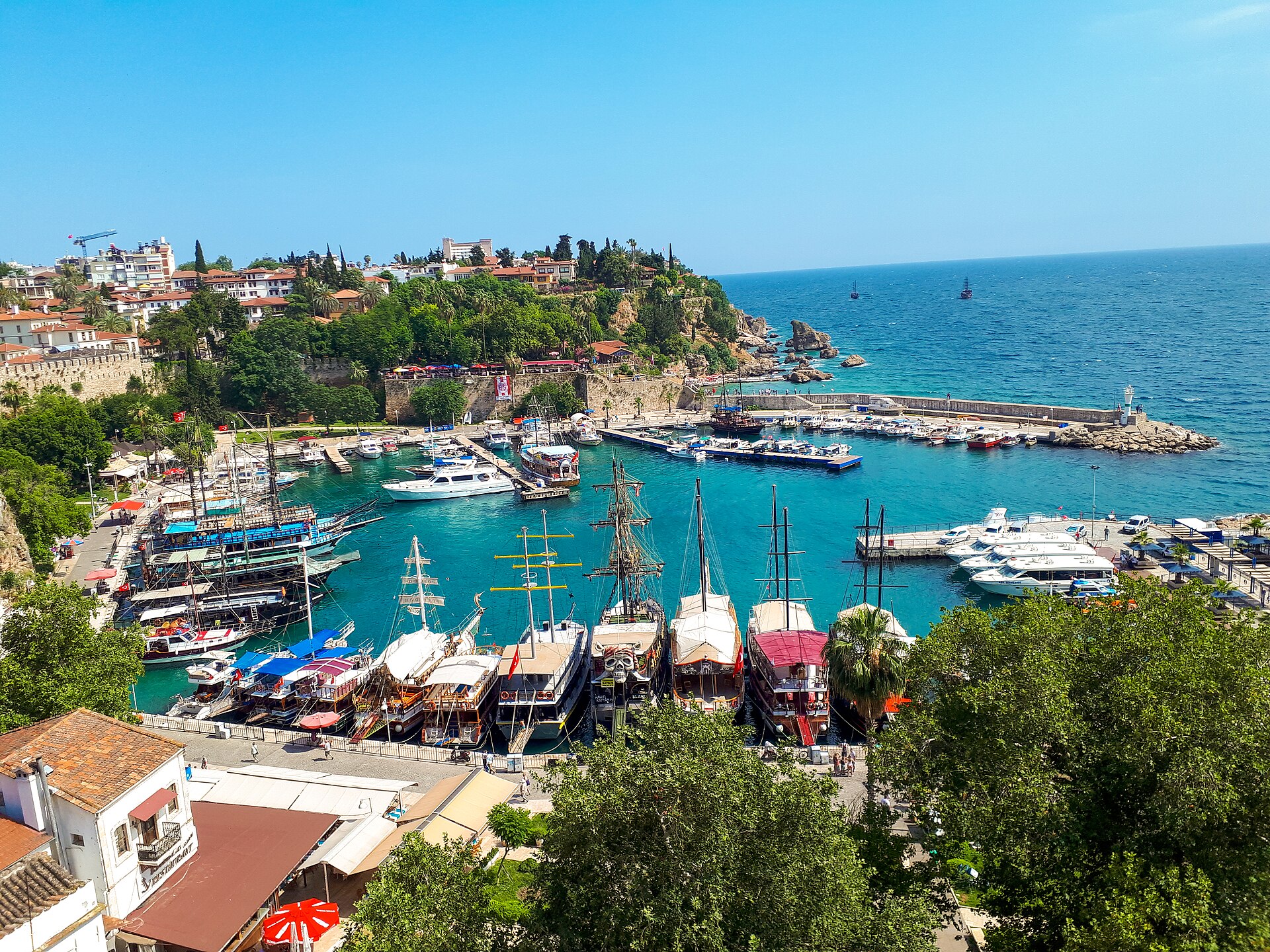
Antalya is the principal city on Türkiye's Mediterranean coast and the hub for a much wider visitor region. The compact historic core, Kaleiçi, occupies the old walled quarter above and around the Roman harbour, while the modern city spreads across the coastal plain. Major museums, beaches, parks and transport terminals sit outside the old lanes, and many famous archaeological sites associated with an Antalya trip are separate excursions along the coast or inland. Distinguish the walkable city centre from the wider province when building an itinerary.
Reviewed by Elena Voss · Roavina Travel Editor
Set your days, your pace and the hours you actually want to be out. The planner works around closing days and travel time, and leaves room to eat.
Ranked by importance — sitelinks, pageviews and heritage status, not editor preference.
14 places match
Category
Typical visit duration
Interests
Aspendos is a ruined Pamphylian and Roman city standing on two low hills above the Eurymedon, the river now called the Köprüçay, in Belkıs Mahallesi in the Serik district of Antalya province.
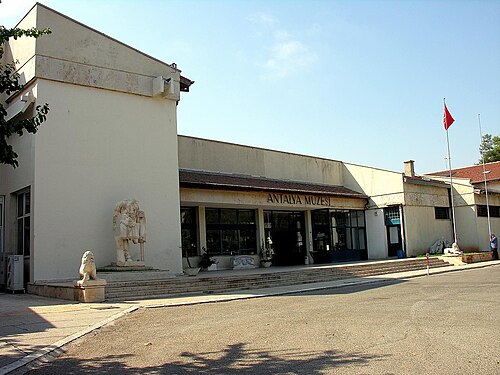
Antalya Arkeoloji Müzesi (Museum)
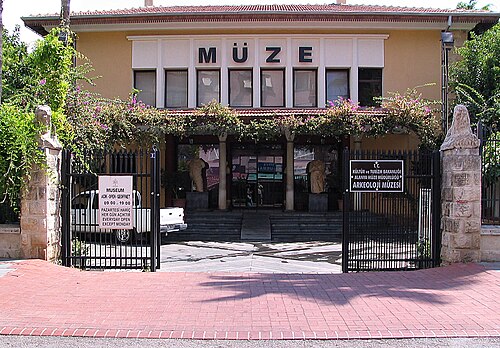
Antalya Museum, locally known as Antalya Arkeoloji Müzesi, is a major archaeological museum in Antalya, Turkey. It stands as one of the country's most significant institutions for ancient artifacts, housing extensive collections from the broader Mediterranean region of Turkey.
Alanya Kalesi
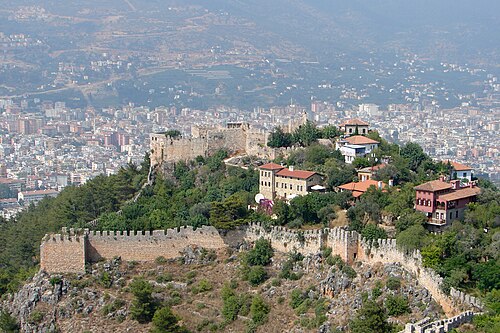
Alanya Castle, known locally as Alanya Kalesi, is a historic fortress complex perched on a rocky peninsula overlooking the Mediterranean Sea. The site dominates the skyline of Alanya, a district within the Antalya province of southern Turkey.
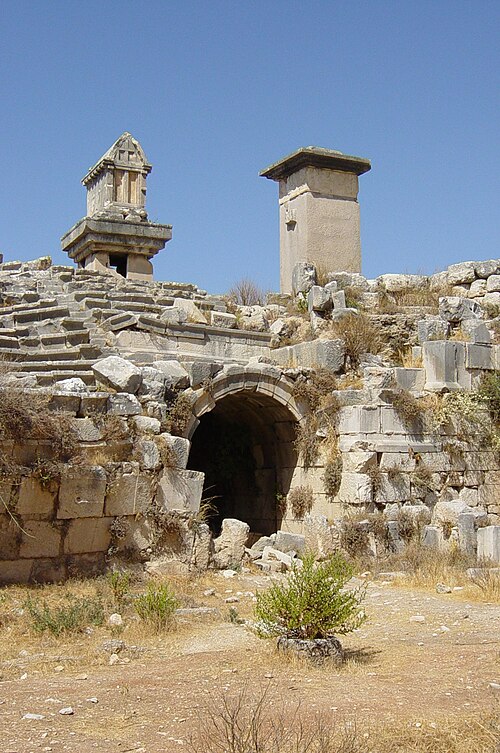
Xanthos was the capital of ancient Lycia, and what survives of it stands on two hills above the plain of the Eşen Çayı, the river the Greeks called the Xanthos, in the village of Kınık in Antalya province.
Side Müzesi
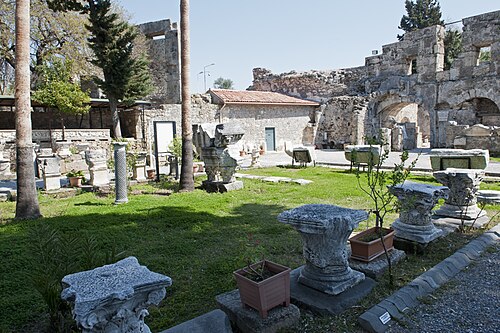
Side Museum occupies a restored Roman bath complex in the ancient city of Side, on Turkey's Mediterranean coast. The building's original 5th-century AD structure provides an atmospheric setting for regional archaeological finds.
Alanya Arkeoloji Müzesi
Alanya Archaeological Museum, known locally as Alanya Arkeoloji Müzesi, is a museum institution located in the Antalya region of Türkiye.
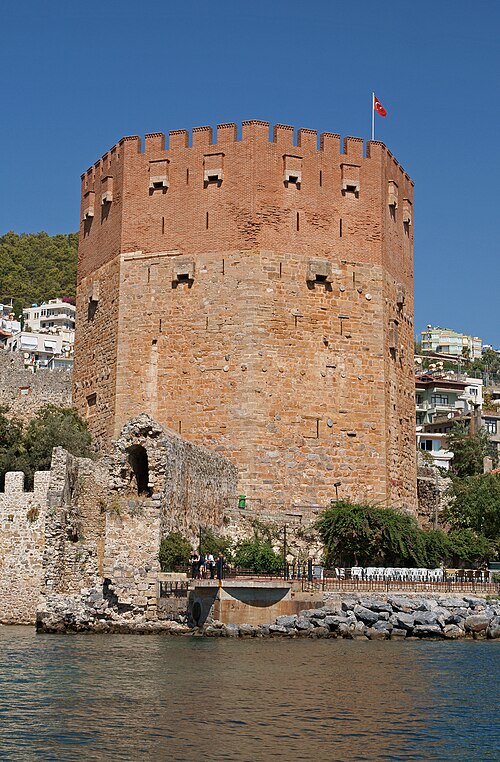
Kızıl Kule, known in English as the Red Tower, stands as a prominent historic landmark in Alanya, a district within the Antalya province.
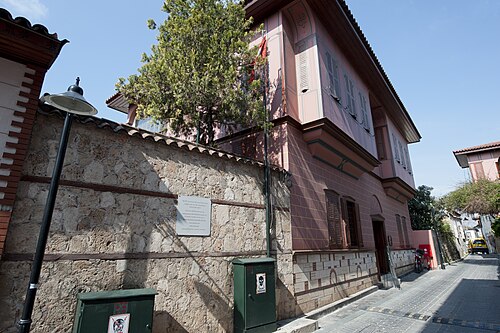
Suna & İnan Kıraç Kaleiçi Museum
The Suna & İnan Kıraç Kaleiçi Museum is a cultural institution situated in Antalya's historic Kaleiçi district. Housed within a restored traditional Ottoman mansion, the museum preserves and presents regional heritage.
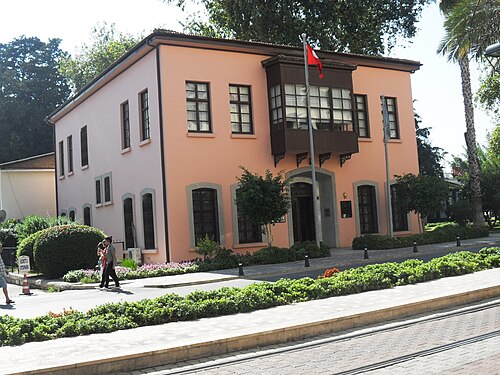
Ataturk muze
Atatürk's House Museum is a small commemorative museum in Antalya devoted to Mustafa Kemal Atatürk and his connection with the city.
Antalya Oyuncak Müzesi
Antalya Toy Museum, also known locally as Antalya Oyuncak Müzesi, is a specialist cultural attraction in Antalya, Türkiye.
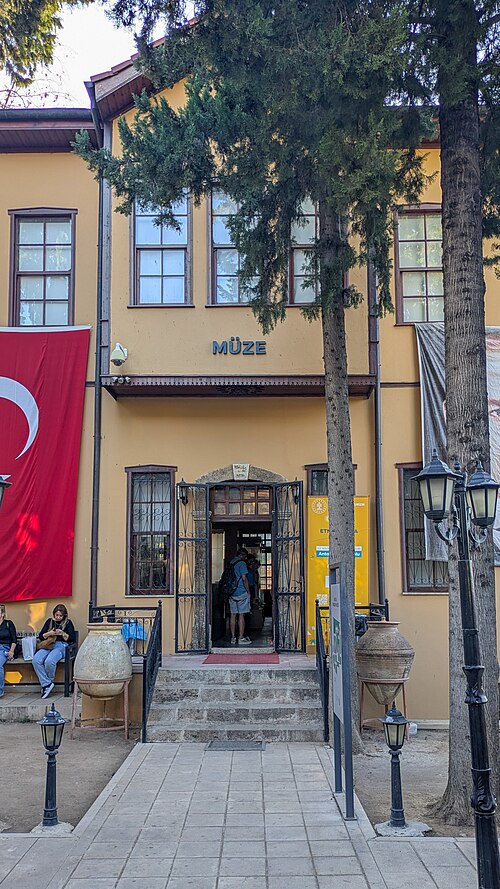
Antalya Etnografya Müzesi
Antalya Etnografya Museum, locally called Antalya Etnografya Müzesi, is an ethnographic museum in Antalya devoted to regional material culture.
Elmalı Müzesi
Elmalı Museum is a local cultural institution in Elmalı, in Antalya province’s mountainous inland district. Its stated focus combines archaeological finds with ethnographic material from the surrounding area.
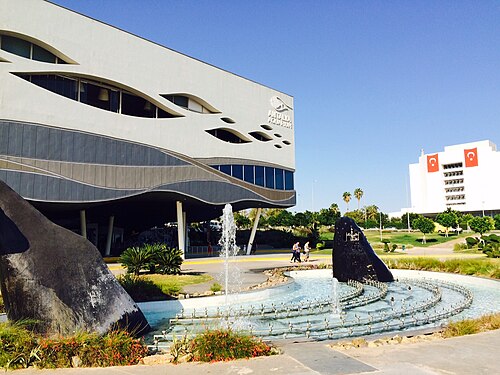
Antalya Aquarium is an indoor marine-life attraction in Antalya’s Konyaaltı district, west of the historic centre. Its distinctive setting places a purpose-built underwater world within a city better known for Mediterranean beaches, old-town lanes and archaeological sites.
Antalya Deniz Biyolojisi Müzesi is a specialist marine-biology museum in Antalya, Turkey. Its subject is the life of the sea, with attention to marine specimens and the ecosystems of the Mediterranean coast.
Source: OpenStreetMap contributors, Wikidata ·
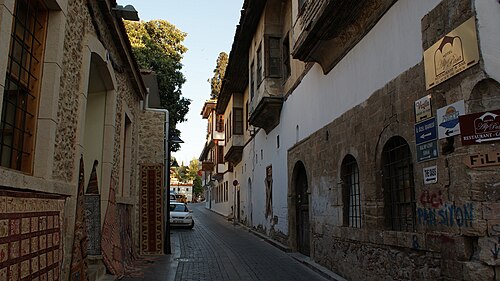
Kaleiçi is the oldest and most compact visitor district, enclosed by remnants of the historic walls and descending toward the old harbour. Hadrian's Gate marks its eastern edge, while the Clock Tower and Republic Square connect it with the modern commercial centre. Konyaaltı Beach and the museum corridor extend west; Lara and the Düden waterfall areas lie east. The municipality's Kaleiçi map separates long, Roman-Byzantine and Ottoman-Seljuk walking routes, a useful reminder that the old quarter rewards a dedicated walk before transport is used for the wider coast.
Checked 2026-08-26
Walk inside Kaleiçi and the adjoining central streets, then use Antalya's municipal tram and bus network for beaches, museums, terminals and outer districts. The airport, historic centre and western urban corridor are linked through public transport, but archaeological sites and resort areas across the wider province may require regional buses, organised transfers or a car. Do not treat every attraction marketed under Antalya as an urban stop. Check the municipality's current route and service information before travel because seasonal demand and works can alter practical connections.
Checked 2026-08-26
A fixed stay length is not recorded. Separate time for Kaleiçi and the urban coast from any archaeological, beach or mountain excursion elsewhere in the wider Antalya region.
Kaleiçi is the old walled quarter around the Roman harbour. Hadrian's Gate, the Clock Tower and Republic Square mark the transition between its lanes and the modern centre.
Yes. The municipality maps dedicated routes through the compact old quarter. Use transport after that walk for Konyaaltı, Lara, museums and other outer districts.
No. Antalya tourism commonly includes archaeological sites, resort towns and natural areas spread across the province. Treat those as separate regional journeys rather than urban stops.
Use municipal tram or bus services for the urban coast, then walk within each beach or park area. Confirm the current route because service patterns can change with works and seasonal demand.