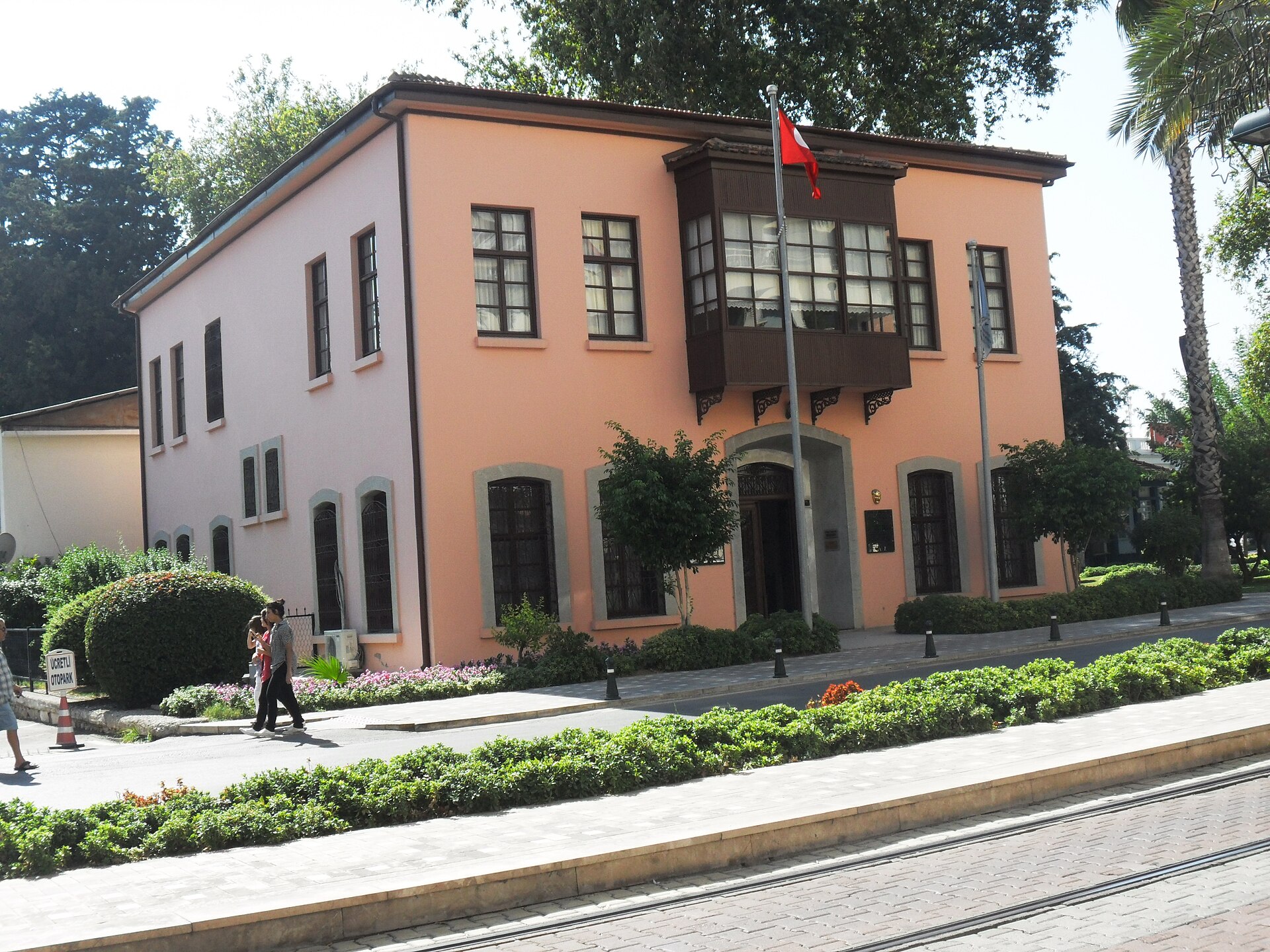
2 min walk
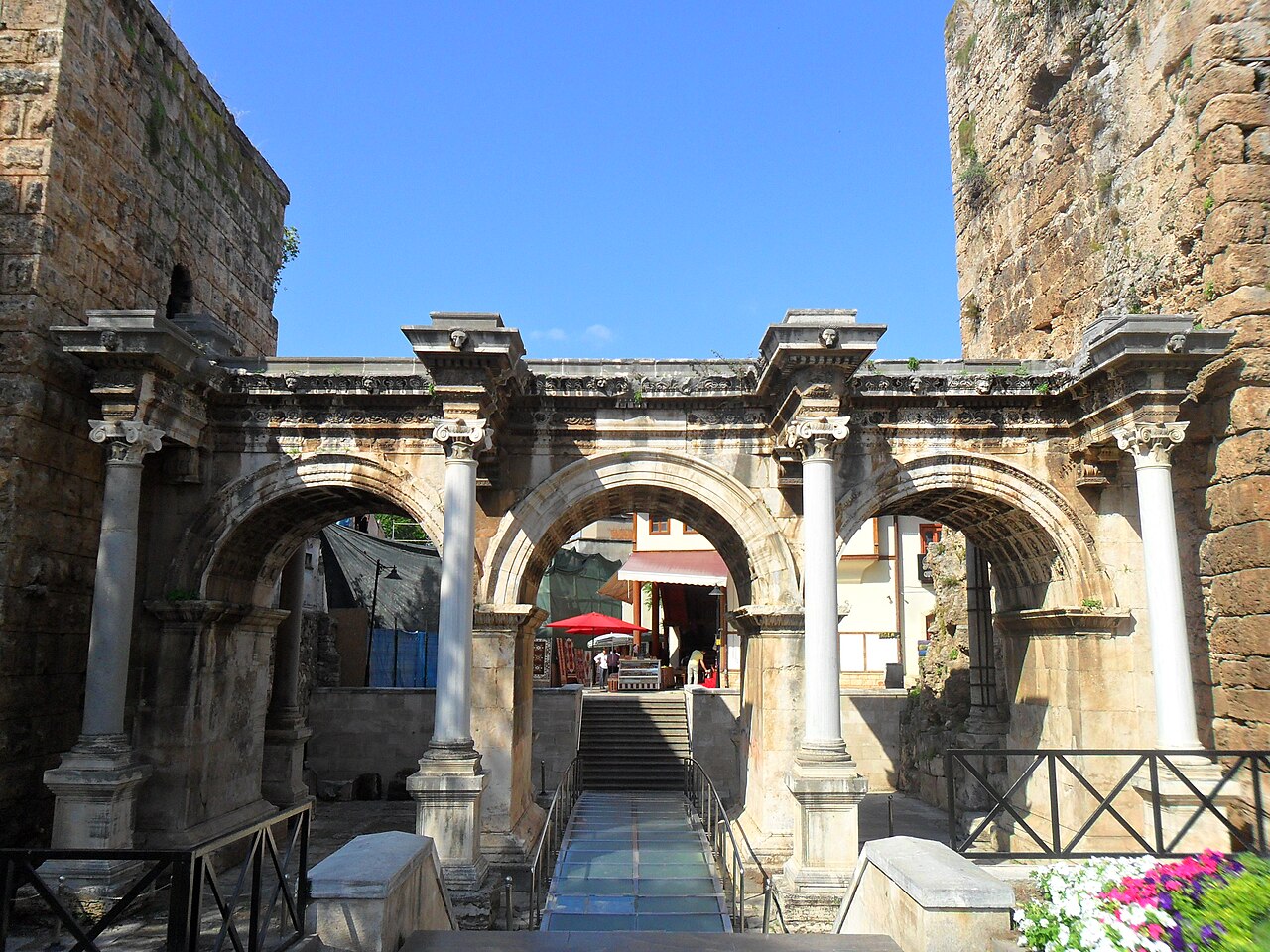
Hadrian's Gate
- Must see
- Historic monument
Museum · Antalya
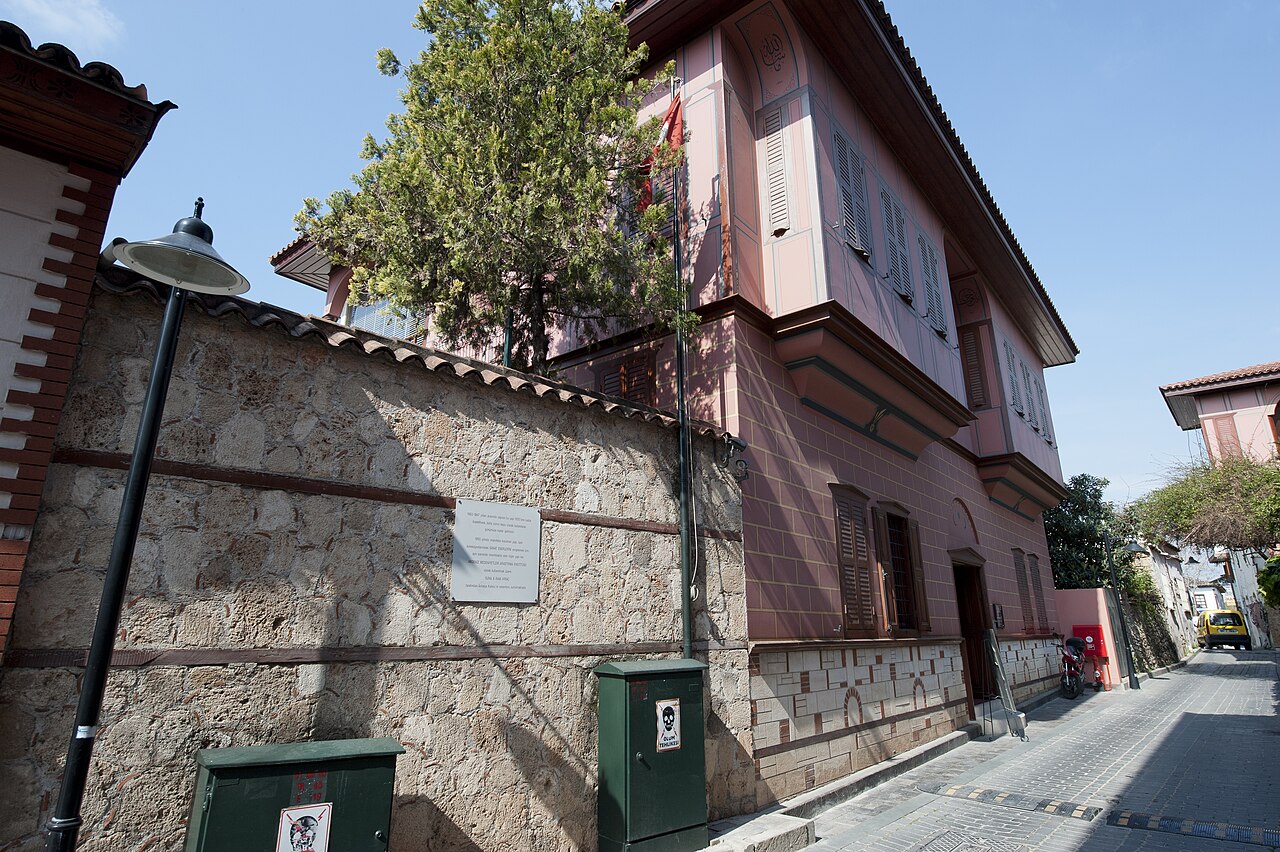
Suna & İnan Kıraç Kaleiçi Museum
The Suna & İnan Kıraç Kaleiçi Museum is a cultural institution situated in Antalya's historic Kaleiçi district. Housed within a restored traditional Ottoman mansion, the museum preserves and presents regional heritage. The building itself represents characteristic Mediterranean Ottoman architecture with its stone foundations, timber upper floors, and inward-facing courtyard plan. The museum forms part of a broader network of cultural venues supported by the Suna and İnan Kıraç Foundation, which focuses on Turkish art and cultural preservation. Its location within the walled old city places it among other heritage structures dating to various periods of Antalya's long settlement history.
Checked 2026-08-26 · Source
The museum contains collections reflecting local ethnographic and cultural traditions. Exhibits typically include domestic furnishings, textiles, and everyday objects that illustrate life in historic Antalya. The interior spaces retain original architectural features including wooden ceilings, carved screens, and built-in storage niches. Display arrangements emphasize the domestic context of objects rather than isolated presentation. The courtyard garden provides additional exhibition space and represents traditional Mediterranean planting. Specific current exhibitions and complete inventory listings are not available in provided source materials. Visitors should expect a compact, house-museum experience rather than expansive galleries. The foundation's other museums in Istanbul and elsewhere suggest consistent curatorial standards.
Checked 2026-08-26 · Source
A complete visit typically requires between thirty minutes and one hour depending on individual pacing and interest in detailed examination. The museum's modest scale as a historic house conversion limits the total content volume. Readers of Turkish exhibition texts may spend additional time with interpretive materials. Photography without flash and careful observation of architectural details can extend the visit duration. Combination with other Kaleiçi attractions is practical given the museum's central old-city location. Visitors interested in Ottoman domestic architecture specifically may find the building fabric itself warrants extended attention beyond the displayed collections.
Checked 2026-08-26 · Source
Antalya experiences hot, dry summers and mild, wet winters typical of the Mediterranean climate zone. The museum's interior spaces may offer relative coolness during peak summer heat. Spring and autumn generally provide comfortable conditions for walking the Kaleiçi district's uneven cobblestone streets. Summer visitation coincides with broader tourist seasonality along the Turkish coast. Visitors should verify current opening schedules through direct inquiry before planning, as seasonal adjustments are common for Turkish cultural institutions. Ramadan and religious holidays may affect accessibility. Morning visits may offer quieter conditions before cruise passenger arrivals and general tourist traffic increases through midday.
Checked 2026-08-26 · Source
Admission policies for Turkish foundation museums vary by institution and may include differential pricing for residents and foreign visitors. Some foundation museums operate with free admission or suggested donations, while others maintain fixed entry fees. Visitors should carry Turkish lira as not all smaller museums accept card payments. Students, seniors, and group discounts are common in Turkish museum practice but require verification at entry. Foundation membership programs may offer reciprocal benefits.
Checked 2026-08-26 · Source
Kaleiçi occupies the historic peninsula at Antalya's harbor, bounded by ancient Roman walls on the landward side. The museum lies within this pedestrianized zone inaccessible to regular vehicle traffic. Taxis and buses serve the surrounding modern city center; the nearest vehicular access points are at Hadrian's Gate or the harbor district. From Antalya Airport, public transit or taxi reaches the city center in approximately thirty to sixty minutes depending on traffic. Within Kaleiçi, narrow winding streets require walking; comfortable footwear is essential on uneven historic paving. Signage within the old city is variable; carrying the local name in Turkish assists navigation. The harbor tram line provides access to the district's edge.
Checked 2026-08-26 · Source
Kaleiçi's historic streets present physical accessibility challenges including uneven cobblestones, steps, and narrow passages unsuitable for wheeled mobility devices. Summer heat demands hydration and sun protection during walking approach. The district contains numerous commercial establishments; museum identification requires attention to specific foundation naming. Street signage may use Turkish names exclusively. Petty tourism-related scams occur in Antalya's visitor zones generally; standard vigilance applies. Climate-controlled storage conditions may limit interior temperature comfort during extreme weather periods.
Checked 2026-08-26 · Source
The museum's traditional Ottoman interior presents atmospheric lighting conditions that challenge photography without flash or tripod. Small windows and shaded courtyard spaces create high-contrast scenes. Exterior architectural photography benefits from morning or late afternoon light on the building facade. The surrounding Kaleiçi district offers numerous comparable historic structures for architectural documentation. Tripod use inside compact house museums typically requires advance permission. Respect for other visitors' experience limits extended photographic sessions in confined spaces. The foundation's other museums have published professional photography suggesting permissible documentation standards; visitors should emulate observed restraint.
Checked 2026-08-26 · Source
The compact house-museum format and cultural exhibits may engage older children with prior interest in history or architecture. Younger children may find limited interactive elements.
Visitors should expect self-directed exploration of the exhibition spaces.
Historic Ottoman mansion structures typically present stairs and narrow passages. Full wheelchair accessibility is unlikely without specific modern modifications not mentioned in sources.
The foundation operates museums in Istanbul and other locations. Antalya visitors would need separate travel to access other foundation institutions.
The surrounding Kaleiçi district contains numerous dining establishments.
The museum's central Kaleiçi location permits efficient combination with Hadrian's Gate, the harbor, Yivli Minare, and other old-city heritage sites within walking distance.
Loading the interactive map…
The interactive map could not be loaded.
Last updated:
Source: OpenStreetMap contributors, Wikidata ·