
34 min walk
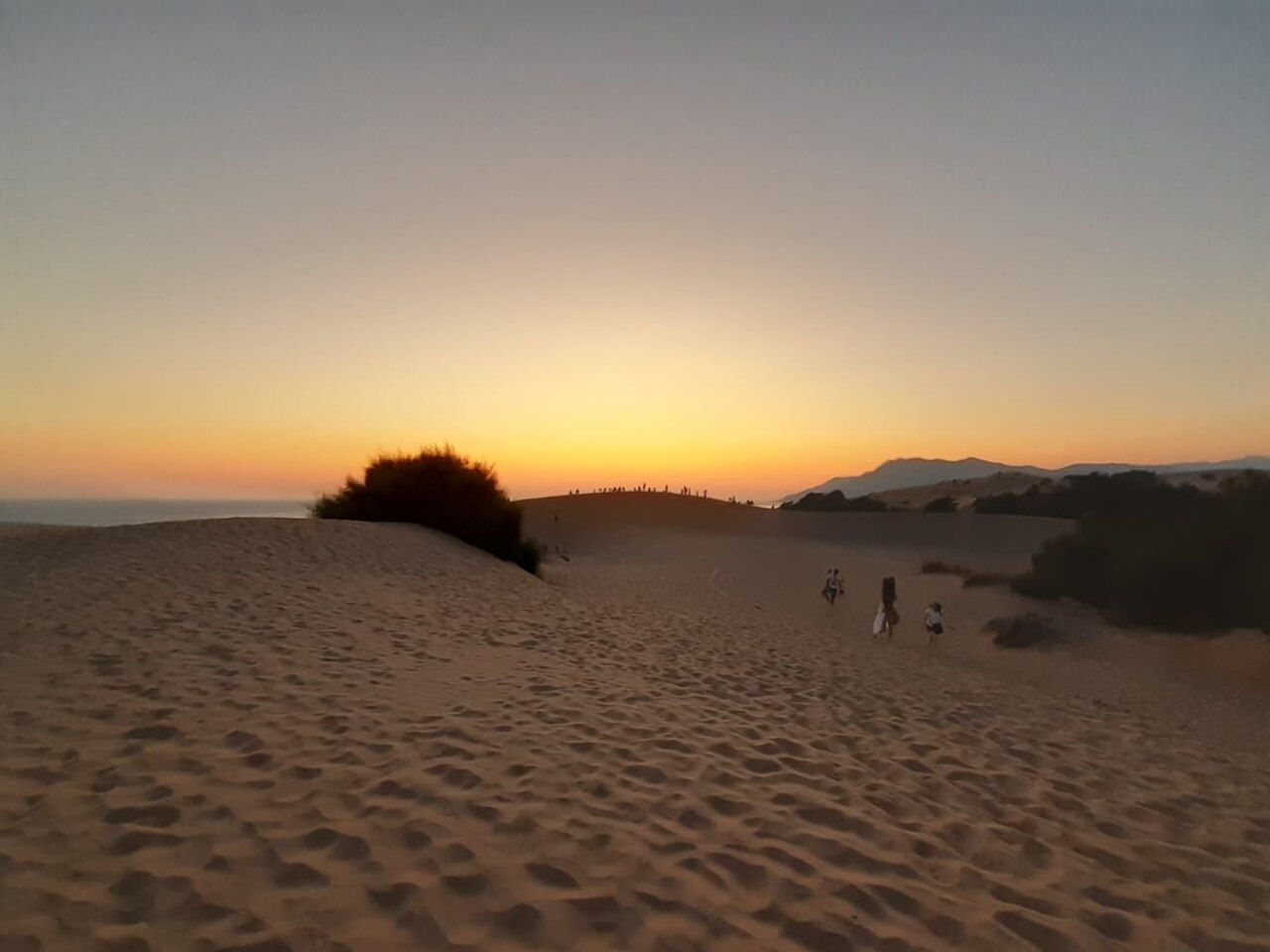
Patara Beach
- Must see
- Nature site
Language · 11 published
Historic monument · Antalya
Reviewed by Elena Voss · Roavina Travel Editor
| Monday | 08:00 – 22:00 |
|---|---|
| Tuesday | 08:00 – 22:00 |
| Wednesday | 08:00 – 22:00 |
| Thursday | 08:00 – 22:00 |
| Friday | 08:00 – 22:00 |
| Saturday | 08:00 – 22:00 |
| Sunday | 08:00 – 22:00 |
Closed to visitors between 18:45 – 19:00
Checked 2026-08-31 · Source
Read from the OpenStreetMap access tags; anything not listed has no tag recorded.
Set the group type to family in the planner and the day window contracts to about three quarters of a solo day.
This place is a Attraction.
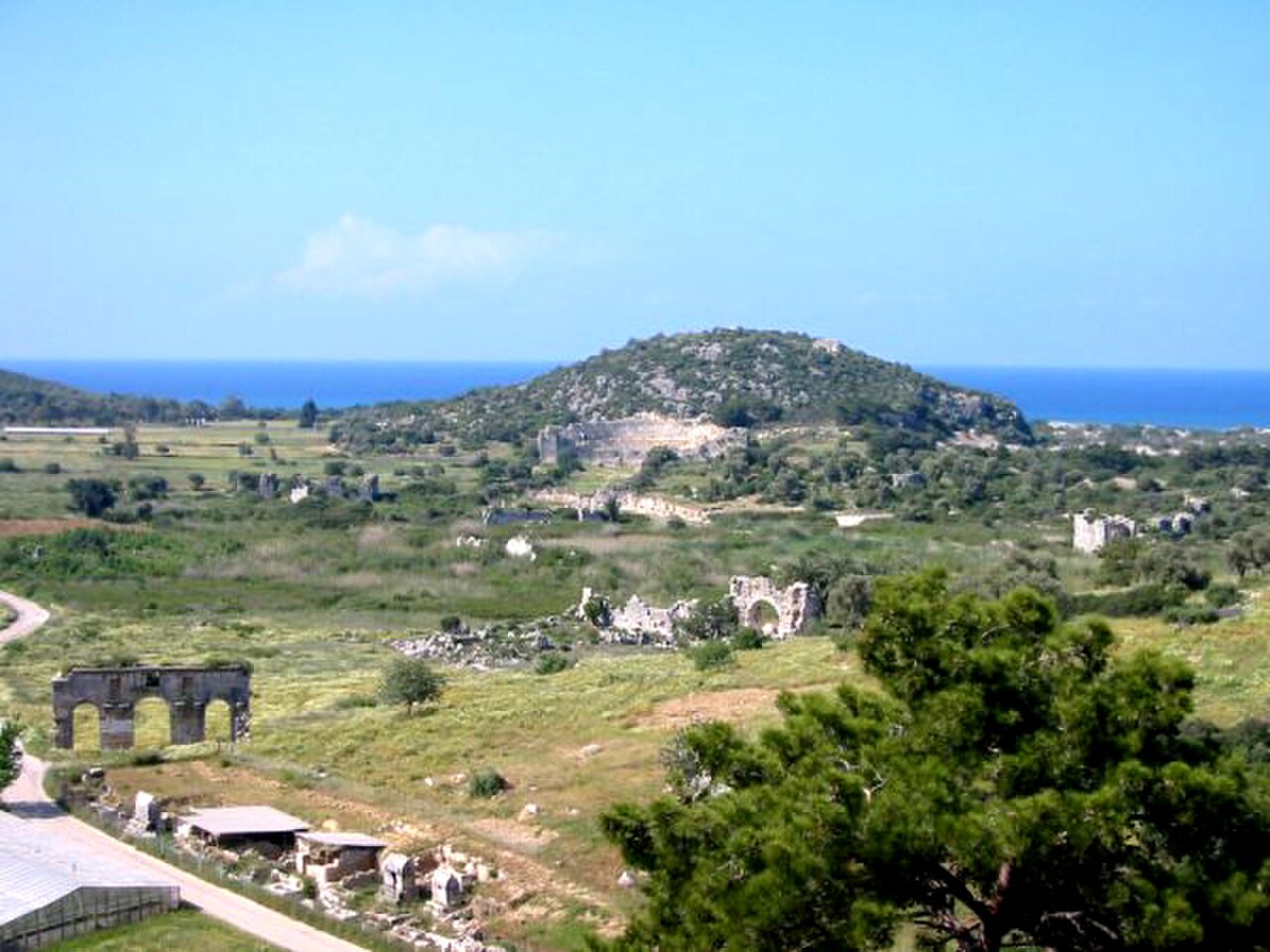
Patara is the excavated remains of the harbour city that served as the capital of the Lycian League, spread across a sandy plain behind the beach at Gelemiş, in the Kaş district of Antalya province. That single fact explains everything else about it: grain from inland Anatolia left for Rome through this harbour, and the fleets and the governors followed the grain. Two names attach to it that most visitors already know. Daily 08:00–18:45; night-museum session daily 19:00–22:00. Open every day. The daytime ticket desk closes at 18:45; last admission for the night session is 21:30.
Checked 2026-08-31 · Source
The site is entered through the Arch of Mettius Modestus, a triple-vaulted gate raised by the citizens of Patara in about 100 AD for the governor of Lycia, and it is the best-preserved single structure on the plain. West of the arch is the necropolis, with sarcophagi cut in the Lycian manner. The theatre leans against Kurşunlu hill at the southern end of the city and was rebuilt after the earthquake of 147 AD, seating in the order of six thousand. Open every day. The daytime ticket desk closes at 18:45; last admission for the night session is 21:30.
Checked 2026-08-31 · Source
Allow two and a half hours for the ruins. The ministry publishes opening and ticket-office times for Patara but no suggested visit length, so that figure is this guide's judgement rather than a number read off the operator's page. A visitor with ninety minutes can reach the arch, the main street, the Bouleuterion and the theatre and turn around, which is the sensible short version and misses the harbour end entirely. General admission is €15. MüzeKart is accepted.
Checked 2026-08-31 · Source
The ministry's page for Patara lists the site as open every day, with no weekly closing day, from 08:00 to 18:45, and gives the same 18:45 as the closing time of the ticket office. Patara also runs under the night museum scheme. Within a day, the useful choice is the early morning. Daily 08:00–18:45; night-museum session daily 19:00–22:00. In summer, minibuses leave Kaş bus station for Patara Beach approximately every 20 minutes and pass through the Patara area. The archaeological-site entrance is at Gelemiş Mahallesi, Örenyeri Sokak No. 1, Kaş.
Checked 2026-08-31 · Source
The ministry's own fee list, published by DÖSİMM, prices Patara at 15 euros per foreign visitor, charged per person. That is the site's entry ticket and it is the only figure the operator publishes for daytime entry. Two things the operator does not put in writing are worth knowing before you arrive. General admission is €15. MüzeKart is accepted. A wheelchair-accessible route runs from the visitor centre to the theatre, Lycian League Assembly Building and colonnaded street. The published accessible route covers key central monuments, not the entire archaeological landscape.
Checked 2026-08-31 · Source
The address the ministry publishes is Gelemiş Mahallesi, Örenyeri Sokak No: 1, Kaş, Antalya. There is one way in and the same way out. The operator does not publish anything about public transport to the site, so this guide will not claim a bus timetable it cannot check. In summer, minibuses leave Kaş bus station for Patara Beach approximately every 20 minutes and pass through the Patara area. The archaeological-site entrance is at Gelemiş Mahallesi, Örenyeri Sokak No. 1, Kaş. The published accessible route covers key central monuments, not the entire archaeological landscape.
Checked 2026-08-31 · Source
The hazard at Patara is exposure, not difficulty. The city stands on a plain with the sea at one end and hills around it, the excavated structures are far apart, and there is very little shade between them. Sand is the site's other constant. Finally, note the ticket office closing time rather than only the site closing time. A wheelchair-accessible route runs from the visitor centre to the theatre, Lycian League Assembly Building and colonnaded street. The official entrance address is Gelemiş Mahallesi, Örenyeri Sokak No. 1, Kaş, Antalya. Yes. The operator lists an audio-guide service at Patara.
Checked 2026-08-31 · Source
Patara photographs best at the two ends of the day, and for the same reason it is best walked then: the plain is flat and unshaded, and midday light flattens the colonnades and the theatre's seating into grey. Early morning puts warm light down the length of the main street and picks out the difference between the granite columns on one side and the marble on the other, which at noon reads as one uniform row. Yes. The operator lists an audio-guide service at Patara. A well-preserved Roman triumphal arch marks the ancient entrance, with the Lycian-style tombs of the necropolis extending to its west.
Checked 2026-08-31 · Source
The official entrance address is Gelemiş Mahallesi, Örenyeri Sokak No. 1, Kaş, Antalya.
Yes. The operator lists an audio-guide service at Patara.
A well-preserved Roman triumphal arch marks the ancient entrance, with the Lycian-style tombs of the necropolis extending to its west.
Patara served as the capital of the Lycian League and retained its administrative importance under Roman rule.
Saint Nicholas was born at Patara, and Saint Paul departed from its port on his journey to Rome.
The site includes the theatre, Lycian League Assembly Building, Vespasian Bath, main street, ancient harbour structures and Hadrianic granary.
Loading the interactive map…
The interactive map could not be loaded.

Last updated:
Source: OpenStreetMap contributors, Wikidata ·