_Dikili_Turkey.jpg)
220 min walk · Dikili
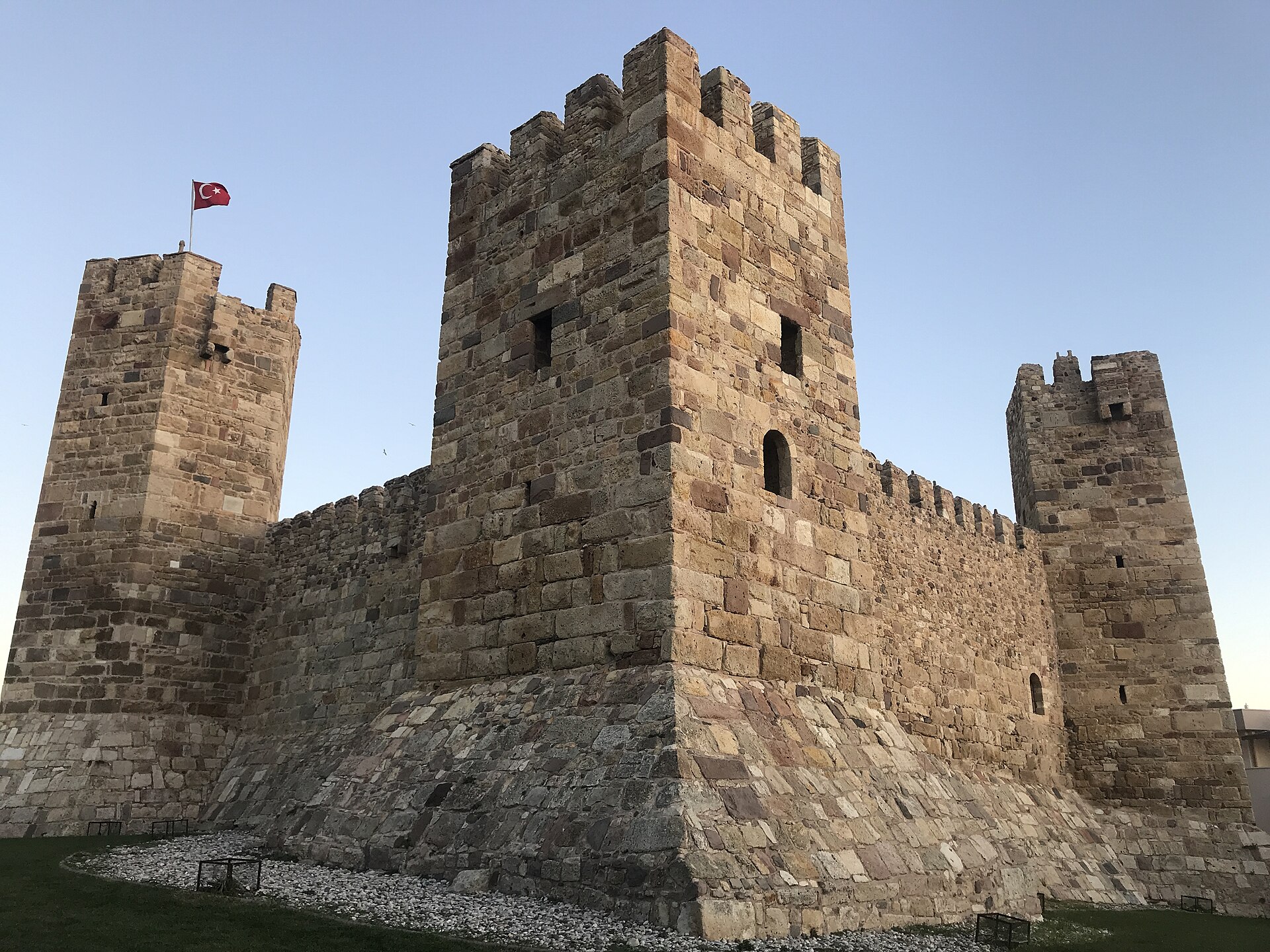
Çandarlı Castle
- High
- Historic monument
Language · 11 published
Historic monument · Dikili, İzmir
Reviewed by Elena Voss · Roavina Travel Editor
This place is a Archaeological site.
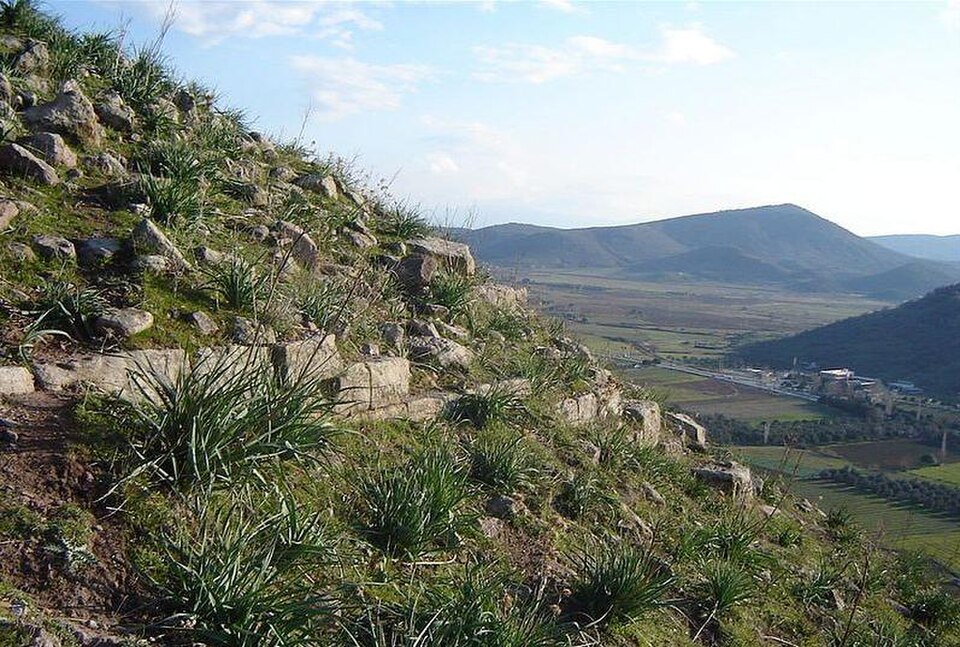
Atarneus is an ancient settlement at Ağılkale, on a hill near Dikili in İzmir. Local heritage information dates its history to approximately 4000 BCE. The place is experienced as an outdoor ruin landscape rather than a reconstructed town or indoor museum. Its elevated position, surviving traces and relationship with the surrounding countryside are central to the visit. Atarneus suits travellers interested in archaeology, ancient settlement patterns and local history, especially those already exploring the Dikili area. The hill is not a backdrop; it is part of the site’s meaning. Atarneus is the ancient settlement identified at Ağılkale, on a hill near Dikili in İzmir. Its history is dated by the Dikili District Governorate to approximately 4000 BCE, giving the place a very long archaeological horizon. The site is worth understanding as a hilltop ruin landscape, not as a reconstructed ancient town or an indoor museum. Atarneus is at Ağılkale in Dikili, İzmir, near the Dikili turnoff on the İzmir–Çanakkale road. The Dikili District Governorate dates the settlement’s history to approximately 4000 BCE.
Checked 2026-09-02 · Source
Explore the hill for archaeological traces associated with Atarneus. Local descriptions identify the locations of a large temple and the palace linked with King Hermias. These references help you read the terrain, but the visit is not a walk through complete furnished buildings. Low remains, the shape of the hill and the settlement’s elevated position work together to convey the site’s scale. There are no supplied exhibition rooms or reconstructed interiors. The attraction lies in observing how an ancient settlement occupied its landscape.
Checked 2026-09-02 · Source
Allow 30 to 60 minutes for a focused stop at Atarneus. This gives time to reach the hill, orient yourself, examine visible traces and take in the elevated surroundings. Spend longer if you want to study the terrain, compare the remains with local historical descriptions or make detailed photographs and notes. The site does not offer a compact museum circuit, so walking and pauses are part of the visit. Researchers and landscape-archaeology enthusiasts may naturally need more time than travellers making a short road stop.
Checked 2026-09-02 · Source
Visit in daylight and choose weather that makes an exposed hilltop walk comfortable. The experience depends on heat, wind, rain, visibility and the firmness of the ground beneath your feet. Earlier or later daylight can feel easier in hot weather, while clear conditions help low remains stand out against the terrain. There is no timed visitor programme described for Atarneus, so plan the stop around the outdoor conditions and the daylight available for examining the hill. Rain can make slopes and irregular ground harder to cross.
Checked 2026-09-02 · Source
The supplied descriptions do not establish an admission price, ticket desk, free-entry arrangement or advance-booking process for Atarneus. Plan for an outdoor archaeological stop and focus on daylight, weather, footwear and water. Do not treat the nearby temple and palace locations as separate ticketed attractions. The absence of a described ticket operation is part of the practical character of this hilltop ruin landscape: the visit is based on reaching and reading the terrain rather than following a managed museum entrance sequence.
Checked 2026-09-02 · Source
Travel on the İzmir–Çanakkale road towards Dikili. At the Dikili turnoff, public tourism information places Atarneus on the right, on the hill at Ağılkale. Use the junction and the hill as your main orientation points rather than expecting a town-centre museum entrance. Once you leave the main road, choose a safe stopping point and assess the ground before walking across the hill.
Checked 2026-09-02 · Source
Expect uneven, sloping outdoor ground and exposure to sun, wind and rain. Stable footwear is more useful here than museum-style shoes, and carrying your own water is sensible for the hilltop stop. Keep children close on rough surfaces and take care around loose or irregular ground. The supplied descriptions do not establish toilets, drinking water, baby-changing facilities, pushchair access or a step-free visitor route. Wet weather can make the approach less comfortable and reduce the ease of examining the remains.
Checked 2026-09-02 · Source
Photograph Atarneus as a hilltop landscape. Wide views that include the remains, Ağılkale and the surrounding terrain explain the site more clearly than isolated detail shots. Use daylight to reveal low traces and vary the sequence with stable-ground close views of visible masonry. Keep the hill and settlement setting in the frame, because the elevated position is central to the experience. Do not climb walls or disturb the ground around archaeological and burial remains while looking for a better composition.
Checked 2026-09-02 · Source
Atarneus is at Ağılkale in Dikili, İzmir, near the Dikili turnoff on the İzmir–Çanakkale road.
The Dikili District Governorate dates the settlement’s history to approximately 4000 BCE.
The name is associated with the area’s hot-water sources and springs and is explained as meaning the source of the mother goddess.
The Dikili District Governorate states that the city was founded by the Carians.
Its most prosperous period is identified as the fourth century BCE, during the rule of King Hermias.
The hill preserves archaeological remains, while local heritage descriptions identify the locations of a large temple and Hermias’s palace.
Loading the interactive map…
The interactive map could not be loaded.
Last updated:
Source: OpenStreetMap contributors, Wikidata ·