

07
45 min
Temple of Ephesian Artemis
Artemis Tapinagi
The Temple of Ephesian Artemis is the Artemision sanctuary associated with ancient Ephesus, in Selçuk, İzmir Province.
- Must see
- Historic monument
- Selçuk
City guide · Türkiye
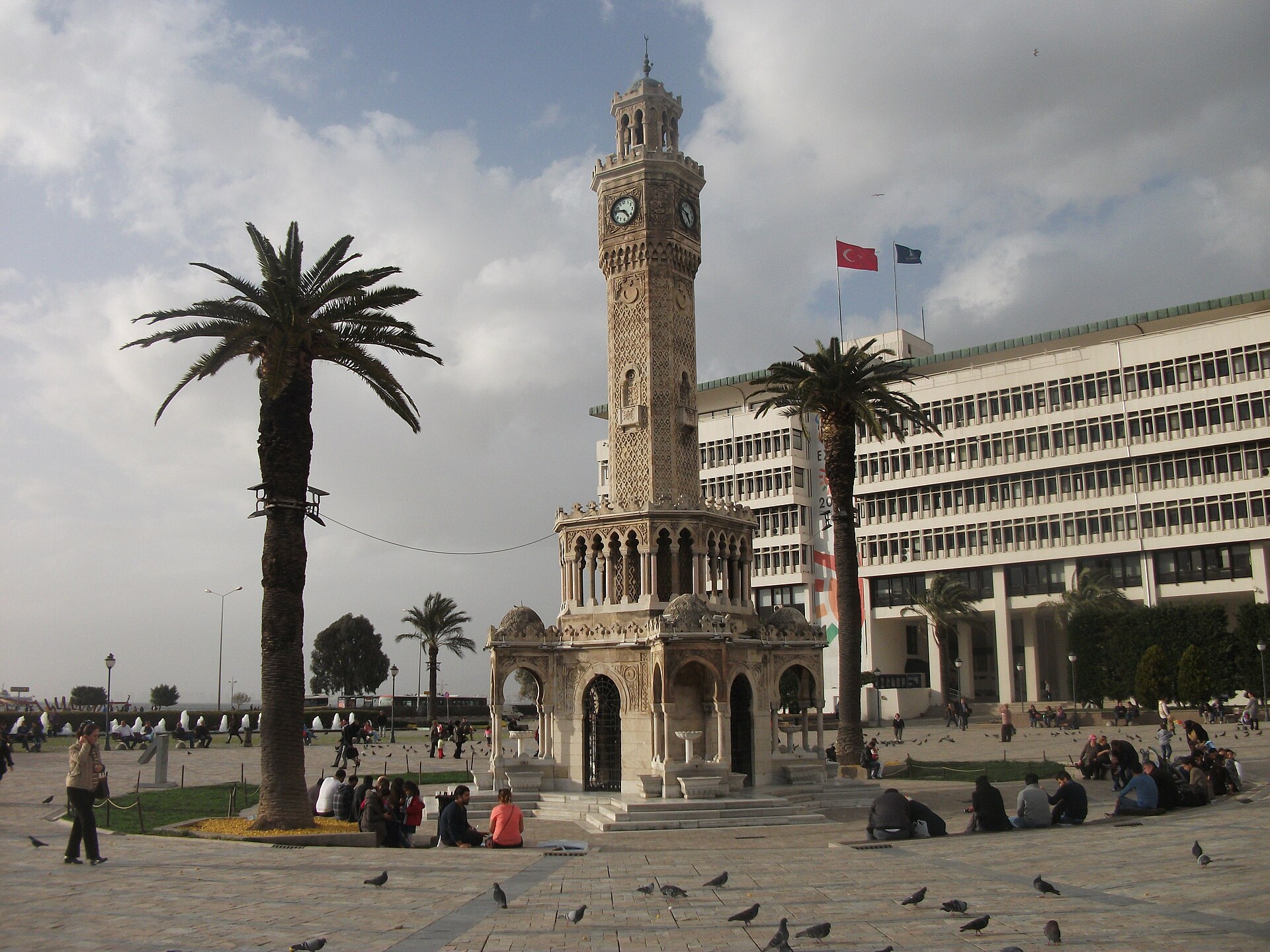
İzmir begins in Konak, where the İzmir Clock Tower stands beside Konak Square and the gulf waterfront. From here, Kemeraltı’s historic market streets lead inlan...
Photograph · Anonymous · CC0
Set your days, your pace and the hours you actually want to be out. The planner works around closing days and travel time, and leaves room to eat.
Reviewed by Elena Voss · Roavina Travel Editor
İzmir begins in Konak, where the İzmir Clock Tower stands beside Konak Square and the gulf waterfront. From here, Kemeraltı’s historic market streets lead inland through hans, shops, mosques and food stalls, while the coast opens into the broad Gulf of İzmir and the Kordon promenade. The city is also the natural base for western Türkiye’s major excursions: Selçuk and Ephesus to the south, Bergama and Pergamon to the north, and Çeşme, Urla and the peninsula coast to the west. İzmir therefore works as both an urban destination and a launch point for archaeology, villages, beaches and Aegean coastal landscapes.
Checked 2026-09-02
September · The Turkish State Meteorological Service records a 29.3°C mean high and 18.8°C mean low for İzmir in September; this is among the most comfortable periods for long outdoor sightseeing days.
Ranked by importance — sitelinks, pageviews and heritage status, not editor preference.
65 places match
Category
Typical visit duration
Artemis Tapinagi
The Temple of Ephesian Artemis is the Artemision sanctuary associated with ancient Ephesus, in Selçuk, İzmir Province.
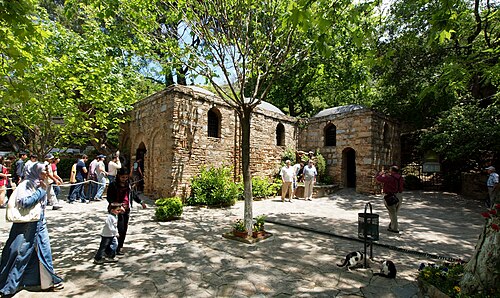
Meryem Ana Evi
The House of the Virgin Mary is a Catholic pilgrimage shrine on Bülbül Mountain, about 9 km from Selçuk in İzmir Province. It is associated with the tradition that Mary spent her final years here.
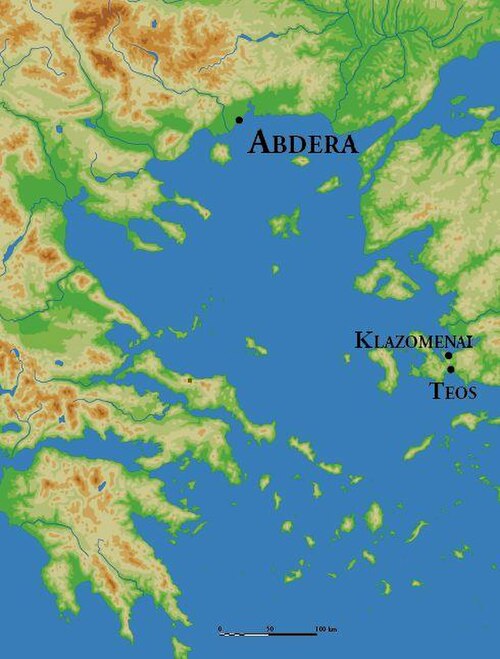
Teos is an ancient Ionian city in Sığacık, Seferihisar, on İzmir’s Aegean coast. Founded as an Ionian colony around 1000 BC, it developed as a maritime settlement connected to northern and southern harbours.

Kyme
Cyme, also called Kyme, is an archaeological site near Çakmaklı in Aliağa, İzmir, around Nemrut Bay. It was one of the Aiolian cities founded around the middle of the eleventh century BC and developed as an important port centre.
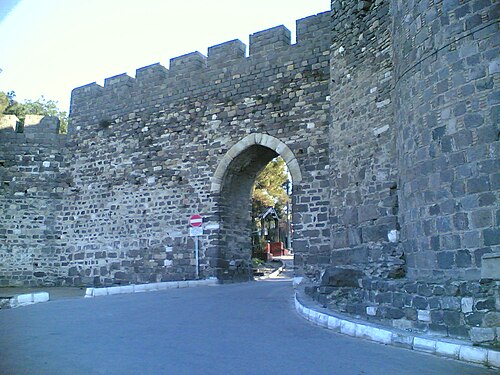
Kadifekale, also called Velvet Castle, is an open-air archaeological site on Pagos, the 186-metre-high hill south of İzmir’s city centre.

Celsus Kütüphanesi
The Library of Celsus is a defining monument of Ephesus, near modern Selçuk in İzmir Province.
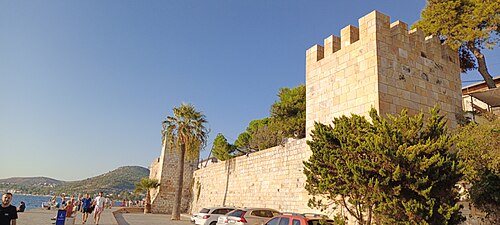
Beş Kapılar Kalesi
Foça Castle is the surviving Beşkapılar section of the historic fortifications on Eski Foça’s peninsula, between the Küçükdeniz and Büyükdeniz bays.
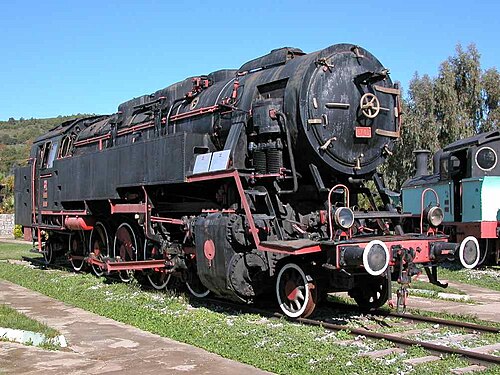
Çamlık Eski İstasyonu
Çamlık Railway Museum is an open-air railway collection beside TCDD’s Çamlık station, approximately 7 kilometres from Selçuk in İzmir Province. It opened to visitors in 1991 and preserves steam-era railway heritage in the setting of a real railway yard.
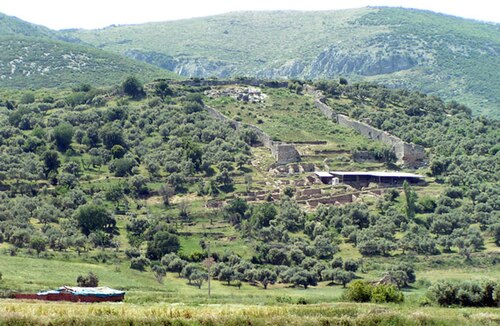
Metropolis is an ancient city between Yeniköy and Özbey in Torbalı, İzmir. Its name is understood to mean “City of the Mother Goddess,” reflecting the religious and civic identity associated with the settlement.
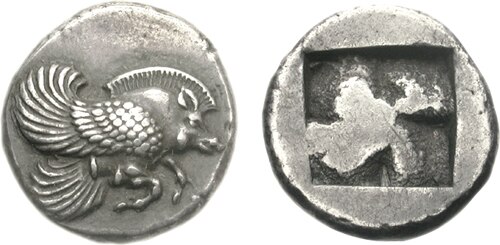
Klazomenai is an archaeological site on the Urla coast and was one of the twelve Ionian cities.
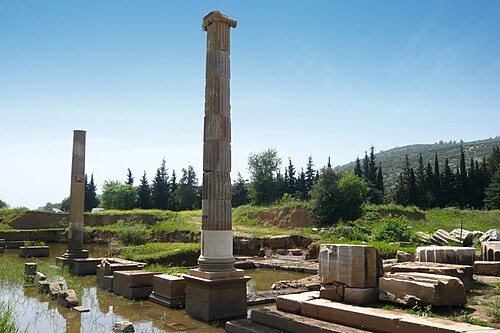
Klaros
Claros is a sanctuary of Apollo at Ahmetbeyli in Menderes, İzmir, remembered for prophecy rather than for the remains of a complete ancient town.
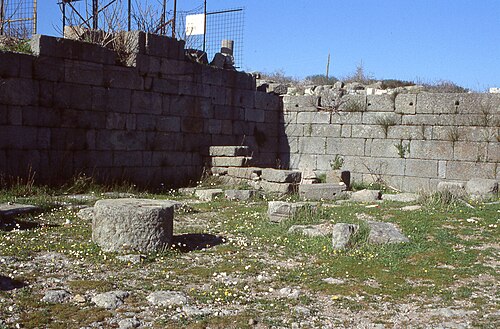
Pergamon Kütüphanesi
The Library of Pergamum is a specific ruin in the upper city of the Bergama Acropolis, beside the Sanctuary of Athena in Bergama, İzmir.
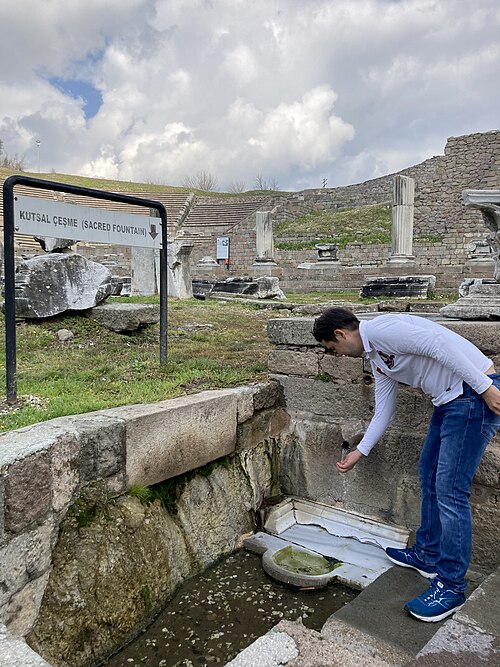
Asklepion
Asklepion is Pergamon’s ancient healing sanctuary, founded in the 4th century BC for Asklepios, the god associated with medicine. Its identity comes from the way a sacred precinct organised healing, movement and public experience together.
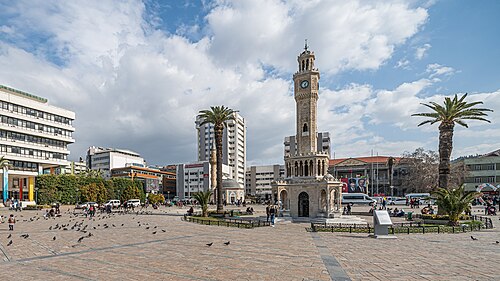
Konak Meydanı
Konak Square is İzmir’s civic waterfront heart, where the city centre opens towards the Gulf and the historic entrance to Kemeraltı. Its defining landmark is the İzmir Clock Tower, completed in 1901 and rising 25 metres above the square.
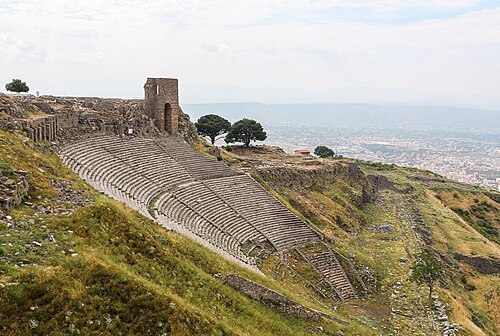
Tiyatro
Ancient Greek theatre of Pergamon is a Hellenistic hillside auditorium within the Bergama Acropolis archaeological site. Its seating descends directly along the Acropolis slope, making the terrain part of the theatre’s design rather than a backdrop.
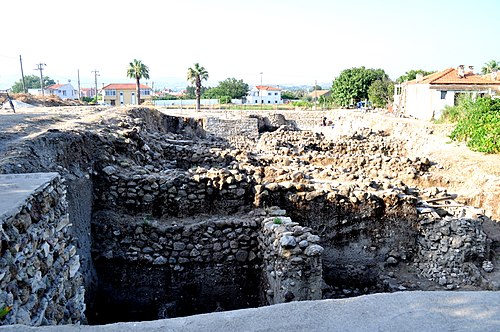
Limantepe is a coastal archaeological settlement in İskele Mahallesi, Urla, where research examines a long sequence of occupation rather than a single monument preserved for routine sightseeing.
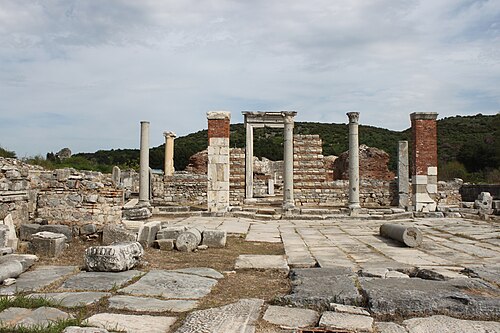
Meryem Kilisesi
Church of Mary is an early-fifth-century Christian basilica within the Ephesus Archaeological Site near Selçuk in İzmir.
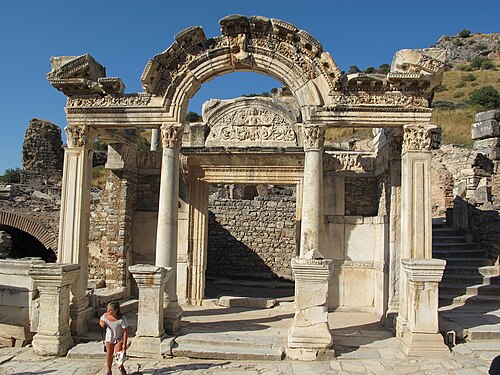
Hadrian Tapınağı
The Temple of Hadrian is a Roman Imperial monument on Curetes Street inside the Efes Archaeological Site at Selçuk in İzmir. Associated with Emperor Hadrian, it is recognised as one of Ephesus’s representative Roman Imperial buildings.
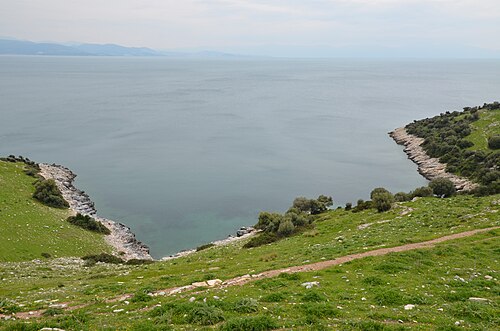
Notion is an ancient Greek city spread across two hills at Ahmetbeyli in Menderes, İzmir.
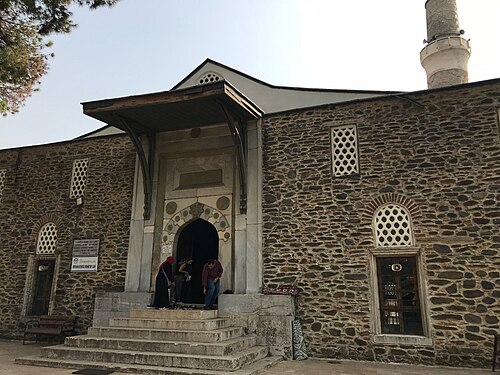
Aydınoğlu Mehmet Bey Camii
Birgi Grand Mosque, also known as Aydınoğlu Mehmet Bey Mosque, stands in Birgi in Ödemiş district of İzmir, beside the stream and within the town’s historic settlement.
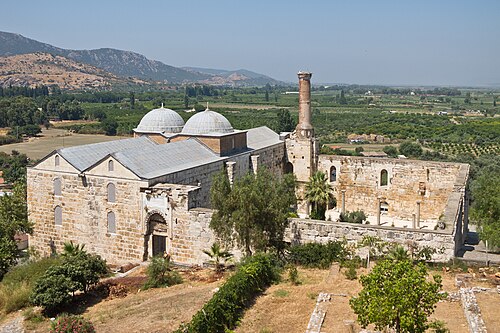
İsa Bey Camii
İsa Bey Mosque is a 14th-century Aydinid mosque on the south-western slope of Ayasuluk Hill in Selçuk, İzmir.

Odeon (Konser Salonu)
The Bouleuterion at Ephesus is a compact civic auditorium associated with the city council and also known as the Odeon.
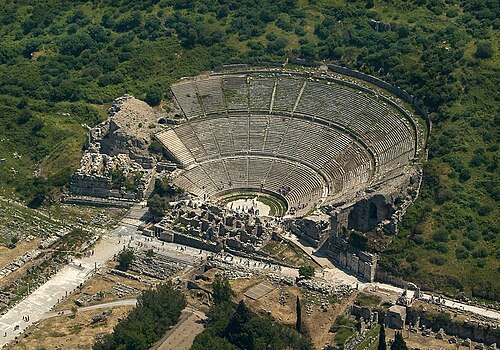
Tiyatro
The Great Theater of Ephesus is a vast ancient performance and civic building positioned where the city’s principal harbour route begins.
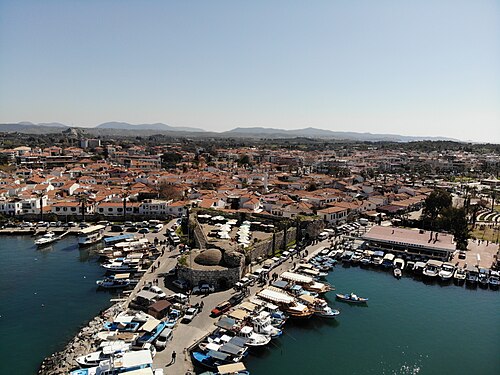
Sığacık Kalesi
Sığacık Castle is a living historic settlement in Sığacık Mahallesi, Seferihisar, İzmir.
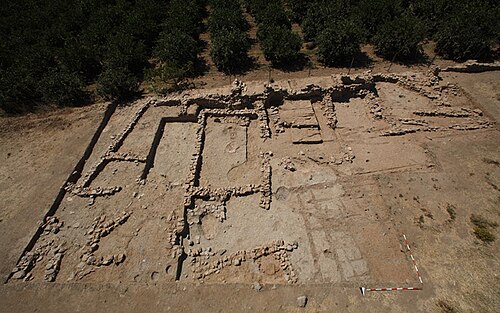
Çukuriçi Höyük
Çukuriçi Höyük is a prehistoric settlement mound in Selçuk, İzmir, southeast of ancient Ephesus and near the Aegean coast. Its importance lies in the archaeological sequence beneath and around the mound, not in standing monuments designed for modern visitors.
District boundaries come from OSM administrative relations, so a district page holds exactly the places inside it — plus, for the islands and the coast, the nearest district by proximity.
Use Konak as the central reference point. The Clock Tower, Konak Square, Yalı Mosque, government buildings and the entrance to Kemeraltı are concentrated here; the market continues inland and north-east, while the waterfront route runs towards Konak Pier, Alsancak and Kordon. The Gulf of İzmir divides the metropolitan area, with districts such as Karşıyaka on the northern shore and Balçova, Narlıdere and Güzelbahçe along the western shore. The province extends much farther than the centre. Selçuk and Ephesus lie south, Bergama lies north, and Çeşme and Urla lie west on the peninsula. Treat these outlying places as separate day-trip areas rather than neighbourhoods of the centre.
Checked 2026-09-02
İzmir’s integrated public-transport system combines İZBAN suburban rail, İzmir Metro, trams, ESHOT buses and İZDENİZ ferries, with İzmirim Kart used across the network. The Clock Tower, Konak, Kemeraltı and the central waterfront are easiest to experience as a walking circuit, with buses, rail and ferries extending the journey around the gulf. İZBAN is particularly useful for the airport and the southern corridor towards Selçuk; Ephesus itself is then reached from Selçuk using current local connections. Bergama, Çeşme, Urla and peninsula beaches require separate intercity or municipal transport planning. Check the relevant operator before travelling because routes and service frequencies can change.
Checked 2026-09-02
Begin at the İzmir Clock Tower in Konak, look across Konak Square towards the gulf, then walk through Kemeraltı and continue north along the waterfront towards Kordon. This route introduces İzmir’s principal historic, commercial and seaside settings in one connected visit.
İzmir is a practical base for a southern excursion to Selçuk and Ephesus. The Ministry of Culture and Tourism lists Ephesus as an archaeological site in Selçuk, İzmir Province. Check the current İZBAN and local transport information before travelling, and confirm the site’s current visitor information on the Ministry page.
Bergama is a substantial northern excursion centred on Pergamon. UNESCO describes the acropolis as the capital of the Hellenistic Attalid dynasty and part of a wider cultural landscape that includes the Asclepieion and later layers around modern Bergama. Plan it as a separate outing and verify current transport and site information before departure.
The main western options are Çeşme and Urla, together with the peninsula’s smaller coastal settlements and beaches. İzmir’s official destination material presents the province as a destination for Aegean coast, swimming and relaxation as well as history. Choose one coastal area for a day rather than trying to cover the entire peninsula.
Use İzmirim Kart with the city’s integrated buses, metro, suburban rail, trams and ferries. Walk between the central Konak sights, then use rail or sea transport for longer gulf-side journeys. For Bergama, Çeşme, Urla and beach areas, check the current intercity or municipal connection separately.
No official recommended stay length is recorded. Your duration depends on whether the plan covers only Konak, Kemeraltı and the gulf waterfront or adds separate excursions to Ephesus, Bergama, Çeşme or Urla. Those destinations are spread across the province, so each requires its own travel time and itinerary space.