


2 min walk · Akhisar
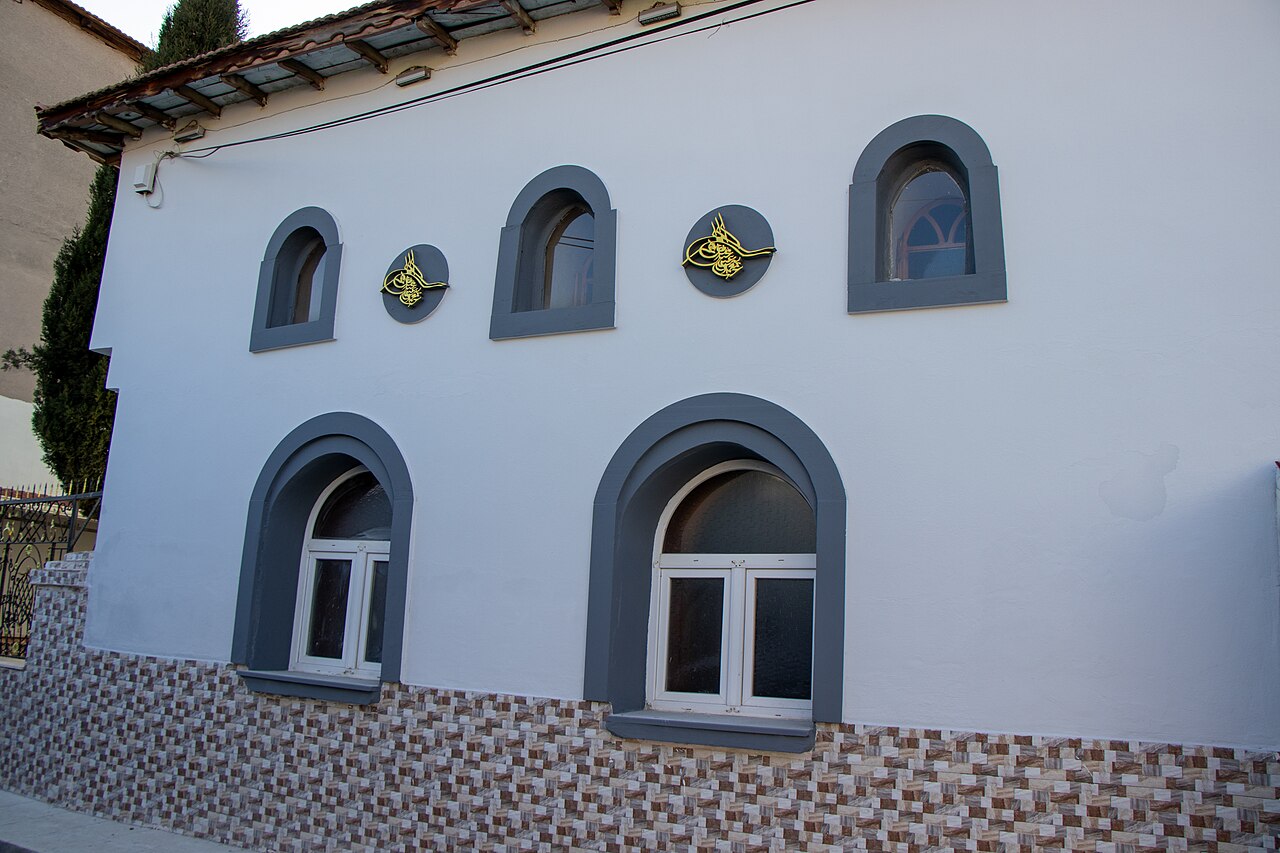
Köfünlü Camii
- Notable
- Place of worship
Language · 11 published
Historic monument · Akhisar, Manisa
Reviewed by Elena Voss · Roavina Travel Editor
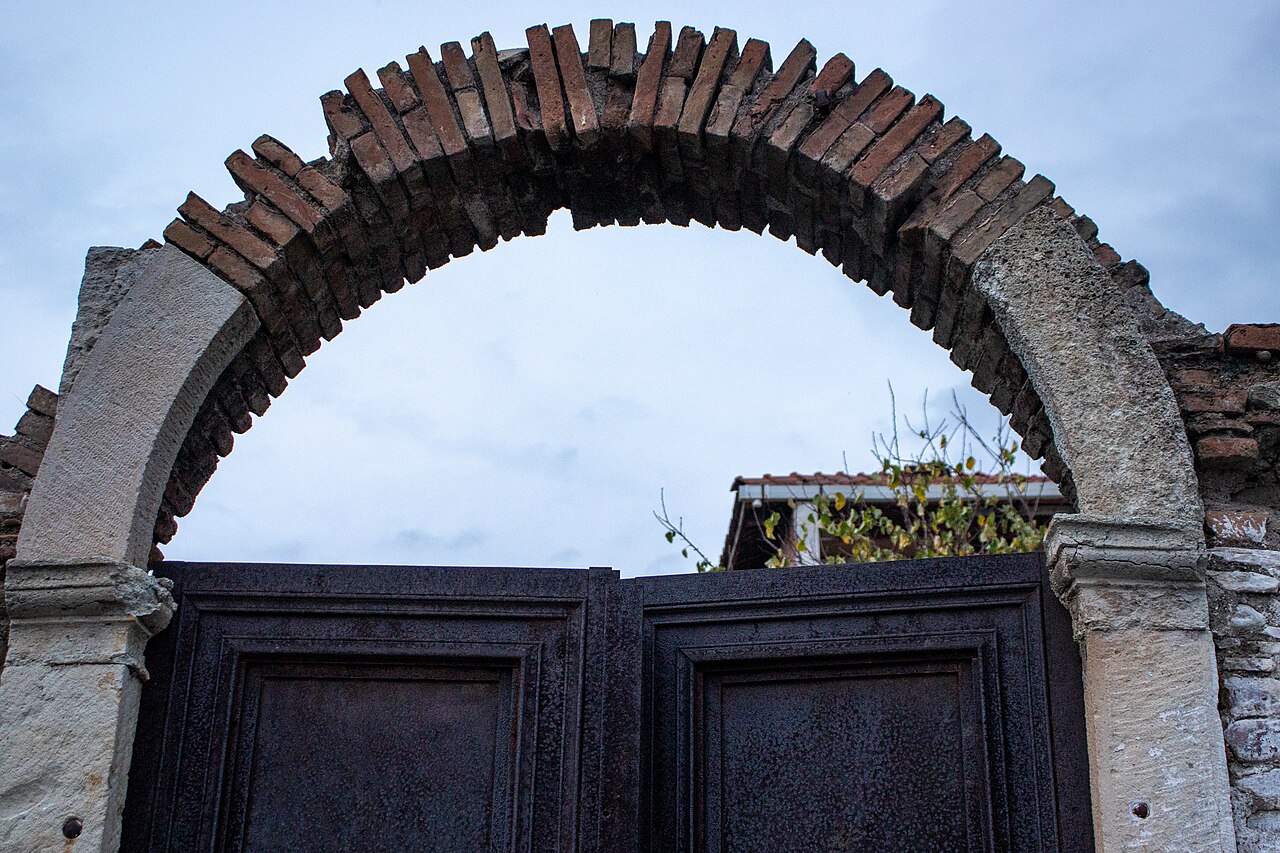
Akhisar Sinagogu is a surviving Jewish-heritage fragment in Paşa Mahallesi, Akhisar, rather than a complete synagogue preserved as a conventional attraction. Historical material identifies it with Akhisar’s former Jewish community, while the visible survival is chiefly the historic doorway. That distinction matters: the place is valuable as evidence of a community and its worship space, set within an ordinary historic neighbourhood where architectural memory survives in a small, easily overlooked remnant. Its meaning comes from the relationship between the surviving structure and Akhisar’s wider historical development, not from a modern visitor programme.
Checked 2026-09-02 · Source
The site does not offer a sequence of rooms, exhibition cases or a museum interpretation route. Its focus is the remaining historic fabric, especially the synagogue door recorded in Akhisar’s public history material. The remnant is significant precisely because so little survives: visitors encounter a physical trace of Jewish religious life rather than a furnished interior. Read the doorway alongside the surrounding street pattern and nearby historic buildings to understand the site as part of Akhisar’s layered urban past. The absence of a complete interior is itself part of the place’s story, showing how religious buildings can survive through a single architectural trace.
Checked 2026-09-02 · Source
A focused visit can take around 15 to 30 minutes, allowing time to locate the remnant, observe the surviving doorway and place it in the context of Paşa Mahallesi. This is an orientation estimate for looking at a historic fragment, not a timed museum itinerary. If you are already exploring central Akhisar, extend the walk to the nearby Köfünlü Camii, Paşa Camii and Sasa Bey Hamamı, whose locations help turn a brief stop into a broader heritage route. Allow extra time for finding the exact frontage, because the synagogue is integrated into the neighbourhood rather than arranged as a separate attraction with a forecourt.
Checked 2026-09-02 · Source
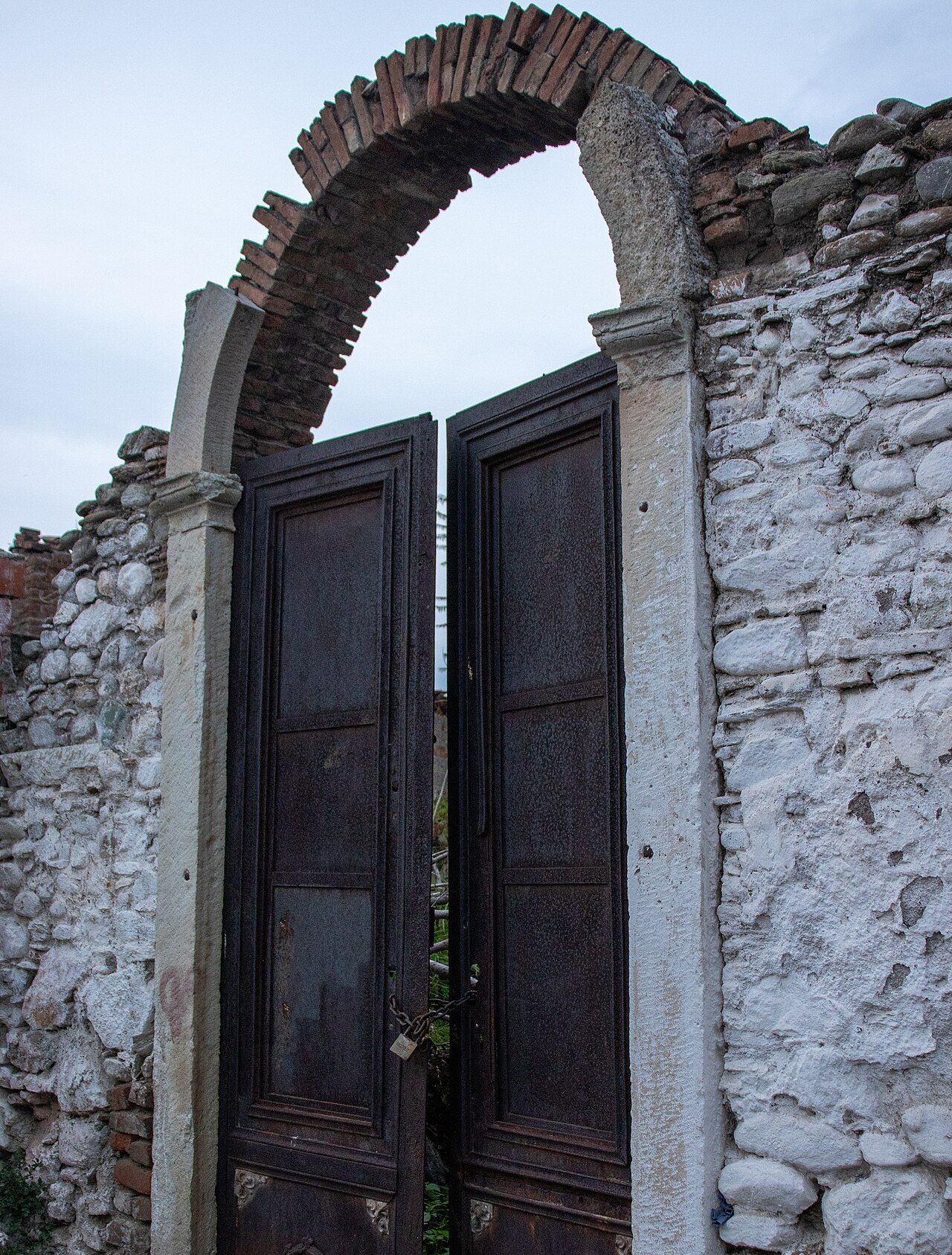
Akhisar Sinagogu is best approached as a daylight heritage stop, when the doorway and its relationship with the surrounding streets are easier to recognise. The site’s character is informal and fragmentary, so the quality of the visit depends on being able to observe the surviving evidence without disturbing the neighbourhood. A quieter period of the day can make it easier to pause respectfully, read the street context and appreciate why this small remnant matters within Akhisar’s history. Daylight also helps visitors distinguish the historic element from later urban surroundings, which are important to understanding the site but can make the remnant easy to miss.
Checked 2026-09-02 · Source
Plan this as a heritage-remnant visit centred on observation from the public approach, rather than as a conventional museum admission experience. The surviving doorway is the principal point of interest, and the value of the stop comes from recognising the historic trace in its neighbourhood setting. Do not treat the absence of a visible reception desk or exhibition as a missing part of the experience: Akhisar Sinagogu is important because it preserves a fragment of local Jewish history, not because it provides a packaged visitor circuit. The visit is therefore best understood as an encounter with place, memory and surviving architecture.
Checked 2026-09-02 · Source
The remnant is in Paşa Mahallesi, Akhisar, at approximately 38.92311, 27.83927. Intercity travellers can arrive at Akhisar Otogarı, then continue towards the town centre by local public transport or taxi. For the final approach, use Köfünlü Camii, Paşa Camii and Sasa Bey Hamamı as street references and continue on foot through the historic centre. These landmarks are useful because the synagogue is embedded in an urban neighbourhood, not presented as a separate museum campus or destination complex. A map pin can help with orientation, while the named landmarks provide practical context for the final walk through central Akhisar.
Checked 2026-09-02 · Source
Treat Akhisar Sinagogu as a fragile historic remnant in a lived-in neighbourhood. Keep to legitimate public approaches, leave private property undisturbed and avoid climbing, leaning on or touching vulnerable fabric. The most respectful visit is observant rather than intrusive: pause at the doorway, notice the surrounding urban grain and allow residents to pass freely. Because the attraction is concentrated in a single surviving element, expectations should be set around historical interpretation and careful looking, not around facilities or a developed visitor infrastructure. Visitors should also remember that the site represents a former religious community, so quiet conduct and sensitivity are especially appropriate.
Checked 2026-09-02 · Source
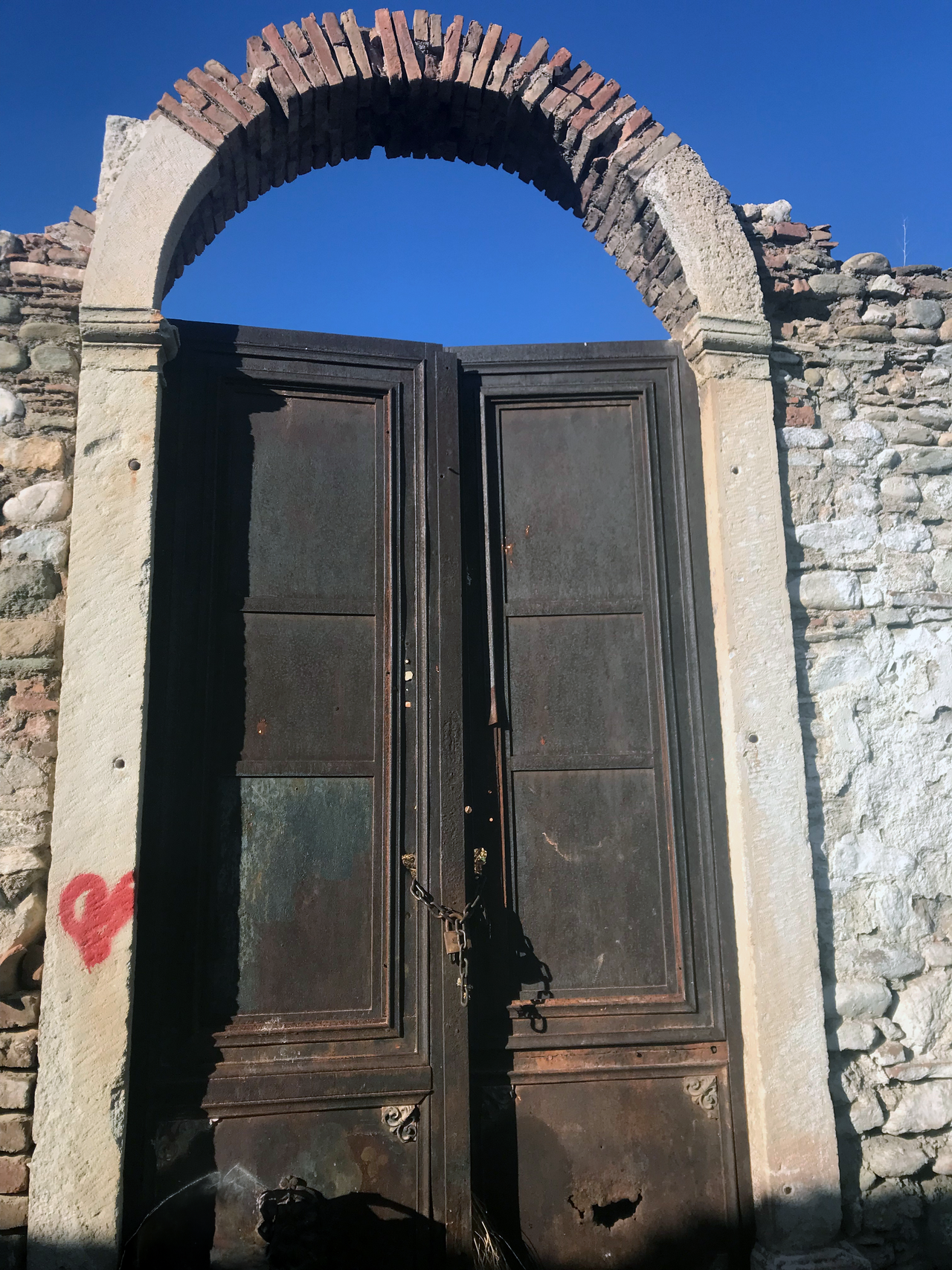
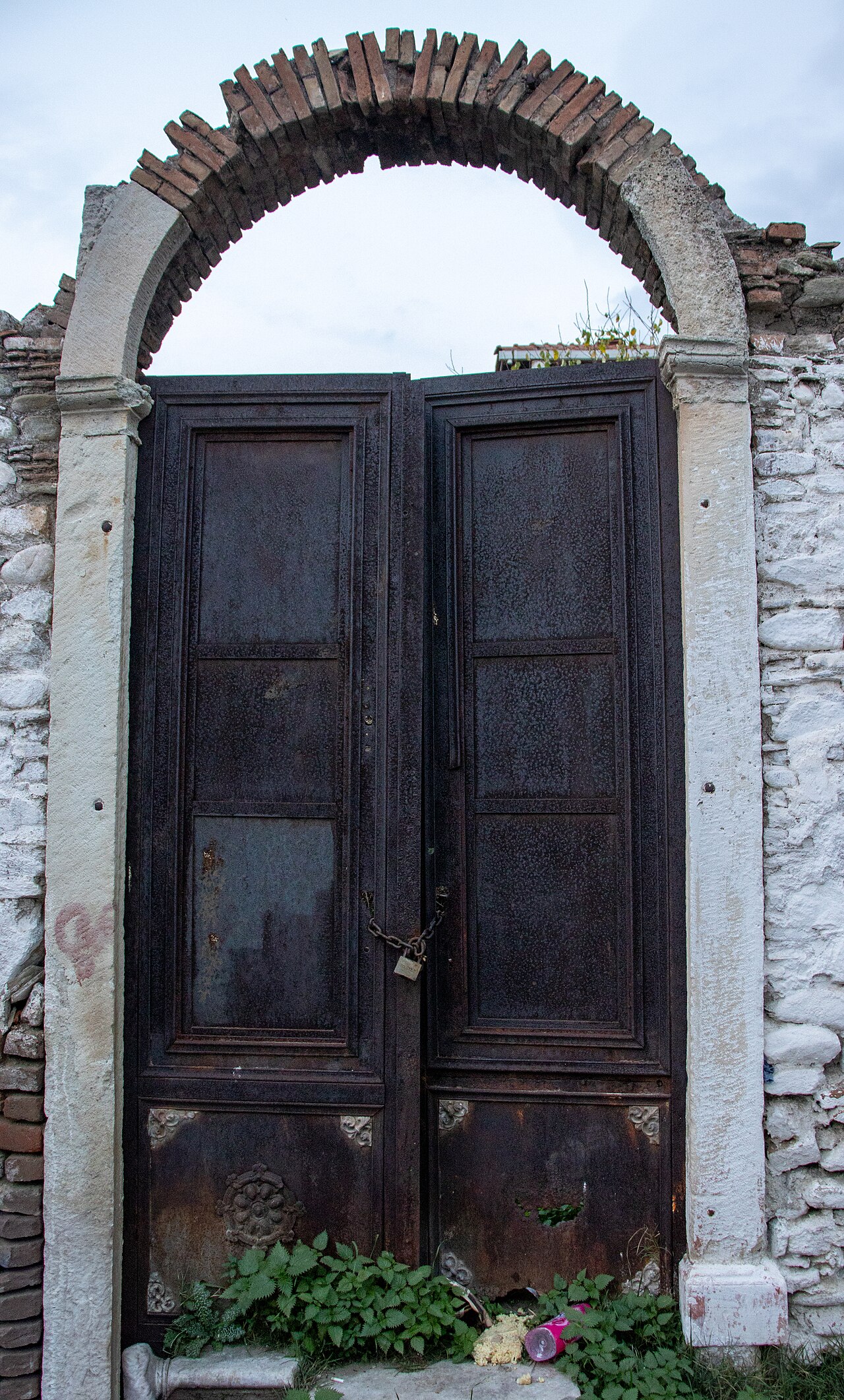
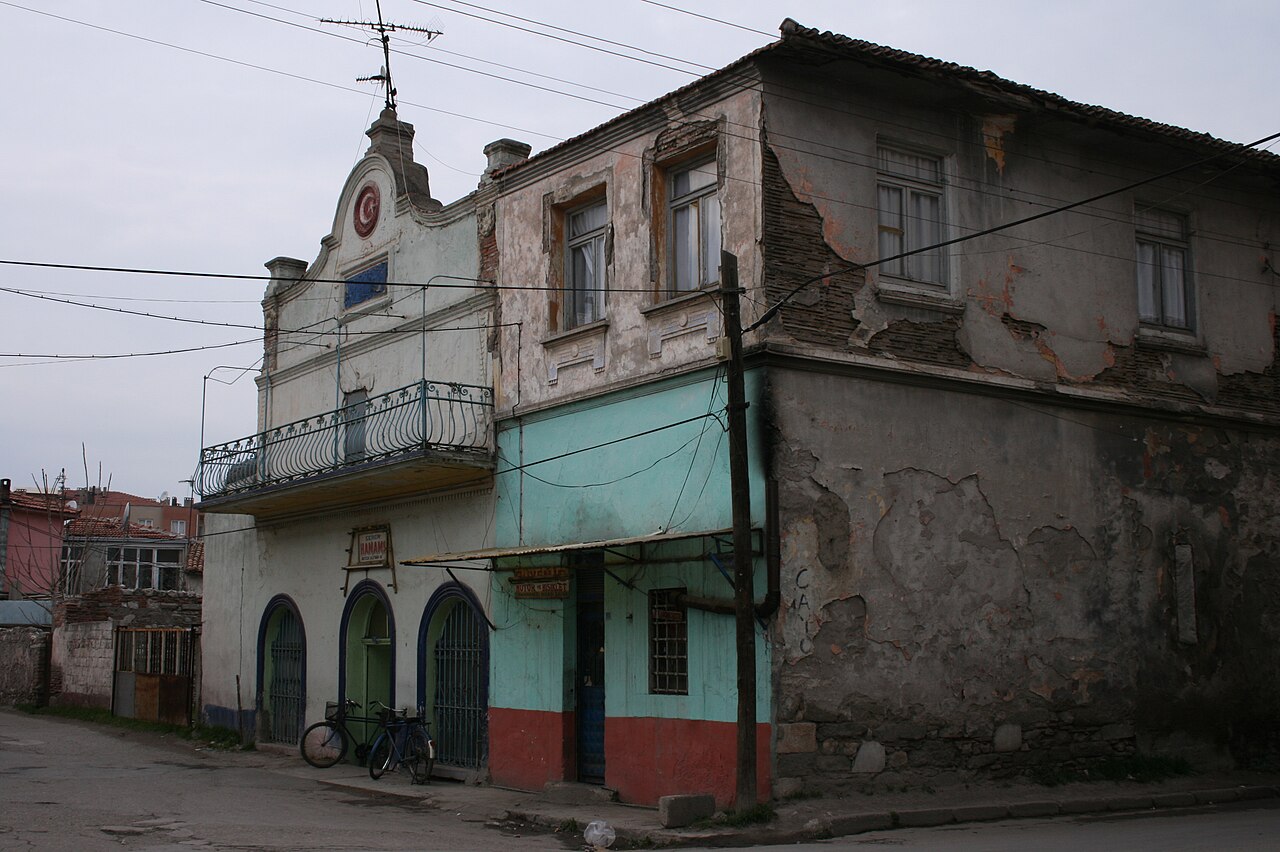
The surviving doorway is the natural photographic subject, especially when framed with enough of Paşa Mahallesi to show that this Jewish heritage site remains within Akhisar’s historic urban fabric. Daylight can reveal the doorway’s shape and material more clearly. Photograph from a legitimate public position, keep the passage clear and avoid entering restricted areas or directing attention into private spaces. A useful image should document the relationship between remnant and neighbourhood, not turn a place of memory into a backdrop for intrusive behaviour. Wider contextual photographs can be more informative than close details alone because they show how little of the former synagogue remains visible today.
Checked 2026-09-02 · Source
Akhisar Sinagogu is in Paşa Mahallesi, within Akhisar’s historic urban area.
It survives as a synagogue remnant; the public history record identifies the historic doorway as the principal surviving element.
It was a place of worship associated with Akhisar’s Jewish community.
The Wikimedia Commons record gives the building’s start date as 1894.
Köfünlü Camii is about 140 metres north, Paşa Camii about 200 metres east, and Sasa Bey Hamamı about 180 metres north.
Reach Akhisar Otogarı by intercity bus, continue towards the centre by local transport or taxi, then walk through Paşa Mahallesi using the nearby landmarks as references.
Loading the interactive map…
The interactive map could not be loaded.
Last updated:
Source: OpenStreetMap contributors ·