114 min walk · Akhisar
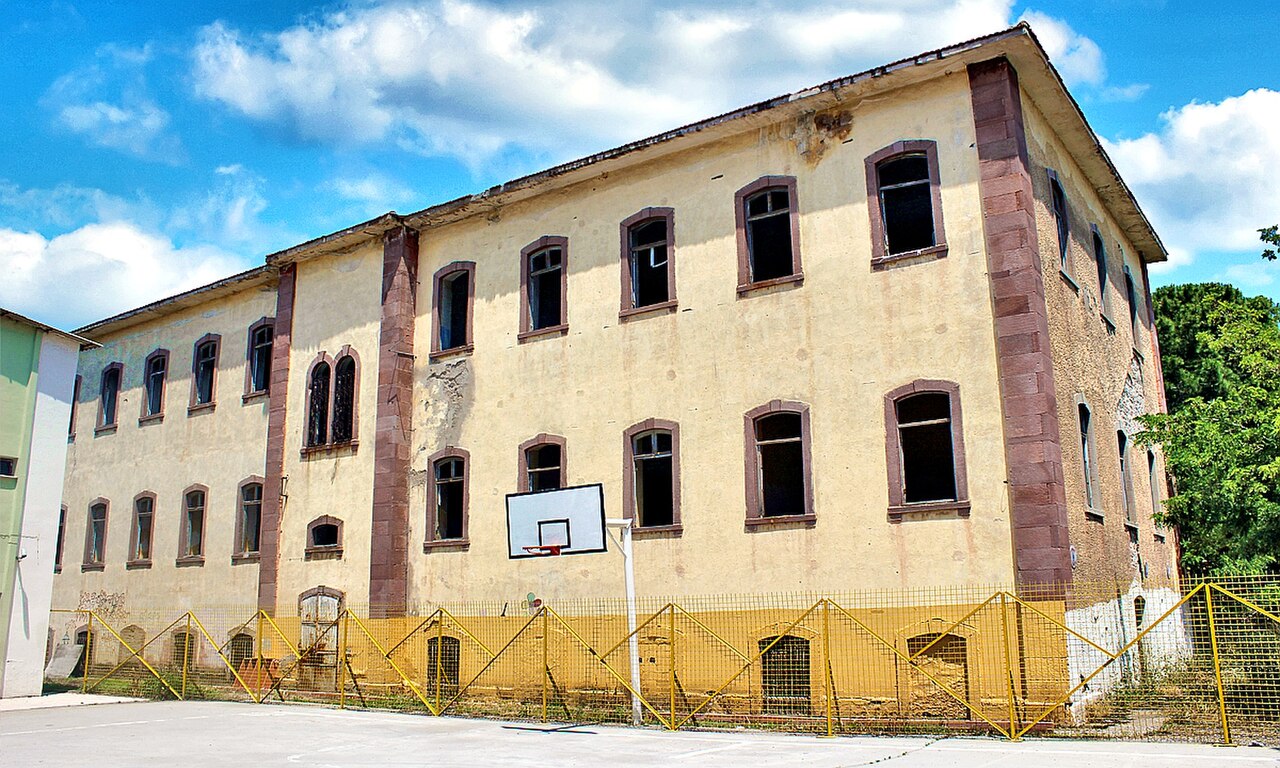
Or Yehuda Agriculture School
- Must see
- Historic monument
Language · 11 published
Historic monument · Akhisar, Manisa
Reviewed by Elena Voss · Roavina Travel Editor
This place is a Archaeological site.
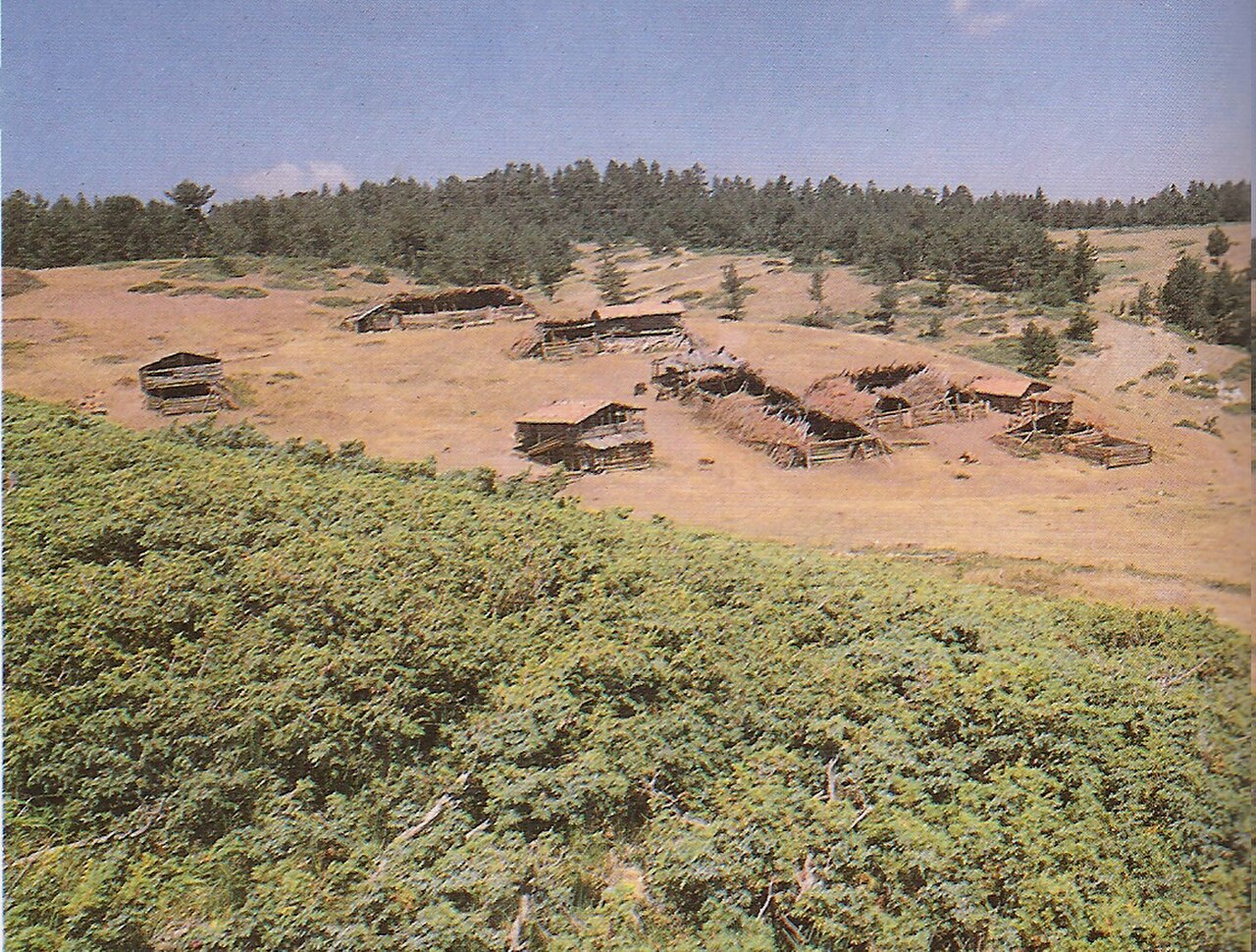
Apollonis is an ancient settlement in Manisa Province’s Akhisar district, identified with the rural remains around Konurca Kalesi. The site is reached from the vicinity of Mecidiye/Palamut village, with the archaeological area lying approximately 2 kilometres north of the village. Its importance is historical rather than architectural in the modern visitor sense: the surviving traces are encountered within an open, cultivated landscape, where the setting helps explain how an ancient city related to its surrounding land. Founded during the reign of Eumenes II, Apollonis is especially valuable for travellers who enjoy locating lesser-known settlements and reading history through terrain rather than through a polished museum display. Apollonis is in Akhisar district of Manisa Province, about 2 kilometres north of Mecidiye/Palamut village, in the Konurca Kalesi area.
Checked 2026-09-02 · Source
Expect an archaeological landscape with scattered and surviving traces, not furnished galleries, reconstructed rooms or a conventional museum route. The settlement was founded between 197 and 159 BC, in the reign of Eumenes II, and took its name from Apollonis of Cyzicus, the wife of Pergamon’s King Attalus I and mother of Eumenes II and Attalus II. Epigraphic and numismatic evidence identifies Macedonian colonists as an important element among the founding population. The fertile surrounding land supported a significant agricultural economy, so the countryside is part of the historical subject, not merely a backdrop. Ancient references also connect Apollonis with the Aristonicus Revolt and the First Mithridatic War, giving the otherwise quiet site a wider political history.
Checked 2026-09-02 · Source
Plan roughly 45 to 75 minutes for a focused visit, including careful walking across the archaeological area, identifying visible traces and taking photographs. Allow longer if you are interested in settlement patterns, want to compare the remains with historical material, or intend to explore the relationship between the ruins, the slope and the cultivated land. This is an open rural site rather than a programmed attraction with a fixed sequence of rooms, so the time required depends on how much ground you can comfortably cover and how closely you examine the remains. A short stop can establish the location; a slower visit rewards attention to contours and context.
Checked 2026-09-02 · Source
No regular visiting hours or ticket-office schedule has been published for Apollonis. The Manisa Museum Directorate’s listed affiliated units do not include the site, so it should be planned as an unscheduled archaeological area rather than as a timed museum visit. Daylight is the practical choice for an outdoor ruin landscape, both for seeing low or scattered remains and for moving safely across the terrain. In hot weather, cooler daylight periods are more comfortable; after rain, the slope may be harder to cross.
Checked 2026-09-02 · Source
Plan accordingly: this is not a visit for which a published tariff can be quoted or a staffed ticket counter can be assumed. Costs such as fuel or a hired vehicle would relate to reaching the rural area, not to a recorded admission charge. The absence of a documented price is itself the useful practical fact here. Treat any journey budget separately from site admission, and do not rely on museum-style expectations such as timed entry, printed tickets or a guaranteed reception.
Checked 2026-09-02 · Source
From Akhisar district centre, follow the direction of Mecidiye/Palamut village. The Apollonis remains are described as being approximately 2 kilometres north of the village, in the Konurca Kalesi area. Once near the site, expect to orient yourself in an open landscape and to walk over uneven, sloping ground rather than along a developed visitor route.
Checked 2026-09-02 · Source
The main practical challenge is the setting. Wear sturdy footwear and choose stable ground where possible. Do not climb remains, move stones or treat the archaeological fabric as a surface for sitting or scrambling. Bring water, sun protection and a charged phone for an outdoor stop. After wet weather, muddy or slippery surfaces may make the area unsuitable for anyone who needs firm, level access. Leave the site and surrounding fields undisturbed.
Checked 2026-09-02 · Source
Treat photography at Apollonis as documentation of an archaeological landscape. Use daylight to reveal low or scattered traces and to show how the Konurca Kalesi setting, slope and cultivated countryside frame the remains. Keep your camera work from disturbing the ground: do not climb unstable features, shift stones or enter areas that appear unsafe for a better angle. Wide views communicate the site’s rural character, while closer details can record masonry, contours and the settlement’s relationship with its wider setting.
Checked 2026-09-02 · Source
Apollonis is in Akhisar district of Manisa Province, about 2 kilometres north of Mecidiye/Palamut village, in the Konurca Kalesi area.
The city was founded during the reign of Eumenes II, between 197 and 159 BC.
It was named after Apollonis of Cyzicus, the wife of Pergamon’s King Attalus I and the mother of Eumenes II and Attalus II.
Epigraphic and numismatic evidence indicates that Macedonian colonists were an important element in the city’s founding population.
Apollonis is mentioned in sources connected with the Aristonicus Revolt and the First Mithridatic War.
Its fertile lands led scholars to assess Apollonis as an important centre of agricultural production.
Loading the interactive map…
The interactive map could not be loaded.
Last updated:
Source: OpenStreetMap contributors ·