25 min walk · Gölmarmara
Merkez Park
- Notable
- Nature site
Language · 11 published
Historic monument · Gölmarmara, Manisa
Editorial responsibility: Elena Voss · Roavina Travel Editor
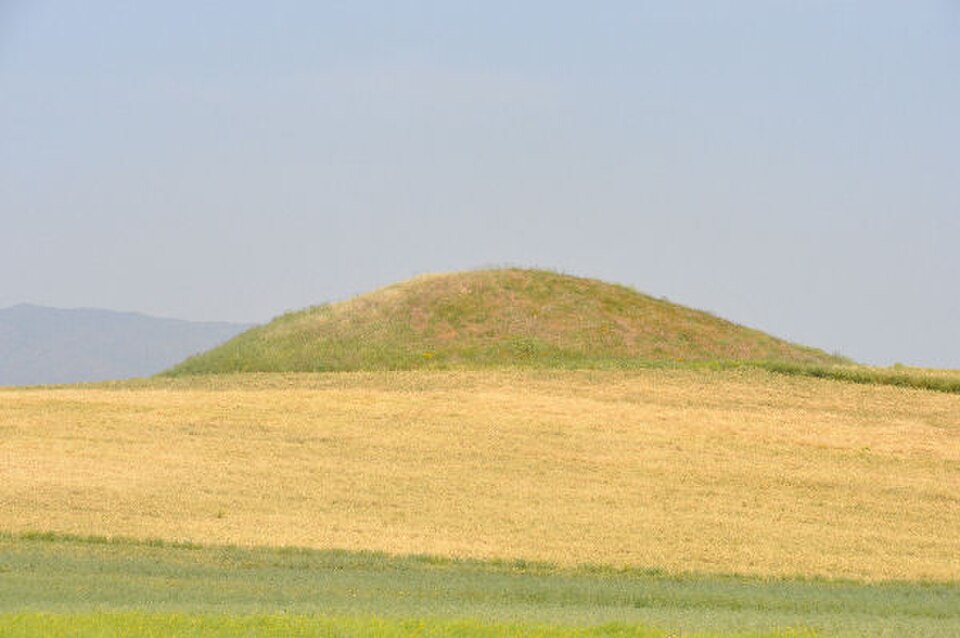
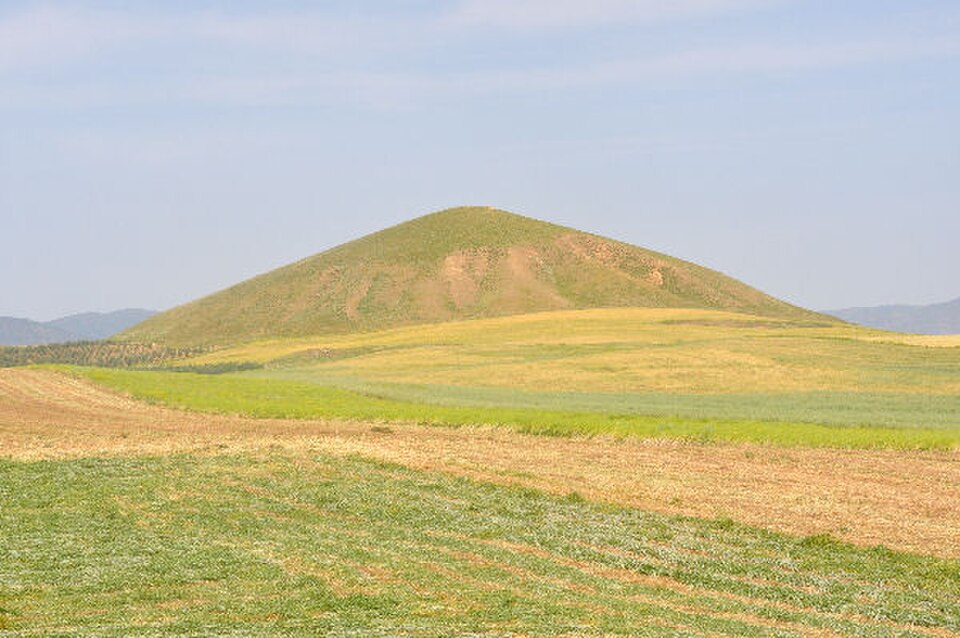
Former USAF Jupiter IRBM is an outdoor Cold War historical site in rural Manisa province. It is associated with a United States Air Force Jupiter intermediate-range ballistic-missile launch position in the Kemiklidere area on the Manisa–Akhisar route. Visit to connect the countryside with the Jupiter deployment in Turkey and with the SM-78, also known as the PGM-19A Jupiter. The Former USAF Jupiter IRBM is an outdoor historic site associated with a Cold War missile launch position in rural Manisa province. The remains are linked to the United States Air Force Jupiter intermediate-range ballistic-missile deployment in Turkey. This is a landscape-based historical point rather than a museum, exhibition hall or restored launch complex. Its significance lies in its connection with nuclear strategy, Turkish defence geography and the infrastructure supporting the SM-78, also known as the PGM-19A Jupiter. The site is identified in OpenStreetMap as node/2515148683 and is associated with the Kemiklidere area on the Manisa–Akhisar route. It was one of five Turkish launch-position sites used for the United States Air Force Jupiter intermediate-range ballistic-missile deployment.
Checked 2026-09-02 · Source
The experience is outdoors in rural terrain. There is no visitor centre or curated interior collection described for the location. Look across the ground and countryside for remains associated with the former launch position, then place what you see within the history of Cold War military infrastructure in Turkey. Expect a landscape trace rather than a complete installation prepared for tourism. There is no curated interior collection or visitor centre described for this location. The experience is an outdoor setting and historic remains in rural terrain, where the value comes from understanding the former military use of the ground and reading the landscape rather than following a museum display. Visitors should expect an austere historical trace, not a complete Cold War installation. The surrounding countryside is part of the experience, but conditions underfoot may be uneven.
Checked 2026-09-02 · Source
Allow roughly 30 to 60 minutes at the site, then add time for the approach, safe roadside stopping and walking across rural ground. The visit length depends on how clearly you can identify the remains and how long you spend understanding their Cold War context. Keep enough daylight and time for the return to your vehicle. Allow roughly 30 to 60 minutes for a careful stop, depending on how clearly you can identify the remains and how much time you want to spend placing the site in its historical context. Add time for the approach, finding a safe place to stop and walking across rural ground. Your visit length will depend more on daylight, weather and access conditions than on an internal schedule.
Checked 2026-09-02 · Source
Visit during daylight, when low remains, ground patterns and the surrounding countryside are easier to read. Spring and autumn can suit an unshaded outdoor stop, while summer is more comfortable in cooler hours. Rain can leave rural ground muddy or slippery. Plan around visibility and safe movement, since this is an exposed historical landscape rather than a scheduled attraction.
Checked 2026-09-02 · Source
Plan for a self-directed visit to the former launch-position landscape. The place has no ticket office, scheduled admission arrangement or operator-issued entry price in the supplied description. Do not enter fenced, cultivated or privately controlled ground. Stay on lawful approaches, respect local land use and leave stones, metal and other remains where they are.
Checked 2026-09-02 · Source
Head towards Kemiklidere on the Manisa–Akhisar route. Private road transport is practical for this rural location. Stop only where it is safe and lawful, away from traffic and farm access. The final approach may follow a rural track rather than a formal entrance. Wear suitable shoes, keep daylight for the walk and stay alert to unclear tracks and land boundaries.
Checked 2026-09-02 · Source
Expect uneven ground, vegetation, mud, heat and concealed obstacles. No step-free route, paved platform or visitor facility is described. Keep away from roads, farm tracks and restricted areas, and never climb unstable remains or enter old military structures. There is no described staffed presence, toilet or drinking-water point, so prepare for an independent outdoor stop and leave the landscape undisturbed.
Checked 2026-09-02 · Source
Use daylight to photograph the site as a historical landscape. A wide frame can show the relationship between remains and countryside, while closer images can record low traces without crossing barriers or climbing structures. Respect agricultural activity, private land and other people. Avoid disturbing vegetation or debris, and do not share approach details in a way that could encourage trespass or damage.
Checked 2026-09-02 · Source
It was one of five Turkish launch-position sites used for the United States Air Force Jupiter deployment.
It was identified with the Kemiklidere area on the Manisa–Akhisar route.
The Jupiter missiles became operational in Turkey in 1962.
One Turkish squadron comprised 15 Jupiter missiles distributed across five launch positions.
The weapon was designated SM-78, also known as PGM-19A Jupiter.
The United States removed the Jupiter missiles from Turkey by July 1963.
Loading the interactive map…
The interactive map could not be loaded.
Last updated:
Source: OpenStreetMap contributors ·