


7 min walk · Alaşehir
Basilica of St John
- Must see
- Historic monument
Language · 11 published
Historic monument · Alaşehir, Manisa
Reviewed by Elena Voss · Roavina Travel Editor
This place is a Archaeological site.
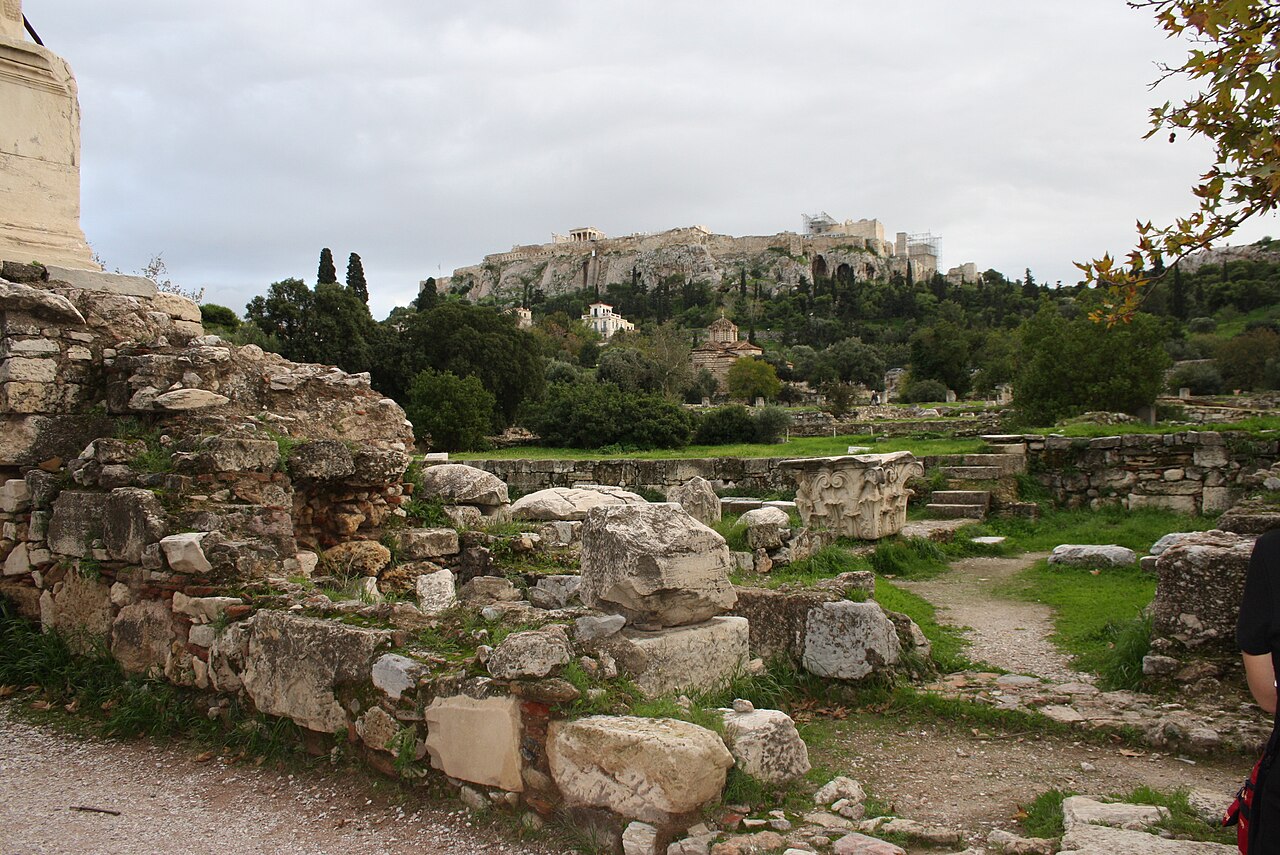
Odeon is a compact ancient performance building within Aigai, near Yuntdağıköseler Mahallesi in Yunusemre, Manisa. Its importance comes from being a distinct cultural space inside a hilltop settlement, not from functioning as a modern theatre. Aigai spreads across a volcanic ridge with stone-paved paths, civic remains and terraces, so the Odeon is best understood in relation to the ancient city around it. Visit it as one part of a larger archaeological landscape. Its smaller scale adds a more intimate architectural detail to an elevated rural outing otherwise dominated by ruins, paths and broad views across the countryside.
Checked 2026-09-02 · Source
The Odeon offers an archaeological reading rather than a theatrical programme. Look for surviving masonry, the outline of the compact performance space and its position among Aigai’s other remains. Its intimate scale distinguishes it from larger civic or open public structures elsewhere in the settlement. Stone-paved routes, sloping ground and the volcanic ridge are part of the view, making the surrounding ruins essential to understanding this building. Notice how a small performance setting adds cultural detail to a visit otherwise shaped by terraces, paths and distant landscape. The attraction lies in connecting the visible stonework with the wider plan of Aigai.
Checked 2026-09-02 · Source

Plan time for the Odeon together with the surrounding Aigai walk rather than treating it as an isolated roadside stop. Allow enough time to reach the building over sloping, uneven ground, pause at the remains, understand its position and continue through the settlement. The overall outing depends on the rural journey from Manisa, your walking pace and how many other ruins you explore. Leave room for orientation after arrival because the Odeon is encountered within the wider archaeological site, not at a separate city entrance. Visitors who want to compare the compact performance space with Aigai’s larger remains should allow the longer part of their day.
Checked 2026-09-02 · Source
Choose conditions that suit an exposed archaeological walk. Aigai stands on a volcanic hill, so daylight, weather and ground conditions affect comfort and movement between its remains. Morning or later-afternoon visits may be more comfortable than the hottest part of the day, while clear weather helps show the relationship between the Odeon, the ridge and the surrounding countryside. Give yourself flexibility for both the rural approach and the on-site route. Seasonal light can change how masonry and terraces read, while wet or loose ground can slow the walk. A comfortable day supports careful observation of the Odeon and the wider ancient settlement.
Checked 2026-09-02 · Source

Treat the Odeon as one feature within the Aigai archaeological destination rather than as a separately priced modern attraction. The building is part of the hilltop settlement, and the visit combines its masonry with stone-paved paths, terraces and other ruins. Plan for the rural journey and the archaeological walk as one outing. The practical focus is reaching and exploring Aigai responsibly, with enough time for the terrain and the surviving structures. Do not climb on the remains or handle fragile stonework while examining the compact performance space.
Checked 2026-09-02 · Source

The Odeon is within Aigai near Yuntdağıköseler Mahallesi in Yunusemre, approximately 49 kilometres from Manisa city centre. From the İzmir–Çanakkale highway, follow the Bergama–Şakran–Köseler Village route towards the ancient settlement. Prepare navigation before leaving the main road and allow for a rural final approach. Once at Aigai, continue on foot across stone-paved paths and sloping ground to locate the Odeon among the wider remains. The journey and the on-site walk form one continuous archaeological excursion from Manisa. Allow extra orientation time because the Odeon is part of the settlement rather than a separate roadside building.
Checked 2026-09-02 · Source
Expect uneven and sloping volcanic terrain around the Odeon because it stands inside Aigai’s hilltop settlement. Wear stable footwear and allow time to walk between separate remains. Loose stones, exposed ground and changing weather can affect comfort, so keep your route flexible. Protect the archaeological fabric by using suitable paths, avoiding fragile masonry and refraining from climbing on the structure. The elevated terrain means that the physical setting is part of the visit. Move slowly around the compact performance space, leave stonework undisturbed and give yourself enough daylight for the return walk across the settlement.
Checked 2026-09-02 · Source
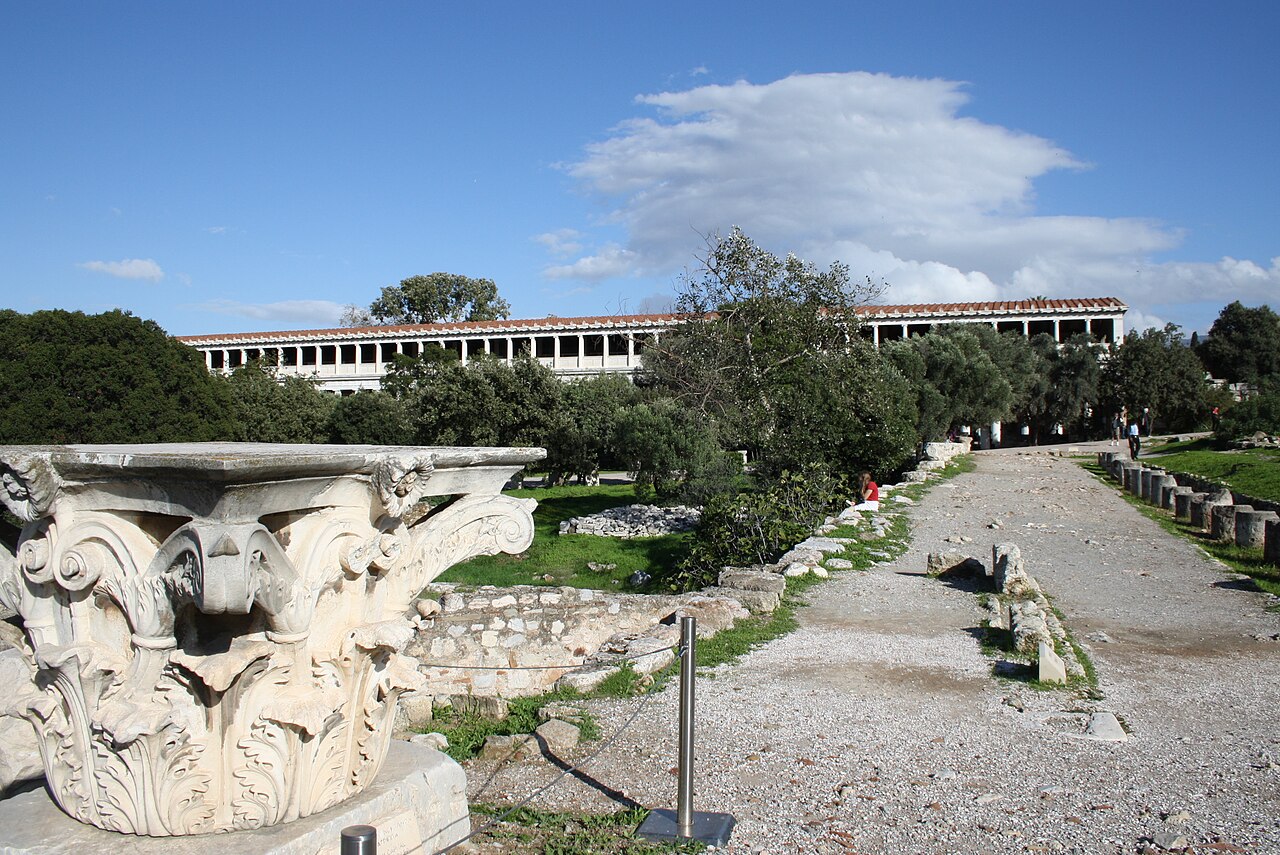
Photograph the Odeon as a specific architectural trace within Aigai rather than as a complete theatre interior. A wider frame can place its surviving stonework against the volcanic ridge, stone-paved routes and open countryside; a closer view can focus on masonry and the outline of the performance space. The elevated setting gives landscape context unusual importance. Work from stable ground, keep clear of fragile remains and let the contrast between this compact building and the wider ancient settlement shape the composition. Images that include adjacent ruins or the approach can explain why the Odeon belongs to a much larger archaeological story. Use the paths and leave the structure untouched.
Checked 2026-09-02 · Source
The Odeon is within Aigai Ancient City near Yuntdağıköseler Mahallesi in Yunusemre, Manisa.
An odeon is a building type associated with small-scale music and performance events, and the compact structure at Aigai fits that architectural role.
The Odeon lies within Aigai on a volcanic hill about 360 metres above sea level, with sloping ground and stone-paved paths.
Aigai, which contains the Odeon, is approximately 49 kilometres from Manisa city centre.
Leave the İzmir–Çanakkale highway and follow the Bergama–Şakran–Köseler Village route towards Aigai near Yuntdağıköseler Mahallesi, followed by an on-site walk.
Explore the Odeon together with Aigai’s stone-paved paths, civic remains, terraces, volcanic ridge and other archaeological traces.
Loading the interactive map…
The interactive map could not be loaded.
Last updated:
Source: OpenStreetMap contributors ·