
.jpg)
_-_panoramio_(1).jpg)
07
45 min
Nakheel Mall
مول نخلة جميرا
Nakheel Mall is a shopping and leisure destination located on Palm Jumeirah, Dubai's iconic artificial island. Its local name is مول نخلة جميرا.
- High
- Market
- Dubai
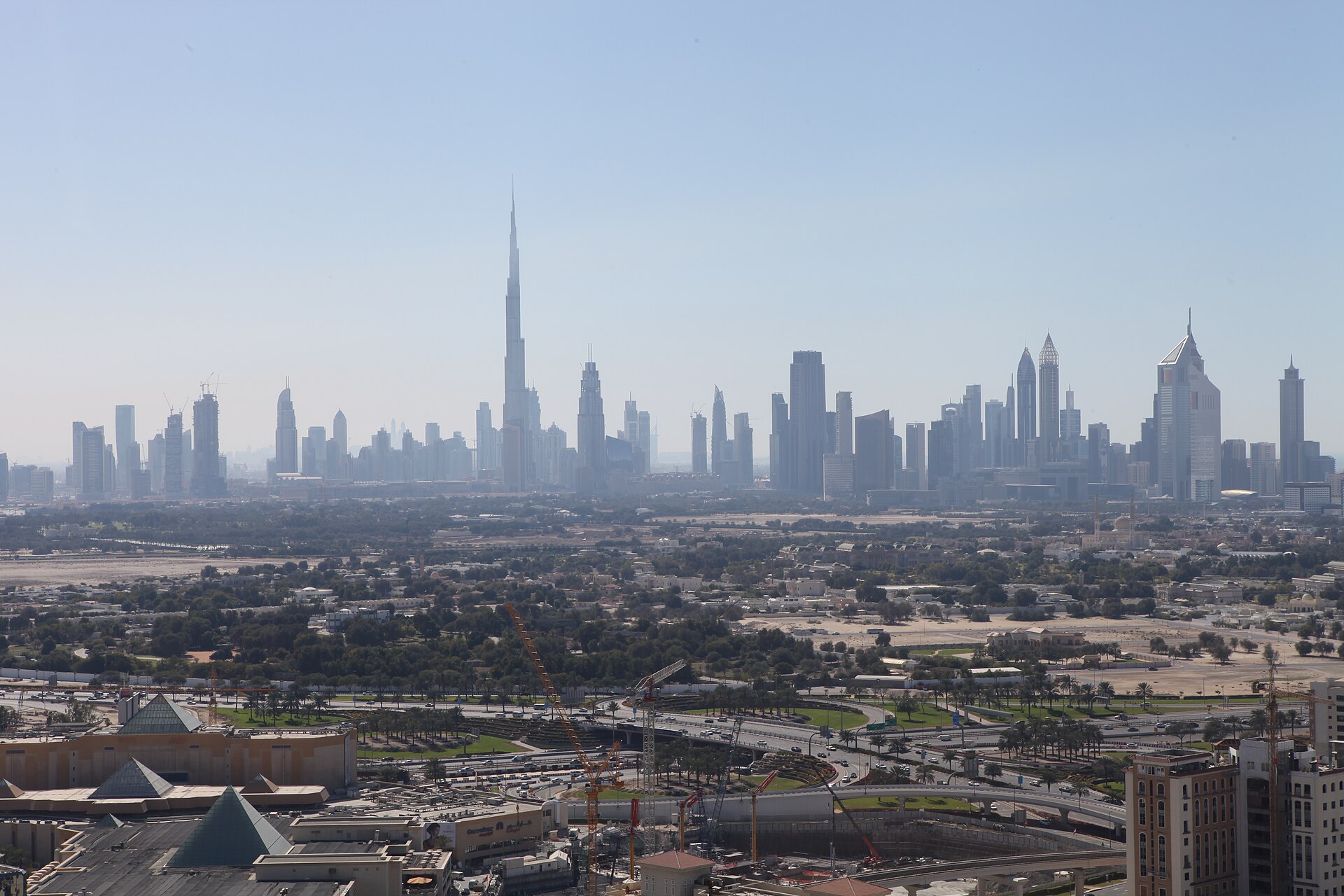
Country guide
The United Arab Emirates has been one country since 2 December 1971, when seven emirates — Abu Dhabi, Dubai, Sharjah, Ajman, Umm Al Quwain, Fujairah and Ras Al...
Photograph · Tonenight · CC BY-SA 4.0
Reviewed by Elena Voss · Roavina Travel Editor
The United Arab Emirates has been one country since 2 December 1971, when seven emirates — Abu Dhabi, Dubai, Sharjah, Ajman, Umm Al Quwain, Fujairah and Ras Al Khaimah — federated. It covers 83,600 km² and held 11,027,129 people in 2024, of whom about 11 per cent are Emirati citizens; the rest came to work, and that shapes the food, the languages and the shape of a week more than any monument does. Abu Dhabi is the capital and Dubai the largest city, close enough to treat as one base. The northern emirates beyond them are quieter and far less built.
Checked 2026-08-25
Every city catalogued in this country so far, ranked by how much there is to see.
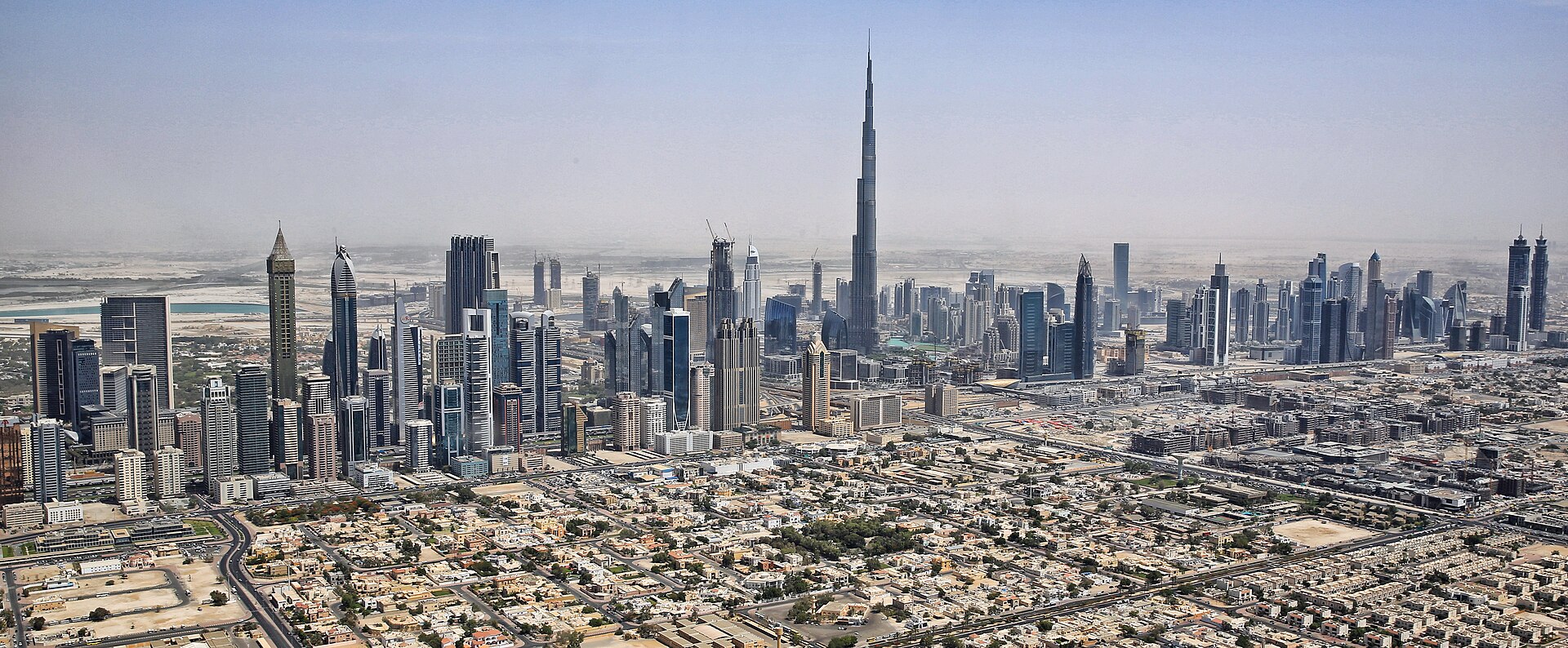
Photograph · Tim Reckmann from Hamm, Deutschland · CC BY-SA 3.0
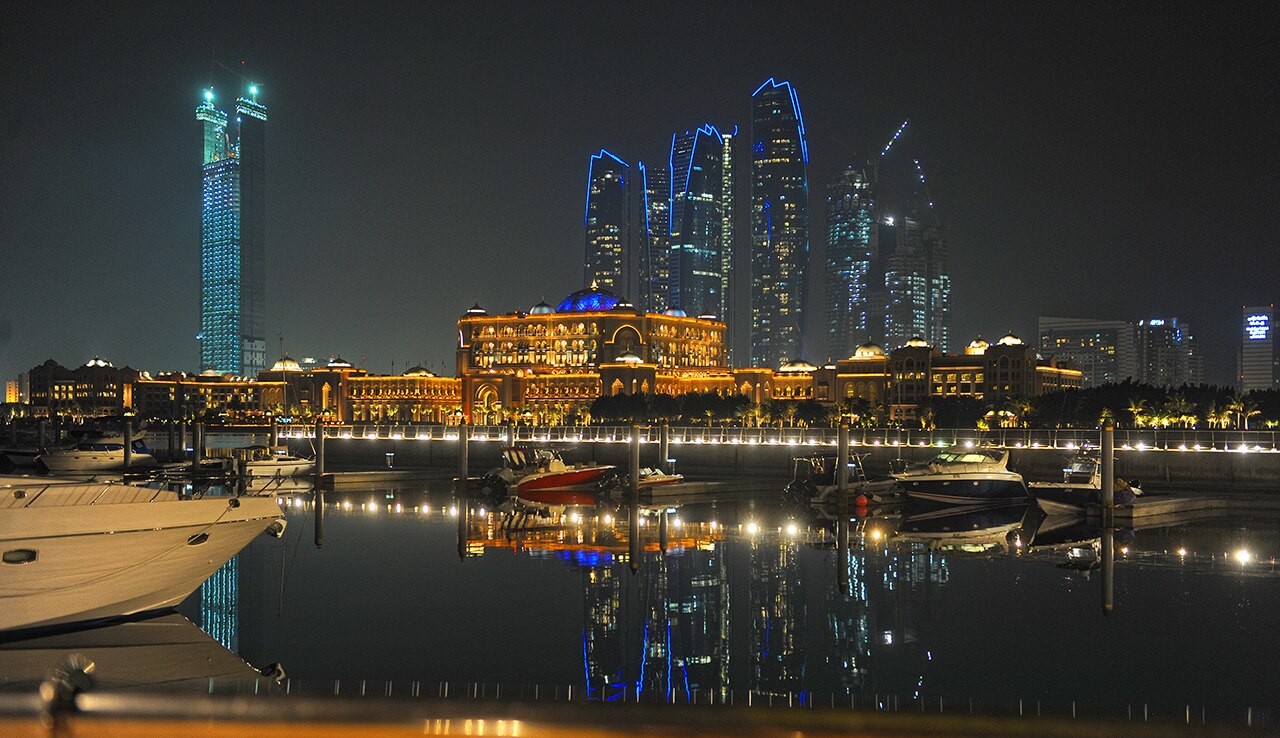
Photograph · Валерий Дед · CC BY 3.0
Ranked by importance — sitelinks, pageviews and heritage status, not editor preference.
20 places match
Category
Typical visit duration
Interests
مول نخلة جميرا
Nakheel Mall is a shopping and leisure destination located on Palm Jumeirah, Dubai's iconic artificial island. Its local name is مول نخلة جميرا.
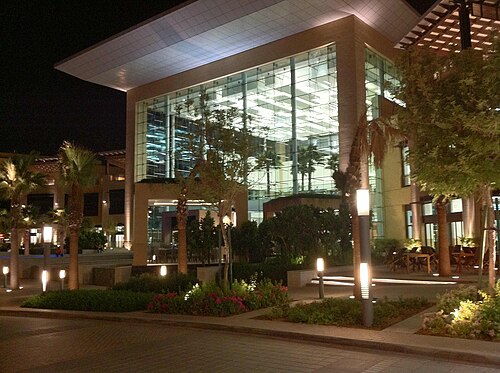
Mirdif City Center
Mirdif City Centre is a shopping mall located in the Mirdif district of Dubai, United Arab Emirates. The mall serves the residential community of Mirdif and surrounding neighbourhoods with retail, dining, and entertainment facilities.
Dubai Outlet Mall is a shopping destination in Dubai, United Arab Emirates. The mall operates as an outlet center offering discounted retail goods from various brands.
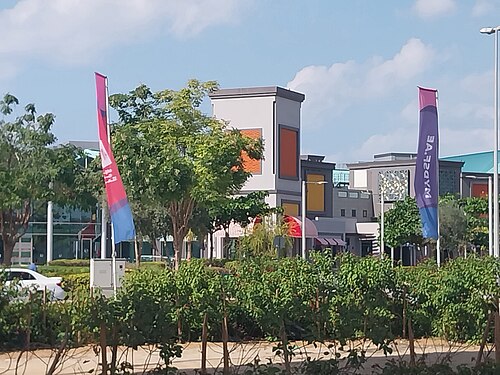
سوق الواجهة البحرية
Waterfront Market is a modern marketplace in Dubai, replacing the older Deira Fish Market. The local name is سوق الواجهة البحرية. It serves as a hub for fresh produce, seafood, meat, and other goods.
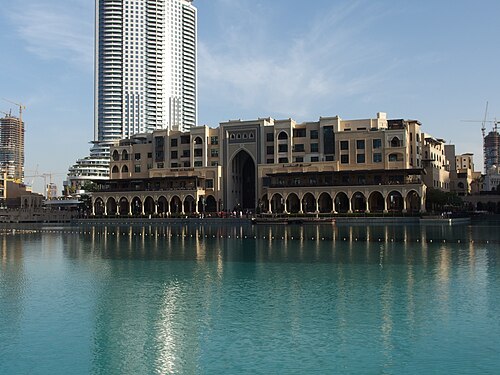
سوق البحار
Souk Al Bahar is a traditional Arabian marketplace situated on the Old Town Island in Downtown Dubai, adjacent to the Burj Khalifa and Dubai Mall.

Marina Mall
Marina Mall is a shopping and leisure centre on the breakwater of Abu Dhabi’s Corniche, where the city’s developed waterfront reaches into the Arabian Gulf.
Abu Dhabi Carpet Souk is a working traditional market in the capital, where carpet and textile trading takes place in a contemporary city setting. It is a commercial souk rather than a museum or staged attraction.

Abu Dhabi Dates Souk is a visitable local market in Abu Dhabi specialising in dates and associated products.

Al Wahda Mall is a major shopping centre in Abu Dhabi, United Arab Emirates. Located in the city centre near the Al Wahda district, it serves as a significant retail and leisure destination for residents and visitors.
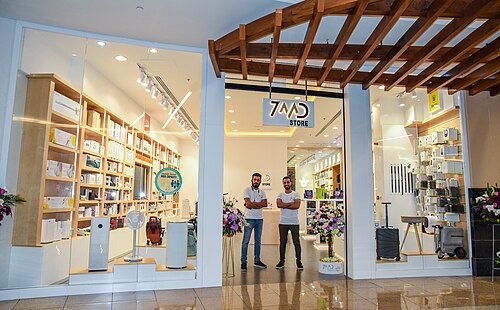
Dalma Mall, also known as دلما مول, is an indoor shopping-centre destination in Abu Dhabi. Its defining role is commercial and leisure-oriented: it is suited to retail browsing, everyday errands, food, and a flexible break from the city’s outdoor heat.
Handicrafts Souk is a small, stall-based craft market in Abu Dhabi, defined by the contrast between separate seller displays and standardised retail.
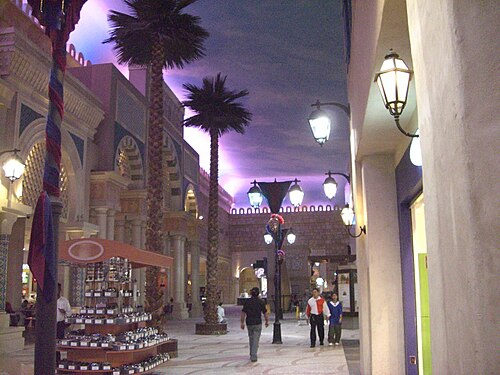
مجمع ابن بطوطا
Ibn Battuta Mall is a shopping mall in Dubai themed around the travels of the 14th-century Moroccan explorer Ibn Battuta.
Iranian Souk is a waterfront market in Abu Dhabi whose identity is tied to active commercial trading rather than a museum programme or a purpose-built visitor attraction.
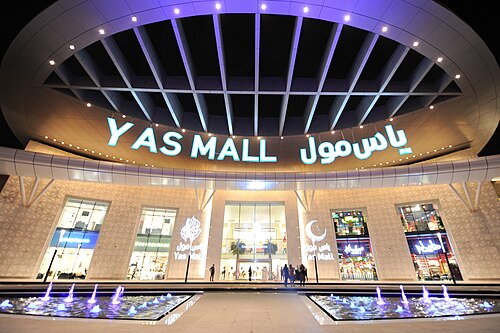
ياس مول
Yas Mall is a large enclosed shopping and leisure centre on Yas Island in Abu Dhabi. Its practical appeal is the way retail browsing, meals and indoor entertainment can be combined in one air-conditioned destination.
Six to eight days is enough for roughly four days in Dubai and two or three in Abu Dhabi. Sharjah can be a separate museum day, while Ras Al Khaimah or Fujairah requires dedicated road time rather than being treated as a quick urban extension.
UAE entry permission depends on nationality and may be arranged in advance or granted under a nationality-specific rule. Confirm the current position through the federal ICP service or the responsible UAE embassy, especially for a stopover itinerary.
Dubai combines metro, tram, buses, and marine transport; Abu Dhabi relies more heavily on buses and taxis. Travel between emirates remains road-based, so allow for an intercity bus, taxi, or rental car rather than expecting a passenger train.
November through March gives the most practical outdoor hours for this Dubai-Abu Dhabi route. In hotter months, schedule waterfront and heritage districts early or late and reserve the middle of the day for indoor museums.
The United Arab Emirates uses the dirham (AED). Cards are widely useful in Dubai and Abu Dhabi, but retain an AED backup for smaller fares or deposits and check which currency a card terminal proposes.
Police in the UAE can be reached on 999 and ambulance services on 998. Type G sockets supply 230 V; tap-water guidance is not recorded here, so ask the accommodation for the building-specific position.