
1 min walk
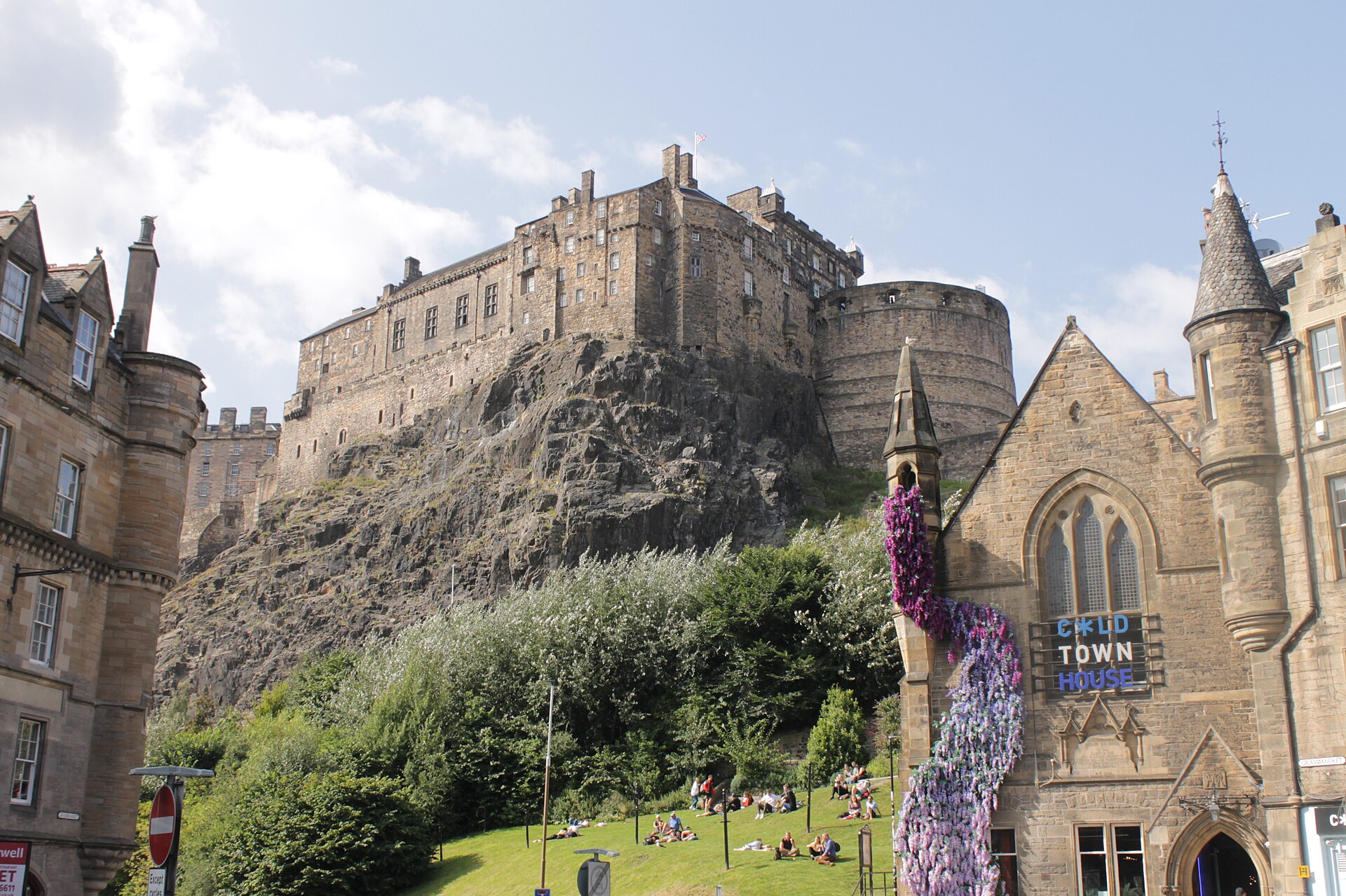
Edinburgh Castle
- Must see · Heritage site
- Historic monument

Museum · Edinburgh
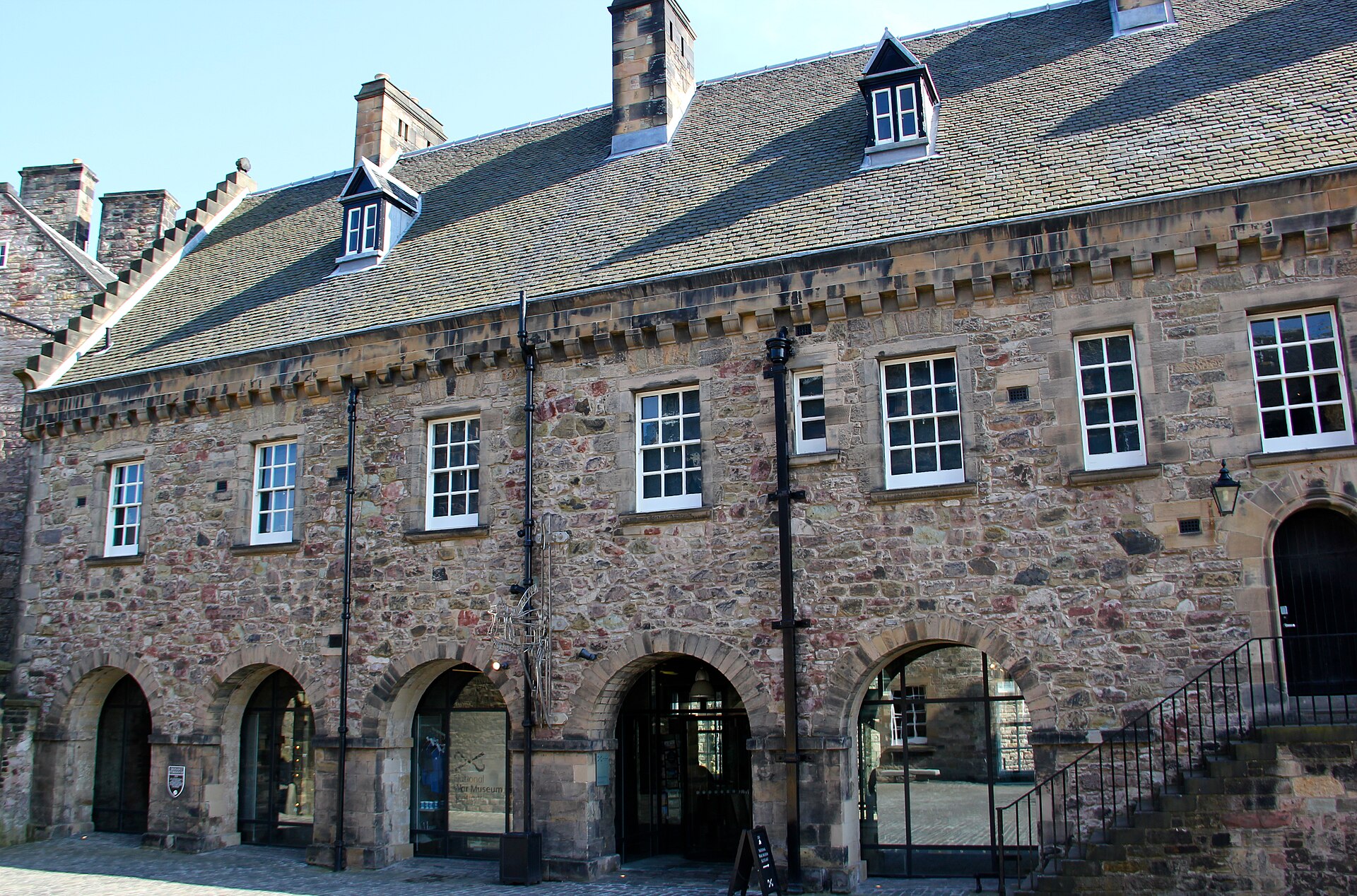
The Royal Scots Regimental Museum
The Museum of the Royal Regiment of Scotland is part of Edinburgh Castle, presenting the heritage of Scotland’s infantry regiments within one of the city’s most important historic sites. Its story includes The Royal Scots and formations connected with the Royal Regiment of Scotland. The museum adds personal, ceremonial and military history to a castle visit, helping travellers understand regimental identity alongside the fortress, views and other castle attractions. The Museum of the Royal Regiment of Scotland occupies a historic position within Edinburgh Castle, one of Scotland's most significant fortified sites. The institution preserves and presents the heritage of Scotland's infantry regiments, with particular connection to The Royal Scots, the oldest regiment in the British Army. The museum forms part of the broader military heritage presentation at Edinburgh Castle, where multiple regimental collections are housed within the same defensive complex. Visitors encounter this museum after entering the castle esplanade and passing through the castle's fortified entrance. No. The museum occupies space within Edinburgh Castle and requires castle admission for access.
Checked 2026-08-26 · Source
Displays include military artefacts, uniforms, medals, regimental memorabilia, ceremonial objects and personal items associated with Scottish infantry service. The presentation connects formal campaigns with the daily and personal dimensions of regimental life. Visitors can look for the details that give military history a human scale: clothing, decoration, objects of ceremony and reminders of individual service. The museum forms one part of the wider collection of military and historic spaces inside Edinburgh Castle. The museum displays military artefacts, uniforms, medals, and regimental memorabilia associated with Scottish infantry traditions. Collections encompass items from The Royal Scots and successor formations that now constitute the Royal Regiment of Scotland. Exhibits trace the evolution of Scottish military service from historical campaigns through to contemporary operations.
Checked 2026-08-26 · Source
The museum is best visited as one stop within a broader Edinburgh Castle itinerary. Allow several hours for the complete castle experience, including the fortress, defensive structures, viewpoints and other museums. A quick museum visit can introduce the regimental story, while military-history enthusiasts may spend much longer with uniforms, medals and personal objects. Begin with the displays that interest you most, since the castle complex itself offers many competing stops and viewpoints.
Checked 2026-08-26 · Source
Edinburgh Castle is busiest during the main summer season and festival periods, when the Old Town attracts large numbers of visitors. Winter can bring a quieter atmosphere, although the castle’s outdoor areas are more exposed and daylight is shorter. Choose a time that leaves room for both the museum and the wider site. Arriving earlier helps you explore the castle’s open spaces before crowds build around the most popular viewpoints.
Checked 2026-08-26 · Source
Because the museum sits inside Edinburgh Castle, reaching it requires admission to the castle complex. The castle is a paid historic attraction managed by Historic Environment Scotland, with ticket categories that can include standard, concession and family arrangements. The museum is therefore not a separate street-level stop with independent entry. Include castle admission in your planning and allow enough time to explore the other historic and military spaces included within the visit.
Checked 2026-08-26 · Source
Edinburgh Castle stands on Castle Rock at the western end of the Royal Mile. The approach from the city centre involves uphill walking, historic paving and busy Old Town streets. Waverley Station lies below the castle and provides a useful arrival point before continuing on foot. The immediate castle area has restricted vehicle access, so walking and public transport are more practical than driving. Wear shoes suitable for uneven surfaces and slopes.
Checked 2026-08-26 · Source
Castle Rock is exposed to wind and changing weather, even when conditions feel mild elsewhere in Edinburgh. Expect cobbles, steep gradients and uneven historic surfaces across the complex. Entry involves security procedures, which can affect queues and the items you may carry. Interior museum spaces can include stairs or confined areas. Festival crowds and midday traffic make movement slower, so keep your schedule generous and avoid treating the museum as an isolated quick stop.
Checked 2026-08-26 · Source
The castle exterior, esplanade and city views provide excellent opportunities for architectural and landscape photography. Inside the museum, follow posted rules for individual displays and respect restrictions on flash, tripods or commercial equipment. Military objects deserve careful treatment as historical material, not simply as photographic props. Keep aisles clear in busy rooms and be considerate of visitors reading labels. A few deliberate photographs will preserve the atmosphere without distracting from the regimental story.
Checked 2026-08-26 · Source
Yes. The Museum of the Royal Regiment of Scotland occupies part of the Edinburgh Castle complex and is reached after entering the castle site.
Its displays include uniforms, medals, military artefacts, ceremonial objects, regimental memorabilia and personal items linked with Scottish infantry service.
The museum is within the castle perimeter, so visitors need admission to Edinburgh Castle rather than a separate museum-only entrance.
The museum presents the heritage of The Royal Scots and formations connected with the Royal Regiment of Scotland.
Plan several hours for Edinburgh Castle as a whole, with the regimental museum forming one focused part of the wider historic-site visit.
The castle stands on Castle Rock and the approach from central Edinburgh includes uphill walking, cobbles and uneven historic surfaces.
Loading the interactive map…
The interactive map could not be loaded.

Last updated:
Source: OpenStreetMap contributors, Wikidata ·