
1 min walk
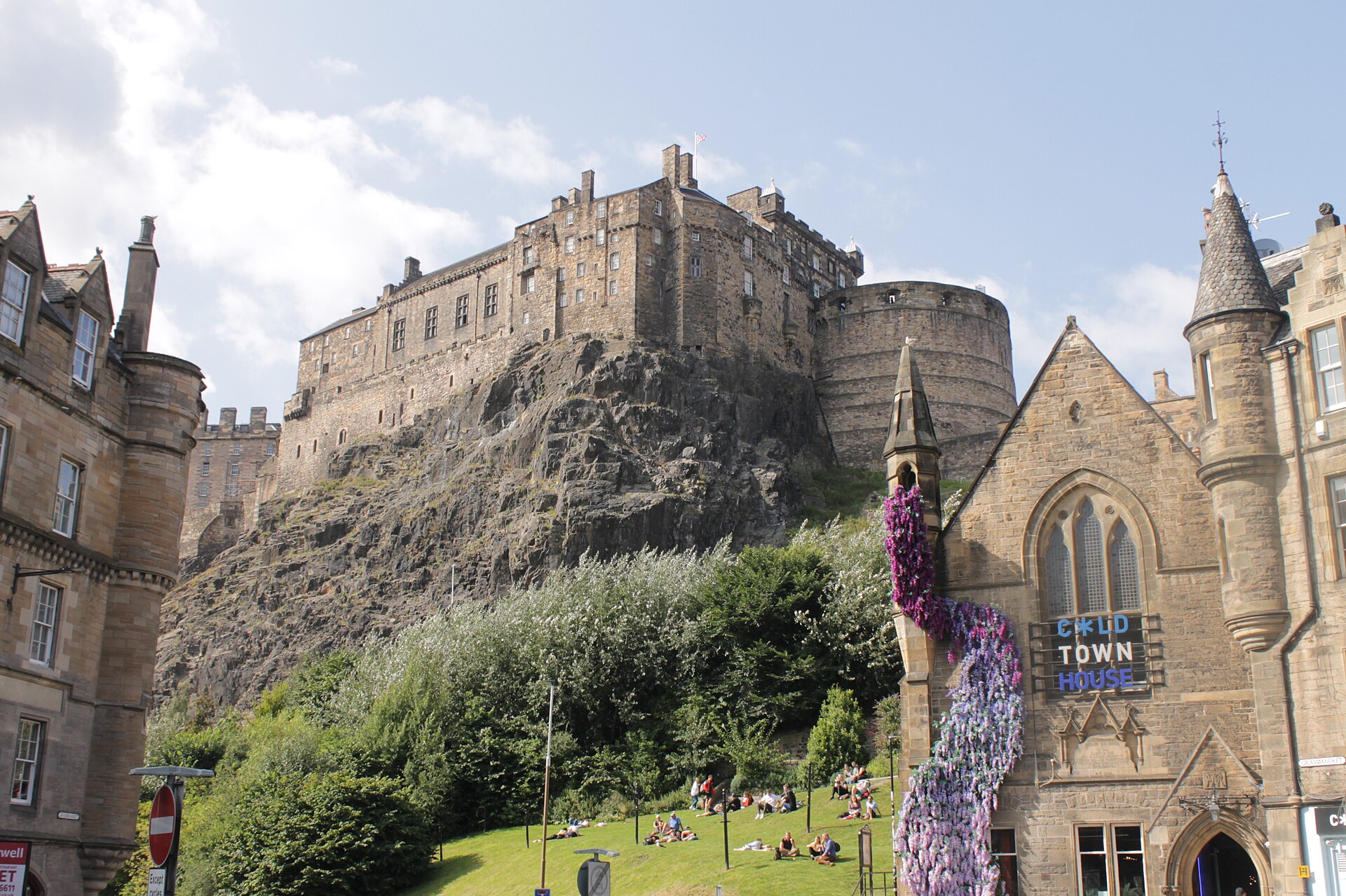
Edinburgh Castle
- Must see · Heritage site
- Historic monument
Museum · Edinburgh
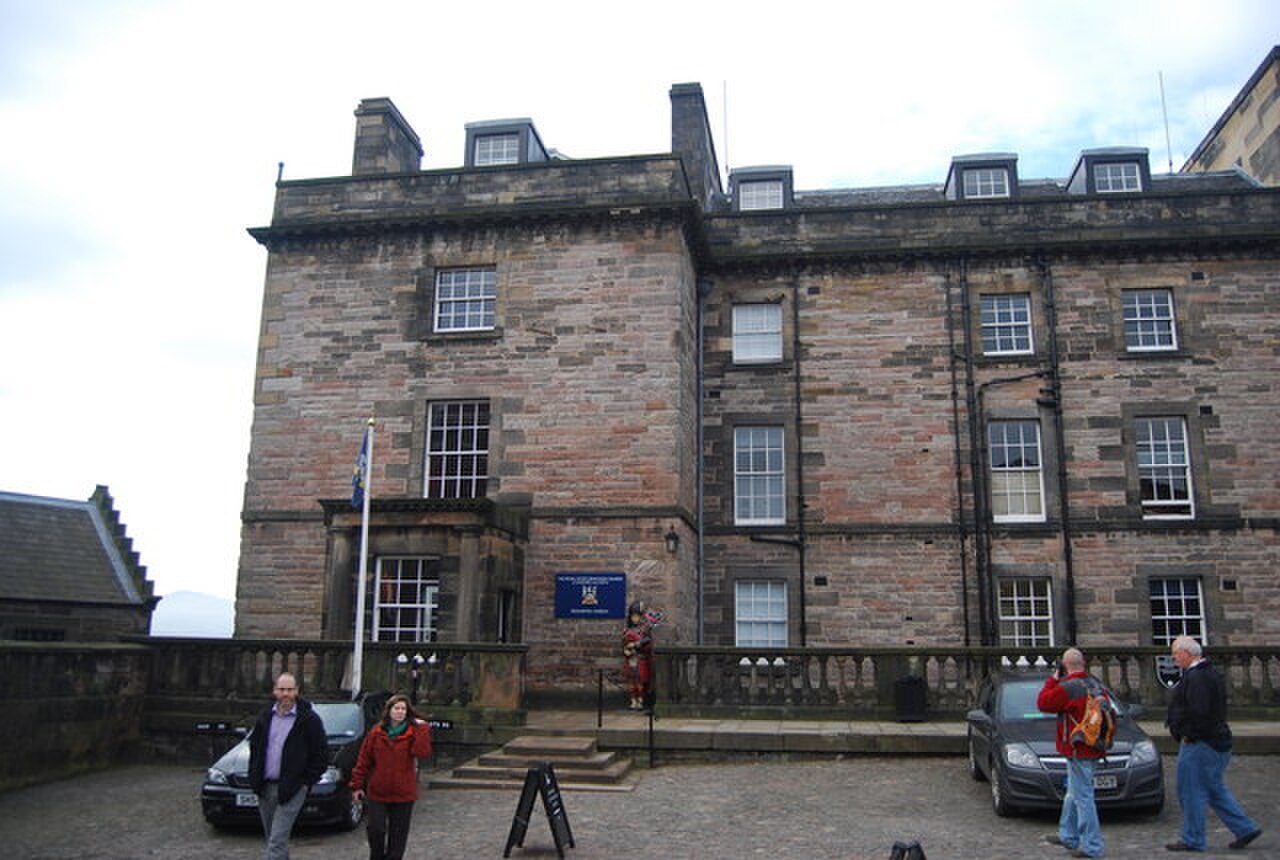
The Royal Scots Dragoon Guards Museum
The Royal Scots Dragoon Guards Museum presents the history of a Scottish cavalry regiment within Edinburgh. The collection follows the Royal Scots Dragoon Guards from origins in the seventeenth century through campaigns and continuing service in the British Army. Uniforms, weapons, medals, documents and regimental objects connect military events with the people who served. The museum is a focused heritage stop for visitors interested in Scottish identity, cavalry traditions and the material culture of a long-established regiment. Its displays place Edinburgh's military story alongside the city's wider collection of castles, memorials and historic institutions. The museum also gives visitors a chance to consider how a regiment preserves its own memory through objects rather than through architecture alone. Read the introductory displays first, then return to individual artefacts for a closer look at names, dates and campaigns.
Checked 2026-08-26 · Source
Inside, visitors find military collections associated with the Royal Scots Dragoon Guards. Uniforms show how cavalry service was represented through dress and insignia, while weapons and medals give the collection a more personal and operational dimension. Regimental memorabilia, historical documents and soldiers' personal effects help place campaigns within individual lives. The displays cover the regiment's early formation, later conflicts and continuing role in the British Army. Military history is easiest to follow when the objects are read as a sequence: formation, service, conflict, commemoration and continuity. Allow time for small details in cases, including badges, written records and differences between uniforms. The museum's strength is the relationship between practical military equipment and the traditions that surround it. Visitors with an interest in horses, cavalry or Scottish regimental history will find several connected themes rather than one isolated exhibit.
Checked 2026-08-26 · Source
Allow about one to two hours for a considered visit to the Royal Scots Dragoon Guards Museum. That time gives a first-time visitor space to read the interpretation, compare uniforms and weapons, and pause over medals, documents and personal objects. A shorter visit can work if the museum is one stop in a larger Edinburgh day, while military-history enthusiasts may want longer for the regimental chronology. The museum suits a focused indoor visit rather than a full-day programme. Visitors can make the most of the time by following the historical sequence before choosing the objects that deserve closer attention. A measured pace matters because many of the stories sit in labels and captions rather than in large room-scale installations. Plan the museum as one substantial cultural stop, with other Edinburgh attractions arranged before or after it.
Checked 2026-08-26 · Source
The museum works well as an indoor Edinburgh stop throughout the year, especially when cool or changeable weather makes outdoor sightseeing less comfortable. A visit during the day leaves room to combine the collection with other central heritage attractions. Military institutions can sometimes have access affected by ceremonial or regimental commitments, so the practical timing of a visit matters. Build a little flexibility into an itinerary rather than placing the museum between two immovable appointments. Visitors interested in Scottish military heritage may also enjoy setting aside enough daylight for Edinburgh's surrounding historic streets and monuments. The museum's indoor setting provides a useful contrast with walks through the city, where weather can change quickly. A quieter period gives more opportunity to read the displays without rushing, while a tightly planned day benefits from treating the museum as a compact, self-contained visit.
Checked 2026-08-26 · Source
The museum is a dedicated regimental collection, so admission arrangements belong to the museum rather than to Edinburgh's general public transport or street network. The visit centres on uniforms, weapons, medals, documents and other regimental objects, making the collection itself the main reason to enter. Set aside time for the displays instead of treating the museum as a quick exterior landmark. Military museums often invite visitors to support their collections, and the Royal Scots Dragoon Guards Museum's focus on preserving regimental memory makes that conservation role part of the visitor experience. If the museum forms part of a wider Edinburgh itinerary, keep the museum visit distinct from walks through the city. The result is a more coherent stop: first understand the regiment's chronology, then examine the objects that show how service was lived and remembered.
Checked 2026-08-26 · Source
The Royal Scots Dragoon Guards Museum is in Edinburgh, whose central area is served by buses, trams and rail connections. Edinburgh Waverley station provides a central arrival point for visitors coming by train, and the historic core can be explored on foot once in the city centre. Visitors arriving by car should allow for restricted parking and traffic controls in central Edinburgh. Use the museum's mapped position to connect the final walk with the wider historic centre, where several attractions can be combined in one day. Public transport is useful for reaching central Edinburgh, while walking is practical for linking nearby heritage stops after arrival. A route through the city also helps place the regiment's story within Scotland's capital rather than isolating the museum from its setting. Wear comfortable footwear if the museum is combined with a longer central walk.
Checked 2026-08-26 · Source
The Royal Scots Dragoon Guards Museum deals with military service, campaigns and conflict, so some displays may be unsuitable for very young visitors or sensitive viewers. Follow staff instructions around cases and restricted areas, and treat uniforms, weapons, documents and medals as collection objects rather than props. Exhibition lighting may be subdued to protect textiles and paper, so allow the eyes time to adjust when moving between displays. A compact museum rewards close reading, but visitors should avoid blocking cases while studying details. Families can keep younger visitors engaged by looking for cavalry equipment, badges and differences in dress across the regimental story. The subject also calls for respectful attention: the objects represent service, loss, memory and continuing military tradition. Keep bags and movement controlled around display cases, and leave enough space for other visitors to read the labels.
Checked 2026-08-26 · Source
The museum's uniforms, medals, weapons, documents and regimental memorabilia offer detailed subjects for photography where the displays permit it. Cases and glass can create reflections, while subdued exhibition lighting can make small objects difficult to capture without holding the camera steady. Photographing from the visitor side of a case preserves the display and keeps circulation clear. Avoid using equipment that blocks narrow viewing areas, particularly when other visitors are reading labels. The regiment's history is best represented with respectful images of objects and details rather than staged handling or intrusive close approaches. Architectural and city photographs can extend the visit beyond the collection, linking the museum with Edinburgh's military heritage. Take care around written documents and personal effects, since their meaning depends on names, dates and context that may be lost in a hurried image.
Checked 2026-08-26 · Source
Children can see cavalry uniforms, weapons, medals, documents and regimental memorabilia. The collection also introduces the history of a Scottish cavalry regiment and its service in the British Army.
The museum tells the history of the Royal Scots Dragoon Guards, from seventeenth-century origins through campaigns and continuing service in the British Army.
The displays include uniforms, medals, weapons, documents, personal effects and other regimental memorabilia connected with the Royal Scots Dragoon Guards.
Allow approximately one to two hours to read the displays and examine the uniforms, medals, weapons, documents and other collection objects.
The museum preserves the material history of a Scottish cavalry regiment, linking uniforms, weapons, medals and personal records with the regiment's campaigns and continuing service.
Yes. The museum is suited to a focused one- to two-hour visit and can be combined with walks through Edinburgh's historic centre and other heritage attractions.
Loading the interactive map…
The interactive map could not be loaded.
Last updated:
Source: OpenStreetMap contributors, Wikidata ·