4 min walk
Museum on the Mound
- Must see
- Museum
Language · 11 published
Historic monument · Edinburgh
Reviewed by Elena Voss · Roavina Travel Editor
| Monday | 10:00 – 16:00 |
|---|---|
| Tuesday | 10:00 – 16:00 |
| Wednesday | 10:00 – 16:00 |
| Thursday | 10:00 – 16:00 |
| Friday | 10:00 – 16:00 |
| Saturday | 10:00 – 16:00 |
| Sunday | 10:00 – 16:00 |
Checked 2026-08-31 · Source
Read from the OpenStreetMap access tags; anything not listed has no tag recorded.
Set the group type to family in the planner and the day window contracts to about three quarters of a solo day.
This place is a Attraction. It was established in 1840. It carries the category A listed building heritage designation.
The Scott Monument is a Victorian Gothic memorial to Scottish author Sir Walter Scott, located in Edinburgh's Princes Street Gardens. Completed in 1844, it stands as one of the largest monuments to a writer anywhere in the world. The structure was designed by architect George Meikle Kemp following a public competition. Its intricate spire rises prominently above the city centre, featuring numerous statues of characters from Scott's novels. The monument occupies a significant position within Edinburgh's UNESCO World Heritage Site and remains a defining element of the city's skyline.
Checked 2026-08-31 · Source
The monument contains a central chamber housing a marble statue of Sir Walter Scott, sculpted by John Steell. Visitors may ascend the structure via a narrow spiral staircase comprising 287 steps. The climb leads to four viewing platforms at different levels, offering progressively elevated outlooks across Edinburgh. The interior walls display additional sculpted figures and decorative stonework. The uppermost platform provides panoramic vistas of the city, including Edinburgh Castle, the Old Town, and surrounding landscapes. The confined staircase and small chambers represent authentic Victorian construction methods.
Checked 2026-08-31 · Source
A complete visit typically requires between thirty minutes and one hour, depending upon individual pace and whether all viewing levels are accessed. The ascent demands physical effort and should not be rushed. Visitors with limited mobility or respiratory conditions may find the climb challenging due to the narrow, enclosed staircase. Descent requires passing others in confined spaces. Those intending to reach the highest platform should allocate additional time for the full 287-step climb and subsequent descent. Photography pauses at intermediate levels extend duration accordingly.
Checked 2026-08-31 · Source
Monday–Sunday 10:00–16:00 Open seven days a week with no regular weekly closure day. Hours apply to the ticketed monument visit. Edinburgh experiences variable weather throughout the year, with frequent precipitation and strong winds possible at any season. The monument's exposed upper platforms become particularly uncomfortable during adverse conditions. Summer months generally offer longer daylight hours and milder temperatures, though crowds increase correspondingly. Winter visits may encounter reduced accessibility due to weather-related safety closures. Morning visits potentially offer clearer atmospheric conditions for viewing. Advance verification of operational status remains essential regardless of season.
Checked 2026-08-31 · Source
Adult admission is £9; payment is by card only. Visitors must verify current admission costs through official channels prior to arrival. The monument has historically operated with entry fees for those wishing to climb the tower, though policies may have changed. Payment methods accepted, concession eligibility, and family ticket availability require direct confirmation. No assumptions regarding free or paid access should be made without authoritative verification. Any online booking requirements or capacity limitations similarly need clarification from current operators. Budget-conscious visitors should establish costs definitively before committing to this attraction within broader Edinburgh itineraries.
Checked 2026-08-31 · Source
The monument stands in East Princes Street Gardens beside Princes Street. Edinburgh Waverley railway station is immediately east of the gardens. Named public-transport arrivals include Princes Street tram stop and the Princes Street–Scott Monument bus stops. The Scott Monument occupies a central position in Princes Street Gardens, immediately adjacent to Edinburgh Waverley railway station. Multiple bus services traverse Princes Street with stops nearby. The monument is readily accessible on foot from most central Edinburgh locations. Pedestrian approaches from the Old Town involve descending from the Mound or using Waverley Bridge. The surrounding area experiences heavy foot traffic throughout daylight hours. Visitors arriving by private vehicle should note extremely limited parking availability in the city centre and consider public transport alternatives. Cycling infrastructure exists though congestion demands caution.
Checked 2026-08-31 · Source
The exterior and Sir Walter Scott statue at the monument’s base can be viewed without undertaking the tower climb. The museum room and elevated viewpoints form part of a 221-step climb and are not step-free. The spiral staircase is exceptionally narrow with minimal passing space; claustrophobia and physical discomfort may result. Head clearance is restricted at multiple points. The stone steps become slippery when wet. Upper platforms lack substantial weather protection and expose visitors to wind and precipitation. The structure's age means uneven surfaces and irregular step heights throughout. Children require close supervision due to open railings and fall risks at height. Those with medical conditions affecting balance, breathing, or mobility should seriously consider whether ascent is advisable. Appropriate footwear with grip is strongly recommended regardless of conditions.
Checked 2026-08-31 · Source
The monument's exterior offers numerous photographic angles from Princes Street Gardens and surrounding vantage points. Morning light illuminates the spire favourably from certain approaches. The upper platforms provide opportunities for cityscape photography, though protective mesh or barriers may partially obstruct compositions. Interior lighting is limited, challenging low-light capture within the stairwell. Tripod use is impractical throughout due to confined spaces and visitor flow. Weather conditions significantly affect visibility from upper levels. The structure's dark stone presents exposure challenges against variable skies. Respect for other climbers' progress should govern photography pauses on the staircase.
Checked 2026-08-31 · Source
The visitor climb has 221 steps and reaches the monument’s third level.
The museum room presents artefacts and information about Sir Walter Scott, his life and legacy, and the monument built in his honour.
George Meikle Kemp designed it; he submitted his competition design anonymously, and it was selected in 1838.
The monument was completed in 1844 and opened to the public in 1846.
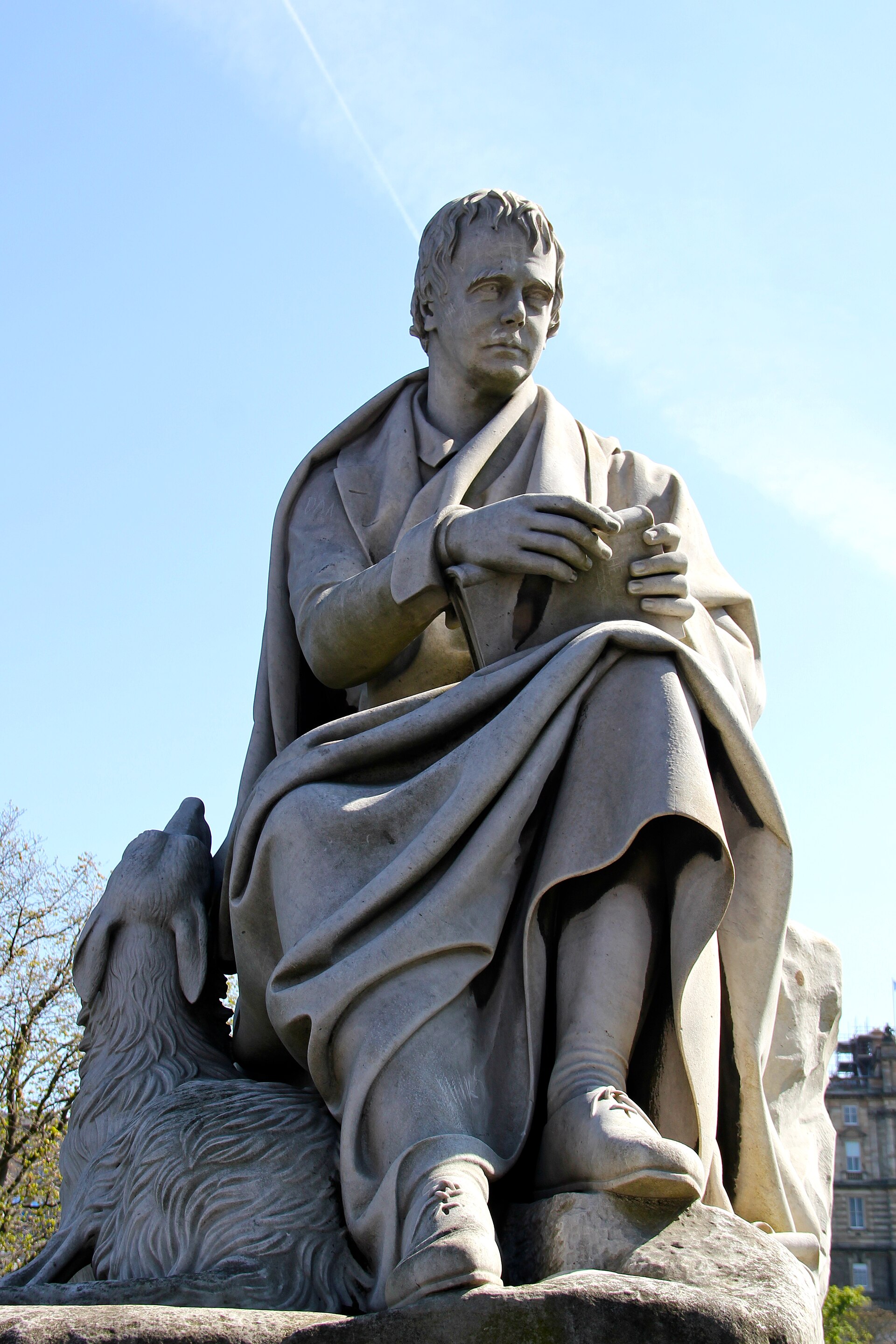
Sir John Steell created the Carrara-marble statue of Sir Walter Scott with his dog Maida.
The statue was carved from a single 30-tonne piece of marble and took Steell six years to complete.
Loading the interactive map…
The interactive map could not be loaded.
Last updated:
Source: OpenStreetMap contributors, Wikidata ·