Battersea Park is a large Victorian riverside park on the south bank of the Thames in the London Borough of Wandsworth. Covering about 200 acres, it was laid out between 1855 and 1858 on the former Battersea Fields. The park gives a London day space for walking, gardens, water, sport and views across the river, with enough variety to suit both relaxed wandering and family outings. Battersea Park is a large Victorian park situated on the south bank of the River Thames in the London Borough of Wandsworth. The park occupies approximately 200 acres of riverside land, historically part of the uncultivated Battersea Fields. It was laid out between 1855 and 1858 under the direction of Sir James Pennethorne, opening to the public in 1858. The park represents a significant example of nineteenth-century municipal park design, created during a period of expanding public green spaces in London. Visitors should verify current times through official Wandsworth Council channels.
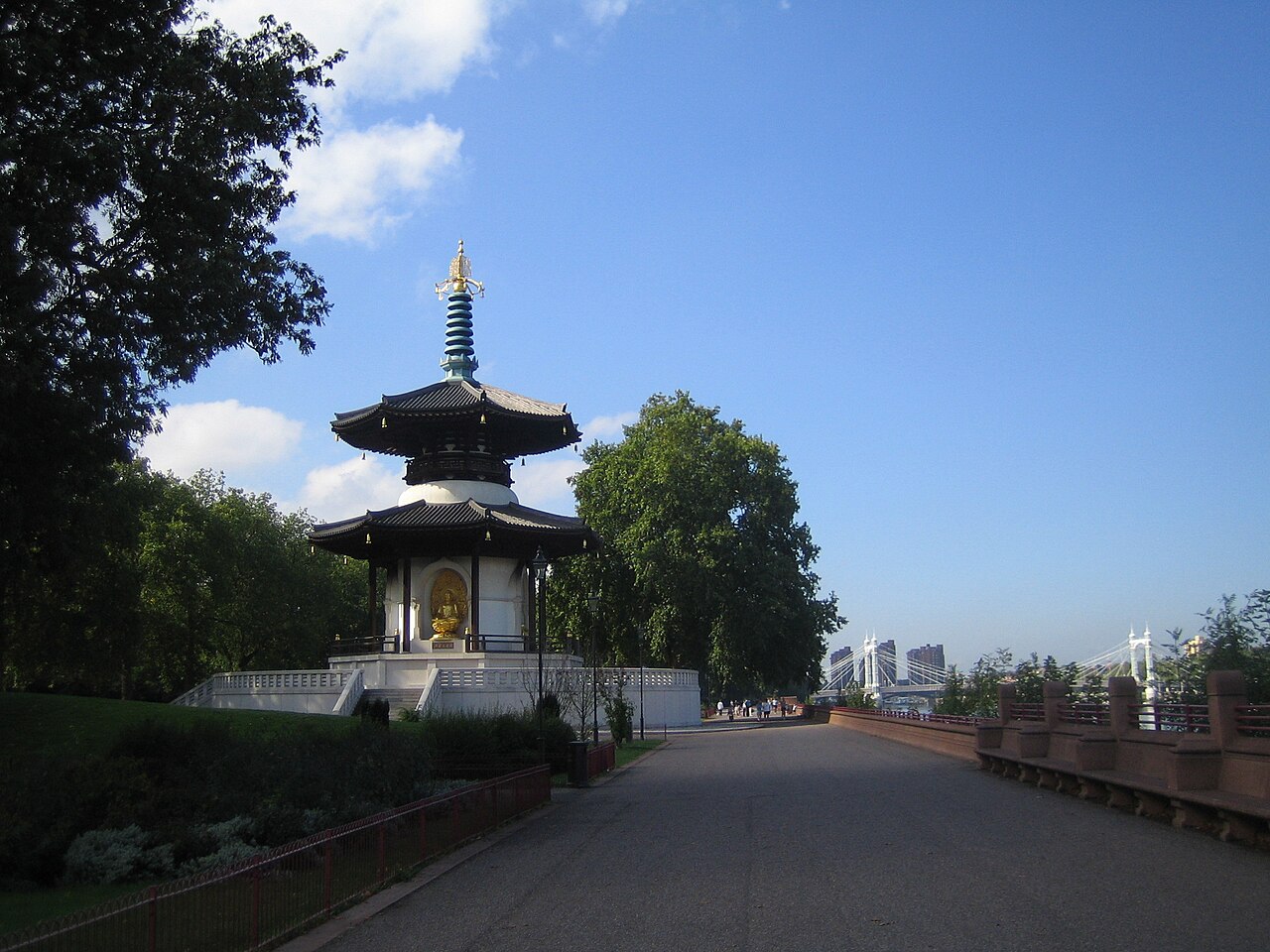
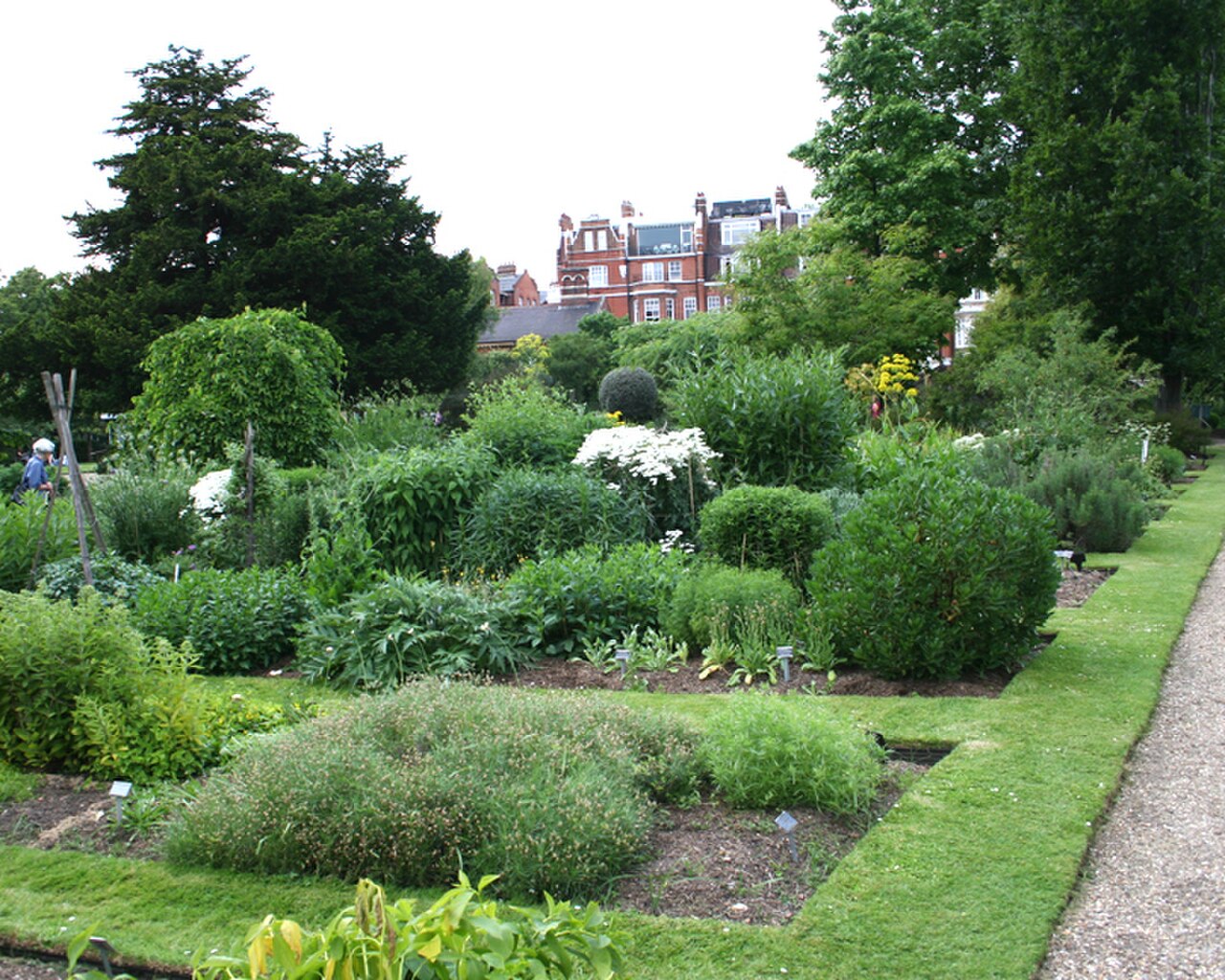
The park includes a lake, boating facilities, sports pitches, formal gardens, tree-lined avenues and open meadows. The Peace Pagoda, presented by Buddhist monks in 1985, is one of its most distinctive landmarks, with gilded bronze statues facing the river. Other attractions include a children’s zoo and the Pump House gallery. Along the Thames frontage, paths open views towards Chelsea and Albert Bridge, creating a contrasting edge to the greener interior. The park contains diverse features including a lake, boating facilities, sports pitches, and formal gardens. Notable elements include the Peace Pagoda, gifted by Buddhist monks in 1985, and the London Peace Pagoda with its gilded bronze statues. The park also accommodates a children's zoo, the Pump House gallery, and various sporting amenities.
Allow one to three hours for a general visit, depending on whether you want a short walk, a lake circuit or time in the gardens. A leisurely route around the riverside, lake and central areas takes about ninety minutes. Add extra time for the children’s zoo, boating or sport. The park’s size makes it easy to shorten the visit when weather changes or extend it when the paths and gardens invite slower exploration.
Battersea Park offers a different experience in every season: spring brings flowering displays, summer suits boating and riverside walks, autumn adds colour to the trees, and winter gives the waterfront a quieter mood. Events can make individual areas busier or temporarily unavailable. The Thames edge is exposed to changing weather, so plan clothing around wind and rain as well as the forecast. Morning visits often provide a calmer atmosphere for walking and photography.
Entry to the park itself is free. Individual attractions inside the grounds, including the children’s zoo and boating facilities, can involve separate charges. The Pump House gallery contributes an indoor cultural stop within the park and its exhibitions are typically free. Events may use their own ticketing arrangements. For a simple riverside walk, lake circuit or garden visit, the park functions as an accessible public green space without an entrance charge.
Battersea Park and Queenstown Road are the closest National Rail stations, with buses serving Battersea Park Road and Queenstown Road. The park is also walkable from Chelsea Bridge and the north bank of the Thames. Cycle routes reach the perimeter, while nearby street parking is limited and subject to local restrictions. River bus services operate from nearby piers, although no pier sits directly beside the park entrance. Walking or public transport keeps the visit straightforward.
Take care beside the Thames, where the riverbank is unfenced in places and conditions can change with tides and weather. The park is broad, and some paths are unpaved, so comfortable footwear helps. Keep to designated cycling routes and leave lake wildlife undisturbed. Event days can bring congestion and temporary closures. After dark, remain on the main lit paths. The Peace Pagoda is a religious site, so quiet and respectful behaviour is appropriate around it.
Battersea Park offers strong subjects in a compact range: the Peace Pagoda, Albert Bridge, the lake, waterfowl, formal gardens and Victorian park structures. The riverfront works well for wide views towards Chelsea, while the lake provides reflections and closer compositions. Seasonal planting changes the colour and texture of the gardens. Keep clear of paths, avoid disturbing wildlife and follow aviation rules and local permissions before considering any drone or commercial photography.