
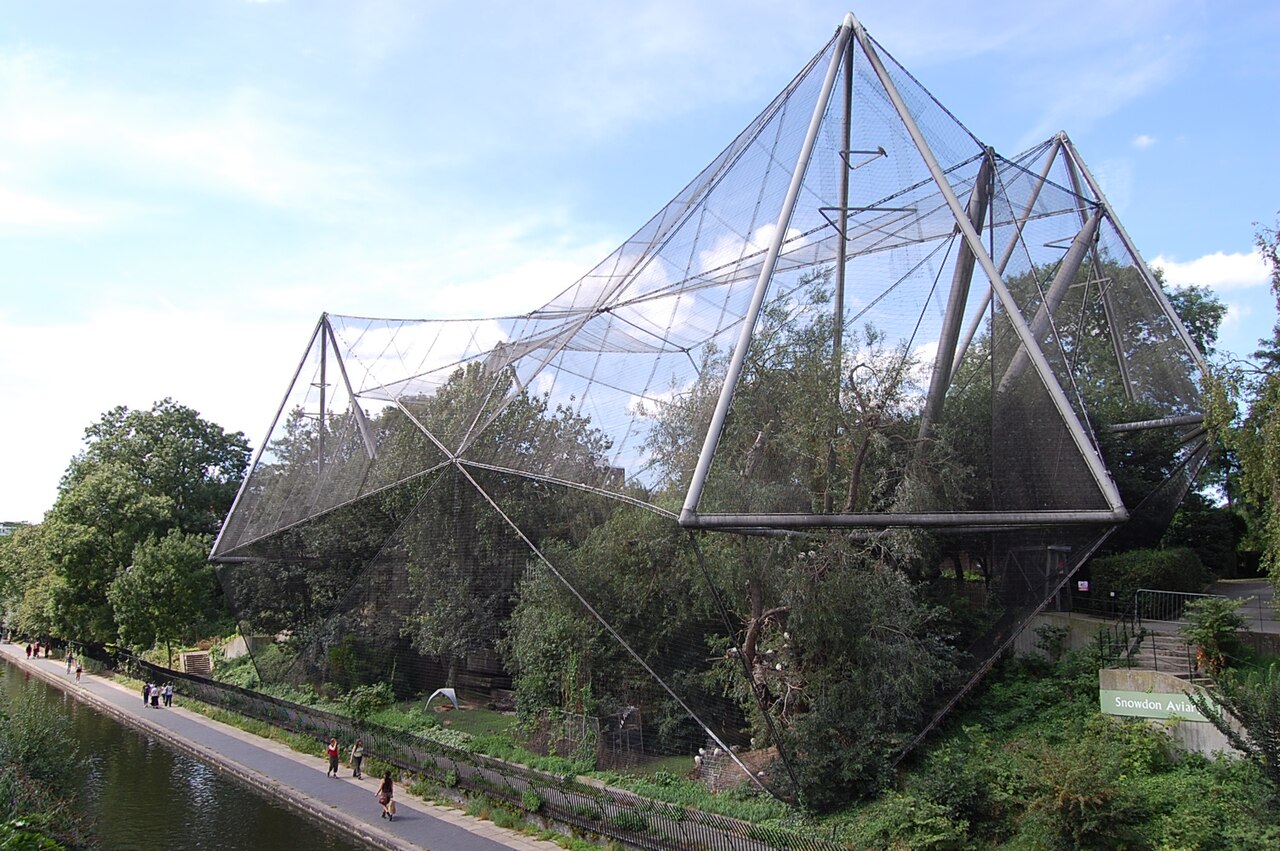
8 min walk · City of Westminster
London Zoo
- Must see
- Family attraction
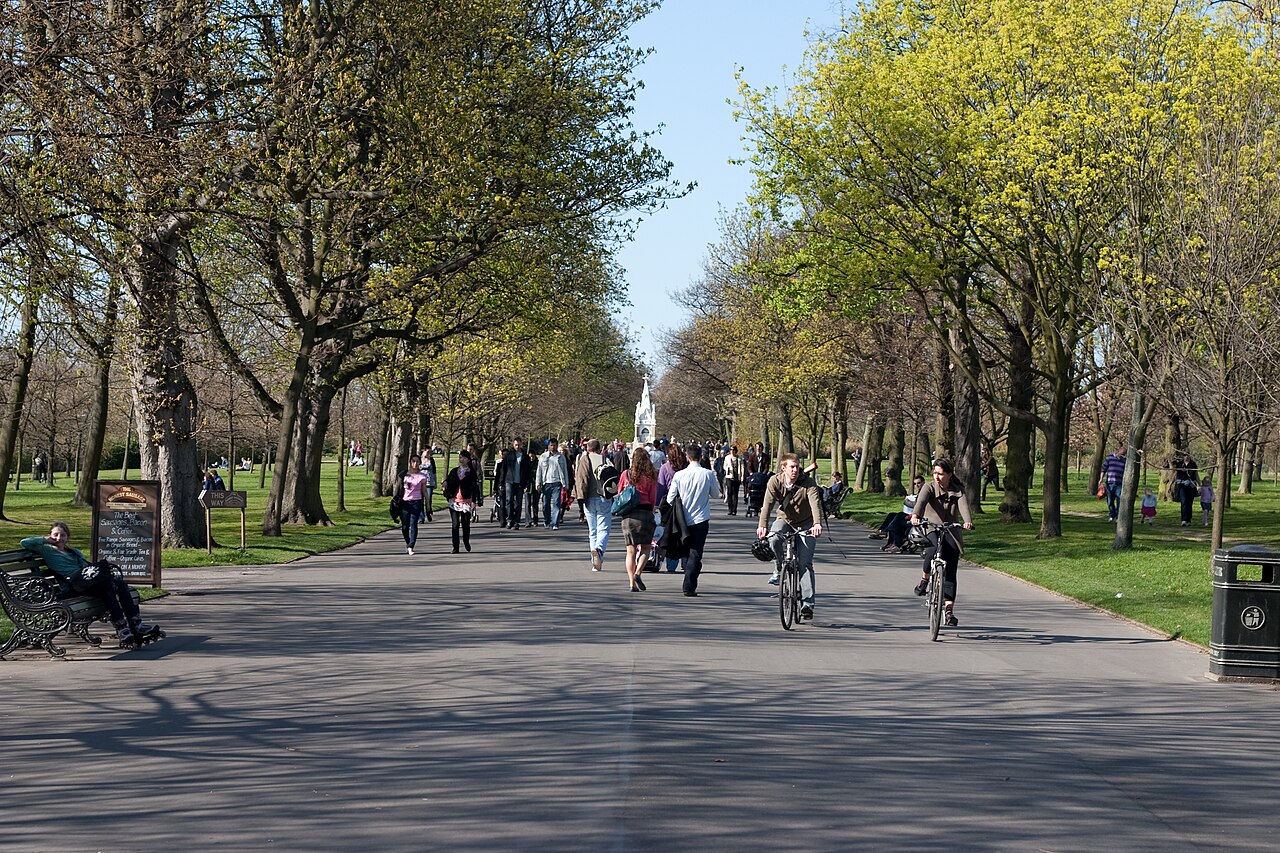
Nature site · City of Westminster, London
The Regent's Park
The Regent's Park is a major public park in North West London. It was designed in 1811 by John Nash as part of a planned royal park, and named after the Prince Regent, later George IV. The park covers a substantial area and forms part of the northern boundary of central London. It is managed by The Royal Parks agency on behalf of the Crown. The park includes open parkland, formal gardens, a lake, and sports facilities. It is designated Grade I on the Register of Historic Parks and Gardens.
Checked 2026-08-26
The park contains several distinct areas and attractions. Queen Mary's Gardens features rose plantings. The park includes the Open Air Theatre, which stages productions during summer months. London Zoo occupies the northern edge of the park. There are multiple sports pitches, including for cricket and football. The boating lake allows recreational use. Several formal gardens are maintained within the grounds. Cafes and refreshment points are situated at various locations. The park also contains wildlife habitats and tree collections. The Inner Circle encloses additional garden spaces separate from the broader parkland.
Checked 2026-08-26
Visitor duration varies considerably based on activities undertaken. A casual walk through the park's main paths might take one to two hours. Those visiting London Zoo typically allocate a half-day or longer. Attending a performance at the Open Air Theatre requires additional time for seating and the production itself. Sports participants or those using boating facilities will need to factor equipment hire and activity time. Garden enthusiasts exploring Queen Mary's Gardens and other planted areas may spend extended periods. Picnicking or informal recreation can extend visits substantially. No prescribed route or mandatory circuit exists.
Checked 2026-08-26
The park is open to the public throughout the year, though specific hours vary seasonally. Visitors should verify current opening times before travelling. The Open Air Theatre operates seasonally, typically during summer months, though specific dates and performance schedules are not recorded. London Zoo maintains separate operating hours from the park itself. Weather conditions in London vary considerably across seasons, affecting outdoor comfort. Spring and summer generally offer more favourable conditions for garden viewing and outdoor activities. Autumn provides changing foliage. Winter visits are possible but with reduced daylight and potentially inclement conditions. Check the operator's own site for the travel date before relying on a schedule or fare.
Checked 2026-08-26
General access to The Regent's Park is free of charge. London Zoo requires separate admission, with pricing set independently by ZSL. The Open Air Theatre charges for performances, with ticket costs varying by production and seating. Boat hire on the lake involves fees. Some sports facilities may require booking charges or membership. Visitors should check current pricing directly with relevant operators. The Royal Parks website provides general information, though specific fee structures for commercial concessions are maintained by those individual operators. Check the operator's own site for the travel date before relying on a schedule or fare.
Checked 2026-08-26
The park is accessible via multiple London Underground stations. Regent's Park station on the Bakerloo line serves the south. Baker Street station, served by multiple lines, provides access to the south-western edge. Great Portland Street and Warren Street stations are nearby to the south-east. Camden Town station to the north offers access toward London Zoo. Numerous bus routes serve surrounding roads. The park's perimeter includes main roads with pedestrian entrances at multiple points. Cycling is possible on designated routes and surrounding streets. Visitors should consult current Transport for London information for service status and any disruptions before travelling.
Checked 2026-08-26
The park contains roads with vehicular traffic, including the Outer Circle, requiring pedestrian awareness. Water bodies present standard drowning risks, particularly for unsupervised children. Wildlife, including waterfowl, should not be fed inappropriate items. Weather conditions can change rapidly; shelter may be needed. Large events may cause congestion and altered access. The Open Air Theatre and zoo attract substantial crowds during peak periods. Some paths may be uneven or muddy after rain. Cycling is restricted to designated routes. Visitors should remain aware of personal belongings in busy areas. Standard urban park precautions apply regarding after-dark visits to less populated sections.
Checked 2026-08-26
The park offers numerous photographic subjects including formal gardens, lake views, architectural features, and wildlife. The broad open spaces allow wide-angle landscape photography. Flower displays in Queen Mary's Gardens attract close-up and macro work. The London Zoo boundary and Open Air Theatre provide additional subjects, though interior photography of ticketed venues may be restricted. Early morning and late afternoon light offer favourable conditions. Weather in London is variable; overcast conditions reduce harsh shadows. Tripod use may attract attention from park staff; no specific policy is recorded. Commercial photography likely requires permission from The Royal Parks. Visitors should respect other park users when positioning for shots.
Checked 2026-08-26
Yes, general access to The Regent's Park is free of charge. Some facilities within the park, such as London Zoo and the Open Air Theatre, require separate paid admission.
Some animal enclosures are visible from public paths along the park's northern edge, though full zoo access requires paid admission through zoo entrances.
Cycling is permitted on designated routes within the park. Cyclists should follow marked paths and remain aware of pedestrians and other park users.
The park has opening and closing hours that vary seasonally. Visitors should verify current times before travelling.
The park is surrounded by roads with parking restrictions typical of central London. Visitors should check current parking regulations and consider public transport as the primary access method.
Dogs are permitted in much of the park, though specific restrictions may apply in certain areas such as formal gardens. Visitors should observe any signage and maintain control of their dogs.
Loading the interactive map…
The interactive map could not be loaded.
Last updated:
Source: OpenStreetMap contributors, Wikidata ·