
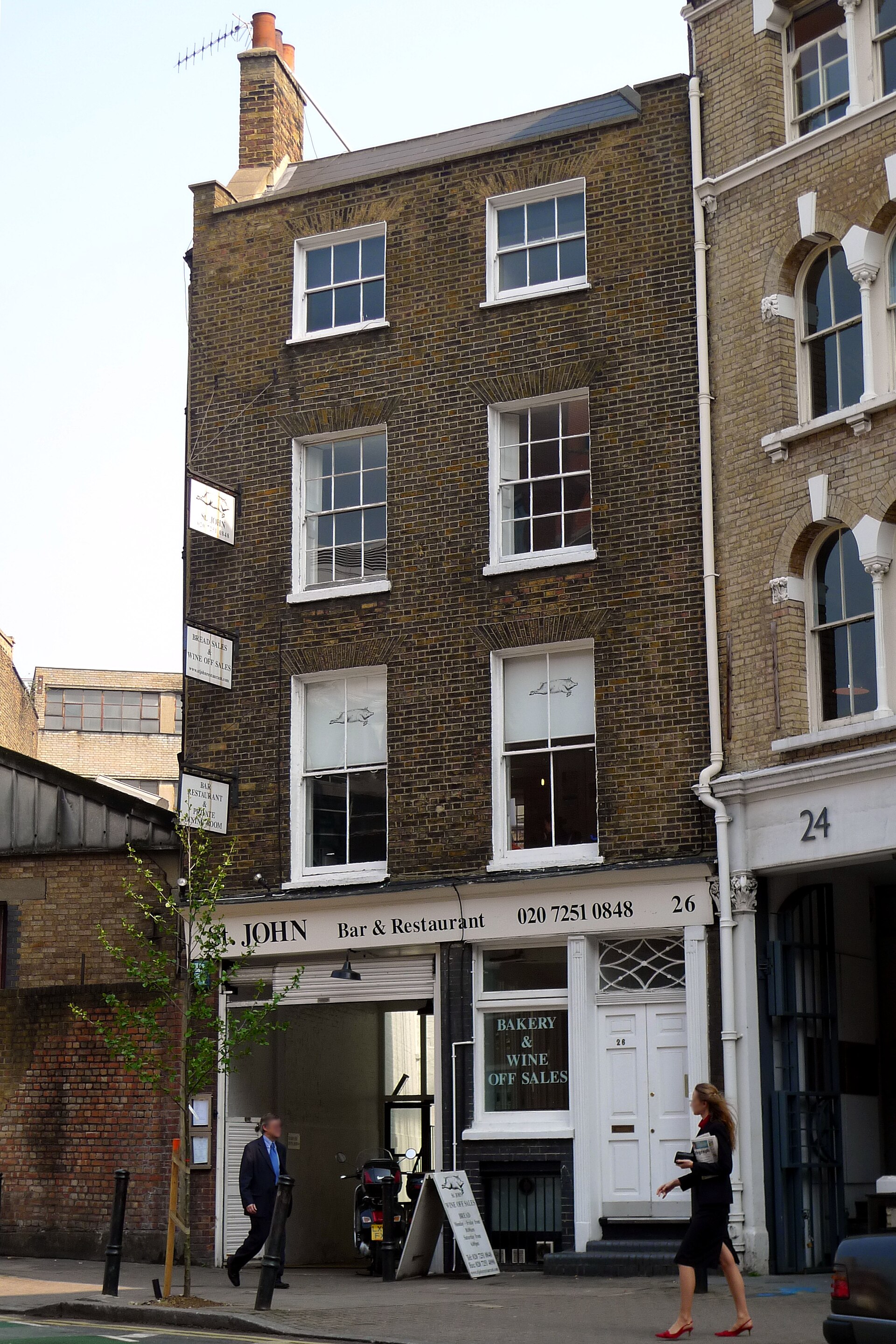
3 min walk · London Borough of Islington
St. John
- High
- Restaurant or café
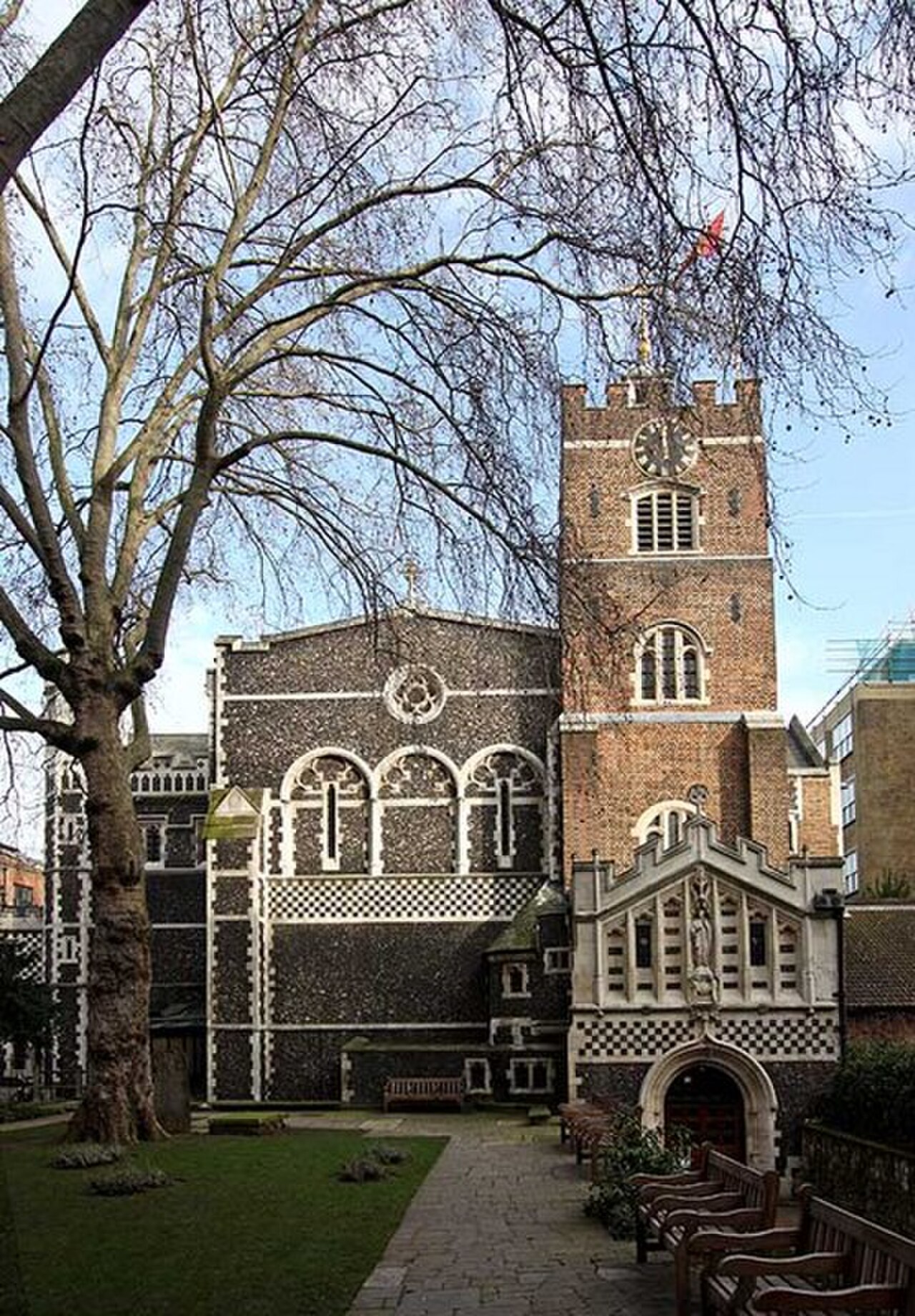
Historic monument · London Borough of Islington, London
St Bartholomew-The Great
| Monday | 10:00 – 16:00 |
|---|---|
| Tuesday | 10:00 – 16:00 |
| Wednesday | 10:00 – 16:00 |
| Thursday | 10:00 – 16:00 |
| Friday | 10:00 – 16:00 |
| Saturday | 10:00 – 16:00 |
| Sunday | 10:00 – 16:00 |
Parsed from OpenStreetMap opening hours on 2026-09-09.
Read from the OpenStreetMap access tags; anything not listed has no tag recorded.
Set the group type to family in the planner and the day window contracts to about three quarters of a solo day.
St Bartholomew-the-Great is a historic church in the City of London, founded in 1123 by Rahere, a courtier of Henry I. It is London's oldest surviving parish church, with substantial Norman fabric remaining despite later restorations. The church survived the Great Fire of London in 1666 and suffered damage during the Second World War. It stands within the former precincts of St Bartholomew's Priory, a Augustinian monastery dissolved in 1539. The building exemplifies Romanesque ecclesiastical architecture with later medieval and Victorian additions.
Checked 2026-08-26
The interior preserves notable medieval and later features. The Norman nave survives partially, with the crossing and choir showing later architectural phases. Monumental brasses and memorials commemorate historical figures associated with the church and parish. The Lady Chapel contains significant fabric. Various tombs and funerary monuments reflect the church's long history as a place of burial and remembrance. Restoration work by architects including Aston Webb in the late nineteenth century added elements that complement the surviving medieval structure. The church maintains active worship use alongside its heritage significance.
Checked 2026-08-26
Visitors typically spend between thirty minutes and one hour exploring the church interior and its historical features. Those with particular interest in medieval architecture, ecclesiastical history, or monumental sculpture may wish to allow additional time for detailed examination. The compact nature of the building permits a comprehensive visit within a relatively brief period. Photography and quiet contemplation extend duration for some visitors. Active services and events may restrict access to certain areas or require visitors to wait. Checking current conditions before visiting is prudent given operational uncertainties.
Checked 2026-08-26
Visitors should consult official church communications or established heritage information services for current opening arrangements. Seasonal variations in access commonly affect historic churches, with reduced hours during winter months or around major religious observances. Special services, private events, and maintenance activities may cause unscheduled closures. The church's active liturgical function means worship times take precedence over visitor access. Advance verification prevents disappointment. Weekday mornings outside festival periods typically offer the most reliable access to historic churches, though this generalisation requires confirmation for this specific site. Check the operator's own site for the travel date before relying on a schedule or fare.
Checked 2026-08-26
Many historic City of London churches operate with free admission, relying on voluntary donations for maintenance. Some heritage sites charge modest entry fees, particularly when managed by conservation trusts or during special exhibitions. Visitors should carry suitable means for contributing if donation-based entry applies. Concessionary rates for seniors, students, or affiliated organisations may be available but require verification. Group visits sometimes necessitate advance booking with associated administrative costs. Current financial arrangements for St Bartholomew-the-Great specifically remain unverified and should be confirmed before visiting. Check the operator's own site for the travel date before relying on a schedule or fare.
Checked 2026-08-26
The church occupies a position in the City of London near St Bartholomew's Hospital and Smithfield Market. The nearest Underground stations are Barbican, Farringdon, and St Paul's, each requiring several minutes' walk through urban street patterns. Multiple bus routes serve the surrounding area. The location within the historic city core means pedestrian approaches from nearby landmarks are feasible. Visitors arriving by bicycle should note limited dedicated parking in the immediate vicinity. Motor vehicle access is restricted within the City during weekday hours. The church's position on a lane rather than a main thoroughfare requires attentive navigation.
Checked 2026-08-26
The church occupies an ancient site with uneven surfaces, steps, and restricted doorway dimensions that present challenges for mobility-impaired visitors. Interior lighting varies across different architectural spaces. Active worship means visitors must respect religious observance and may need to withdraw or maintain silence during services. The historic fabric is vulnerable to damage; touching monuments or leaning against walls is inadvisable. Limited visitor facilities are typical of functioning parish churches. Weather conditions affect the unheated interior. The surrounding Smithfield area has active traffic and market operations that require pedestrian awareness when approaching the church entrance.
Checked 2026-08-26
Photography policies at active churches vary considerably and are frequently restricted or prohibited without explicit permission. Flash photography is generally unacceptable due to conservation concerns and disturbance to worshippers. Tripods and professional equipment typically require advance arrangement. Some churches permit photography for personal use during visitor hours while banning commercial or publication purposes. The presence of services, funerals, or private ceremonies overrides any general photography permissions. Visitors should observe posted guidance or seek verbal clarification from church officers before capturing images. Respect for the sanctity of the space and privacy of worshippers takes precedence over photographic opportunity.
Checked 2026-08-26
It is London's oldest surviving parish church, founded in 1123, though not the oldest Christian foundation in the wider metropolitan area.
Yes, the church survived the 1666 fire, though it suffered damage during the Second World War and required subsequent restoration.
The church maintains active worship, though specific service times are Not recorded pending review and should be verified through official channels.
The historic site presents accessibility challenges including uneven surfaces and steps; specific current provisions are Not recorded pending review.
Whether regular guided tours operate is Not recorded pending review; visitors should consult official church communications for current offerings.
The church and hospital share origins in Rahere's twelfth-century foundation, with the priory precinct encompassing both institutions before the Dissolution.
Loading the interactive map…
The interactive map could not be loaded.
Last updated:
Source: OpenStreetMap contributors, Wikidata ·