
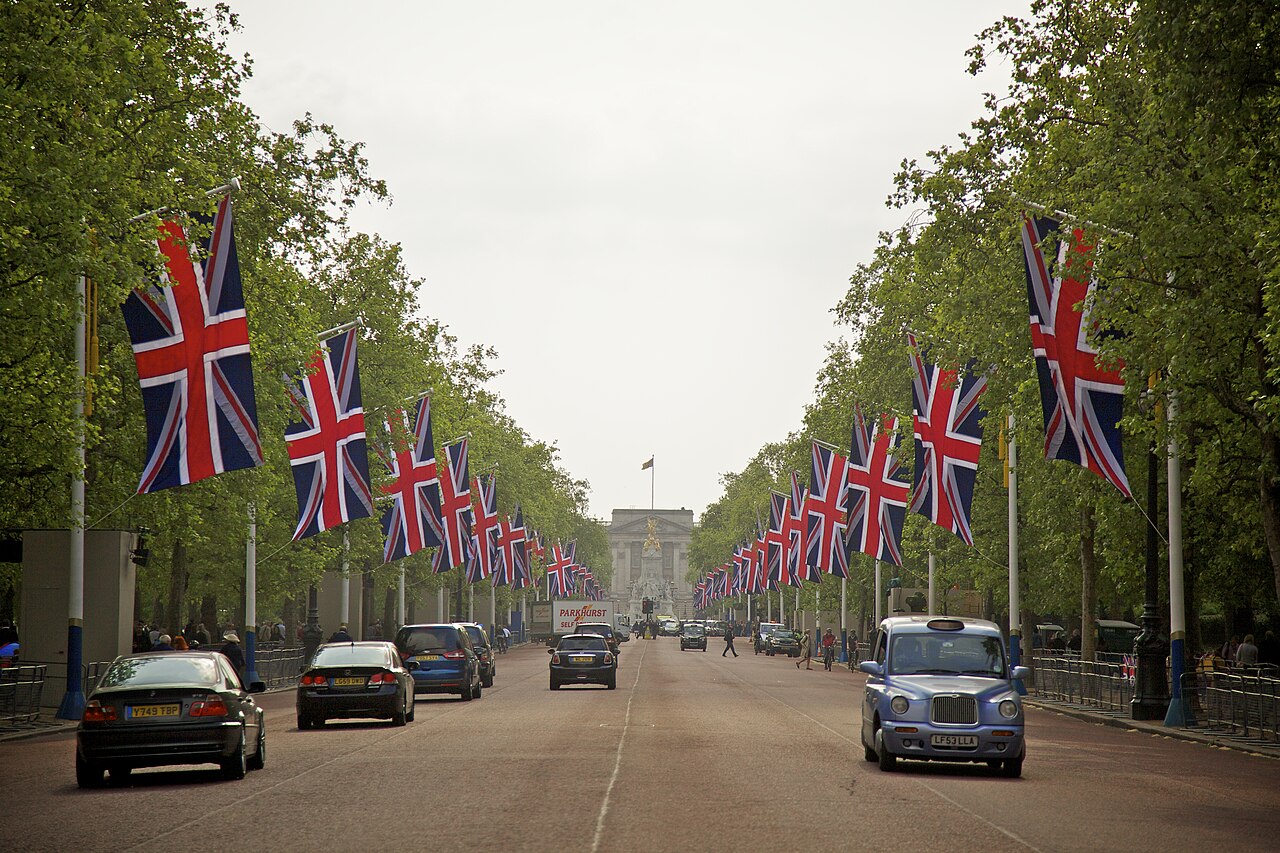
2 min walk · City of Westminster
The Mall
- Must see
- Historic monument
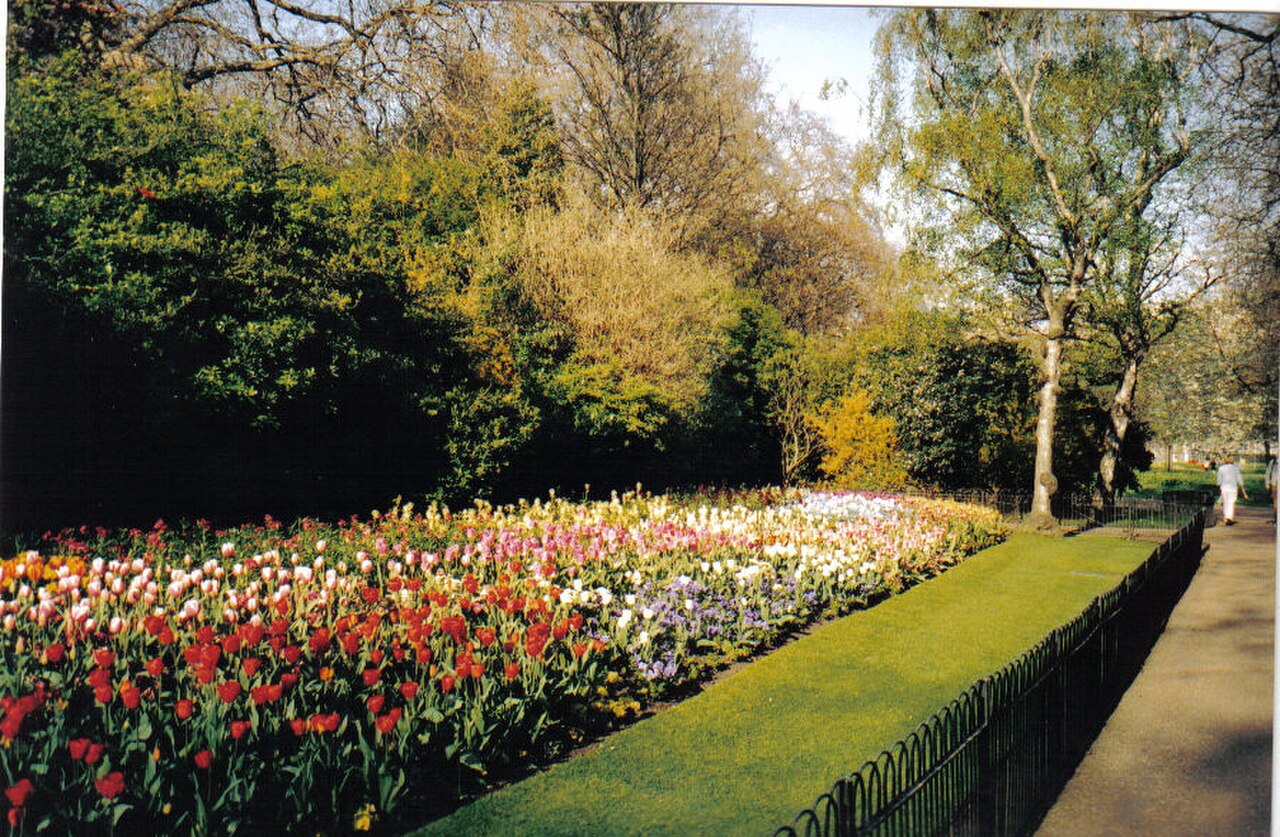
Historic monument · City of Westminster, London
St. James's Park
Read from the OpenStreetMap access tags; anything not listed has no tag recorded.
Set the group type to family in the planner and the day window contracts to about three quarters of a solo day.
St James's Park is a Royal Park in central London, located in the City of Westminster. It is the oldest of the capital's eight Royal Parks, with origins dating back to the Tudor period. The park sits at the heart of ceremonial London, bounded by Buckingham Palace to the west, The Mall to the north, Horse Guards to the east, and Birdcage Walk to the south. The park's lake and gardens form a significant green space within the urban environment, serving both recreational and ceremonial functions for residents and visitors alike.
Checked 2026-08-26
The park contains a lake with two islands, West Island and Duck Island, the latter historically serving as a collection point for waterfowl. The lake features a notable resident population of pelicans, originally gifted by a Russian ambassador in the seventeenth century. Formal gardens, including flower beds and shrubberies, are maintained throughout the grounds. The park contains the Tiffany Fountain on Pelican Rock and the Queen Victoria Memorial Gardens at its western edge. Various tree species and maintained lawns constitute the broader landscape. Wildlife includes water birds, squirrels, and insects supported by the aquatic and terrestrial habitats.
Checked 2026-08-26
A complete circuit of the park's perimeter paths covers approximately 1.5 kilometres, though visitors typically spend variable durations depending on interest. Casual walking from Buckingham Palace to Horse Guards via the central paths requires roughly twenty to thirty minutes at moderate pace. Extended visits incorporating the lake perimeter, garden areas, and resting periods commonly extend to one or two hours. The park's compact central London location permits flexible visiting without rigid time commitment. Visitors with specific interests in wildlife observation or botanical features may allocate additional time accordingly.
Checked 2026-08-26
Seasonal variations affect the park's visual character and wildlife activity. Spring displays flowering bulbs and nesting waterfowl. Summer provides fullest foliage and extended daylight hours. Autumn brings colour changes to deciduous trees. Winter offers reduced crowds and visibility of architectural surroundings through bare branches. Visitors should verify current opening times through official Royal Parks channels before planning. Weather conditions in London are variable throughout the year; appropriate clothing for rain and temperature changes is advisable regardless of season. Check the operator's own site for the travel date before relying on a schedule or fare.
Checked 2026-08-26
St James's Park is publicly accessible green space. No admission charges apply for general entry to the park grounds. Visitors seeking specific current information about any potential charges for facilities or activities within the park boundaries should consult official Royal Parks communications directly. The surrounding area contains numerous commercial establishments where incidental spending on refreshments or merchandise may occur, though such transactions are separate from park access itself. Check the operator's own site for the travel date before relying on a schedule or fare.
Checked 2026-08-26
The park is accessible via multiple London Underground stations. St James's Park station on the District and Circle lines serves the southern boundary. Westminster station on the Jubilee, District, and Circle lines lies to the south-west. Green Park station on the Jubilee, Piccadilly, and Victoria lines serves the north-western corner. Victoria station, a major rail and Underground interchange, is located to the south-west. Numerous bus routes operate along surrounding roads including The Mall and Victoria Street. The central location permits pedestrian access from surrounding districts. Cyclists may use designated routes though park interior paths have restrictions.
Checked 2026-08-26
The park's proximity to Buckingham Palace means ceremonial events can cause unpredictable crowding and access restrictions. The Changing of the Guard and state occasions may affect normal circulation patterns. Waterfowl feeding should follow responsible practices; bread is widely discouraged by wildlife welfare guidance. The lake edges lack continuous barriers in all locations; children require supervision near water. Cyclists and pedestrians share some peripheral routes. The park is actively patrolled but visitors should exercise standard urban precautions with personal belongings. Temporary closures or diversions for maintenance or events may occur without extensive advance public notification.
Checked 2026-08-26
The park offers numerous photographic subjects including lake reflections, wildlife, formal garden compositions, and framed views of Buckingham Palace and government buildings. Morning and evening light conditions vary seasonally. The east-west orientation of The Mall and lake permits consideration of sun position for specific shots. Wildlife photography requires patience and appropriate distance to avoid disturbance. Tripod use in busy areas may impede other visitors. Commercial photography and filming may require permits from the managing authority. Drone operation is subject to strict regulatory restrictions in central London airspace and Royal Parks specifically.
Checked 2026-08-26
The pelicans have been a long-standing feature of the park. Visitors report consistent presence, though specific daily locations within the lake area vary. Wildlife behaviour is not guaranteed.
Dogs are permitted in Royal Parks generally, though specific control requirements apply. Visitors should observe signage and current regulations regarding leash requirements and exclusion zones.
The park contains paved paths suitable for wheeled access, though some garden areas and lakeside margins may present difficulties. Path gradients and surface conditions vary across the site.
Public toilet facilities have been reported in the park vicinity. Visitors should verify current operational status and locations through official sources, as facility availability changes.
The lake is not designated for public swimming or casual boating. Water access is restricted to wildlife management and authorised activities only.
Royal Parks typically operate with opening and closing times. Visitors should consult official Royal Parks communications for current access times.
Loading the interactive map…
The interactive map could not be loaded.
Last updated:
Source: OpenStreetMap contributors, Wikidata ·