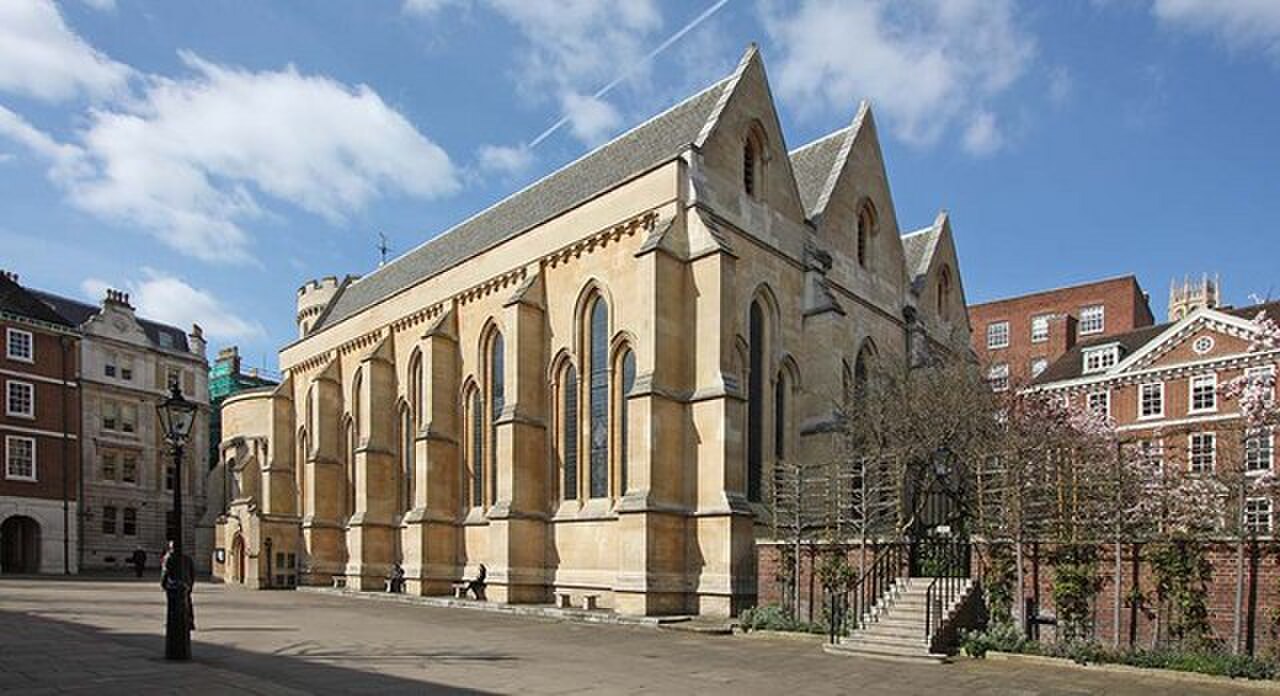
Temple Church is a historic chapel between Fleet Street and the River Thames in central London. Built by the Knights Templar in the twelfth century, it is known for its unusual round nave and its connection with the Inner and Middle Temple, two Inns of Court. The church remains part of a living legal and religious precinct, giving a visit a quieter, more enclosed character than a typical central London attraction. Temple Church is a historic church in central London, located between Fleet Street and the River Thames. It serves as the chapel of the Inner and Middle Temple, two of the four Inns of Court. The church was built by the Knights Templar in the 12th century and remains a distinctive round church, one of few such structures in England. It has survived significant historical events including the Dissolution of the Monasteries and the Blitz during World War II. Temple Church permits visitors but primarily functions as a chapel for the Inner and Middle Temple. Access may be restricted during services, legal ceremonies, or private events. Visitors should verify current arrangements before travelling.
The round church contains medieval architectural features and thirteenth-century stone effigies of knights, among the oldest surviving military effigies in England. A later rectangular chancel, stained glass, memorials and historic furnishings show how the building developed beyond its original circular form. The combination of Romanesque and Gothic elements rewards close looking. Move carefully around the floor-level monuments and give yourself time to understand the contrast between the round nave and chancel. The church contains medieval architecture including the original round nave and later rectangular chancel. Notable features include 13th-century effigies of knights on the floor of the round church, among the oldest surviving military effigies in England. The interior also contains stained glass windows, memorials, and historical furnishings accumulated over centuries of use. The building combines Romanesque and Gothic architectural elements reflecting its construction phases.
The church interior usually fits into a thirty-to-sixty-minute visit. Medieval history enthusiasts may spend longer examining the effigies, windows and architectural transitions. Add time for the surrounding Temple precincts, where gardens, historic buildings and legal institutions create a broader setting. Because the church is compact, it works well as one stop on a walk linking Fleet Street, the Embankment, St Paul's and the river rather than as an isolated half-day destination.
Temple Church functions as a chapel rather than a continuously open museum, and access can be affected by services, ceremonies and the work of the Inns of Court. A flexible weekday plan fits the character of the precinct well. Visit during daylight if you want to appreciate the exterior and surrounding gardens, then continue toward the Thames. Leave spare time because a tightly timed itinerary may not suit a working church in a legal district.
Temple Church is not structured like a standard commercial attraction. Visitor access has included free entry and requested donations at different times, while special arrangements may apply to particular activities. The chapel's primary purpose is worship and service to the Inner and Middle Temple. Plan the visit around the building's architecture, medieval effigies and setting, and carry a respectful attitude toward any contribution requested for maintenance.
Temple Underground station on the District and Circle lines is a practical approach. Blackfriars station and the Fleet Street and Strand bus routes also serve the area. The church lies within the Temple precincts, so the final approach passes through a district with controlled or private areas. Walking is particularly effective from St Paul's, the Embankment, Fleet Street or the river, but follow signs and use public entrances.
This is an active chapel in a legal precinct, so services, ceremonies and restricted areas take priority over sightseeing. The building has steps and uneven surfaces, and the knight effigies lie on the floor; do not walk across them. Observe signs around private legal premises and conservation areas. A quiet manner is important inside, while the surrounding lanes can feel enclosed and unfamiliar compared with London's main thoroughfares.
The round nave, knight effigies and contrast between the circular and rectangular spaces provide strong subjects for architectural photography. Interior light can be subdued, so steady handheld technique is more useful than bringing bulky equipment into the compact church. Respect posted restrictions, worshippers and the legal precinct. Exterior photographs can include the distinctive round form, although trees and neighbouring buildings may narrow the clearest views from nearby paths.