


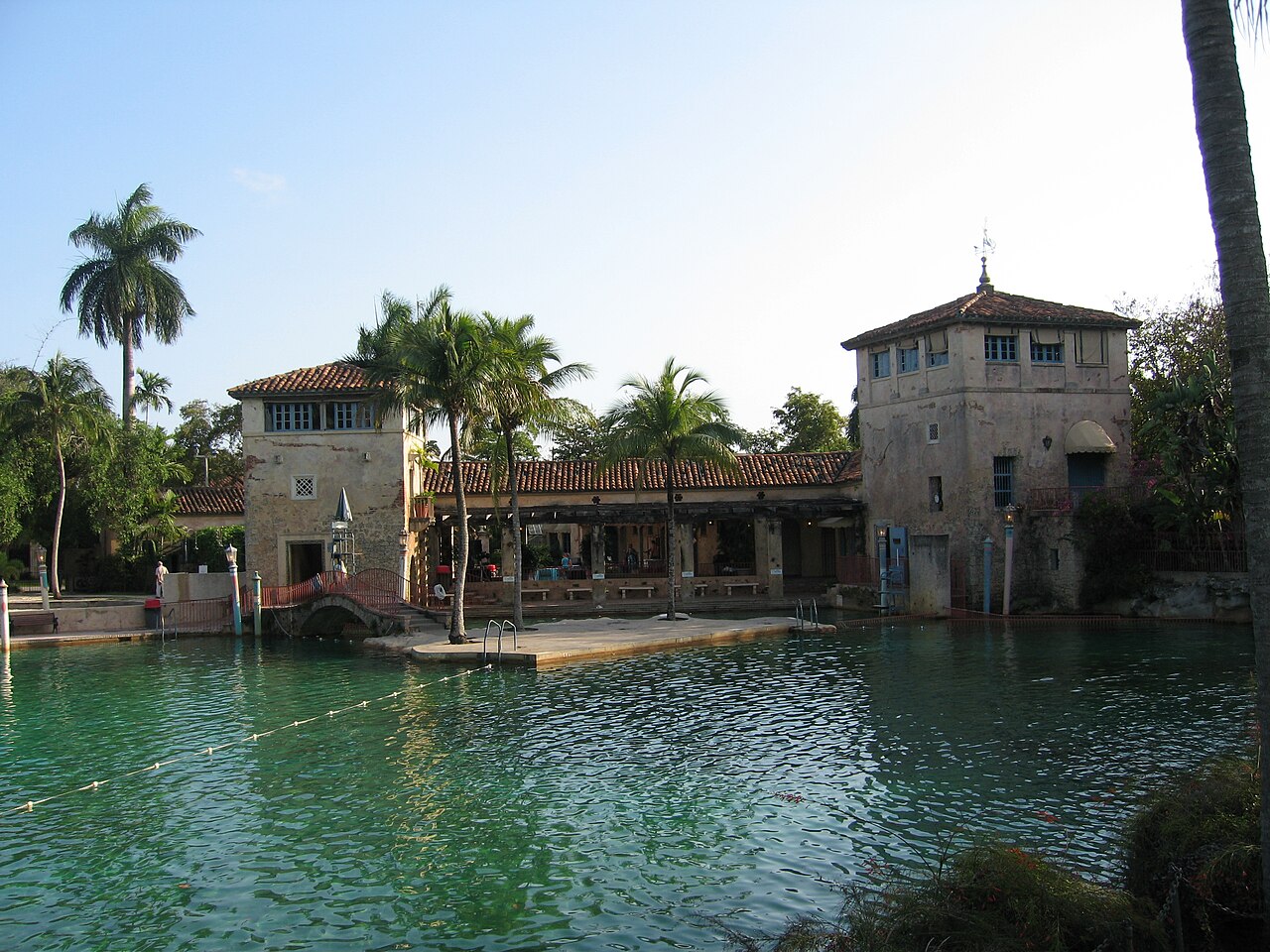
11 min walk
Venetian Pool
- Must see · Heritage site
- Historic monument
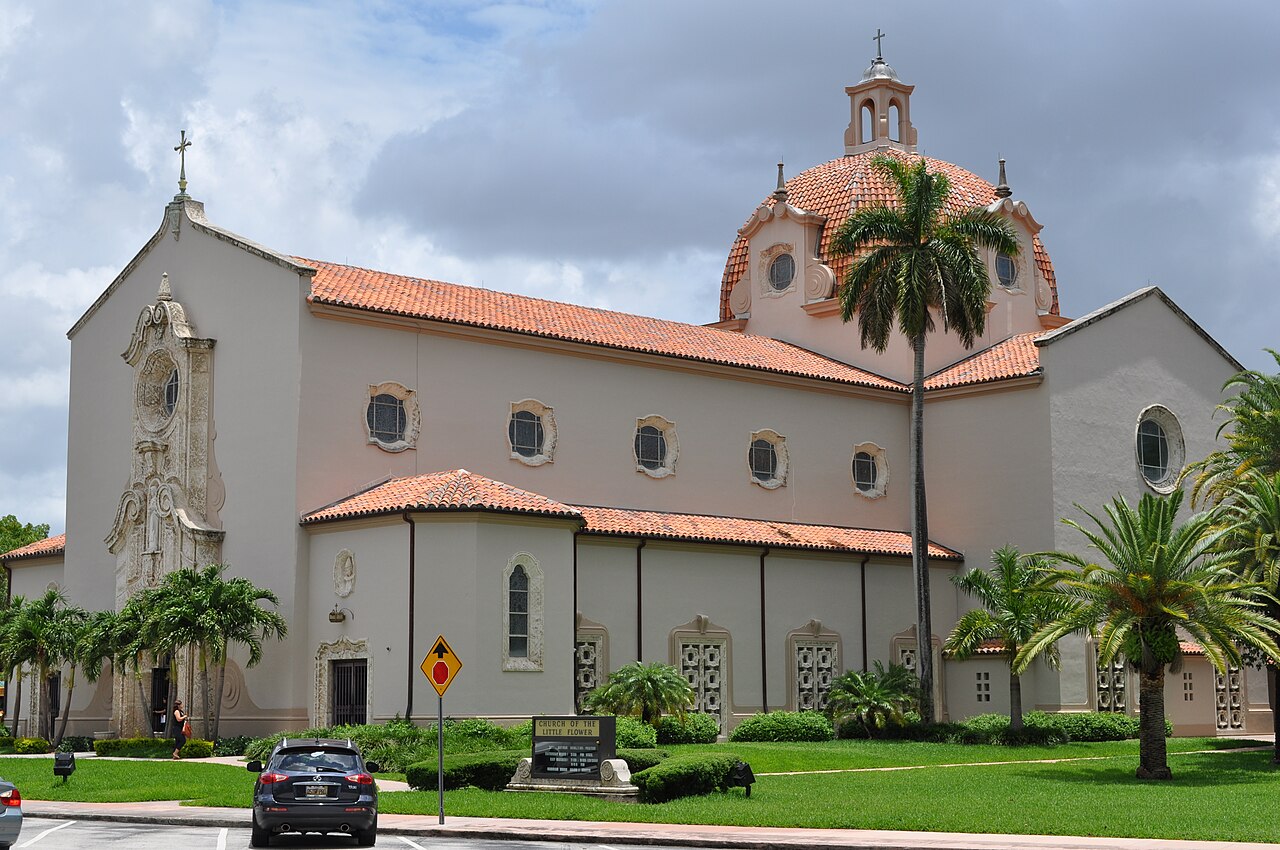
Place of worship · Miami
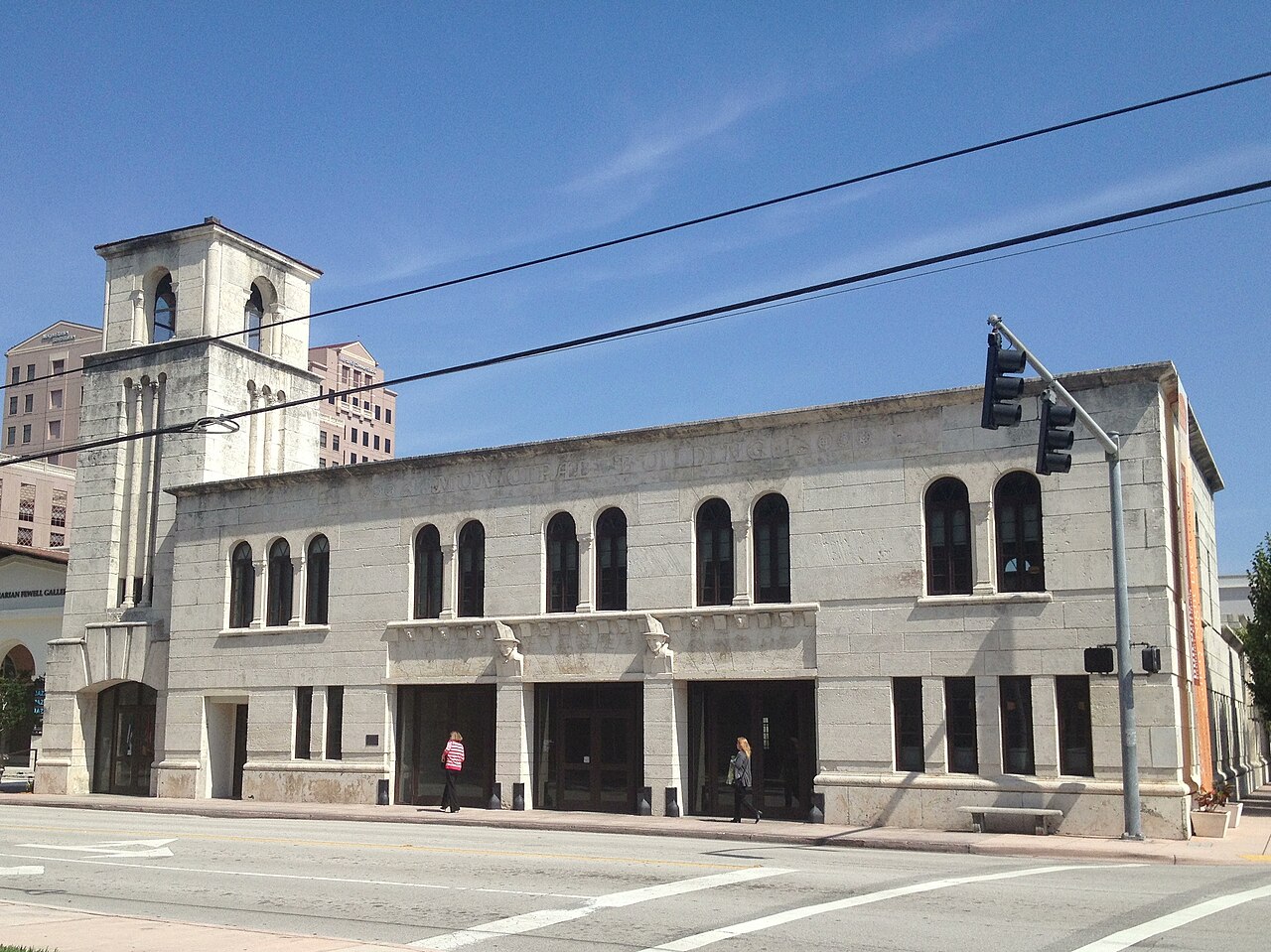
Church of the Little Flower is a Roman Catholic church in Coral Gables, within the Miami metropolitan area. Its Romanesque Revival design gives the building a strong architectural presence, with rounded arches, substantial masonry, and balanced massing. The church remains an active parish, so its importance is both religious and civic. For travelers, it is a useful stop for seeing how Coral Gables combines planned-city character with South Florida ecclesiastical architecture. The Church of the Little Flower is a Roman Catholic church located in Coral Gables, Florida, within the greater Miami metropolitan area. The building exemplifies Romanesque Revival architecture, distinguished by its rounded arches, substantial masonry construction, and symmetrical massing. It serves as a prominent religious and architectural landmark in Coral Gables, a planned community developed during the Florida land boom era. The church holds significance for both worshippers and architectural observers, representing an established period of ecclesiastical construction in South Florida. Its presence contributes to the historic character of the Coral Gables streetscape. The church functions as an active parish. Non-Catholic visitors may generally observe the exterior architecture from public spaces. The church is an example of Romanesque Revival architecture, recognized by its rounded arches, substantial masonry construction, and symmetrical massing.
Checked 2026-08-26 · Source
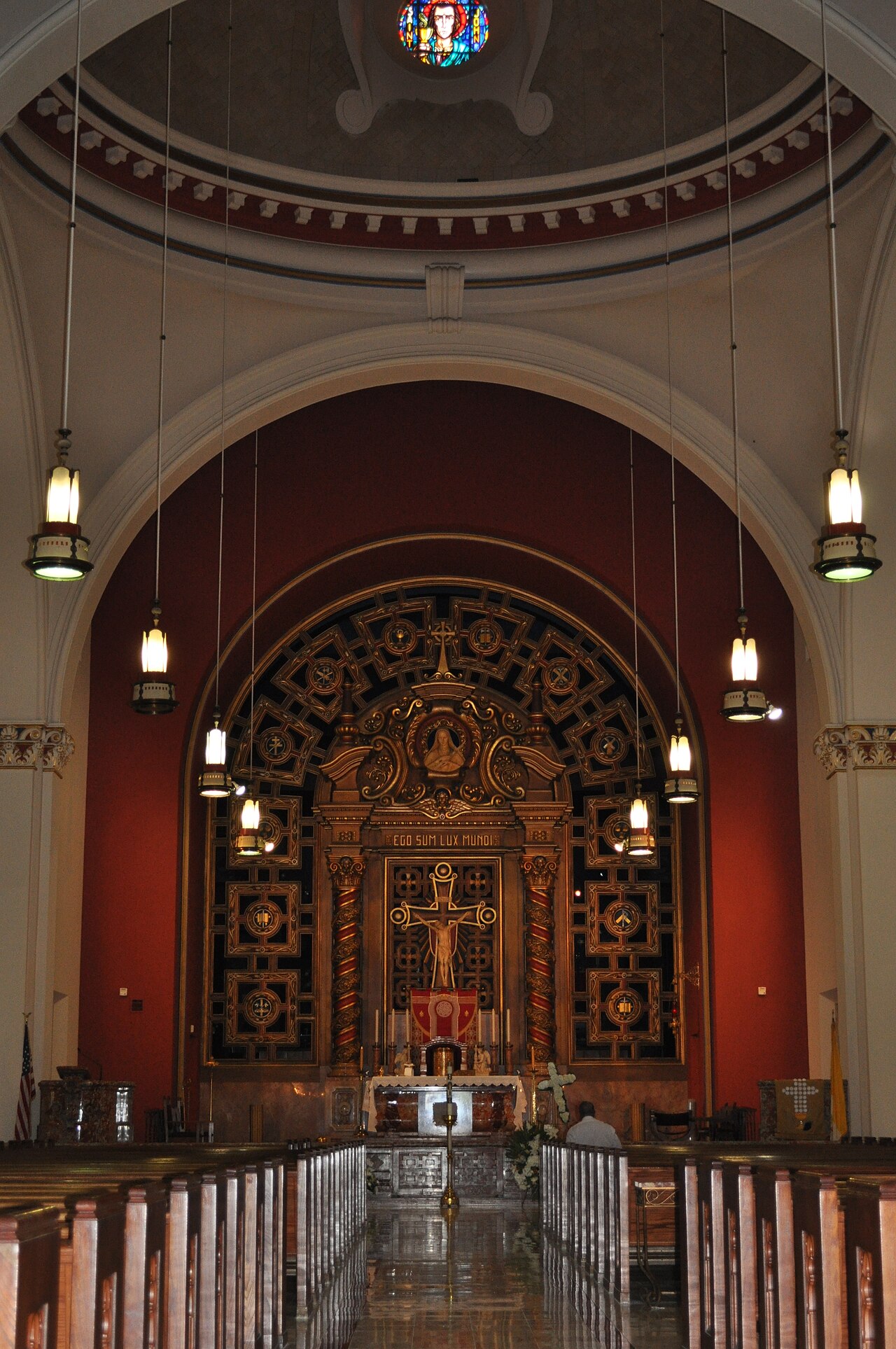
The church is primarily a place for Catholic worship rather than a museum. Inside, visitors encounter the visual language expected of a Roman Catholic parish, including a worship space organized around the altar, seating for congregants, and religious decoration. The Romanesque Revival exterior sets expectations for rounded forms and weighty construction. Enter quietly, keep voices low, and remember that the congregation's religious use takes priority over sightseeing. As a functioning Roman Catholic parish church, the interior typically contains liturgical furnishings including an altar, pews for congregants, and religious artwork consistent with Catholic tradition. The Romanesque Revival style suggests possible features such as rounded arch openings, substantial columnar supports, and perhaps stained glass windows. Visitors should observe that active places of worship maintain spaces primarily for religious services rather than touristic display.
Checked 2026-08-26 · Source
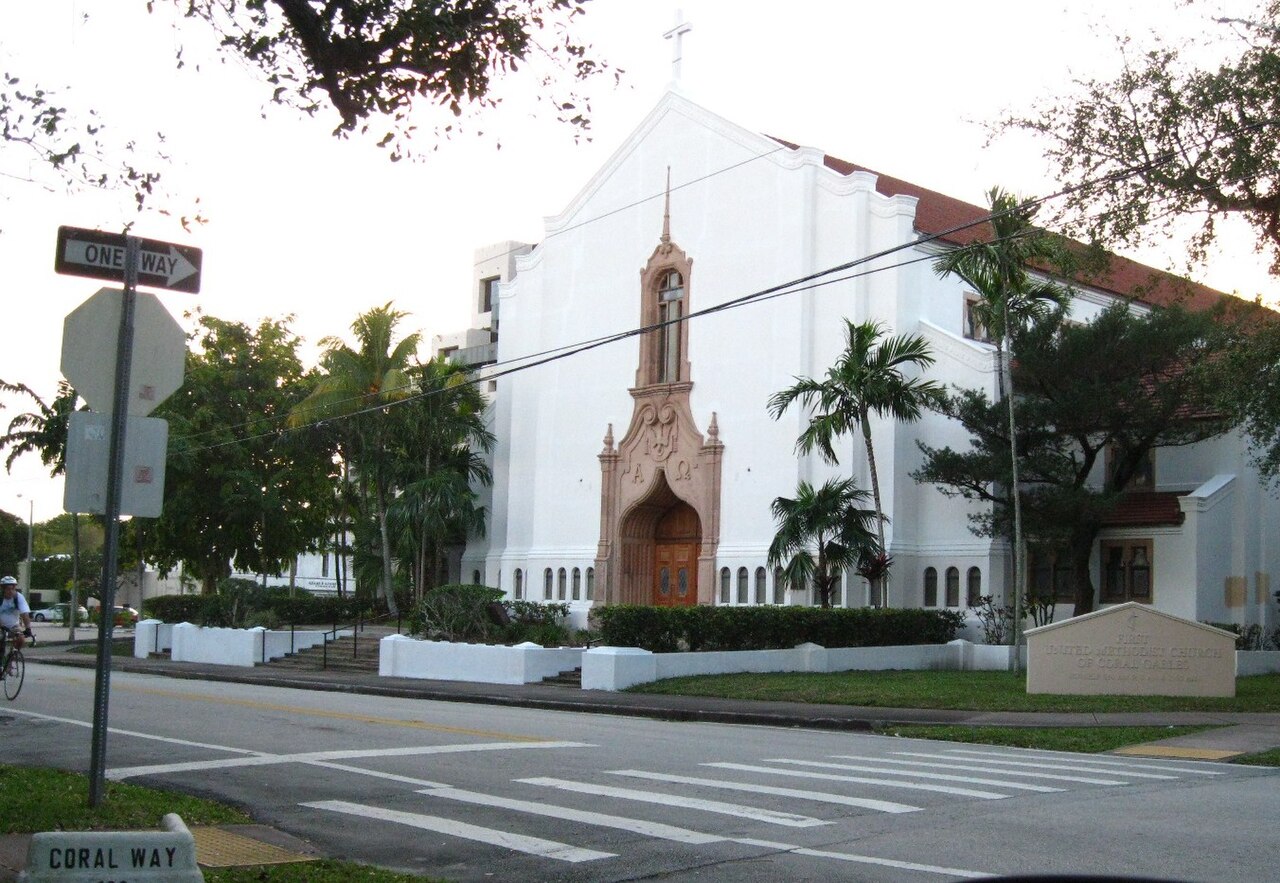
Allow about fifteen to thirty minutes for an exterior visit, including time to study the facade, arches, masonry, and relationship between the church and Coral Gables streetscape. If you attend a Mass, your visit follows the service's own duration rather than a sightseeing schedule. Travelers combining worship with architectural observation should leave enough time to arrive calmly, settle in, and depart without interrupting parish activity.
Checked 2026-08-26 · Source
The church is an active parish, making the character of a visit depend on whether worship is taking place. Daylight is the most practical time for appreciating the exterior and its masonry details. Miami is warm and humid, with summer storms that can arrive quickly; winter generally offers more comfortable conditions for walking around Coral Gables. Plan your visit around the quiet, respectful rhythm of a working church.
Checked 2026-08-26 · Source
This is a parish church, not a ticketed museum. Travelers viewing the building from public space do not need an attraction ticket, and worship is part of the church's religious life rather than a commercial performance. Treat the visit as a respectful encounter with an active congregation. Any voluntary contribution belongs to parish practice, not to an admission system for architectural sightseeing.
Checked 2026-08-26 · Source
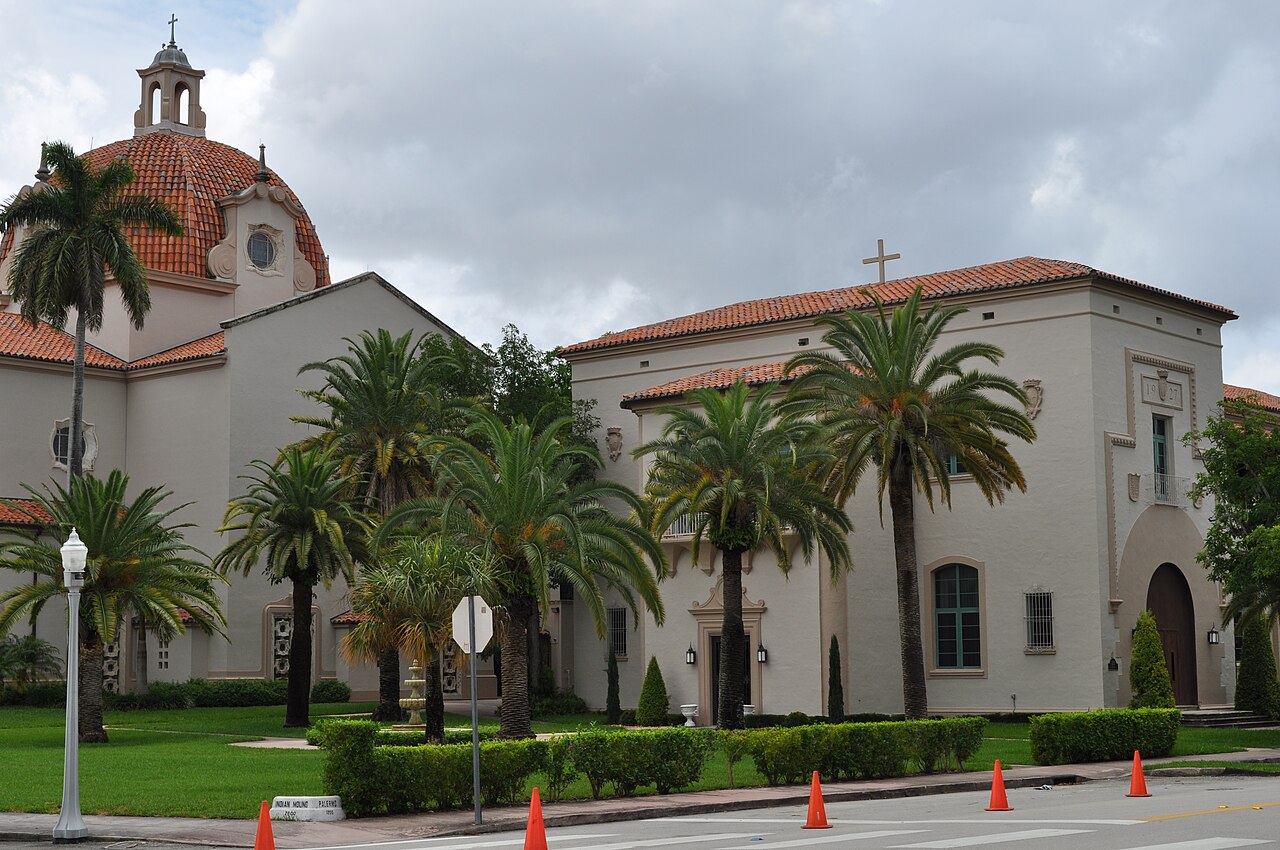
Church of the Little Flower is in Coral Gables, southwest of central Miami. The wider area is connected to Miami-Dade's road and public-transport network, including US Route 1 and the Coral Way corridor. Visitors can approach through the Coral Gables street grid by car, rideshare, or transit, then continue on foot near the church. Allow extra time for urban traffic and make parking decisions from clearly marked local signs.
Checked 2026-08-26 · Source
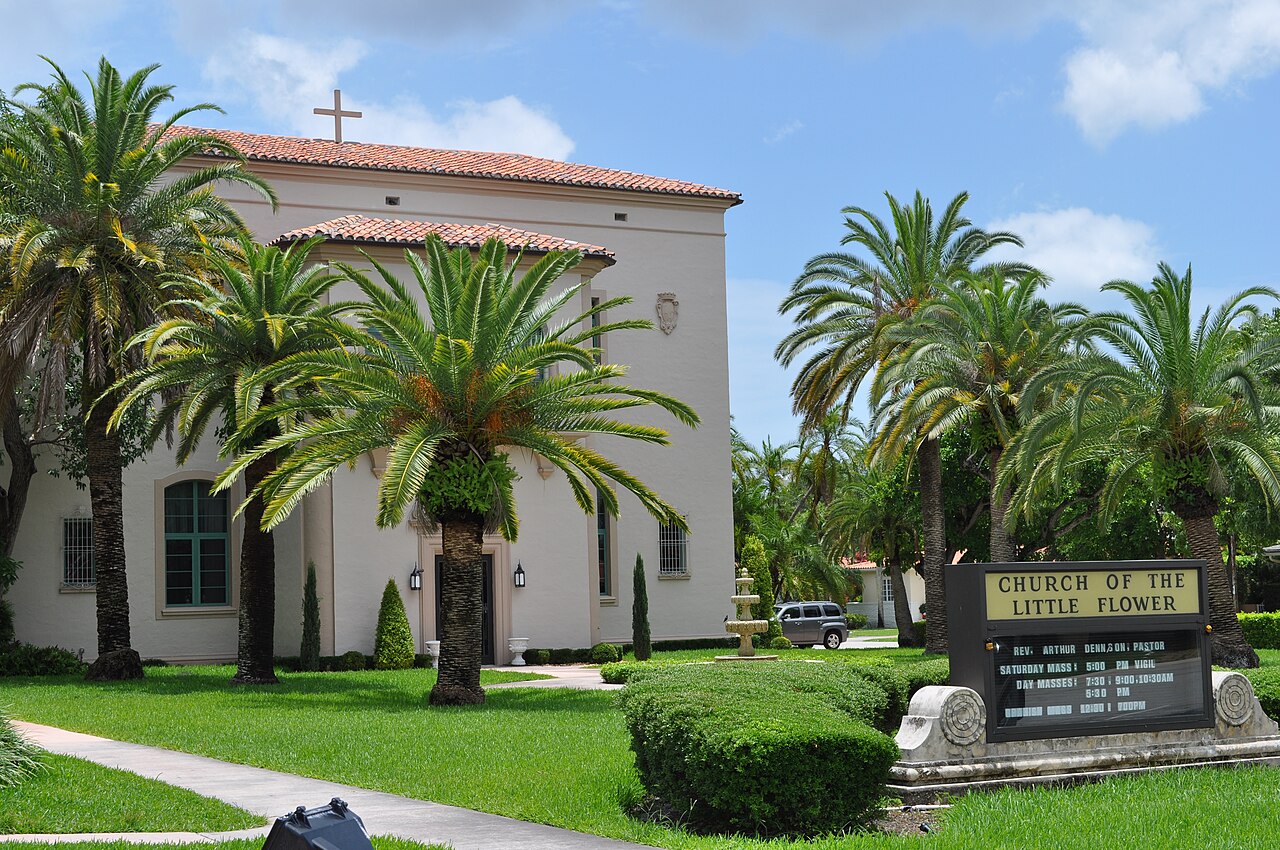
Remember that this is a functioning place of worship. Dress and behave respectfully, keep clear of parish activity, and avoid entering areas that are not plainly open to visitors. Miami's heat and strong sun make water, shade, and sun protection useful during an exterior stop. Summer storms may interrupt outdoor viewing. Around Coral Gables streets, watch traffic carefully and follow posted parking restrictions rather than blocking access.
Checked 2026-08-26 · Source
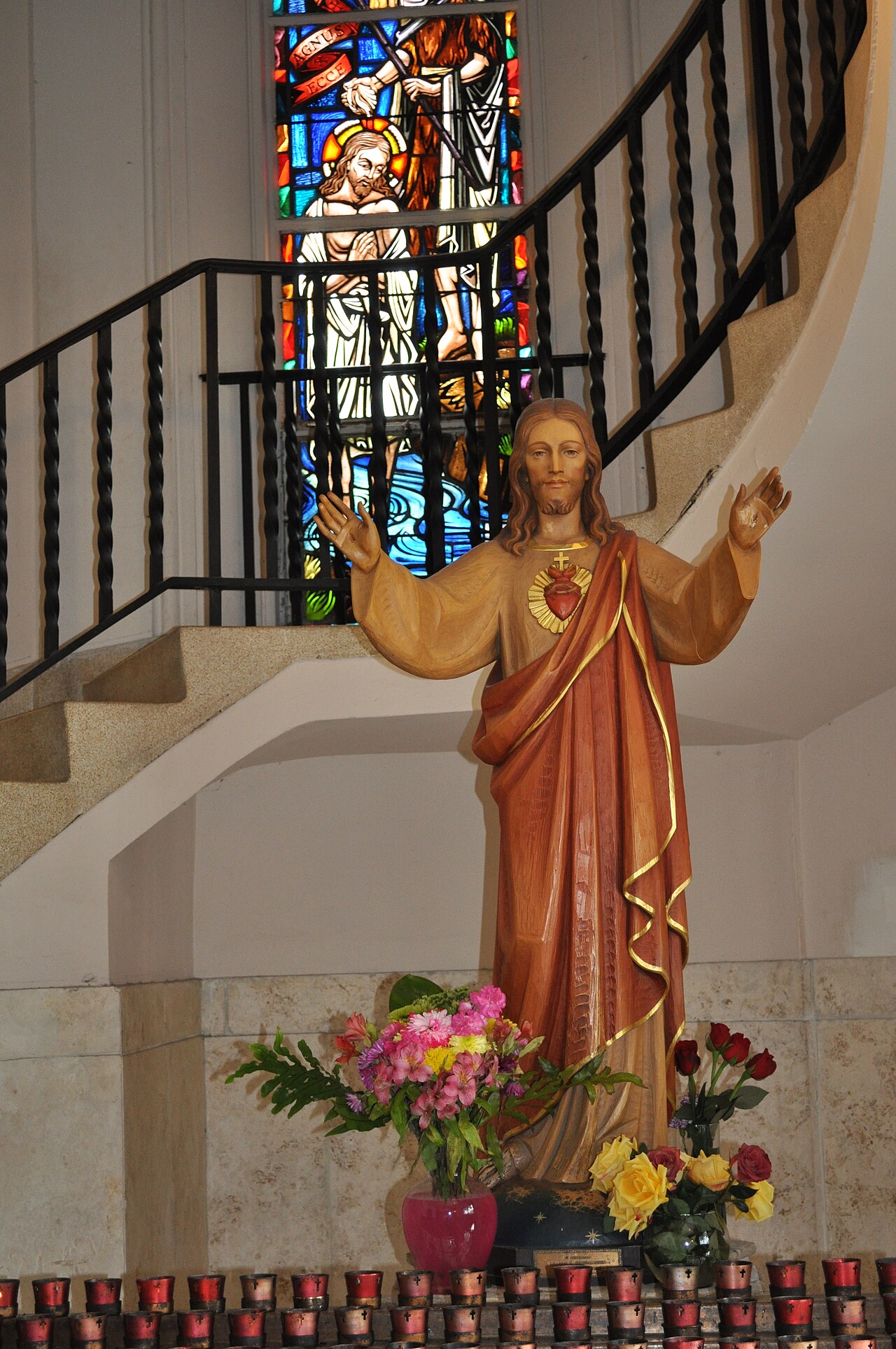
The Romanesque Revival facade is the main photographic subject, especially its rounded arches, masonry surfaces, symmetry, and place within the Coral Gables streetscape. Photograph from public space without obstructing pedestrians or parish access. Inside, put worshippers and the service first; keep equipment unobtrusive and do not use disruptive flash. A quiet approach produces better architectural photographs and respects the church's religious purpose.
Checked 2026-08-26 · Source
The church is an example of Romanesque Revival architecture, recognized by its rounded arches, substantial masonry construction, and symmetrical massing.
It is an active Roman Catholic parish church in Coral Gables, serving worshippers while also contributing to the area's architectural character.
Allow roughly fifteen to thirty minutes for exterior viewing and architectural observation. A worship visit follows the duration of the service you attend.
The exterior can be appreciated as part of Coral Gables' streetscape. Anyone entering during parish activity should behave respectfully and give worship priority.
Focus on the Romanesque Revival facade, rounded arches, masonry, symmetry, and the church's setting within Coral Gables.
Church of the Little Flower is in Coral Gables, southwest of central Miami, within the Miami-Dade metropolitan area.
Loading the interactive map…
The interactive map could not be loaded.
Last updated:
Source: OpenStreetMap contributors, Wikidata ·