


4 min walk
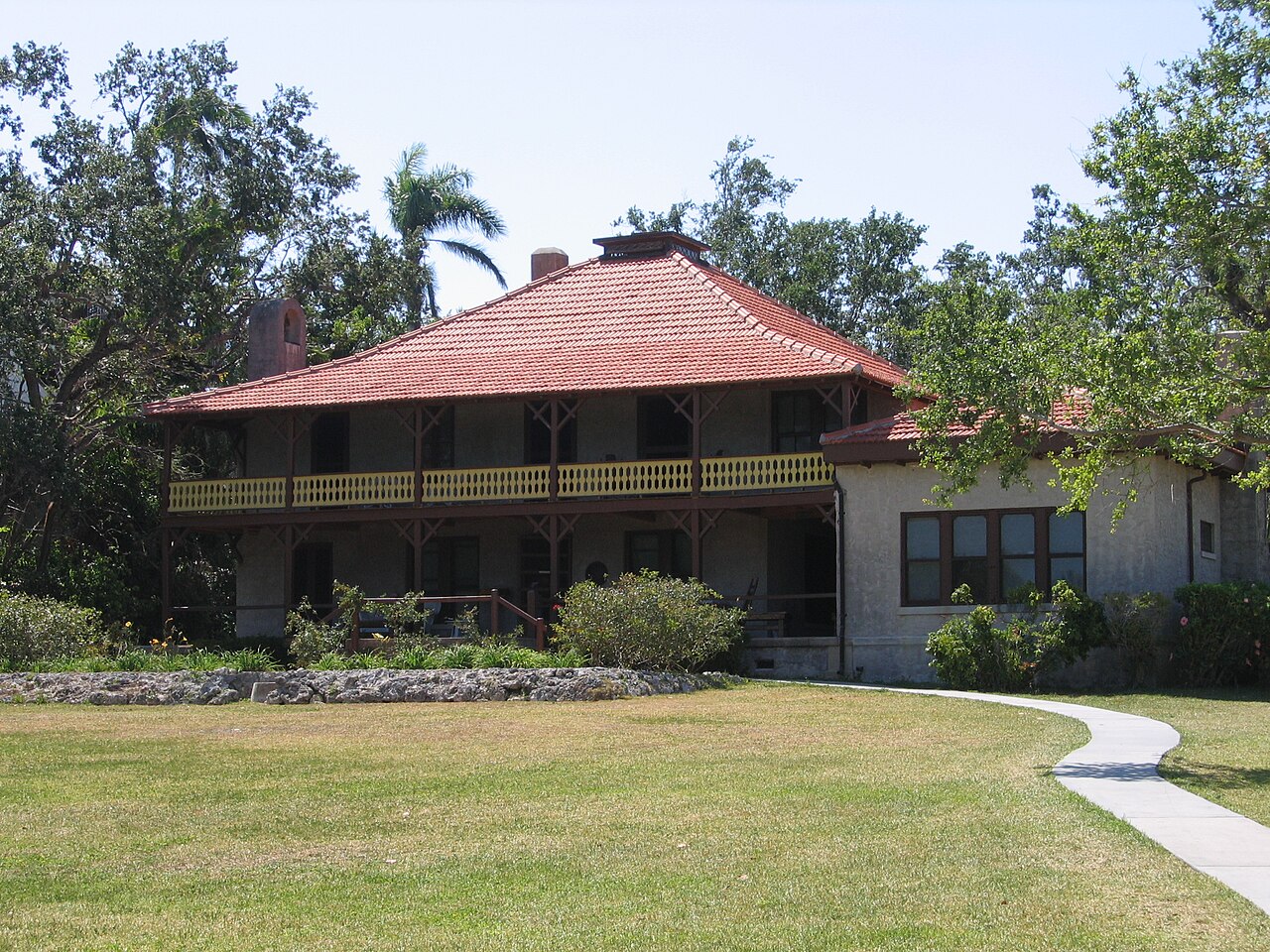
The Barnacle Historic State Park
- Must see · Heritage site
- Nature site
Art and culture venue · Miami
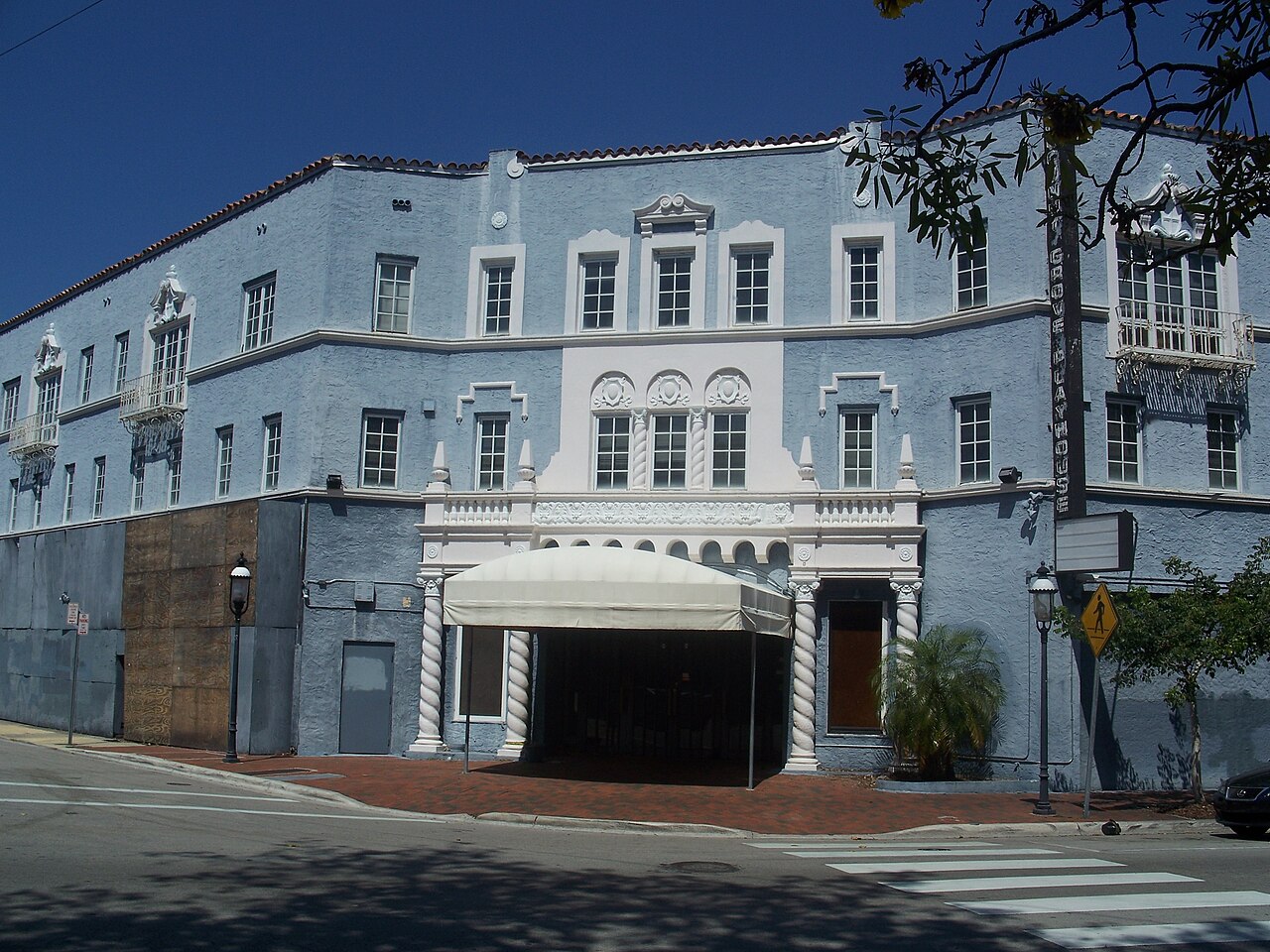
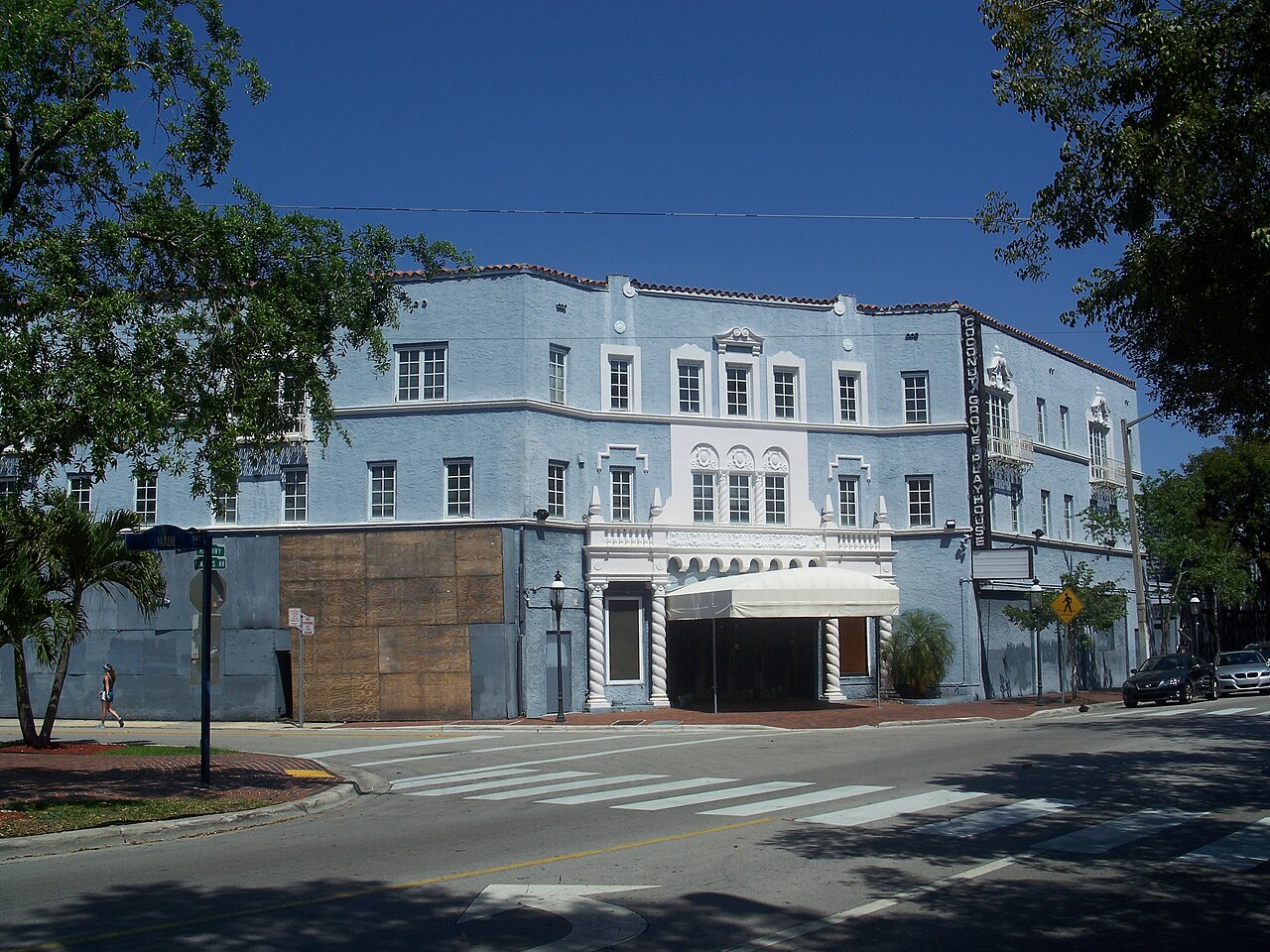
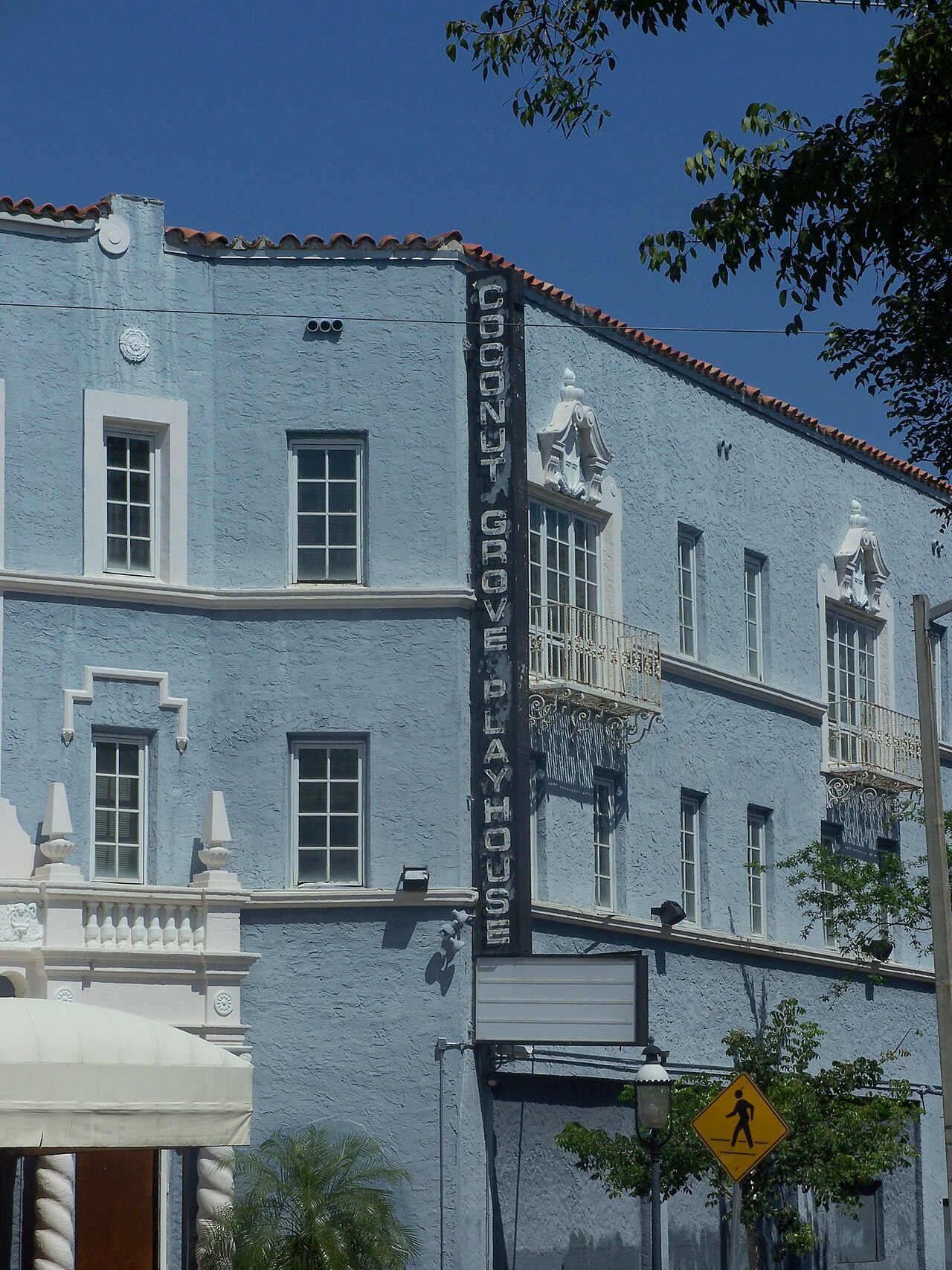
Coconut Grove Playhouse is a historic theatre landmark in Miami’s Coconut Grove neighborhood. Its identity is tied to live performance, theatrical architecture, and the cultural life of one of Miami’s oldest communities. Even when you are exploring the neighborhood rather than attending a show, the building provides a useful cultural reference point. Pair it with a walk through Coconut Grove to experience the contrast between Miami’s waterfront setting, leafy streets, and long-established performing-arts heritage. The Coconut Grove Playhouse is a historic theatre landmark located in the Coconut Grove neighborhood of Miami, Florida. It stands as a significant cultural institution with a long-standing presence in the city's performing arts scene. The venue has served as a prominent stage for theatrical productions over many decades. Its architectural and historical importance is recognized within the community. The playhouse has undergone various phases of operation and renovation throughout its existence. Visitors approaching the site will encounter a building with established heritage credentials in one of Miami's oldest neighborhoods. The venue has experienced closures and renovations; visitors must verify status through official sources before planning attendance.
Checked 2026-08-26 · Source
The playhouse was designed for theatrical performance, with audience seating facing a stage and performance area. Its architectural character reflects theatre traditions from an earlier period, making the building itself part of the experience. An exterior visit is the clearest activity supported here. If a performance is taking place, the interior experience centers on the stage, auditorium, audience atmosphere, and the rhythm of a live production rather than cinema-style entertainment. The interior configuration of the Coconut Grove Playhouse historically accommodated theatrical staging with audience seating oriented toward a proscenium or similar performance space. The building's design reflects theatrical conventions of its era.
Checked 2026-08-26 · Source
Allow a short stop if you are viewing the playhouse from outside while exploring Coconut Grove. The building can serve as one cultural waypoint within a broader neighborhood walk. A performance visit takes longer because you need time to arrive, settle into the auditorium, watch the production, and accommodate any intermission. The right length therefore depends on whether your visit is architectural sightseeing or a planned evening at the theatre.
Checked 2026-08-26 · Source
Choose daytime for an exterior look combined with a Coconut Grove walking route, when the surrounding streets and neighborhood atmosphere are easiest to enjoy. If you are attending a production, your visit follows the scheduled performance rather than a sightseeing timetable. Evening shows can make the theatre a natural part of a night out in the neighborhood. Outdoor visits should also account for Miami’s strong sun, heat, and sudden rain.
Checked 2026-08-26 · Source
The theatre’s ticket experience belongs to its live-performance function. When a production is offered, admission is connected to that particular event and its seating arrangements. An exterior view is a neighborhood sightseeing stop rather than a ticketed performance. Treat the playhouse as part of a cultural itinerary: combine the landmark with Coconut Grove’s streets, waterfront character, and other nearby public spaces instead of planning a theatre visit around a general museum-style admission.
Checked 2026-08-26 · Source
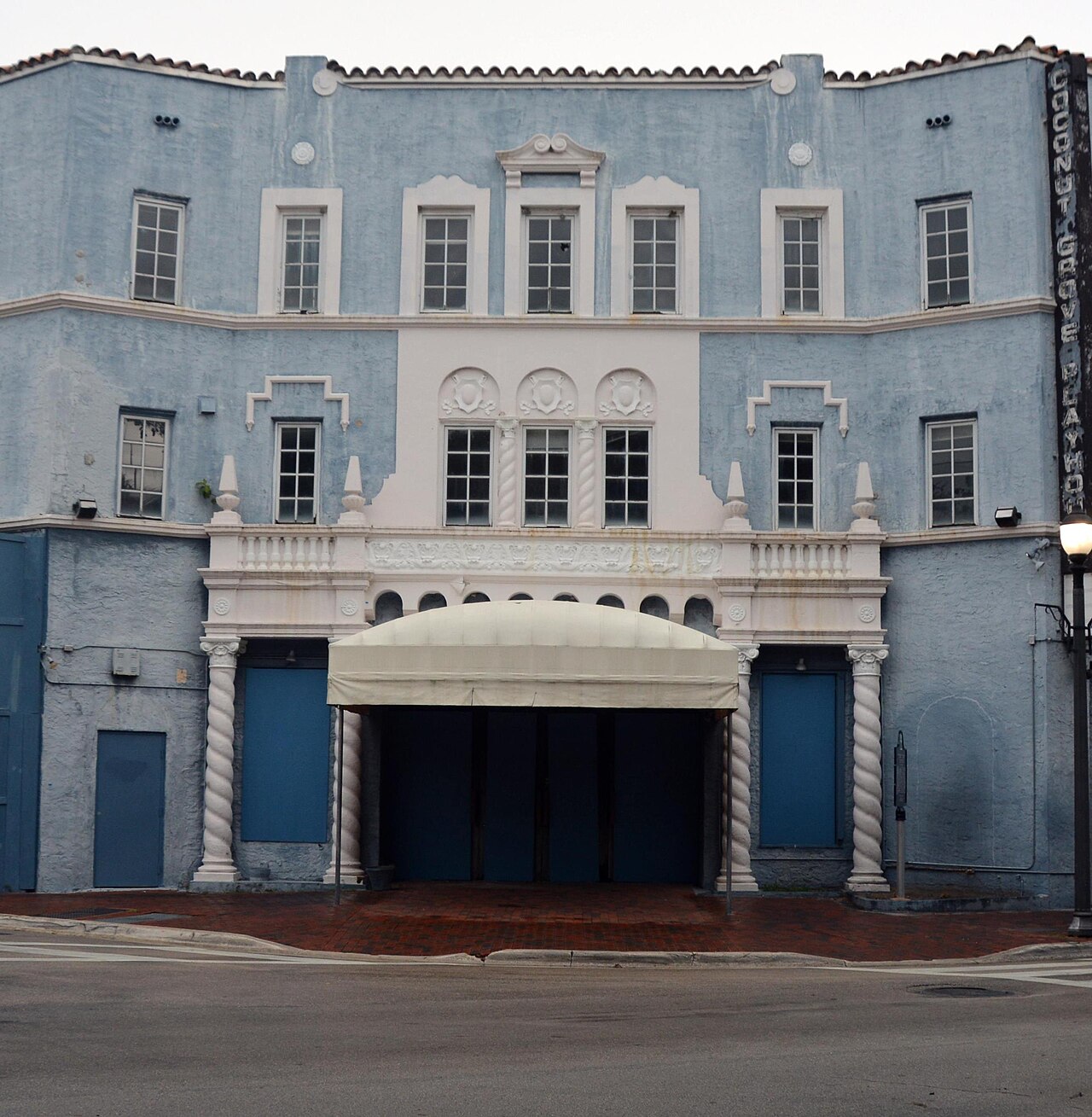
The playhouse is in Coconut Grove, a southern Miami neighborhood served by the city’s wider street and public-transport network. Approach it as part of a neighborhood outing: use the theatre as a fixed landmark, then continue on foot through nearby streets. Drivers should treat parking as a separate practical issue from seeing the building. Cyclists and pedestrians can incorporate the site into a broader Coconut Grove route, while transit users should plan the final local connection.
Checked 2026-08-26 · Source
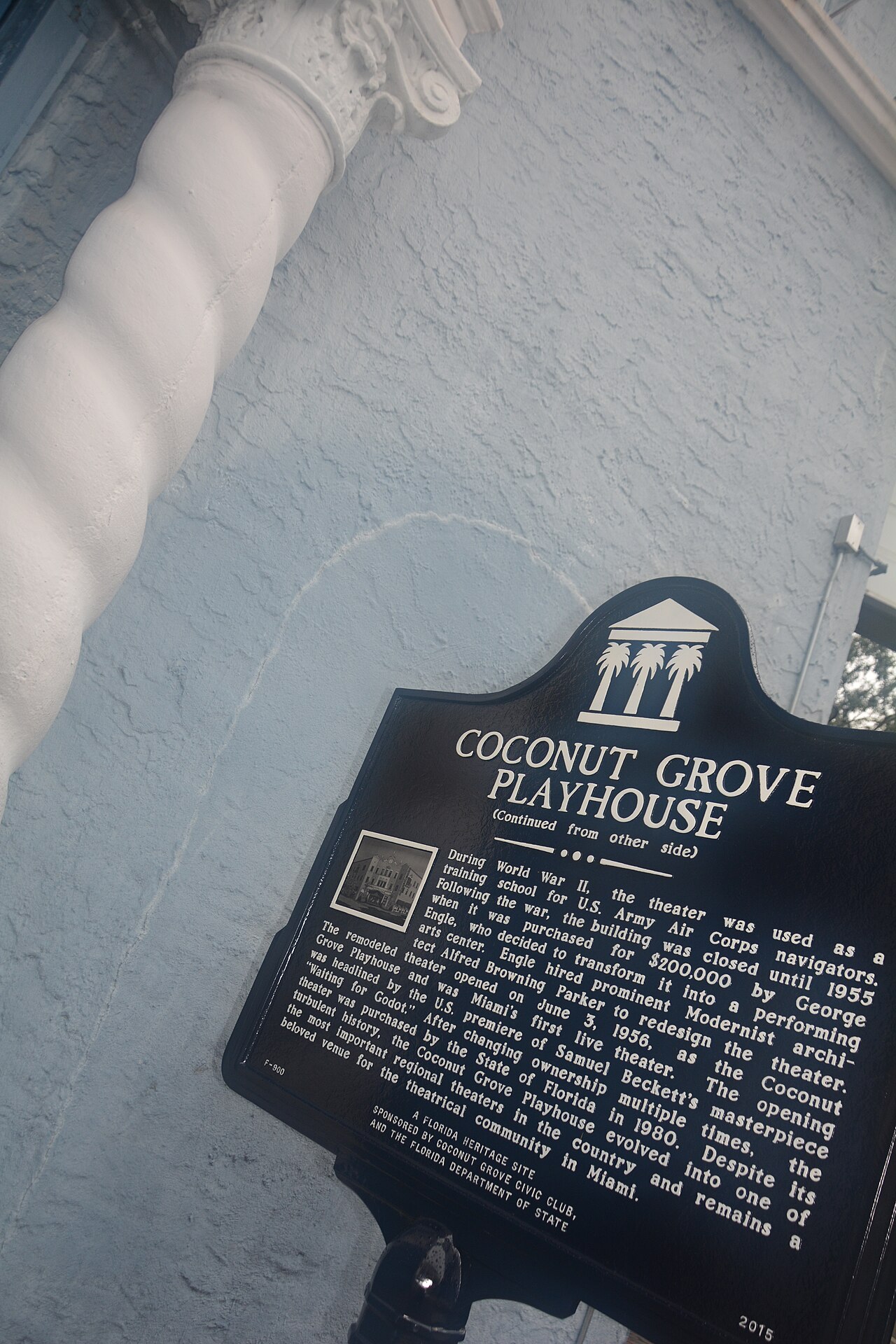
Respect the boundary between public sightseeing and theatre operations. Do not enter restricted areas or cross construction barriers, and follow signs around the building. Coconut Grove’s outdoor conditions can be hot, intensely bright, and rainy within a short period, so a light rain layer and water are useful for a walking visit. At night, stay attentive to traffic and other pedestrians. If you need step-free access or seating assistance, arrange it directly for the specific event.
Checked 2026-08-26 · Source
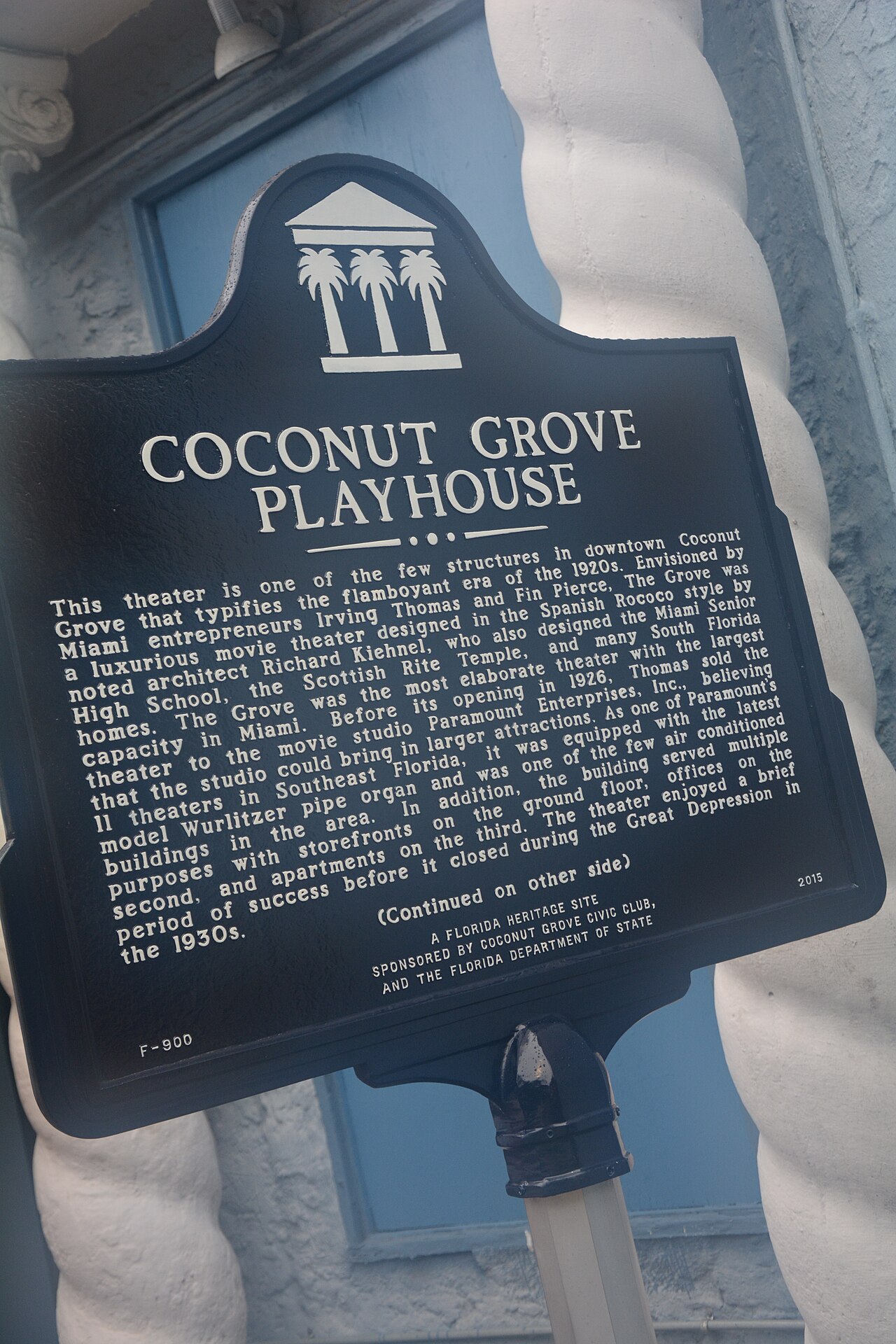
The exterior is the most straightforward subject for personal photography, especially when you are documenting Coconut Grove’s cultural landmarks. Frame the theatre with the surrounding streets to show its neighborhood setting rather than treating it as an isolated façade. During a performance, keep cameras and phones from disturbing actors or other audience members, and follow venue signs about recording. Avoid photographing restricted work areas, staff activity, or private individuals without permission.
Checked 2026-08-26 · Source
It is a historic theatre landmark in Miami’s Coconut Grove neighborhood, associated with live theatrical performance and the area’s cultural heritage.
The building was designed for live theatre, with audience seating oriented toward a stage and performance area.
It is located in Coconut Grove, a historic neighborhood in Miami, Florida.
Yes. The theatre works as a cultural landmark within a broader walk through Coconut Grove’s established streets and neighborhood setting.
The exterior and its relationship to Coconut Grove’s streets provide the clearest subjects for personal travel photography.
Sun protection, water, and a light rain layer are useful because Miami walks can be bright, hot, and affected by sudden showers.
Loading the interactive map…
The interactive map could not be loaded.
Last updated:
Source: OpenStreetMap contributors, Wikidata ·