

.jpg)
9 min walk
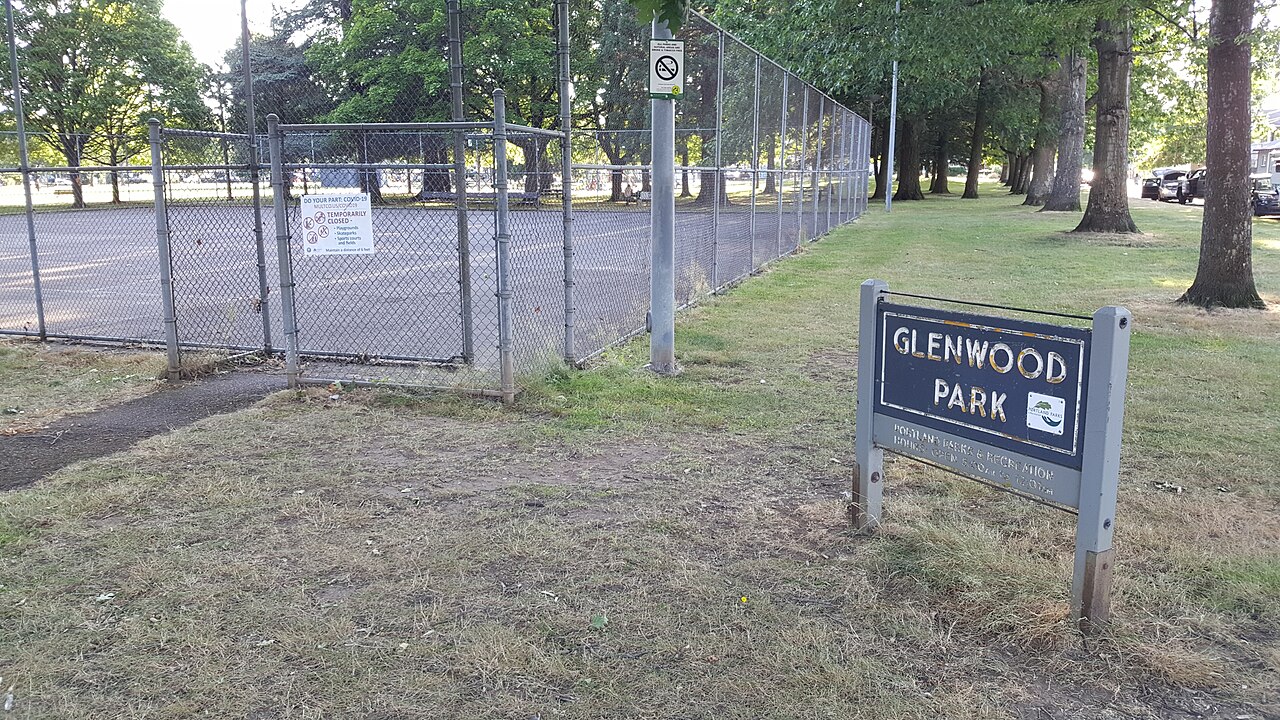
Glenwood Park
- Notable
- Nature site
Museum · Miami
The Historic Hampton House
| Monday | 09:00 – 17:00 |
|---|---|
| Tuesday | 09:00 – 17:00 |
| Wednesday | 09:00 – 17:00 |
| Thursday | 09:00 – 17:00 |
| Friday | 09:00 – 17:00 |
| Saturday | 09:00 – 17:00 |
| Sunday | 09:00 – 17:00 |
Parsed from OpenStreetMap opening hours on 2026-09-09.
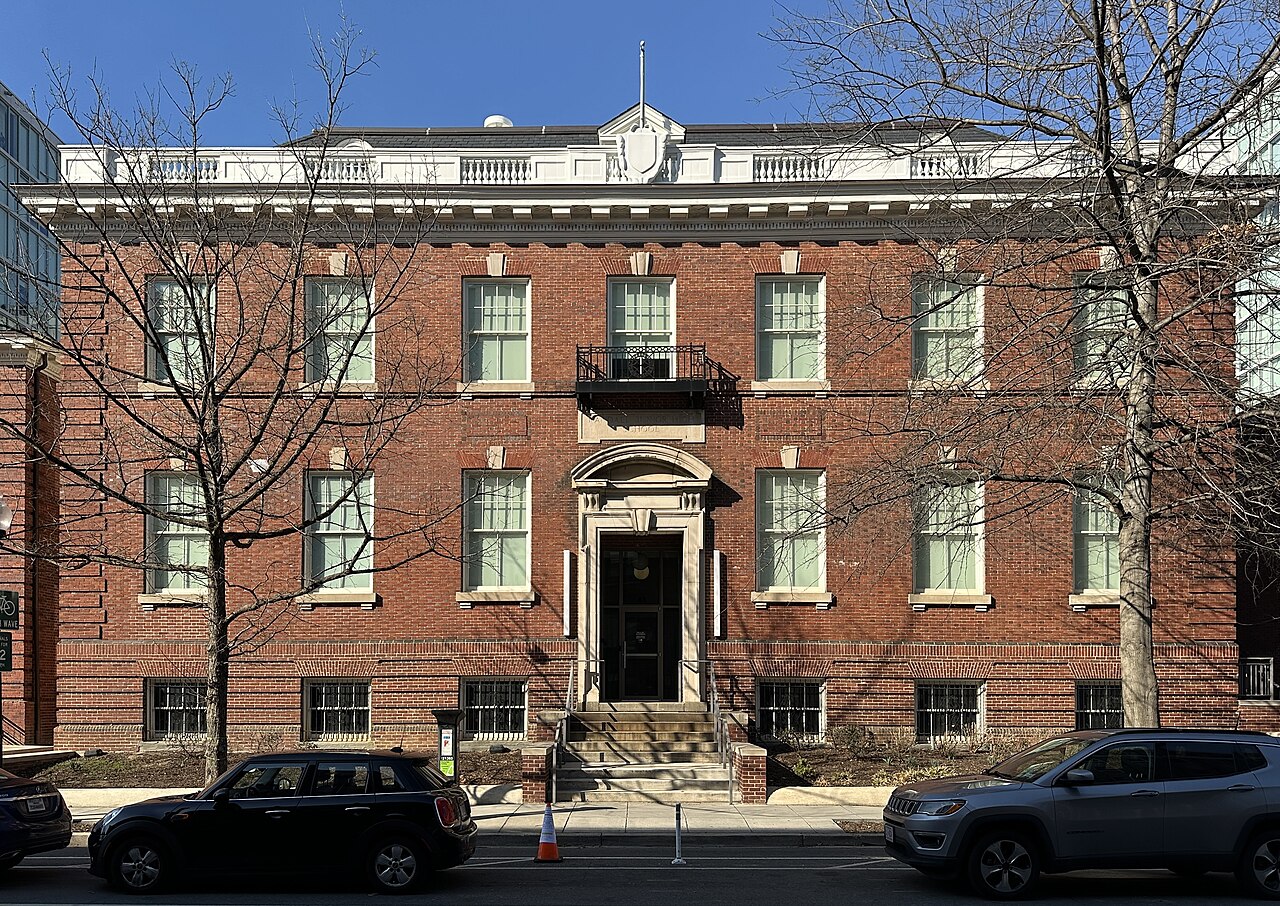
Hampton House Motel is a restored Green Book-era motel and civil-rights landmark in Miami. During segregation, it offered African American travelers a welcoming place to stay when many hotels excluded them. The property connects Miami’s local history with the wider story of Black travel, entrepreneurship, entertainment, and civil-rights activism in the United States. The Historic Hampton House is a restored Green Book-era motel and civil-rights landmark in Miami. It served as a safe haven for African American travelers during segregation when the Green Book guided Black Americans to welcoming establishments. The site hosted prominent civil-rights figures and entertainers who were excluded from white-only hotels. Today it stands as a preserved monument to this significant chapter of American history, offering visitors insight into the social landscape of the mid-twentieth century and the resilience of Black-owned businesses. No. The Historic Hampton House operates as a restored historical site and civil-rights landmark, not as an active motel. It preserves the legacy of its original function as a Green Book-era establishment.
Checked 2026-08-26 · Source
Inside, visitors encounter restored motel rooms and public areas that evoke the building’s operating era. Displays place the property within the history of segregated travel and the Green Book, while preserved architectural and interior details show how a mid-century motel functioned. The experience combines physical rooms with cultural interpretation rather than modern hotel services. The Hampton House contains restored motel rooms and public spaces that recreate the atmosphere of its operating era. Exhibits and displays document the property's history and its role in the civil-rights movement. The site preserves architectural and interior elements characteristic of mid-century motels. Visitors can explore spaces where notable guests once stayed and gathered. The restoration aims to maintain historical authenticity while providing educational context about segregation-era travel and the cultural significance of Green Book establishments in American history.
Checked 2026-08-26 · Source
Allow about one to two hours for a focused visit. That time gives you room to move through the restored spaces, read the historical interpretation, and pause over the stories connected with the property. Visitors especially interested in civil-rights history, Black history, architecture, or mid-century culture may want to linger longer with the displays. A thorough visit to the Hampton House typically requires approximately one to two hours. This duration allows adequate time to examine the restored rooms, read historical displays, and absorb the significance of the site. Visitors with strong interest in civil-rights history or mid-century American culture may wish to extend their stay. The compact nature of the property means that all areas can be covered without excessive walking. Photography and contemplation of the exhibits may extend the visit for those deeply engaged with the subject matter.
Checked 2026-08-26 · Source
Hampton House is an indoor historical experience, making it a useful Miami stop across the year. Winter brings comfortable conditions for exploring the city, while summer heat and humidity make an indoor visit especially welcome. Civil-rights commemorations and cultural programs can add context when scheduled. Build the visit around the preserved rooms and interpretive experience. Visitors should consult the official website at hamptonhouse.org or contact the site directly before planning a visit.
Checked 2026-08-26 · Source
This is a heritage and educational landmark rather than an operating hotel, so the visit is centered on preservation and interpretation. The supplied guide supports the site’s historical role but does not establish a current admission amount. Plan for a museum-style visit and treat any payment arrangement as separate from overnight accommodation, which is not offered here.
Checked 2026-08-26 · Source
The landmark is in Miami’s Brownsville neighborhood. Its urban setting makes arrival by car, rideshare, bus, or bicycle part of a wider city journey. Use the mapped Hampton House location rather than treating the name as a lodging search result. Combine the visit with nearby Miami neighborhoods when planning a history-focused day.
Checked 2026-08-26 · Source
Hampton House preserves difficult experiences as well as important achievements. Give yourself time to absorb the history of exclusion, restricted travel, and the communities that created safer spaces. Treat restored furnishings and displays carefully, follow any directions inside the landmark, and keep personal belongings secure during the urban visit. The emotional subject matter may suit older children better than very young visitors.
Checked 2026-08-26 · Source
The restored motel rooms and mid-century details provide strong subjects for respectful documentary photography. Photograph only where the visit’s rules permit, especially around sensitive displays and interior furnishings. Avoid flash or equipment that interrupts other visitors unless expressly allowed. Architectural details, room layouts, and interpretive displays can help convey how the property functioned as a Black travel refuge.
Checked 2026-08-26 · Source
It is a restored historical site and civil-rights landmark, not an active motel. The property preserves its Green Book-era role and its connection with African American travel during segregation.
No. The property functions as a heritage and educational site. Its restored rooms are part of the historical experience rather than guest accommodation.
The visit focuses on restored motel rooms, public spaces, mid-century architectural details, and interpretation about segregated travel, the Green Book, and civil-rights history.
It represents a safe haven for African American travelers during segregation and preserves the history of Black-owned hospitality, entertainment, and civil-rights activity in Miami.
The landmark is in Miami’s Brownsville neighborhood and can be incorporated into a wider urban history itinerary.
The Green Book was a travel guide published from 1936 to 1966 that listed establishments welcoming African American travelers during segregation. Hampton House was included among these safe places.
Loading the interactive map…
The interactive map could not be loaded.
Last updated:
Source: OpenStreetMap contributors, Wikidata ·