18 min walk
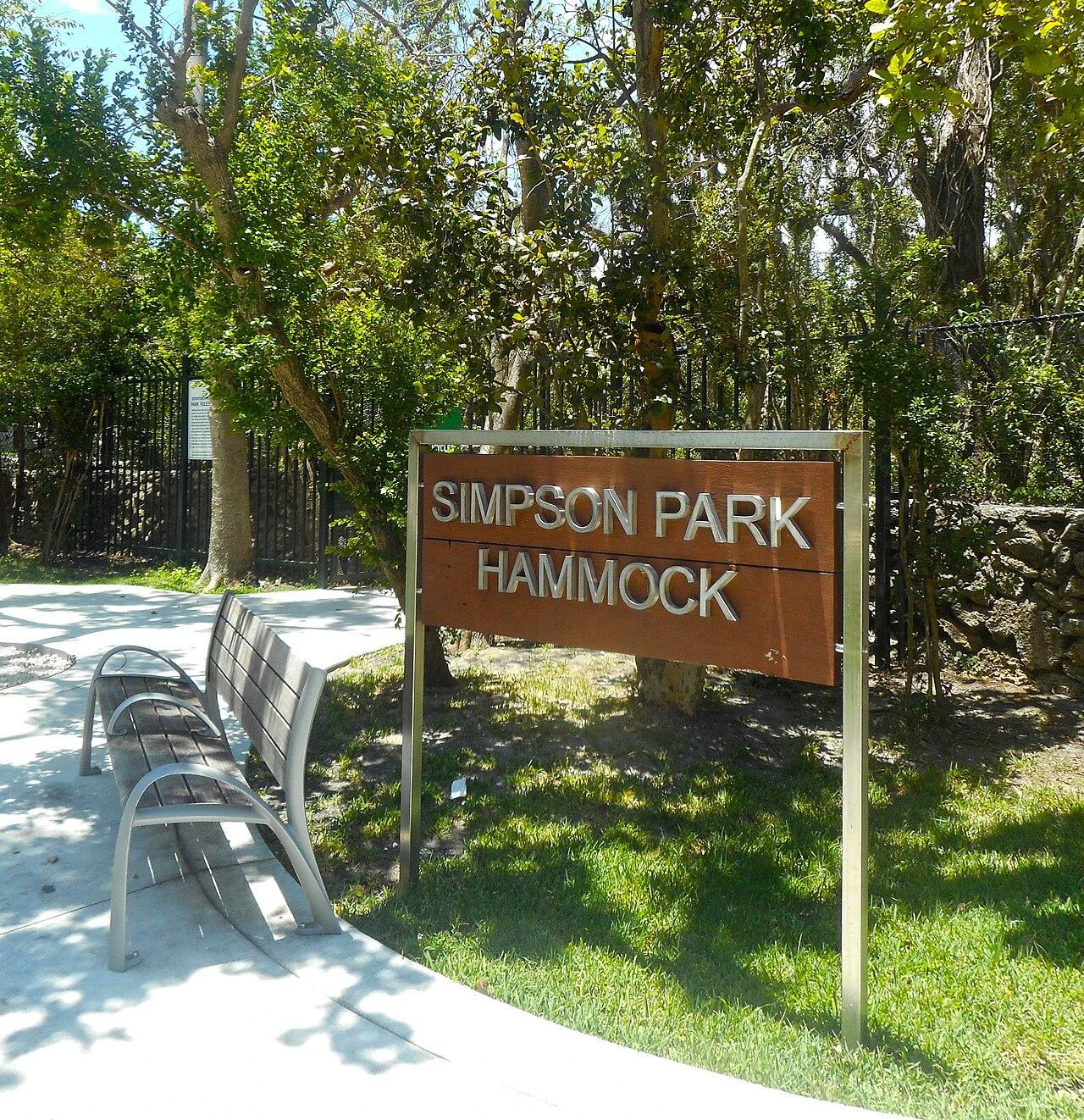
Simpson Park Hammock
- Must see
- Nature site
Nature site · Miami
Hobie Island Beach is a natural coastal site in Miami, distinct from the separately named Hobie Island Beach Park. Its identity is tied to the beach itself and its shoreline setting rather than to a developed visitor complex. The location suits travelers seeking open water views, sand, coastal air, and a less formal beach experience. Hobie Island Beach is a natural coastal area in Miami, Florida, identified by OpenStreetMap way/808935349. It holds a curated rank of 35 out of 69 ranked locations in its category. The beach is distinct from the separately named Hobie Island Beach Park, differentiated by exact OSM identity and coordinates. As a NATURE category site, it offers visitors a beach environment along Miami's shoreline. The production status is publishable based on exact unique production name and coordinate match verification. Production status: publishable; exact unique production name and coordinate match. No. These are separate locations distinguished by exact OSM identity and coordinates. Hobie Island Beach corresponds to way/808935349, while Hobie Island Beach Park is a separately named facility.
Checked 2026-08-26 · Source
The attraction is the shoreline environment: sand, water, sky, and the changing coastal landscape. Unlike a museum or attraction with galleries, Hobie Island Beach is experienced outdoors. The nearby presence of a separately named beach park is important for navigation, because the beach and park are different mapped places with different identities and potentially different facilities. Visitors should expect a natural beach setting typical of Miami's coastal areas, with sand and water access. The distinction from Hobie Island Beach Park suggests this location may lack the developed park infrastructure found at that nearby site. Cautious visitors should prepare for a potentially undeveloped shoreline experience.
Checked 2026-08-26 · Source
A short visit can take about an hour, while sunbathing, shoreline walking, or water recreation can fill several hours. The flexible setting works well as a pause between Miami stops. Bring enough time to enjoy changing light and coastal air without treating the beach as a scheduled, exhibit-by-exhibit attraction. The duration of a visit to Hobie Island Beach depends on individual preferences and planned activities. Beachgoers typically spend between one and four hours at coastal locations, though some may stay longer for extended relaxation or water recreation. Without recorded information about specific trails, facilities, or organized activities, visitors should plan flexibly. Those combining this beach with other Miami attractions may allocate shorter periods. Cautious visitors should consider tide patterns, sun exposure, and personal comfort when determining their length of stay at this natural shoreline location.
Checked 2026-08-26 · Source
Miami’s warm climate supports beach outings through much of the year. Winter is comfortable for travelers escaping colder weather, while summer brings stronger heat, humidity, and a greater chance of afternoon storms. Earlier or later in the day can make outdoor time more comfortable. The shoreline also offers a different mood under bright midday light than near sunrise or sunset. Miami's subtropical climate generally supports beach visits throughout the year, with warmer conditions from spring through fall and milder winter temperatures. Visitors should consider that hurricane season spans June through November, potentially affecting conditions.
Checked 2026-08-26 · Source
Hobie Island Beach is identified as a natural beach rather than a ticketed attraction. The guide supports the coastal character but does not establish a current admission amount, parking charge, or rental price. Keep the visit financially flexible and distinguish this beach from Hobie Island Beach Park, whose facilities and arrangements belong to a separate place.
Checked 2026-08-26 · Source
Use the mapped identity of Hobie Island Beach when navigating, because Hobie Island Beach Park is a separate destination with a similar name. The Miami setting allows a beach visit to fit into a car, rideshare, bicycle, or public-transit day, although the supplied place record does not define a particular route, parking area, or entrance.
Checked 2026-08-26 · Source
Treat the coast as an exposed natural environment. Strong sun, heat, changing weather, currents, and wet or sandy ground can shape the visit. Stay aware of the water and shoreline conditions, carry drinking water and sun protection, and keep valuables secure. The guide does not establish lifeguard coverage, so the beach is not a substitute for a supervised swimming facility.
Checked 2026-08-26 · Source
Hobie Island Beach lends itself to wide coastal photographs, shoreline textures, water reflections, and changing Miami light. Protect cameras and phones from sand, salt water, and sudden rain. Keep people, boats, and private activity in mind when framing images. Drone and commercial work carry separate aviation and local responsibilities, so ordinary personal photography is the simplest way to enjoy the setting.
Checked 2026-08-26 · Source
No. They are separately named places. Hobie Island Beach corresponds to way/808935349, while Hobie Island Beach Park is a different mapped destination.
It offers an outdoor coastal experience with sand, water, open sky, shoreline views, and flexible time for relaxation or recreation.
Miami’s warm climate supports visits throughout much of the year. Winter is milder, while summer is hotter, more humid, and more prone to afternoon storms.
Bring drinking water, sun protection, and belongings protected from sand and water. The beach is an exposed natural shoreline rather than an indoor attraction.
Allow about an hour for a brief shoreline stop, or several hours for relaxing, walking, and enjoying the water and coastal scenery.
The beach offers coastal horizons, sand, water reflections, shoreline textures, boats, and Miami’s changing natural light.
Loading the interactive map…
The interactive map could not be loaded.


Last updated:
Source: OpenStreetMap contributors ·