.jpg)
3 min walk
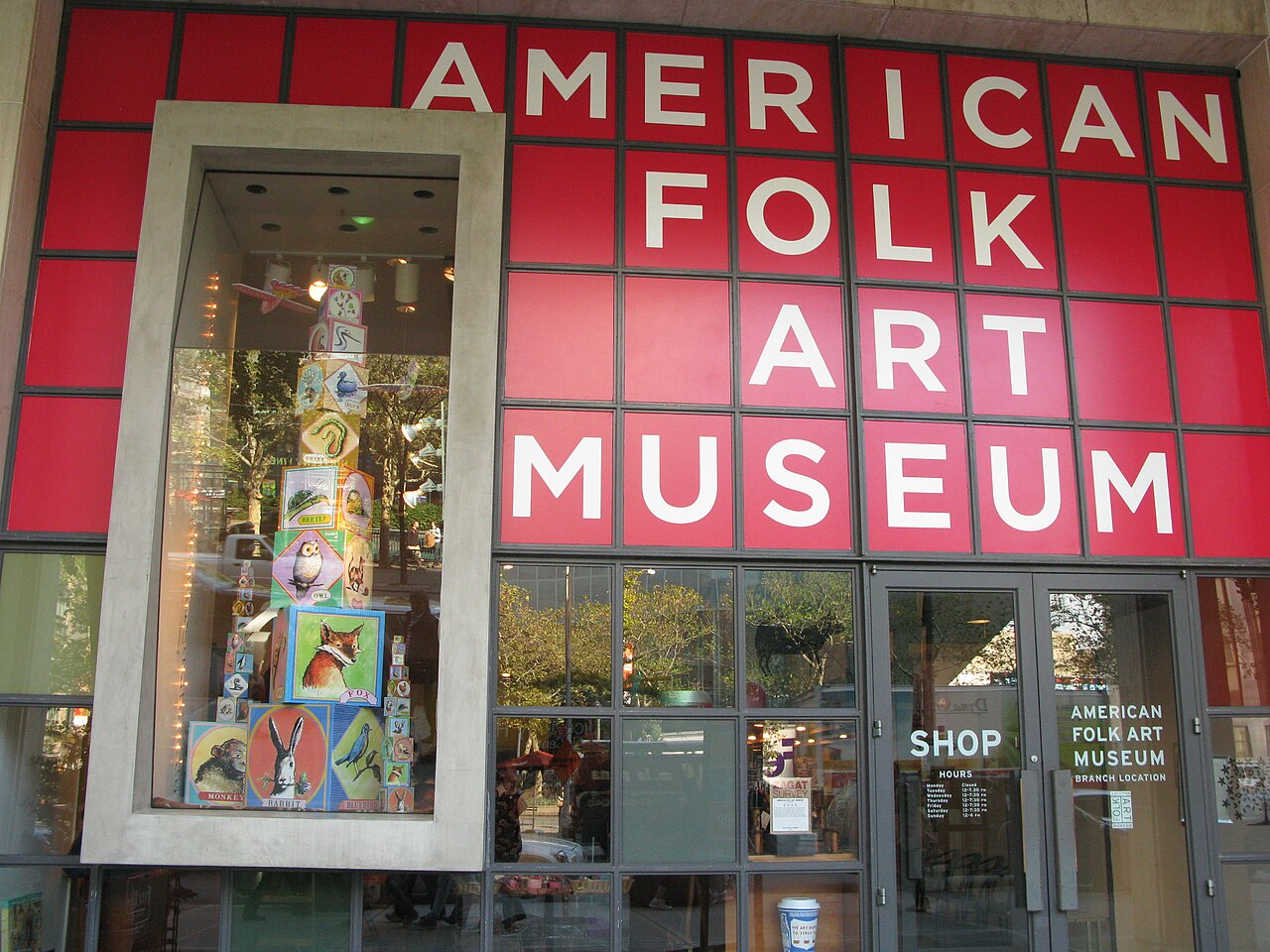
American Folk Art Museum
- Must see
- Museum
Historic monument · New York
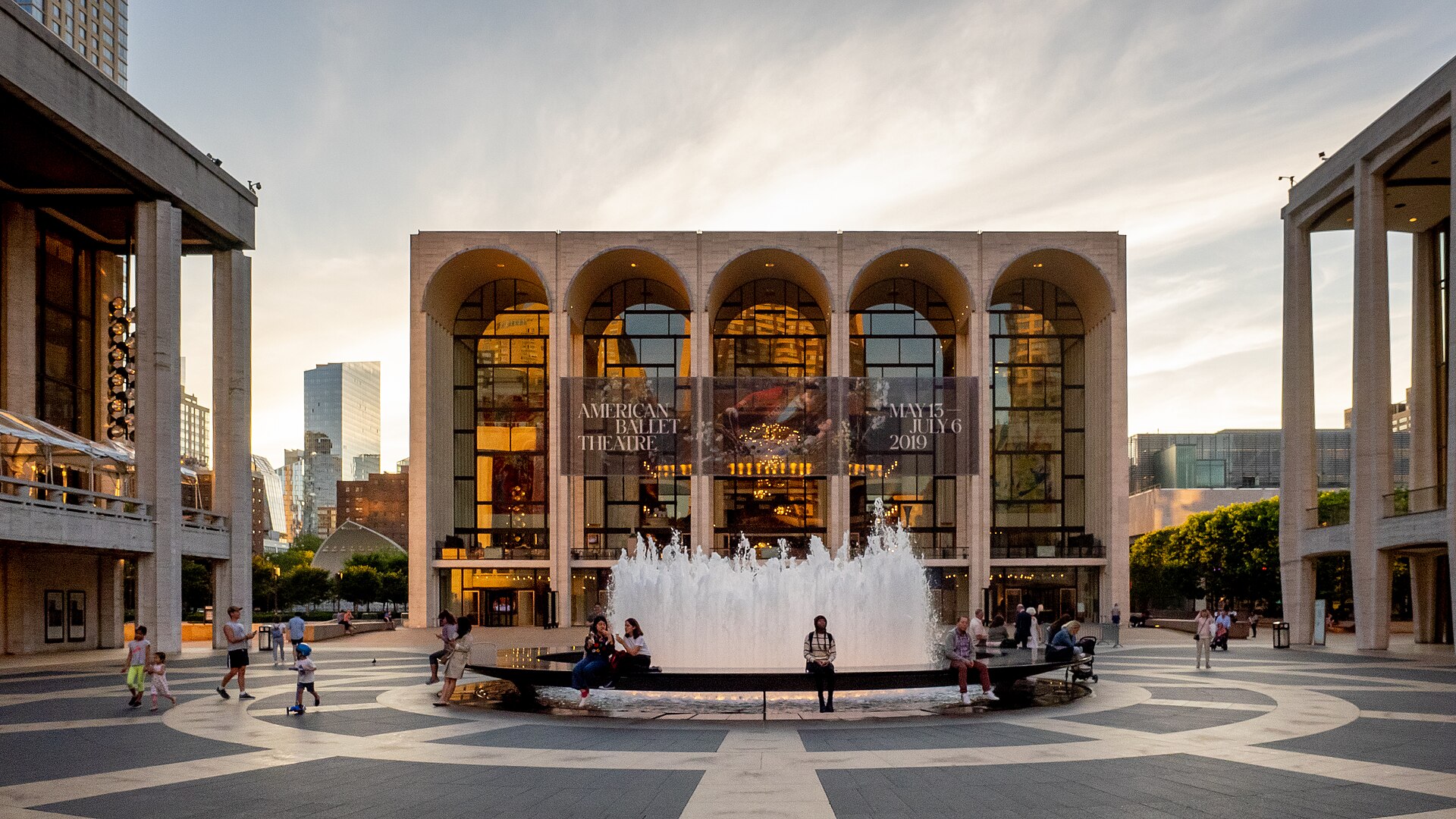
Lincoln Center is a major performing-arts complex on Manhattan’s Upper West Side. The campus brings together venues and resident organizations devoted to opera, orchestral music, theatre, dance and film. Its identity comes from the concentration of cultural institutions in one urban setting, with performance buildings connected by plazas and public spaces. A visit can mean attending a particular production, walking through the campus or combining both. Lincoln Center is not a single auditorium: it is a group of distinct venues with different artistic programmes and audience experiences. Lincoln Center comprises multiple buildings and venues rather than a single structure. The campus contains separate facilities for different performing arts disciplines and organizations.
Checked 2026-08-26 · Source
Lincoln Center contains multiple performance venues serving different art forms. The campus is associated with opera, orchestral music, theatre, dance and film, while outdoor plazas connect the buildings and provide public gathering space. Resident organizations maintain their own artistic identities and schedules, so the experience changes according to the performance selected. Some spaces are designed for large-scale productions and others for more intimate events. Visitors exploring without a ticket can concentrate on the campus layout and public areas; visitors attending a performance should follow the entrance and seating information for the chosen venue.
Checked 2026-08-26 · Source
Allow under an hour for a brief look at the public plazas and campus setting. Attending one performance generally occupies two to four hours when arrival and departure are included, depending on the production and venue. A fuller cultural day can combine a performance with time in the surrounding Upper West Side, but the campus itself is easiest to enjoy when the schedule is built around one clear artistic focus. Arrive with enough time to find the correct building, pass through any entry procedures and settle before the curtain or programme begins.
Checked 2026-08-26 · Source
Choose the date and time according to the performance you want to see, because Lincoln Center’s resident organizations run separate calendars. The campus has activity across the traditional performing-arts seasons, while outdoor plazas are most comfortable in favourable weather. Festival and special-event programming can change the atmosphere and movement around the complex. For a performance visit, build the day around the selected start time and arrive early enough to reach the right venue. A daytime visit without a performance suits travellers interested in the public campus and Upper West Side setting.
Checked 2026-08-26 · Source
Ticket arrangements and prices differ by venue, organization, production and seat. Lincoln Center’s resident organizations maintain distinct box-office operations, so a ticket for one performance does not provide general access to every venue on campus. Public plazas and some outdoor programming can be experienced without attending a performance. Popular productions reward advance planning, while seating location and artist prominence can affect the price. Treat the selected production as the ticketed experience and plan any campus walk separately, especially when the schedule includes more than one venue.
Checked 2026-08-26 · Source
Lincoln Center is on Manhattan’s Upper West Side and is reachable by subway, bus, taxi and rideshare. Several subway lines serve stations within walking distance of the campus, while buses run along nearby avenues. The complex sits within reach of other Upper West Side and Midtown destinations, making it practical to combine with a neighbourhood walk. Driving is less convenient because Manhattan parking is limited. If you are attending a performance, allow time to walk from the station, find the correct building and arrive before the scheduled start.
Checked 2026-08-26 · Source
Treat Lincoln Center as a multi-venue campus: the correct entrance, seating area and house rules depend on the production. Performance venues commonly expect audiences to limit electronic-device use and photography during the performance. Bag policies and security screening can apply, and food or drink rules differ between venues. Outdoor plazas bring pedestrian traffic and weather exposure. Family suitability also varies by event, so choose the performance description carefully when travelling with children. Allow extra time around the start because late arrival can affect entry to the auditorium.
Checked 2026-08-26 · Source
Outdoor plazas are the easiest places at Lincoln Center for casual photographs of the campus and its public spaces. Inside performance venues, photography and recording are generally restricted during performances to avoid disturbing artists and audiences. Lobby photography may follow venue-specific rules, while professional or commercial work requires permission. Read posted notices and follow staff directions at the selected building. Keep phones silent and away during the performance, and compose campus images from public areas without blocking entrances, queues or the movement of other visitors.
Checked 2026-08-26 · Source
Lincoln Center is a campus made up of multiple buildings, venues and public spaces for different performing arts organizations.
Yes. Public plazas and outdoor areas provide a way to experience the campus without attending a scheduled performance.
The campus brings together opera, orchestral music, theatre, dance and film programming.
Allow under an hour for a brief campus visit, or about two to four hours for one performance including arrival and departure.
Children’s suitability depends on the individual production and venue; event descriptions identify whether a programme is intended for family audiences.
Outdoor plazas are suitable for casual campus photography, while photography and recording during performances are generally restricted.
Loading the interactive map…
The interactive map could not be loaded.
Last updated:
Source: OpenStreetMap contributors, Wikidata ·