

4 min walk
Coney Island
- Must see
- Nature site
Family attraction · New York
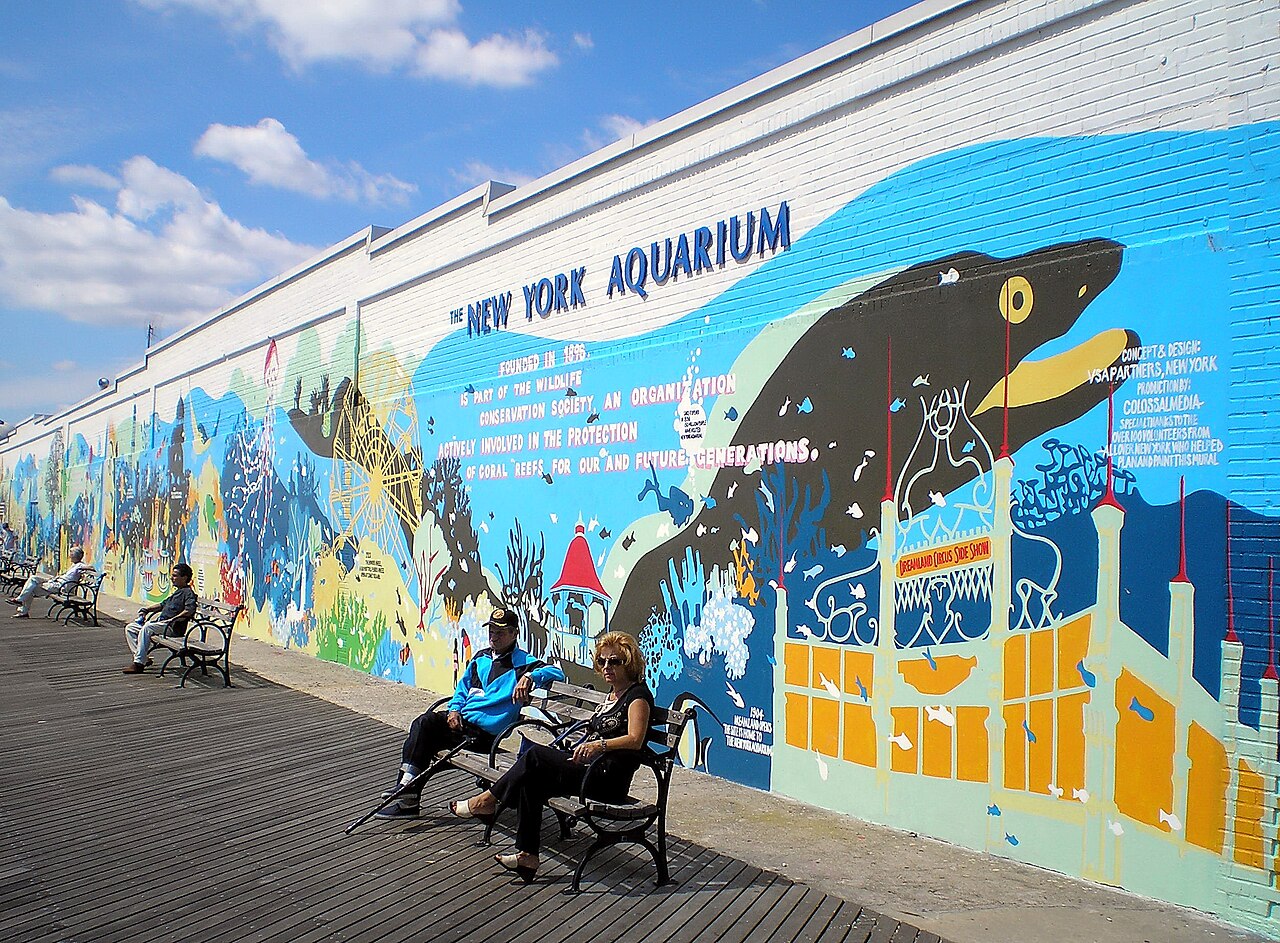
The New York Aquarium is a public aquarium located in Brooklyn, New York City. It is the oldest continually operating aquarium in the United States, having opened in 1896. The facility is situated on the Coney Island boardwalk, offering visitors marine life exhibits alongside coastal views. Operated by the Wildlife Conservation Society, the aquarium focuses on conservation education and marine research. Its seaside location distinguishes it from inland aquariums, providing a thematic connection to ocean environments. The institution participates in species preservation programs and public engagement initiatives.
Checked 2026-08-26
The aquarium houses diverse marine animal exhibits including fish, invertebrates, and marine mammals. Notable displays feature sharks, sea lions, and various aquatic species representative of global ocean habitats. Exhibit spaces simulate natural environments ranging from local New York waters to tropical reef systems. Educational signage accompanies displays to inform visitors about marine biology and conservation challenges. The facility includes indoor and outdoor viewing areas suited to its coastal setting. Interactive elements and scheduled animal presentations may enhance visitor engagement during operational hours.
Checked 2026-08-26
Visitor duration varies considerably based on individual interests and crowd conditions. A comprehensive visit typically requires several hours to observe major exhibits thoroughly. Families with children often extend stays due to interactive elements and pacing preferences. Repeat visitors may focus on specific exhibits or seasonal programming. Peak visitation periods necessitate additional time for entry queues and exhibit viewing. Visitors should allocate flexible scheduling to accommodate unhurried exploration. The combination of indoor and outdoor spaces permits natural breaks during extended visits.
Checked 2026-08-26
Seasonal attendance patterns affect visitor experience at this outdoor-adjacent facility. Summer months draw maximum crowds due to Coney Island's broader tourist appeal. Off-peak seasons offer reduced congestion but may limit outdoor programming availability. Weather conditions influence comfort given the aquarium's partial outdoor configuration. Special events and educational programs may concentrate attendance on specific dates. Advance schedule confirmation remains essential regardless of intended visit timing. A flexible visit lets travellers connect New York Aquarium with the rest of the day without treating one room, viewpoint or photograph as the whole experience. The useful pace depends on personal interest and conditions on arrival. Check the operator's own site for the travel date before relying on a schedule or fare.
Checked 2026-08-26
Admission requires purchased entry for most visitors, with potential variations for membership holders or affiliated programs. The Wildlife Conservation Society may offer combination access with its other New York facilities. Group rates and educational program inclusions may apply under specific circumstances. Online advance purchase may provide convenience during high-demand periods. Visitors should confirm payment methods accepted and any identification requirements before arrival to ensure smooth entry processing. Check the operator's own site for the travel date before relying on a schedule or fare.
Checked 2026-08-26
The aquarium occupies a Coney Island location accessible via New York City public transit. Subway service reaches the vicinity, with walking connection to the boardwalk entrance. Bus routes supplement subway access for certain origin points. Private vehicle arrival encounters limited parking availability in this dense coastal area, particularly during peak summer visitation. Bicycle access exists via waterfront pathways. Visitors from Manhattan or outer boroughs should plan transit time accordingly. The seasonal nature of Coney Island traffic affects journey duration unpredictably.
Checked 2026-08-26
Outdoor exhibit areas expose visitors to weather conditions without climate control protection. Summer crowds create congestion at popular displays and entry points. Boardwalk surroundings include commercial activity distinct from the aquarium's educational mission. Food and beverage options within the facility may be limited compared to external Coney Island vendors. Animal viewing guarantees no specific creature visibility during any visit. Stroller and accessibility navigation requires planning given exhibit layout. Visitors should secure personal belongings in busy public environments. New York Aquarium also earns time in a new york itinerary because Exact unique production name match within the declared city scope. Its value becomes clearer when the stop is compared with the surrounding streets and the other ranked places nearby.
Checked 2026-08-26
Photography policies likely permit personal non-commercial imaging throughout public exhibit spaces. Flash restrictions may apply near sensitive animal habitats to prevent creature distress. Tank glass surfaces create reflection challenges requiring patient positioning for clear captures. Low-light indoor environments demand appropriate camera settings for quality results. Outdoor sealife pools permit natural lighting advantages during daytime visits. Tripod and professional equipment restrictions may exist without advance arrangement. Visitors should observe posted guidelines and staff direction regarding photography limitations near specific exhibits.
Checked 2026-08-26
The aquarium exhibits marine life including sharks, sea lions, fish species, and invertebrates from various ocean habitats. Specific animal visibility cannot be guaranteed on any given visit.
The facility combines indoor and outdoor exhibit spaces appropriate to its Coney Island boardwalk location. Visitors should prepare for weather exposure in outdoor areas.
On-site food options may be limited. The surrounding Coney Island boardwalk offers numerous external dining alternatives, though these vary seasonally.
Public transit via subway is generally practical given limited parking availability and seasonal traffic congestion in the Coney Island area.
The Wildlife Conservation Society operates the facility with involvement in marine research, species preservation programs, and conservation education initiatives.
The facility provides accessibility features, though visitors with specific mobility requirements should contact staff regarding exhibit layout and terrain variations between indoor and outdoor spaces.
Loading the interactive map…
The interactive map could not be loaded.

Last updated:
Source: OpenStreetMap contributors, Wikidata ·