.jpg)
4 min walk
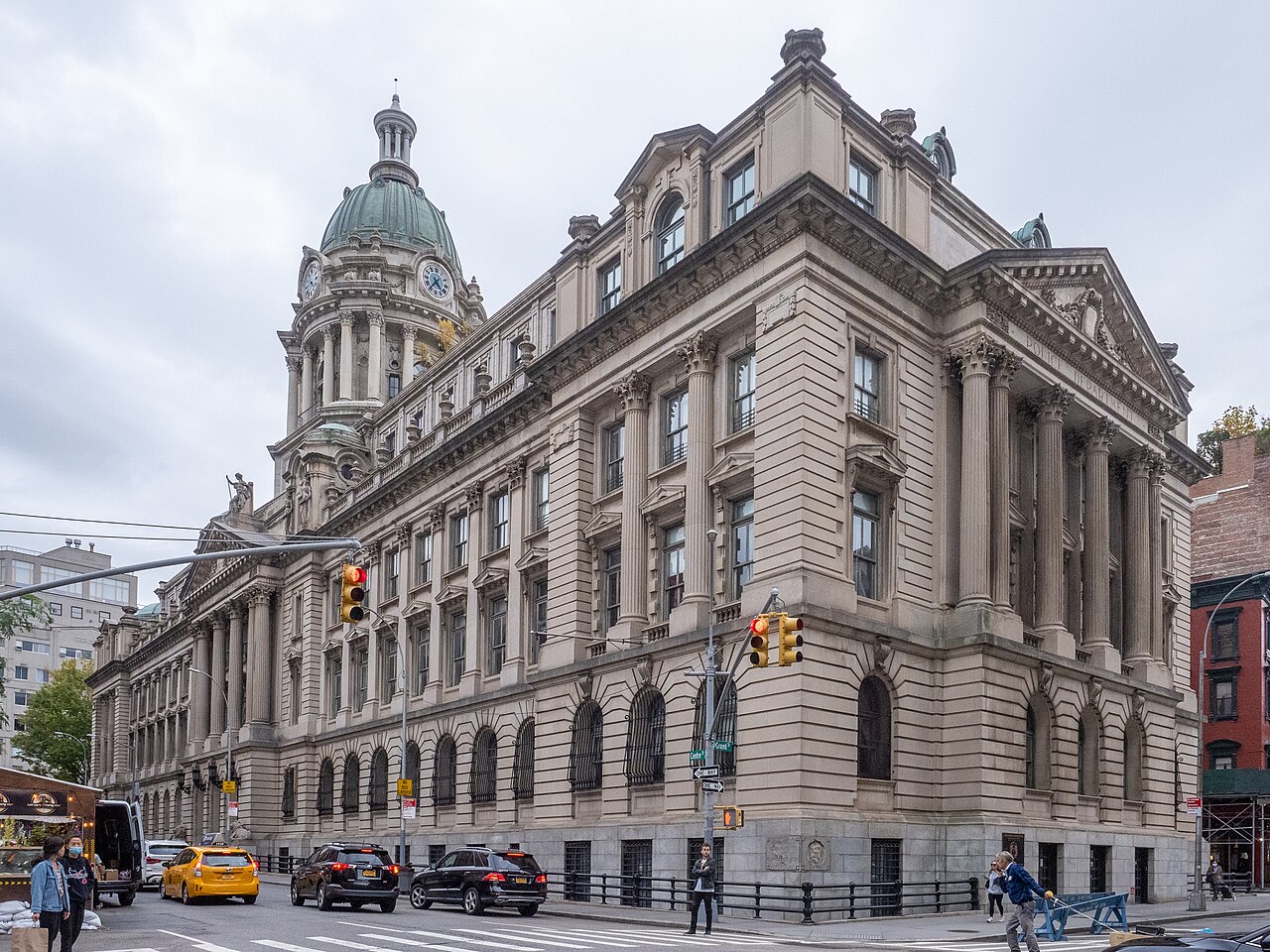
240 Centre Street
- Must see · Heritage site
- Historic monument
Language · 11 published
Historic monument · New York
Reviewed by Elena Voss · Roavina Travel Editor
This place is a Attraction. It carries the National Register of Historic Places listed place heritage designation.
SoHo is a neighborhood in Lower Manhattan, New York City. Its name derives from South of Houston Street, marking its northern boundary. The area is renowned for cast-iron architecture, with numerous buildings dating to the late 19th century. SoHo transformed from an industrial district to an artists' haven in the 1960s and 1970s, then evolved into a premier retail and residential destination. The neighborhood occupies approximately 26 blocks and represents one of Manhattan's most distinctive urban environments. SoHo also earns time in a new york itinerary because Exact unique production name match within the declared city scope. Its value becomes clearer when the stop is compared with the surrounding streets and the other ranked places nearby.
Checked 2026-08-26
SoHo contains the largest collection of cast-iron architecture in the world, with over 250 buildings featuring this construction method. The streets host flagship stores for international fashion brands, independent boutiques, and art galleries. Restaurants and cafes occupy ground floors throughout. The area includes residential loft spaces, many converted from former warehouses. Street art and cast-iron building facades create a distinctive visual character. The neighborhood contains no single enclosed attraction but rather an urban district to traverse and explore.
Checked 2026-08-26
Visitors typically spend two to four hours exploring SoHo, though dedicated shoppers and architecture enthusiasts may extend this considerably. A walking circuit covering principal streets requires approximately ninety minutes at moderate pace. The neighborhood rewards repeated visits, as individual storefronts, galleries, and architectural details emerge with familiarity. No admission gates or structured itinerary govern the experience. Duration depends entirely on personal interests in retail, dining, photography, or architectural observation. Evening visits offer different atmosphere as storefronts illuminate. A flexible visit lets travellers connect SoHo with the rest of the day without treating one room, viewpoint or photograph as the whole experience. The useful pace depends on personal interest and conditions on arrival.
Checked 2026-08-26
SoHo operates as a public neighborhood accessible at all hours. Individual businesses maintain independent schedules. Weekends draw heavier pedestrian traffic, particularly along Broadway and Prince Street. Morning hours offer thinner crowds for photography and unhurried walking. Holiday seasons intensify congestion substantially. Weather considerations apply to street-level exploration; the district offers limited indoor continuity between destinations. Evening hours transform the area's character as artificial lighting highlights cast-iron facades. Visitors should verify specific establishment hours independently. Check the operator's own site for the travel date before relying on a schedule or fare.
Checked 2026-08-26
No general admission applies to SoHo as a public neighborhood. Individual venues, galleries, and establishments set independent pricing. Retail purchases, dining, and any ticketed attractions within the district require separate transactions. Free public street access encompasses architectural viewing and general exploration. Some galleries may charge admission for special exhibitions. Visitors should anticipate New York City pricing levels for food, beverages, and merchandise. Budget-conscious exploration remains feasible through window shopping and self-guided architectural tours. Check the operator's own site for the travel date before relying on a schedule or fare.
Checked 2026-08-26
Subway access serves SoHo through multiple stations. The C and E trains stop at Spring Street. The 1 train serves Houston Street. The R and W trains reach Prince Street. The 6 train stops at Canal Street, requiring northward walking. Bus routes include the M5, M20, and M21. Street parking is extremely limited and expensive where available. Citi Bike stations provide bicycle-sharing options. Walking connections extend to adjacent neighborhoods including Greenwich Village, Tribeca, and Chinatown. Traffic congestion affects vehicular arrival times unpredictably.
Checked 2026-08-26
Pedestrian congestion intensifies on weekends and during holiday periods, creating crowded sidewalks that impede movement. Cyclists and delivery vehicles share narrow streets with pedestrians. Street vendors occupy portions of some sidewalks. High-end retail attracts persistent attention from individuals distributing promotional materials or seeking donations. Pickpocketing risk elevates in dense crowds. Construction scaffolding periodically obscures building facades. Cobblestone streets on some blocks present uneven walking surfaces. Crosswalks require vigilance given complex traffic patterns. Summer heat radiates intensely from pavement and building surfaces.
Checked 2026-08-26
Cast-iron building facades provide exceptional photographic subjects, particularly along Greene Street, Broome Street, and Grand Street. Morning light illuminates eastern facades; afternoon favors western exposures. Storefront displays and architectural details reward close attention. Tripod use may attract scrutiny from security personnel outside private buildings. Rooftop views remain generally inaccessible without establishment patronage. Street photography encounters typical urban considerations regarding pedestrian privacy. Night photography captures illuminated facades though requires stability compensation. The neighborhood's grid pattern assists systematic coverage. Weathered textures and ornamental ironwork details merit macro attention.
Checked 2026-08-26
SoHo is a neighborhood, not a single enclosed attraction. It comprises approximately 26 blocks in Lower Manhattan with public street access throughout.
No general admission fee applies. SoHo is a public neighborhood. Individual stores, galleries, or establishments within it may charge for their own services or exhibitions.
SoHo is most known for its extensive collection of cast-iron architecture, upscale retail shopping, and its historical evolution from industrial district to artists' community to premier commercial destination.
Multiple subway lines serve SoHo, including the C, E, 1, R, W, and 6 trains at various stations. Several bus routes also operate through or near the neighborhood.
Morning hours typically offer thinner crowds. Weekends and holiday periods experience heavier pedestrian congestion. Individual business hours vary and should be verified independently.
SoHo receives substantial pedestrian traffic and police presence, but visitors should exercise standard urban precautions regarding personal belongings, particularly in dense crowds.
Loading the interactive map…
The interactive map could not be loaded.
Last updated:
Source: OpenStreetMap contributors, Wikidata ·