
7 min walk
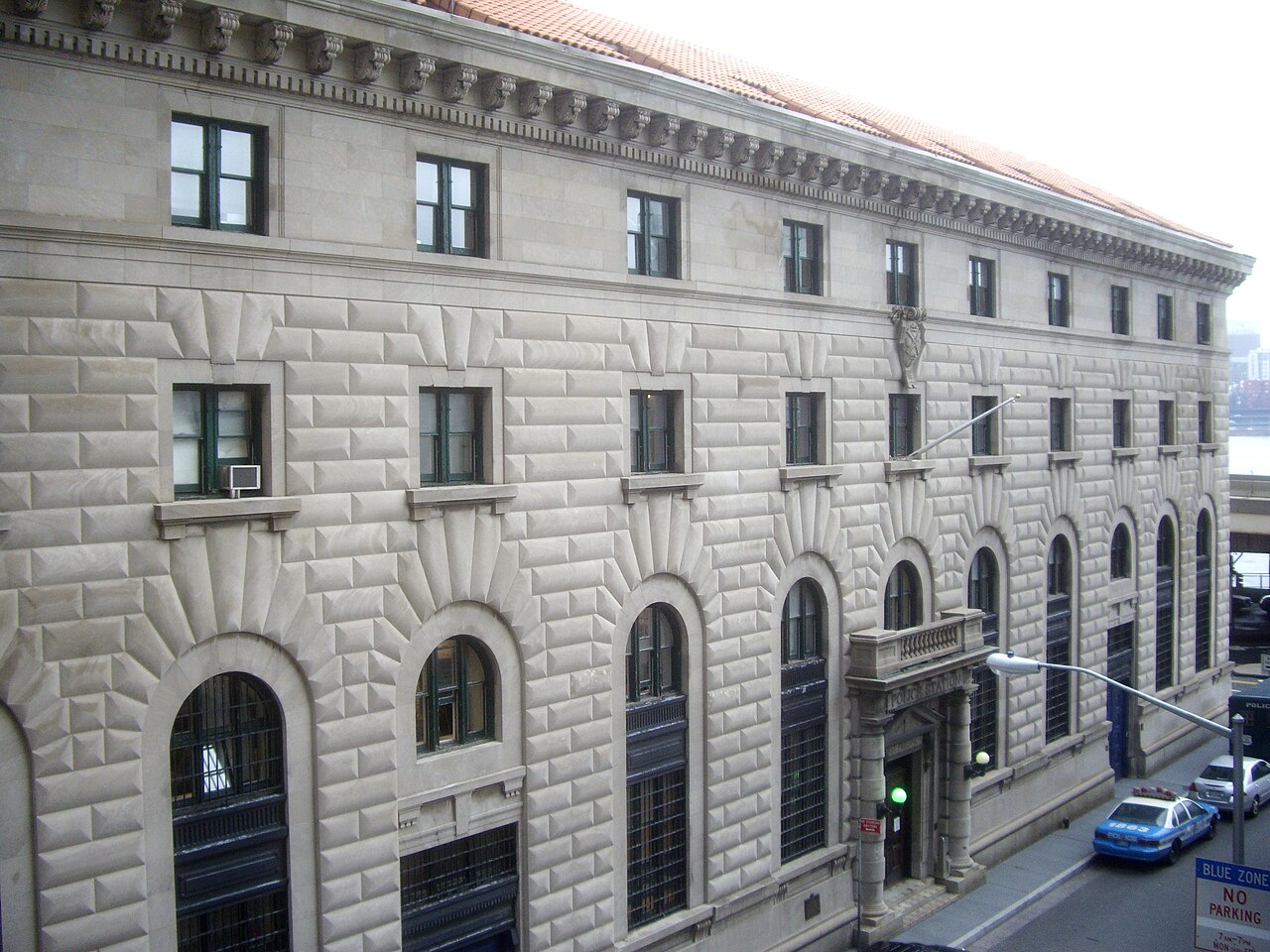
New York City Police Museum
- Must see · Heritage site
- Historic monument
Language · 11 published
Historic monument · New York
Reviewed by Elena Voss · Roavina Travel Editor
This place is a Attraction. It was built in the Greek Revival architecture style. It carries the National Register of Historic Places listed place heritage designation.
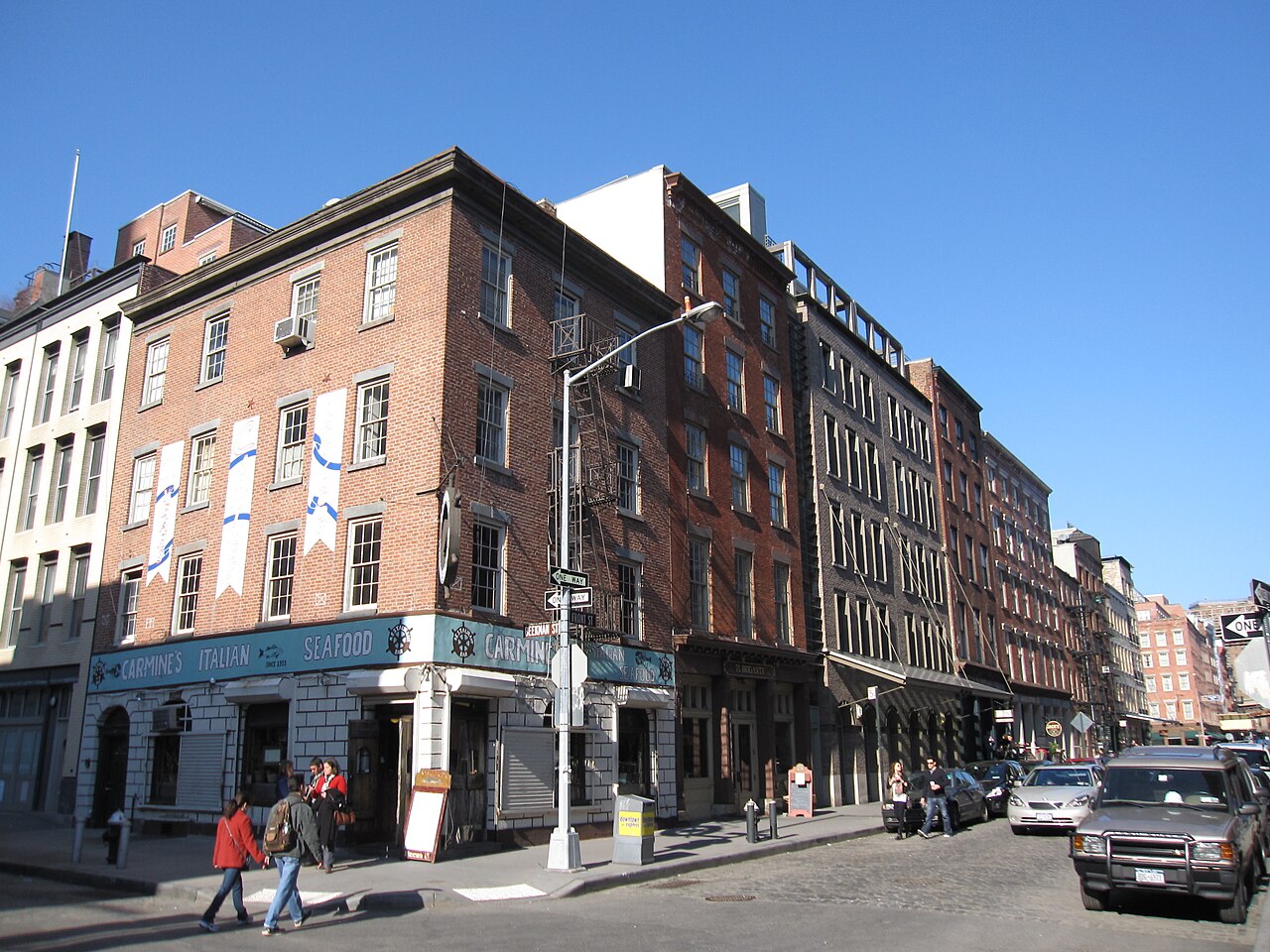
South Street Seaport is a historic district and commercial area in Lower Manhattan, New York City. Located where Fulton Street meets the East River, it encompasses restored 19th-century commercial buildings, the former Fulton Fish Market, and a museum dedicated to the port's maritime heritage. The area represents one of Manhattan's oldest neighborhoods and preserves the city's connection to its maritime trading past. The seaport includes piers, sailing ships, and modern retail development alongside historical structures. A flexible visit lets travellers connect South Street Seaport with the rest of the day without treating one room, viewpoint or photograph as the whole experience. The useful pace depends on personal interest and conditions on arrival.
Checked 2026-08-26
The district contains the South Street Seaport Museum with its collection of historic vessels and maritime artifacts. The area includes Pier 17, a rebuilt entertainment and retail complex. Original cobblestone streets and restored counting houses from the 1800s remain visible. The museum maintains several ships including the 1885 cargo vessel Wavertree and the 1908 lightship Ambrose. Schermerhorn Row, a block of Federal-style warehouses, forms the architectural core. The Titanic Memorial Lighthouse stands nearby as a relocated memorial.
Checked 2026-08-26
Visitors typically allocate two to four hours for a meaningful exploration of South Street Seaport. A thorough visit to the museum and its vessels requires additional time beyond casual district walking. Those interested in maritime history, architecture photography, or waterfront ambiance may extend their stay. The compact geographic area allows flexible pacing. Adjacent attractions in Lower Manhattan, including the Brooklyn Bridge and Financial District, permit efficient combination visits for travelers maximizing their Manhattan itinerary. South Street Seaport also earns time in a new york itinerary because Exact unique production name match within the declared city scope. Its value becomes clearer when the stop is compared with the surrounding streets and the other ranked places nearby.
Checked 2026-08-26
The outdoor district remains accessible as public streets at all times. Seasonal weather significantly affects visitor comfort given the waterfront exposure and open piers. Summer brings outdoor events and fuller programming. Winter visits offer thinner crowds but reduced activity. The maritime museum and indoor attractions provide shelter during inclement weather. Evening hours present distinctive lighting for the Brooklyn Bridge and river views, though specific venue availability varies by season and operational decisions. Check the operator's own site for the travel date before relying on a schedule or fare.
Checked 2026-08-26
The South Street Seaport Museum historically charged admission fees for ship boarding and exhibition access. The outdoor district, streets, and pier promenades require no payment for access. Retail and dining establishments operate as independent commercial businesses with individual pricing. Visitors should verify current museum admission directly with official sources. Any free admission periods, membership benefits, or combination tickets with other New York attractions require confirmation from authoritative channels before planning. Check the operator's own site for the travel date before relying on a schedule or fare.
Checked 2026-08-26
The seaport sits in Lower Manhattan with multiple transit options. Subway access includes the Fulton Street station complex serving multiple lines. The area lies within walking distance of Wall Street and the World Trade Center transportation hub. Bus routes serve nearby streets. Water taxi and ferry services connect to other waterfront locations. Driving presents challenges typical of Manhattan, with limited parking and congested streets. The location permits pedestrian approach from numerous downtown destinations, making it accessible for those already exploring southern Manhattan.
Checked 2026-08-26
The waterfront location exposes visitors to weather conditions including wind, spray, and temperature variations. Cobblestone and uneven historic surfaces require appropriate footwear and attention to footing. The district mixes active commercial operations with tourist activity; visitors should remain aware of vehicle and service access routes. Pier edges and ship boarding involve inherent elevation changes and trip hazards. The area's popularity attracts street vendors and costumed performers seeking tips. Crowding intensifies during special events and peak tourist seasons.
Checked 2026-08-26
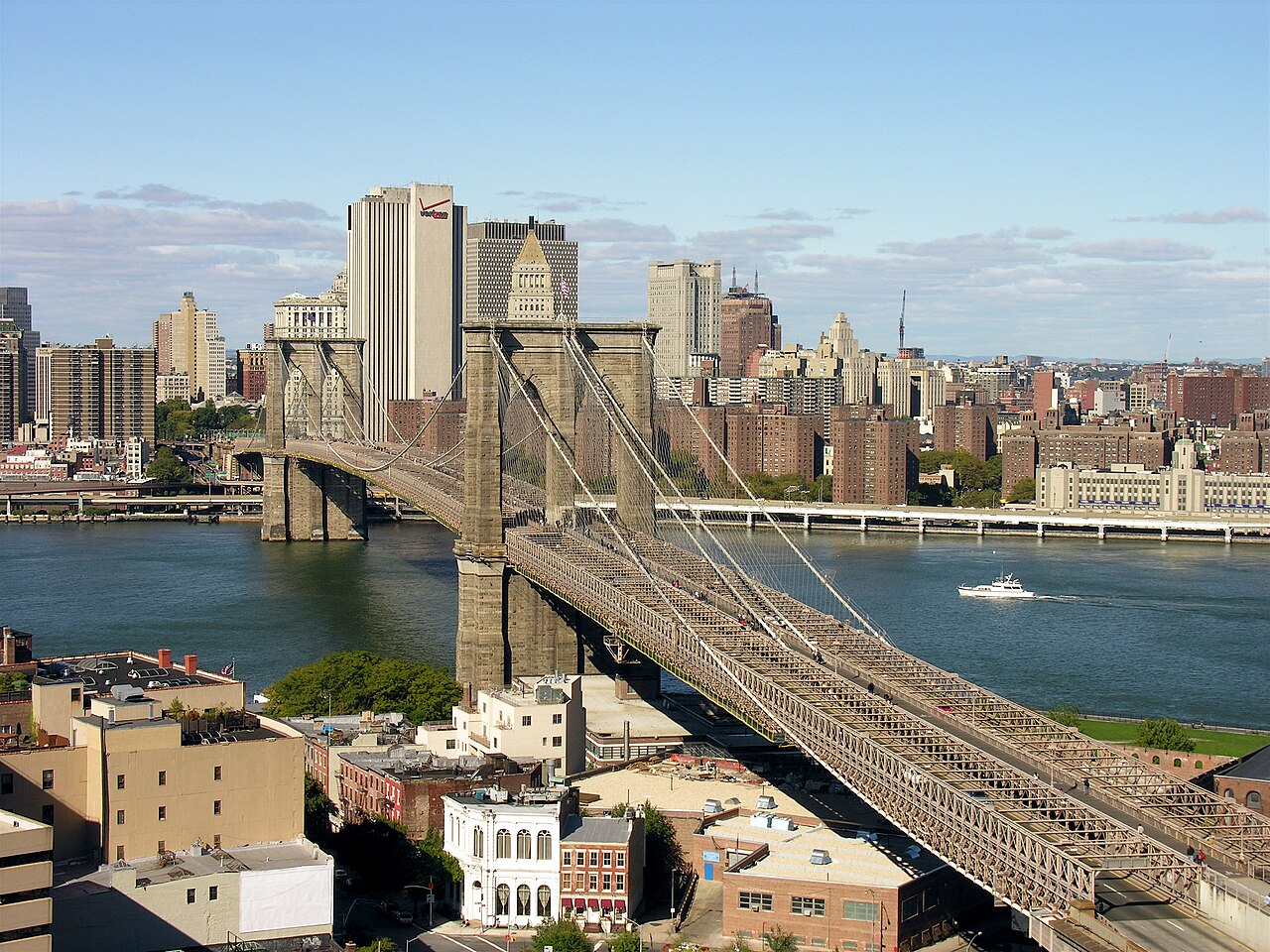
The seaport offers exceptional photographic subjects including historic ships, 19th-century architecture, and the Brooklyn Bridge framed against the East River. Morning light illuminates the bridge and river favorably from certain angles. Evening captures the Manhattan skyline and bridge illumination. The cobblestone streets and restored facades provide textured architectural detail. Museum vessels permit exterior photography; interior and shipboard policies may restrict usage. The elevated Pier 17 platform yields panoramic river and skyline views. Weather and seasonal variations dramatically affect atmospheric conditions for waterfront photography.
Checked 2026-08-26
The outdoor district and public streets require no admission. The maritime museum and some ship boarding historically charged fees, though current pricing requires direct verification with official sources.
The South Street Seaport Museum maintains several vessels including Wavertree and Ambrose. Boarding access depends on museum operations, maintenance schedules, and safety conditions. Verify current availability before visiting.
Historic cobblestone streets, pier edges, and ship boarding present challenges. Some modernized areas and museum facilities may offer improved access, though the preserved historic character creates inherent physical barriers throughout portions of the district.
Pier 17 and surrounding streets contain dining establishments. These operate as independent commercial venues with individual hours and offerings. The food landscape changes with market conditions and lease arrangements.
The district uniquely combines preserved 19th-century maritime commercial architecture with active museum ships. Unlike recreational piers elsewhere, it maintains explicit historical interpretation of New York's port and trading history.
The low-lying waterfront location faces exposure to East River conditions, storm surge, and tidal flooding. Weather events have historically impacted operations. Visitors should monitor conditions and any closure announcements during adverse weather.
Loading the interactive map…
The interactive map could not be loaded.

Last updated:
Source: OpenStreetMap contributors, Wikidata ·