

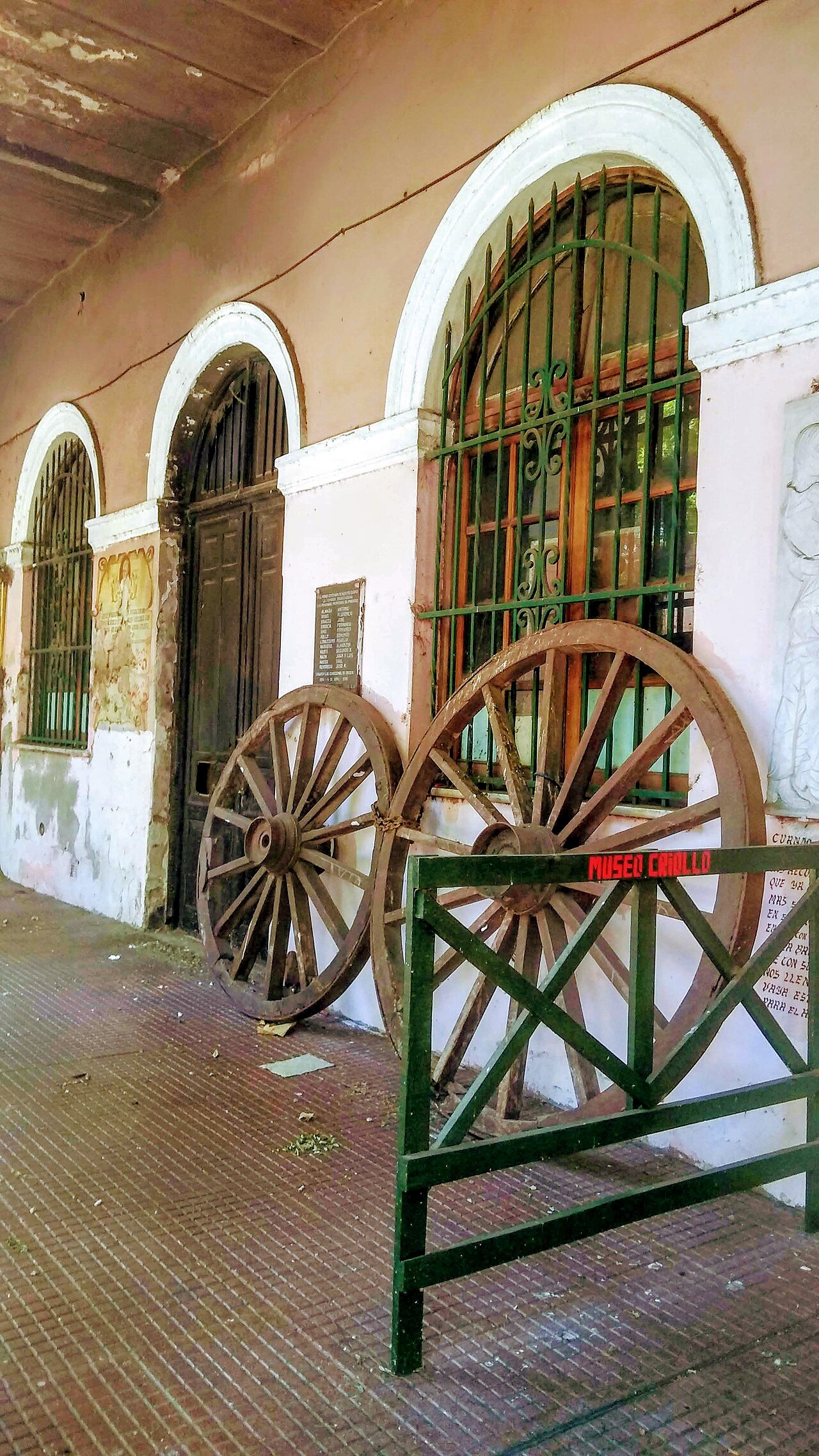
1 min walk
Museo Criollo de los Corrales
- High · Heritage site
- Museum
Language · 11 published
Historic monument · Buenos Aires
Closed today, Saturday. Next open Sunday at 11:00 — the planner will not place a stop here on a Saturday.
Plan around itReviewed by Elena Voss · Roavina Travel Editor
| Monday | Closed |
|---|---|
| Tuesday | Closed |
| Wednesday | Closed |
| Thursday | Closed |
| Friday | Closed |
| Saturday | Closed |
| Sunday | 11:00 – 19:00 |
Parsed from OpenStreetMap opening hours on 2026-09-09.
This place is a Attraction.
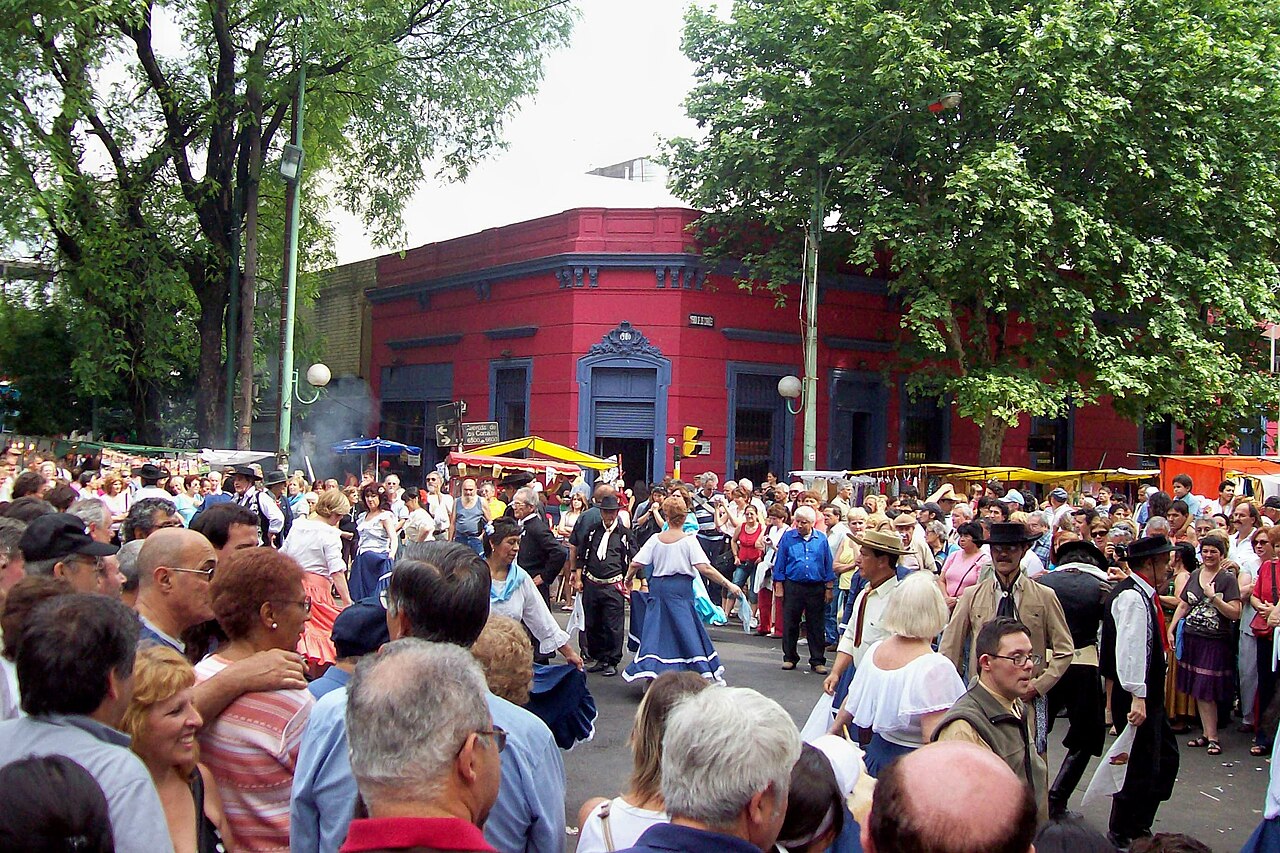
Feria de Mataderos is a Buenos Aires fair devoted to Argentine folk culture. In the western Mataderos neighbourhood, historically associated with livestock markets, it brings rural traditions into an urban setting. Visit for the combination of folk music, traditional dance, artisan crafts, regional food and gaucho heritage. The fair feels like a cultural gathering rather than a formal museum: its value comes from watching people perform, sell, prepare and share traditions in a public setting. It offers a different view of Buenos Aires from the cosmopolitan centre, with provincial and rural identities given a visible place in the city.
Checked 2026-08-26 · Source
Explore the stalls and performance areas for folk music, traditional dances and expressions of gaucho and provincial Argentine culture. Artisans display handcrafted goods such as leatherwork, textiles and silverwork, while food vendors offer traditional Argentine dishes. The exact mix changes with the occasion, so treat the fair as a live programme rather than a fixed collection. Walk slowly enough to notice craft techniques, listen to the music and leave room for food. The community atmosphere is central: you are visiting a place where cultural practices are performed and exchanged, not simply displayed behind glass.
Checked 2026-08-26 · Source
A short visit takes about one to two hours, enough to see performances, browse stalls and get a sense of the fair’s folk character. Stay longer if you want to eat, compare crafts, watch more music or spend time with the dance programme. Because the layout is informal, choose your own rhythm rather than following a prescribed route. Allow additional time for travel from central Buenos Aires to Mataderos, especially when the fair is busy. The best length depends on whether you want a quick cultural encounter or a fuller afternoon among performances and vendors.
Checked 2026-08-26 · Source
Feria de Mataderos follows a recurring programme, and the experience is shaped by the day’s performances, stalls and weather. Outdoor elements can feel very different in heat, cold or rain, so dress for time outside and leave space for changing conditions. A busier period brings more energy but also tighter movement through the crowd; a quieter period gives you more room to browse. The fair is most useful when your itinerary gives it enough time to unfold. Pair it with a visit to Mataderos rather than treating it as a quick central-city landmark.
Checked 2026-08-26 · Source
Plan Feria de Mataderos as a fairground experience with spending focused on food and crafts. Bring a practical payment option for purchases from food vendors and artisans. Your total cost will depend on what you eat and buy, while the cultural experience comes from the performances, dancing, music and street atmosphere. A small budget can still support a satisfying visit if you focus on walking, listening and observing rather than shopping at every stall.
Checked 2026-08-26 · Source
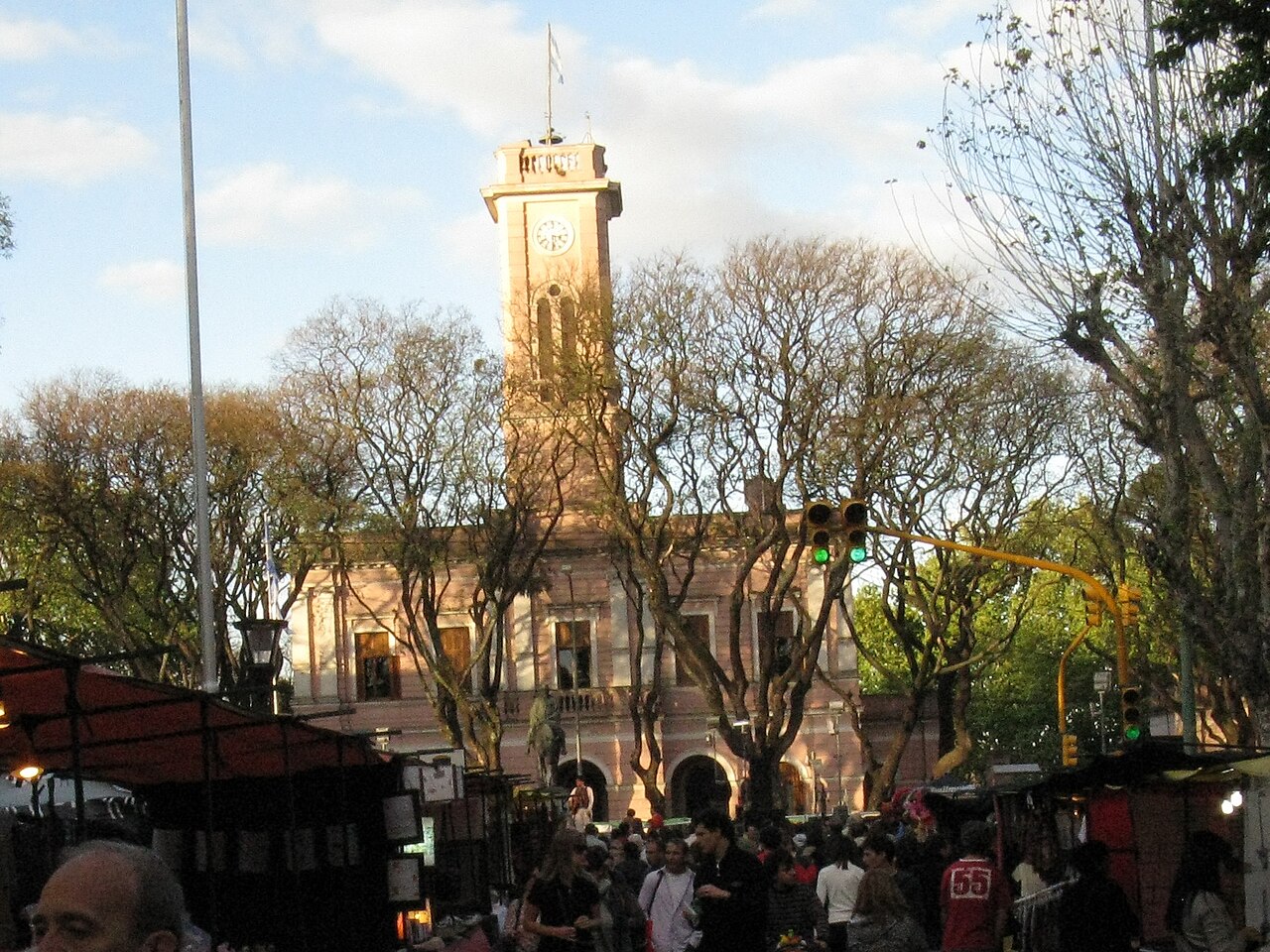
The fair is in Mataderos, in the western part of Buenos Aires. Public transportation serves the neighbourhood, while taxis and ride-hailing services provide a direct alternative. From central Buenos Aires, allow meaningful travel time because Mataderos lies beyond the main concentration of tourist landmarks. Use the fairground and the neighbourhood’s livestock-market identity as orientation points once you arrive. A current city map or transit planner will help with the final route. Plan the return journey as carefully as the outward trip if you intend to stay for food or evening cultural activity.
Checked 2026-08-26 · Source
Expect an active public event with crowds, outdoor exposure and informal food service. Keep bags and valuables close while moving through busy areas. Carry water and protect yourself from the sun in warm weather. When buying food, use your own judgment about handling and freshness. Spanish is the main language of interaction, so simple Spanish or a translation tool can make conversations easier. Respect the fair as a living community event: watch performances without blocking views, give artisans room to work and follow the social rhythm of the stalls and dance areas.
Checked 2026-08-26 · Source
The fair offers strong photographic subjects: dancers, musicians, gaucho clothing, artisan work, traditional food and the movement of the Mataderos streets. Ask before photographing individual artisans, performers at close range or people preparing to go on stage. Avoid flash during performances and keep your position clear of the audience. If a craftsperson is demonstrating a technique, watch first and photograph only when welcomed. In crowded spaces, protect your camera and avoid turning equipment into an obstacle. Personal travel photography fits the atmosphere best when it records participation with respect.
Checked 2026-08-26 · Source
You can encounter Argentine folk music, traditional dance, gaucho culture, artisan crafts and regional food in an informal fair setting.
Allow one to two hours for a concise visit, or stay longer for food, additional performances, dancing and browsing crafts.
The fair is in the western Buenos Aires neighbourhood of Mataderos, an area historically associated with livestock markets.
Yes. Artisans display handcrafted goods including leatherwork, textiles, silverwork and other regional crafts.
Food vendors offer traditional Argentine cuisine, giving you an opportunity to make the fair a longer food-and-culture outing.
The music, dance, crafts and food create a broad cultural experience, while adults should supervise children carefully in crowded public areas.
Loading the interactive map…
The interactive map could not be loaded.

Last updated:
Source: OpenStreetMap contributors ·