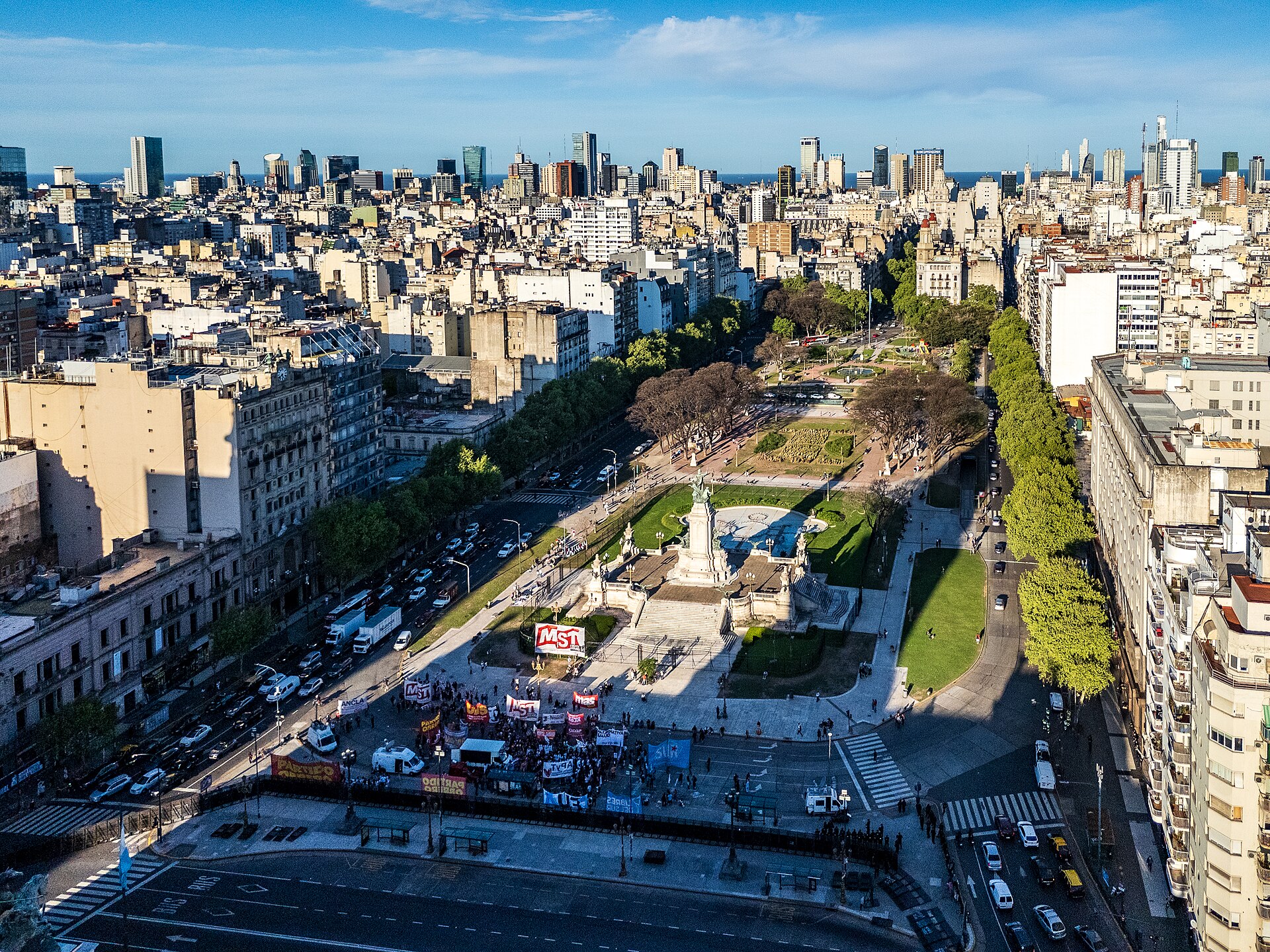
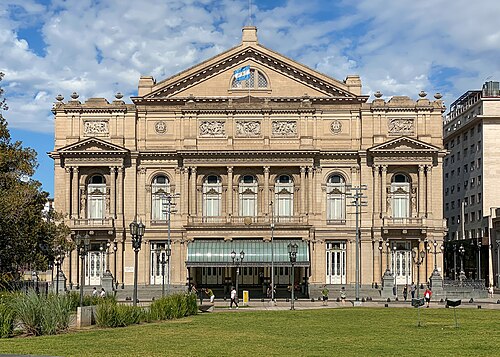
A photograph of Buenos Aires

City guide · Argentina

Buenos Aires

Buenos Aires is organised through distinct barrios, each with a different visitor character. Monserrat and San Nicolás form the historic and civic centre; San T...

Photograph · ProtoplasmaKid · CC BY-SA 4.0

4,005 Places
Suggested stay
4–5 days
Getting around
Subte, bus, bicycle and taxi

Turn this list into a plan

Set your days, your pace and the hours you actually want to be out. The planner works around closing days and travel time, and leaves room to eat.

Plan Buenos Aires

Editorial responsibility: Elena Voss · Roavina Travel Editor

Buenos Aires is organised through distinct barrios, each with a different visitor character. Monserrat and San Nicolás form the historic and civic centre; San Telmo and La Boca continue south; Recoleta and Palermo lie north; and Puerto Madero occupies the regenerated waterfront. The official tourism service treats these as separate neighbourhood experiences. Group adjacent barrios and avoid crossing the city repeatedly for isolated sights.

Checked 2026-08-26

Practical information

Language spoken
Spanish
National practical orientation; regional and minority languages may also be used
Dialling code
+54
International calling code; local area and mobile prefixes still apply
Currency
Argentine peso (ARS)
Use the official local currency; card acceptance varies by place
Emergency number
911 where available; local numbers vary
Use only for an emergency; tourist assistance may use a separate number
Plug type
Type C and I · 220 V
Check that chargers support the recorded voltage before using an adapter
Tap water
Not recorded
No verified nationwide visitor drinking-water statement was recorded

Planning a visit

November · November's 25.6°C mean high gives Buenos Aires warm spring conditions before peak summer heat.

  1. January: viable with meaningful trade-offs
  2. February: good time to visit
  3. March: good time to visit
  4. April: best time to visit
  5. May: good time to visit
  6. June: viable with meaningful trade-offs
  7. July: viable with meaningful trade-offs
  8. August: good time to visit
  9. September: best time to visit
  10. October: best time to visit
  11. November: best time to visit — current month
  12. December: good time to visit

Sources

Top things to see

Ranked by importance — sitelinks, pageviews and heritage status, not editor preference.

  1. Casa Rosada Casa Rosada
    02 45 min

    Casa Rosada

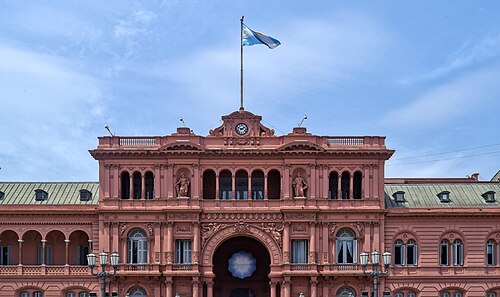
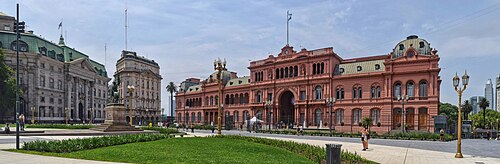
    Casa Rosada is Argentina's working seat of executive government on the eastern edge of Plaza de Mayo, with its familiar west facade facing the square.

    • Must see
    • Historic site
  2. Plaza de Mayo Plaza de Mayo
    03 1 hour

    Plaza de Mayo

    Plaza de Mayo is Buenos Aires' oldest public square and the civic setting in which several defining episodes of the city and nation unfolded.

    • Must see
    • Nature site
  3. Recoleta Cemetery Recoleta Cemetery
    04 30 min

    Recoleta Cemetery

    Cementerio de la Recoleta

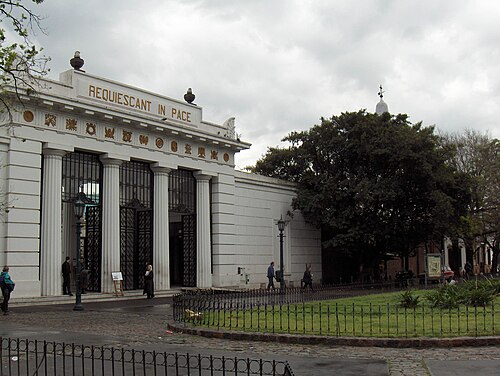
    Cementerio de la Recoleta is Buenos Aires' defining monumental cemetery and a core record of national political and social history.

    • Must see
    • Place of worship
  4. Caminito Caminito
    05 45 min

    Caminito

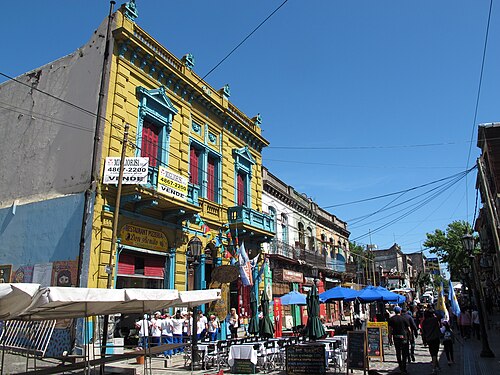
    Caminito is a short pedestrian street and open-air museum in the La Boca neighbourhood of Buenos Aires, Argentina. It occupies a roughly 150-metre stretch of cobblestones between Garibaldi and Lamadrid streets.

    • Must see
    • Historic site
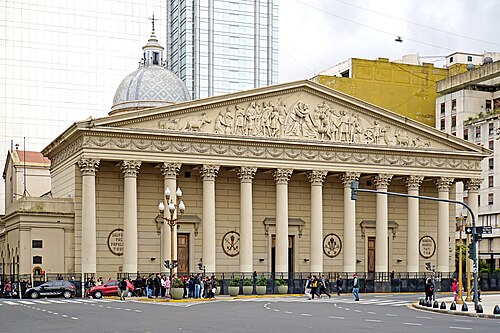
  5. Buenos Aires Cathedral Buenos Aires Cathedral
    06 30 min

    Buenos Aires Cathedral

    Catedral Metropolitana

    The Buenos Aires Metropolitan Cathedral, known locally as Catedral Metropolitana de Buenos Aires, stands as the principal Catholic church in Argentina's capital.

    • Must see
    • Place of worship
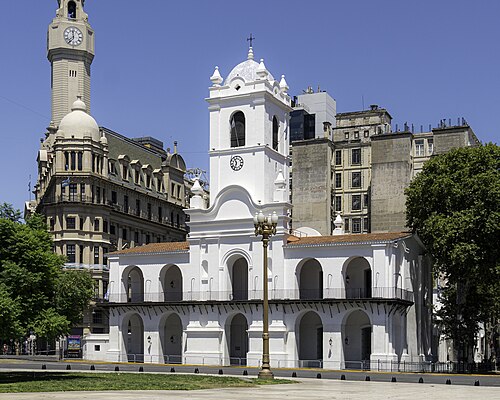
  6. Cabildo of Buenos Aires Cabildo of Buenos Aires
    07 45 min

    Cabildo of Buenos Aires

    Cabildo de Buenos Aires

    The Cabildo of Buenos Aires is a historic public building located on Plaza de Mayo, facing the Casa Rosada. It served as the seat of the colonial city council during Spanish rule and witnessed pivotal moments in Argentine independence.

    • Must see
    • Historic site
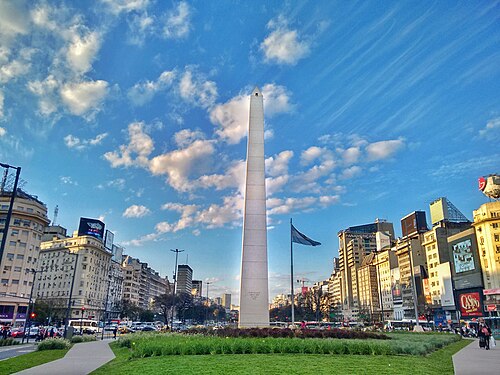
  7. Obelisk of Buenos Aires Obelisk of Buenos Aires
    08 45 min

    Obelisk of Buenos Aires

    Obelisco

    The Obelisk of Buenos Aires is a prominent monument standing at the intersection of Avenida 9 de Julio and Avenida Corrientes. Erected in 1936, it commemorates the quadricentennial of the city's founding.

    • Must see
    • Historic site
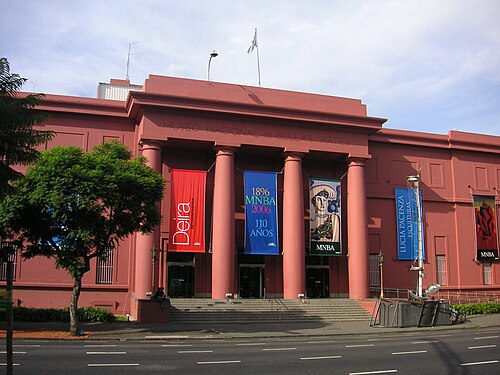
  8. National Museum of Fine Arts National Museum of Fine Arts
    09 1 hr 30 min

    National Museum of Fine Arts

    Museo Nacional de Bellas Artes

    The Museo Nacional de Bellas Artes is Argentina's premier fine-arts institution, housed in a landmark building in the Recoleta district of Buenos Aires. The museum occupies a renovated structure originally built for the city's waterworks.

    • Must see
    • Museum
  9. La Bombonera La Bombonera
    10 2 hours

    La Bombonera

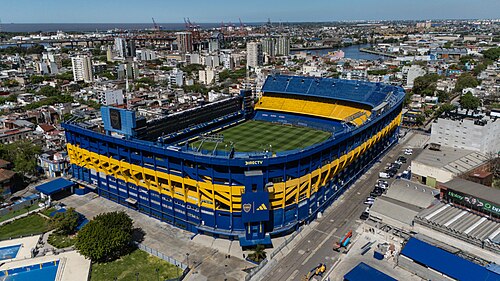
    La Bombonera is the popular name for Estadio Alberto J. Armando, the home stadium of Club Atlético Boca Juniors, one of Argentina's most storied football clubs.

    • Must see
    • Entertainment venue
  10. El Ateneo Grand Splendid El Ateneo Grand Splendid
    11 1 hour

    El Ateneo Grand Splendid

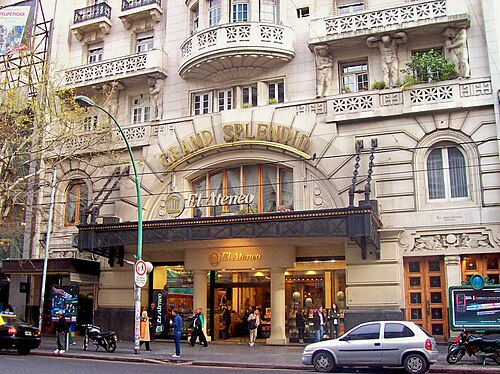
    El Ateneo Grand Splendid is a working bookstore inside a former theatre on Avenida Santa Fe in Buenos Aires, not a museum that preserves the auditorium without use.

    • Must see
    • Market
  11. Barolo Palace Barolo Palace
    12 45 min

    Barolo Palace

    Palacio Barolo

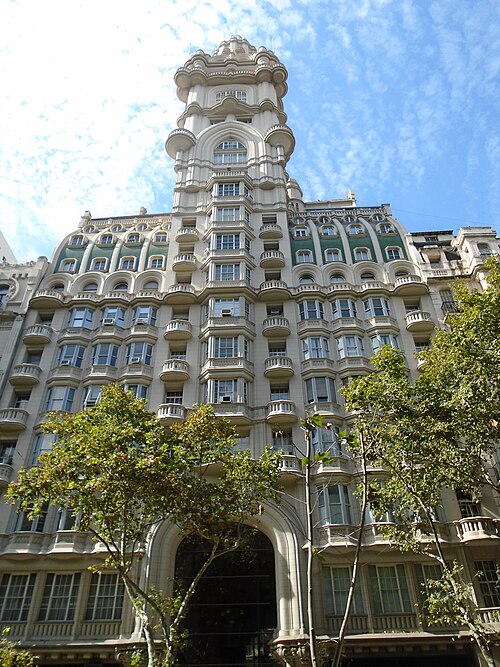
    Palacio Barolo is a landmark office building in Buenos Aires designed by Italian architect Mario Palanti and completed in 1923.

    • Must see
    • Historic site
  12. Puente de la Mujer Puente de la Mujer
    13 20 min

    Puente de la Mujer

    Puente de la Mujer is a rotating pedestrian bridge over Dock 3 in Buenos Aires's Puerto Madero district. The City identifies it as architect Santiago Calatrava's first work in Latin America and dates its opening to December 2001.

    • Must see
    • Viewpoint
  13. Reserva Ecologica Costanera Sur Reserva Ecologica Costanera Sur
    14 1 hour

    Reserva Ecologica Costanera Sur

    Reserva Ecológica Costanera Sur

    Reserva Ecológica Costanera Sur is the largest central nature reserve in Buenos Aires, occupying reclaimed land along the Río de la Plata waterfront.

    • Must see
    • Nature site
  14. Cafe Tortoni Cafe Tortoni
    15 1 hour

    Cafe Tortoni

    Café Tortoni

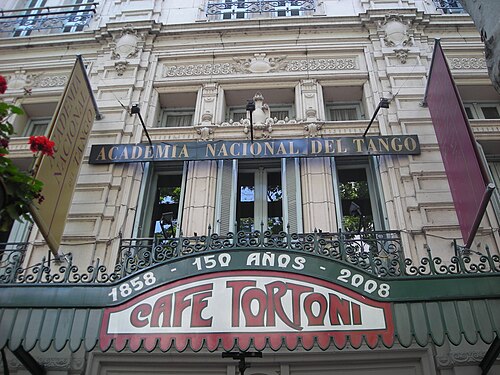
    Café Tortoni is Buenos Aires's most celebrated historic café, established as a landmark of Avenida de Mayo's literary and tango culture. It has served as a gathering place for writers, intellectuals, and artists across generations.

    • Must see
    • Restaurant or café
  15. Paseo El Rosedal Paseo El Rosedal
    16 1 hour

    Paseo El Rosedal

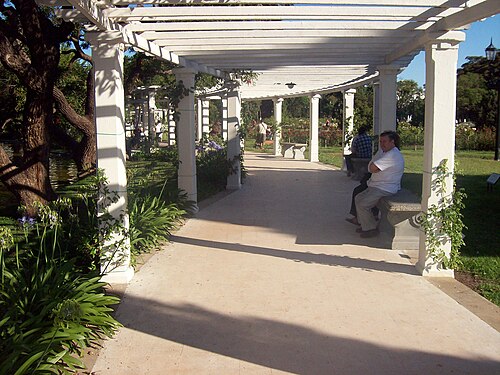
    The Palermo Rose Garden, known locally as Rosedal de Palermo, is a formal rose garden situated within the larger Parque Tres de Febrero in the Palermo neighbourhood of Buenos Aires.

    • Must see
    • Nature site
  16. plaza Dorrego plaza Dorrego
    17 1 hour

    plaza Dorrego

    Plaza Dorrego

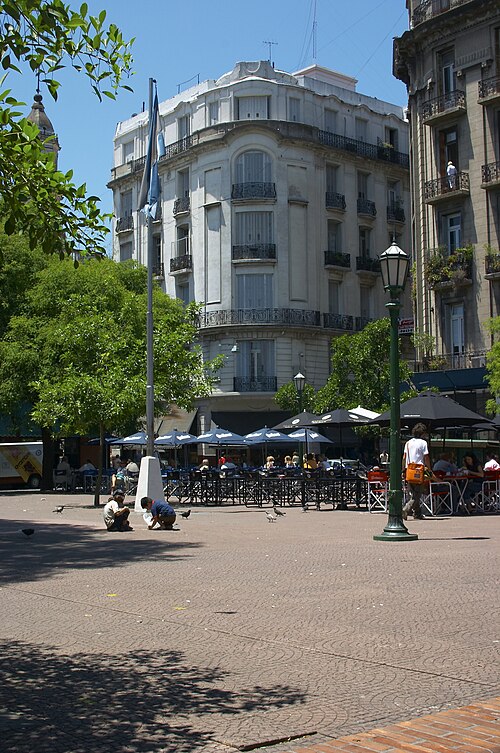
    Plaza Dorrego is a historic public square in the San Telmo neighbourhood of Buenos Aires, Argentina.

    • Must see
    • Nature site
  17. San Telmo Market San Telmo Market
    18 45 min

    San Telmo Market

    Mercado de San Telmo

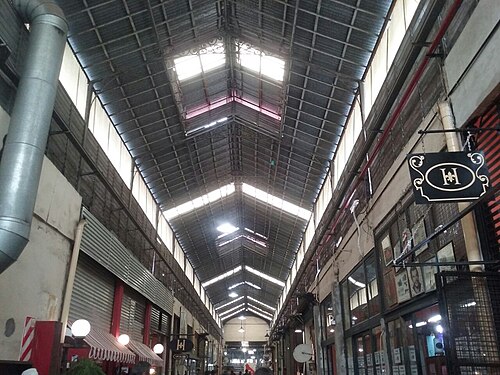
    Mercado de San Telmo is a covered market in Buenos Aires, not the Sunday street antiques fair at Plaza Dorrego. Opened in 1897 to supply a growing immigrant neighbourhood, it still combines food selling with antiques and other small businesses.

    • Must see
    • Market
  18. El Zanjón de Granados
    19 1 hr 30 min

    El Zanjón de Granados

    El Zanjón de Granados (historic ruins)

    El Zanjón de Granados is a historic underground site in Buenos Aires, revealing layers of the city's architectural past beneath the San Telmo neighborhood.

    • Must see
    • Museum
  19. Floralis Generica Floralis Generica
    20 1 hour

    Floralis Generica

    Floralis Genérica

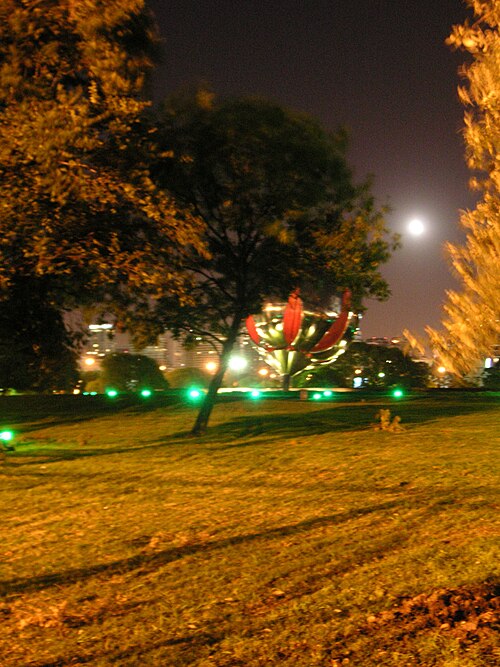
    Floralis Genérica is a monumental kinetic sculpture created by Argentine architect Eduardo Catalano. The stainless steel and aluminum flower stands in the Plaza de las Naciones Unidas in the Recoleta neighbourhood of Buenos Aires.

    • Must see
    • Art and culture venue
  20. Galerias Pacifico Galerias Pacifico
    21 45 min

    Galerias Pacifico

    Galerías Pacífico

    Galerías Pacífico is a historic shopping gallery in Buenos Aires, Argentina. The building exemplifies Beaux-Arts architecture and occupies a full city block in the city centre.

    • Must see
    • Market
  21. Feria de Mataderos Feria de Mataderos
    22 45 min

    Feria de Mataderos

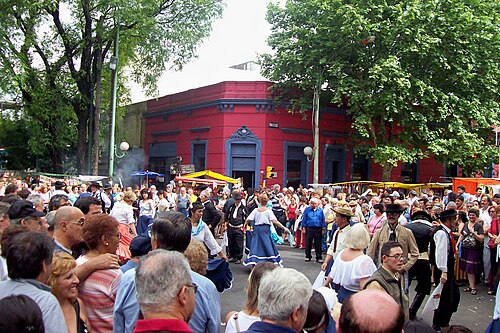
    Feria de Mataderos is a Buenos Aires fair devoted to Argentine folk culture. In the western Mataderos neighbourhood, historically associated with livestock markets, it brings rural traditions into an urban setting.

    • High
    • Historic site
  22. Argentine National Congress Argentine National Congress
    23 1 hour

    Argentine National Congress

    Congreso de la Nación Argentina

    The Palacio del Congreso de la Nación Argentina stands as the seat of Argentina's bicameral legislature in Buenos Aires. This monumental Neoclassical building dominates the Plaza del Congreso with its distinctive green copper dome, among the world's largest.

    • Must see
    • Historic site
  23. Museum of Latin American Art of Buenos Aires Museum of Latin American Art of Buenos Aires
    24 1 hr 30 min

    Museum of Latin American Art of Buenos Aires

    Museo de Arte Latinoamericano de Buenos Aires (MALBA)

    MALBA, the Museo de Arte Latinoamericano de Buenos Aires, is a museum dedicated to Latin American art from the early twentieth century to the present.

    • Must see
    • Museum
  24. Illuminated Block Illuminated Block
    25 1 hr 30 min

    Illuminated Block

    Manzana de las Luces

    Manzana de las Luces is a historic Jesuit and educational complex in Monserrat, south of Plaza de Mayo. Its name means Block of Enlightenment and recalls the learning institutions established by the Jesuits.

    • Must see
    • Museum

Source: OpenStreetMap contributors, Wikidata ·

How the city is laid out

Plaza de Mayo, Avenida de Mayo, the Obelisk and Teatro Colón anchor the Monserrat-San Nicolás cluster. San Telmo connects the centre with the southern route toward La Boca. Recoleta combines the cemetery, museums and formal avenues, while Palermo spreads across parks, museums and several informal sub-districts. Puerto Madero is a separate riverside walk. Belgrano and outer barrios require their own transit segment.

Checked 2026-08-26

Getting around

The Subte is often the quickest way to move between central districts, while buses extend coverage across the city. Public transport uses the rechargeable SUBE card. Taxis and the cycle network provide alternatives, and official journey tools compare routes and walking distance. Walk within San Telmo, Recoleta, Palermo or the central core, then use transit between them; approach La Boca with a planned daytime route.

Checked 2026-08-26

More city guides

More places to explore in Buenos Aires

Common questions

How is Buenos Aires organised for sightseeing?

Monserrat-San Nicolás, San Telmo, Recoleta, Palermo and Puerto Madero are distinct barrio clusters

How many days should I spend in Buenos Aires?

Suggested stay for a first visit: 4–5 days. Plan the visit by barrios and selected outer districts.

What is the easiest way to get around Buenos Aires?

Use the Subte for central journeys and buses for broader coverage; public transport requires SUBE.

Which places need a separate trip from central Buenos Aires?

Palermo is a large neighbourhood with several informal areas, so confirm the exact destination.

What is the most practical way to plan a day in Buenos Aires?

La Boca is best visited through a planned daytime route rather than an improvised cross-city walk.