


3 min walk
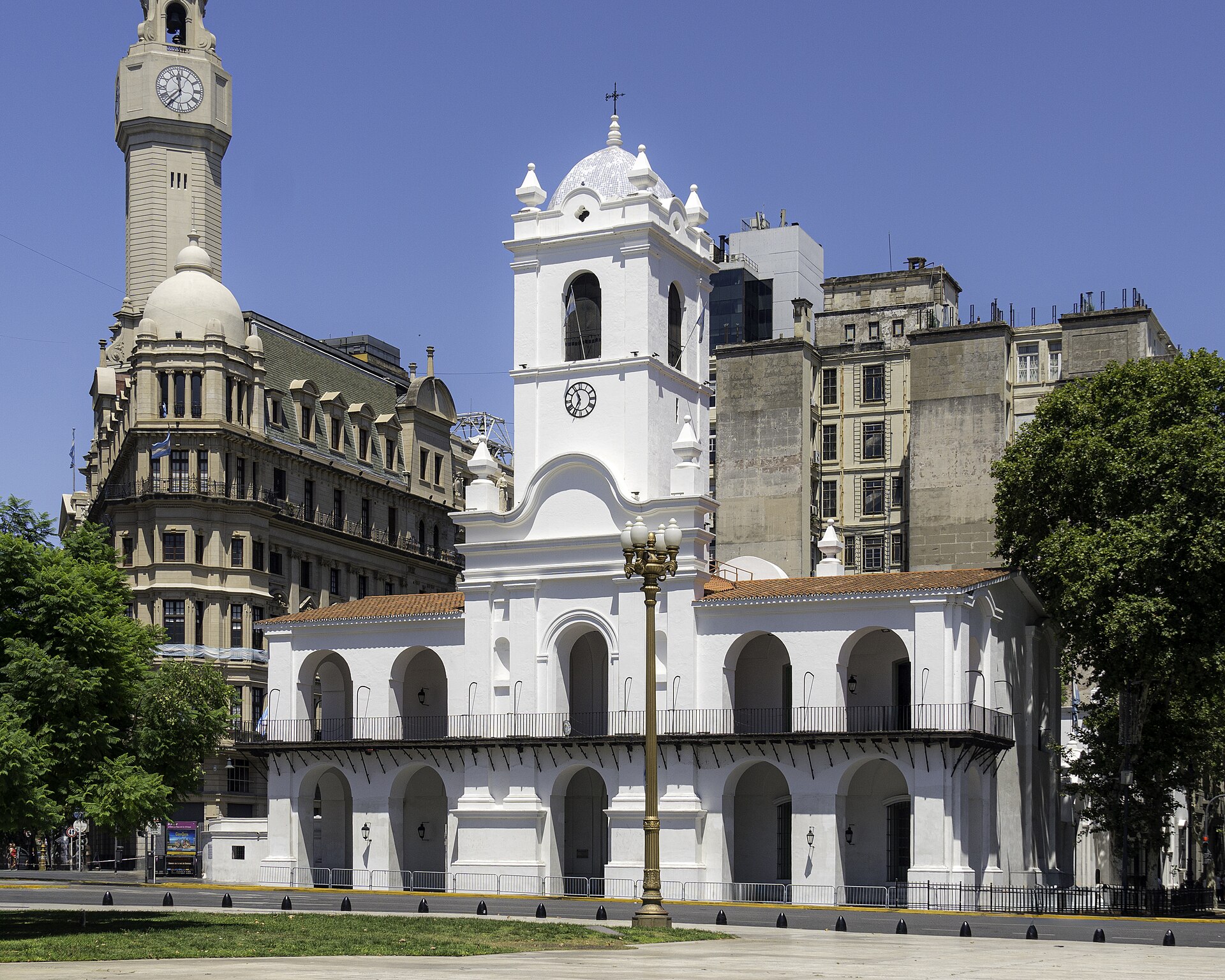
Cabildo of Buenos Aires
- Must see · Heritage site
- Historic monument
Language · 11 published
Museum · Buenos Aires
Manzana de las Luces
Reviewed by Elena Voss · Roavina Travel Editor
| Monday | 10:00 – 20:00 |
|---|---|
| Tuesday | 10:00 – 20:00 |
| Wednesday | 10:00 – 20:00 |
| Thursday | 10:00 – 20:00 |
| Friday | 10:00 – 20:00 |
| Saturday | 14:00 – 20:00 |
| Sunday | 14:00 – 20:00 |
Parsed from OpenStreetMap opening hours on 2026-09-09.
This place is a Museum. It carries the Place or National Historic Site heritage designation.
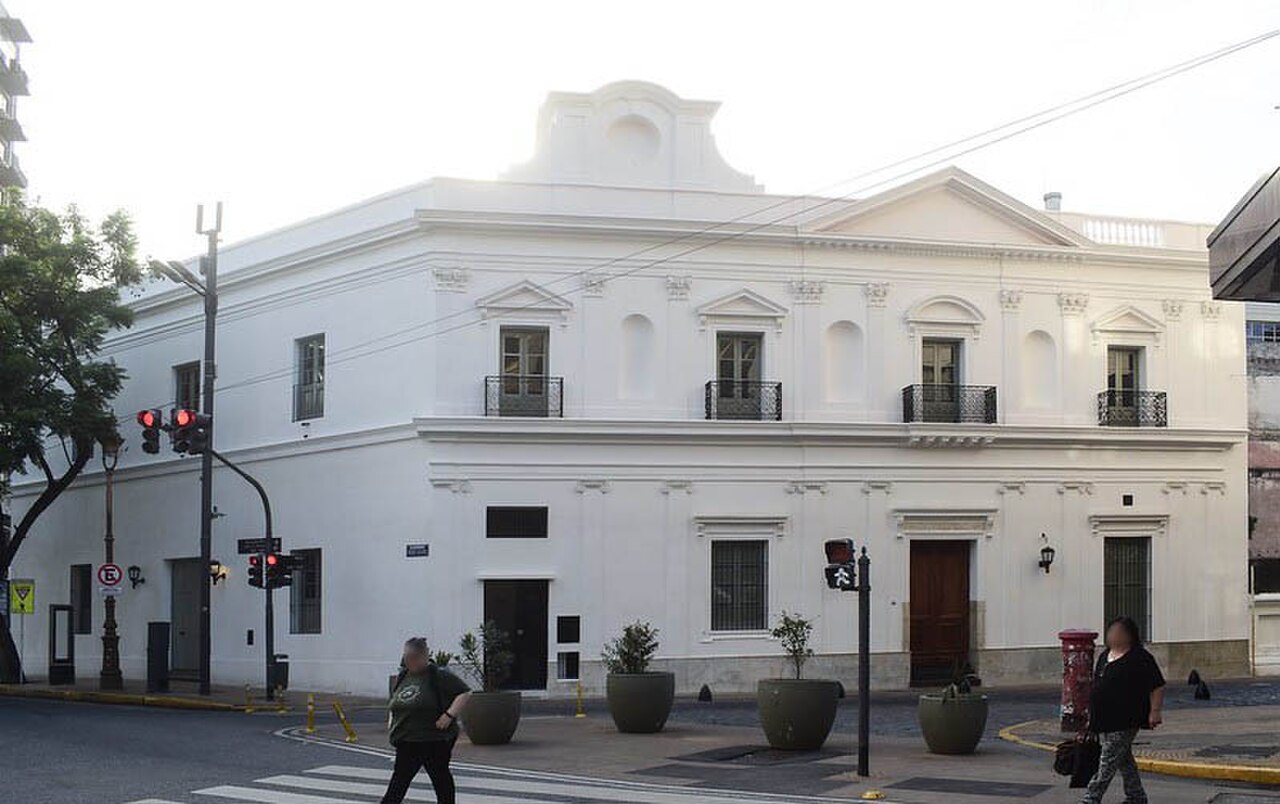
Manzana de las Luces is a historic Jesuit and educational complex in Monserrat, south of Plaza de Mayo. Its name means Block of Enlightenment and recalls the learning institutions established by the Jesuits. The site preserves colonial buildings and includes the Church of San Ignacio, identified as Buenos Aires’s oldest surviving church. For travelers, it offers a concentrated way to encounter the city’s early built environment, religious history, and educational heritage within the historic center. Manzana de las Luces is a historic Jesuit complex in Buenos Aires' Monserrat neighbourhood. Its name translates as Block of Enlightenment, reflecting its role as a centre of learning. The site comprises colonial-era buildings constructed by the Jesuit order, who established educational institutions here. It stands as one of the city's most significant colonial heritage sites, representing the foundational period of Buenos Aires before Argentine independence. The complex includes the Church of San Ignacio, the city's oldest surviving church. The name translates from Spanish as Block of Enlightenment, referring to the Jesuit educational institutions established there.
Checked 2026-08-26 · Source
Explore the colonial buildings, the Church of San Ignacio, and the underground tunnels that make this complex distinctive. The tunnels add a physical dimension to the history: visitors move beneath the historic city rather than viewing colonial architecture only from above ground. Look closely at construction details and allow the buildings to be read as connected parts of a former religious and educational center. The site’s strongest appeal lies in the relationship between architecture, learning, worship, and Buenos Aires’s earliest urban development.
Checked 2026-08-26 · Source
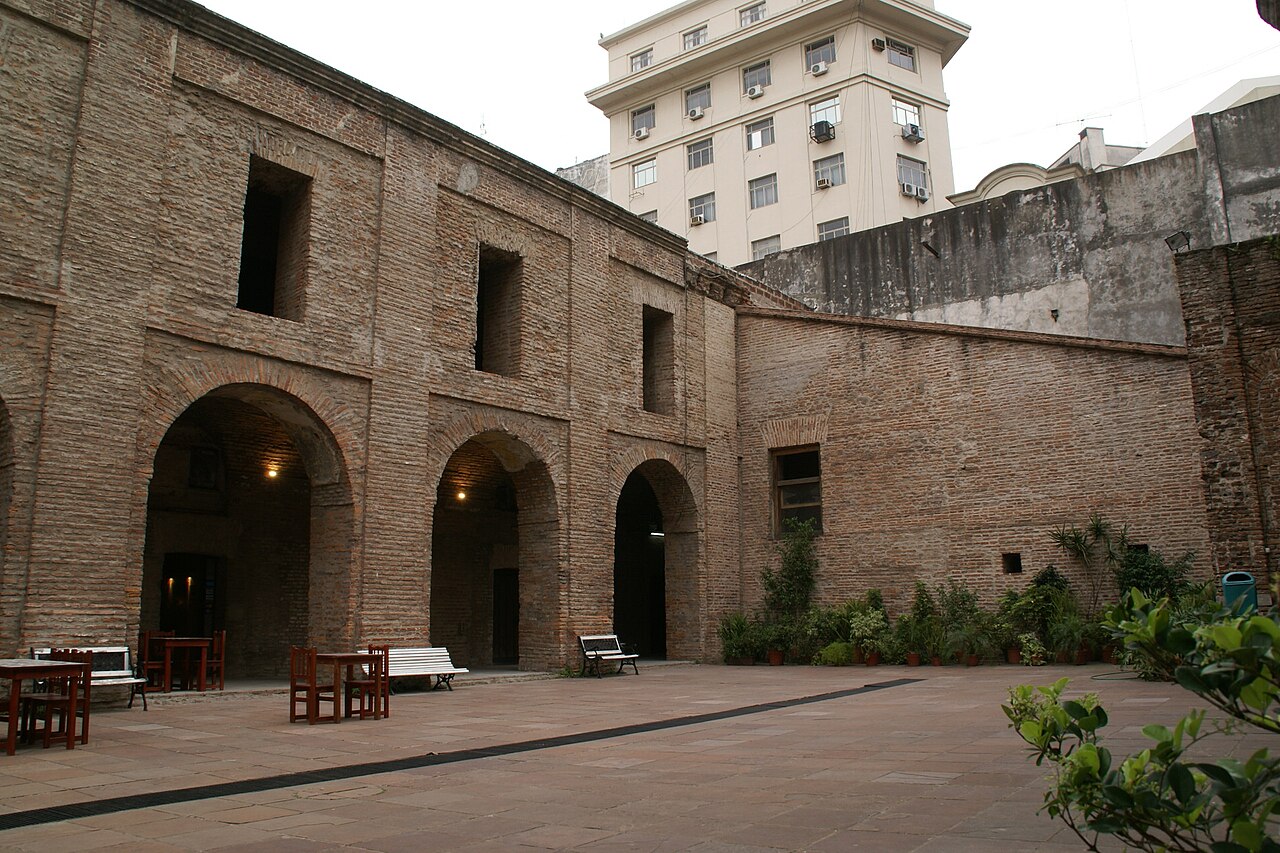
Give the complex enough time for both the colonial buildings and the tunnel areas. A quick circuit can introduce the site, but a fuller visit benefits from slower attention to architecture, historical displays, and the underground passages. The church deserves separate observation because it is the city’s oldest surviving church. Walking pace may change in confined areas, especially with groups present. Combine the visit with Plaza de Mayo and nearby Monserrat streets if you want a broader historic-center route.
Checked 2026-08-26 · Source
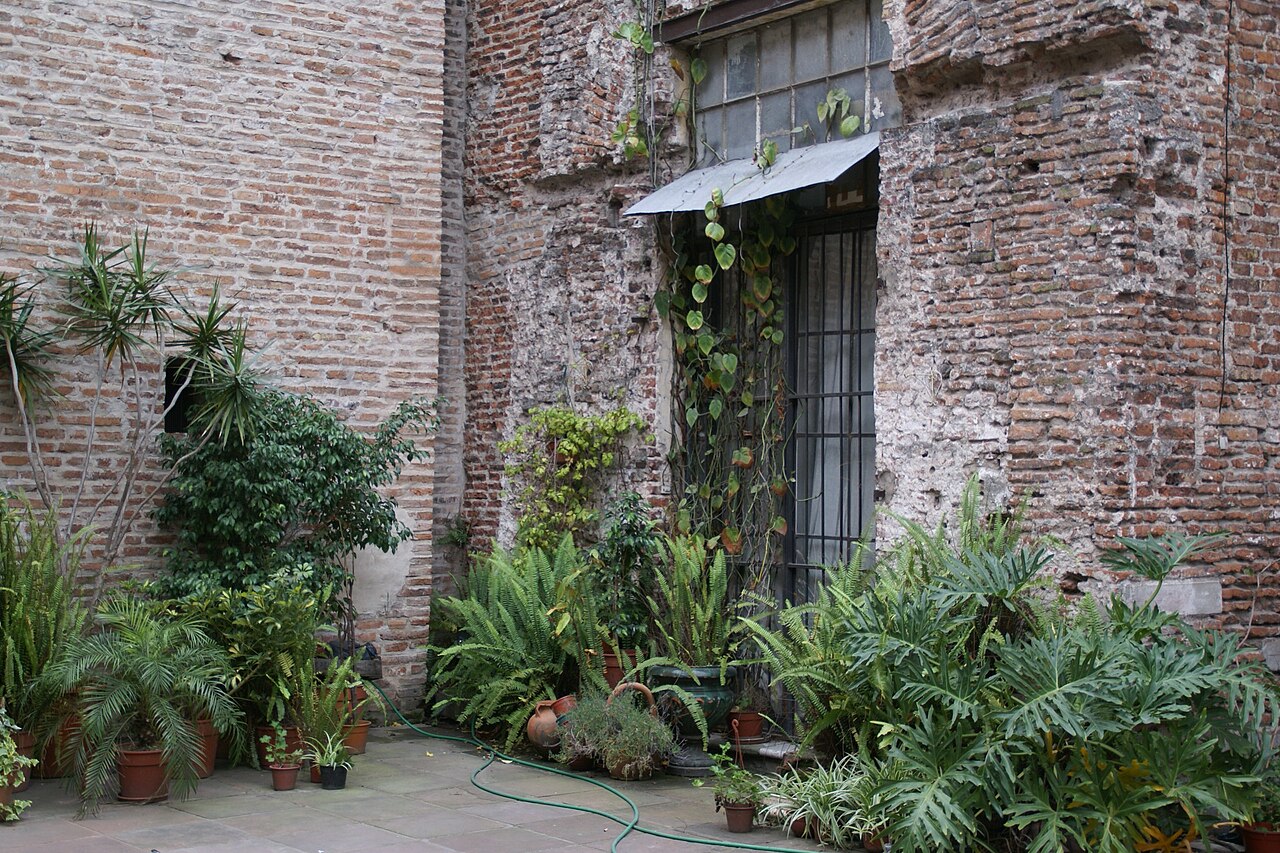
This is a strong choice for a historic-center day, particularly when you want an indoor and underground counterpoint to Buenos Aires’s plazas and streets. The Monserrat location is close to major civic landmarks, so the visit fits naturally between Plaza de Mayo and other central sights. Weather matters less once you are inside, although moving between buildings can still expose you to heat, humidity, or winter chill. Plan with enough flexibility for a careful pace through the tunnels.
Checked 2026-08-26 · Source
Treat the complex as a heritage visit with several distinct elements: colonial buildings, the Church of San Ignacio, and underground tunnels. Keep the site in your itinerary for its historical and architectural value rather than assigning an unverified price. If your route includes a church service or a tunnel experience, allow the visit to follow the character of the space and any movement requirements within the historic complex.
Checked 2026-08-26 · Source
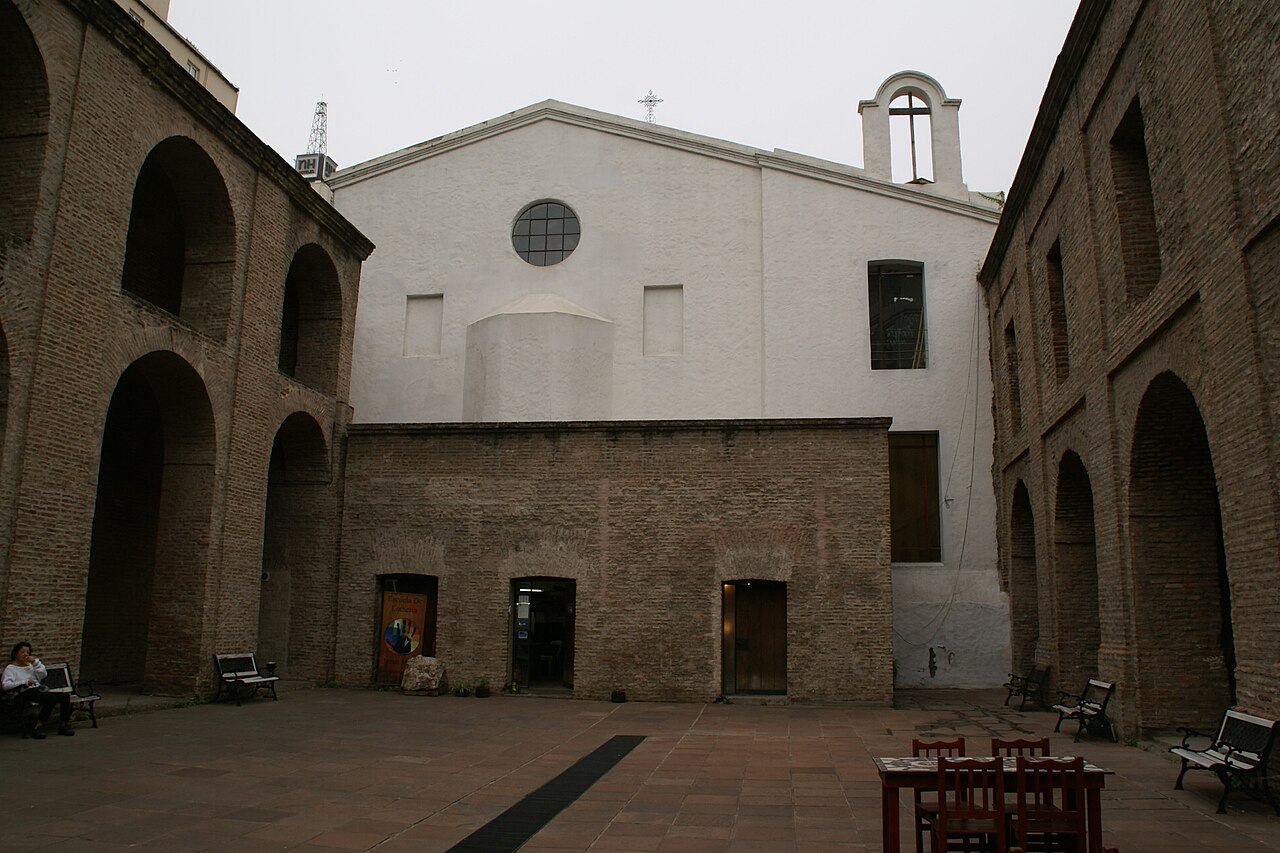
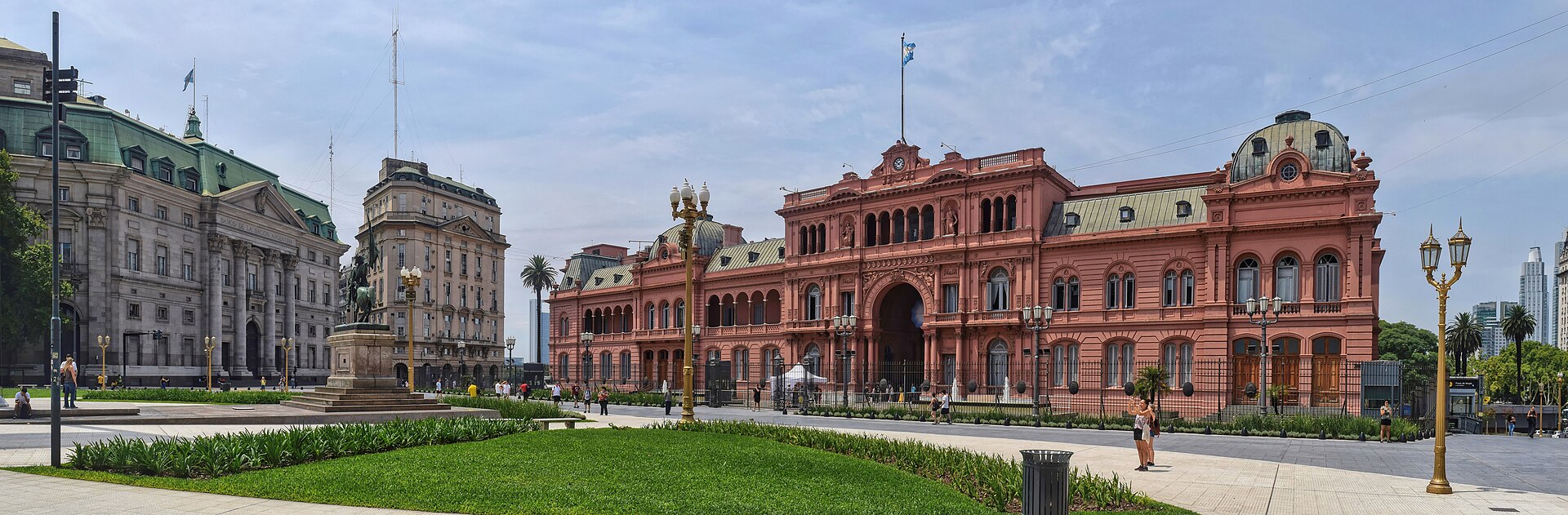
Manzana de las Luces is in Monserrat, immediately south of Plaza de Mayo, within Buenos Aires’s historic core. The central location is served by buses and the Subte, with Lines A, D, and E serving nearby parts of the district. The regular street grid makes walking from surrounding landmarks straightforward. Build the visit into a route through Monserrat rather than making it an isolated destination. Central streets can become quieter after government offices close, so stay attentive to traffic and belongings.
Checked 2026-08-26 · Source
The tunnels may include uneven surfaces, limited headroom, dim lighting, and confined passages. Wear stable footwear and move carefully, especially on steps or irregular floors. The underground setting can feel difficult for visitors with claustrophobia or limited mobility. Colonial walls and historic elements deserve careful treatment, so avoid touching surfaces. Keep children close in the tunnels and be patient when groups share narrow sections. Above ground, Monserrat has busy traffic and active city streets, so crossing and belongings require ordinary urban care.
Checked 2026-08-26 · Source
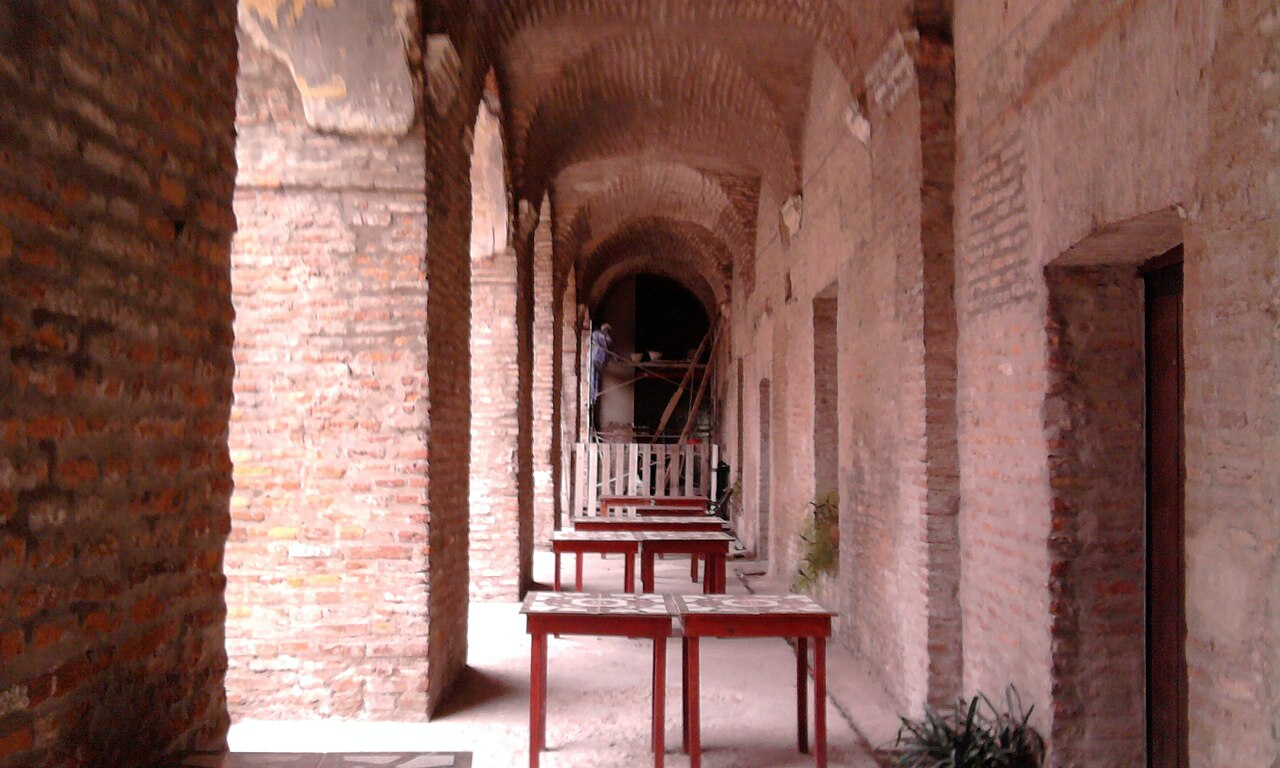
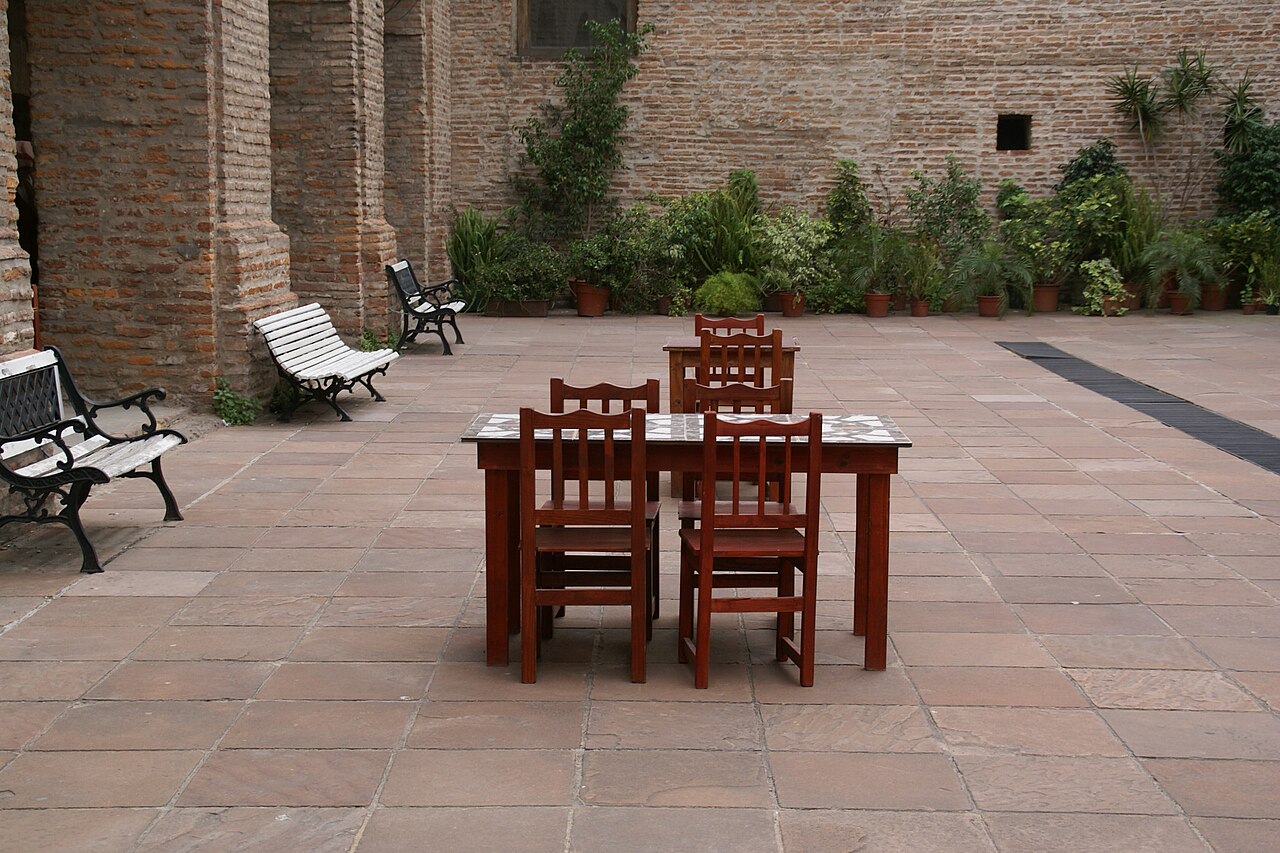
The contrast between colonial architecture above ground and atmospheric tunnel spaces below creates the most distinctive photographs. Underground light is limited, so steady shooting and careful exposure matter more than elaborate equipment. Narrow passages leave little room for tripods or extended setups. In the Church of San Ignacio, keep photography subordinate to worship and observe any posted directions. Frame courtyards, masonry, steps, and ceiling details to show how the complex connects religious, educational, and urban history. Keep flash use respectful and unobtrusive.
Checked 2026-08-26 · Source
The Spanish name means Block of Enlightenment and recalls the site’s Jesuit educational history.
The complex includes the Church of San Ignacio, Buenos Aires’s oldest surviving church.
They let visitors encounter the historic complex below ground through underground passages with colonial connections.
It is in Monserrat, immediately south of Plaza de Mayo in central Buenos Aires.
Wear stable footwear suited to uneven surfaces, steps, dim light, and confined passages.
Yes. The complex lies immediately south of Plaza de Mayo and fits naturally into a historic-center walking route.
Loading the interactive map…
The interactive map could not be loaded.
Last updated:
Source: OpenStreetMap contributors, Wikidata ·