
2 min walk
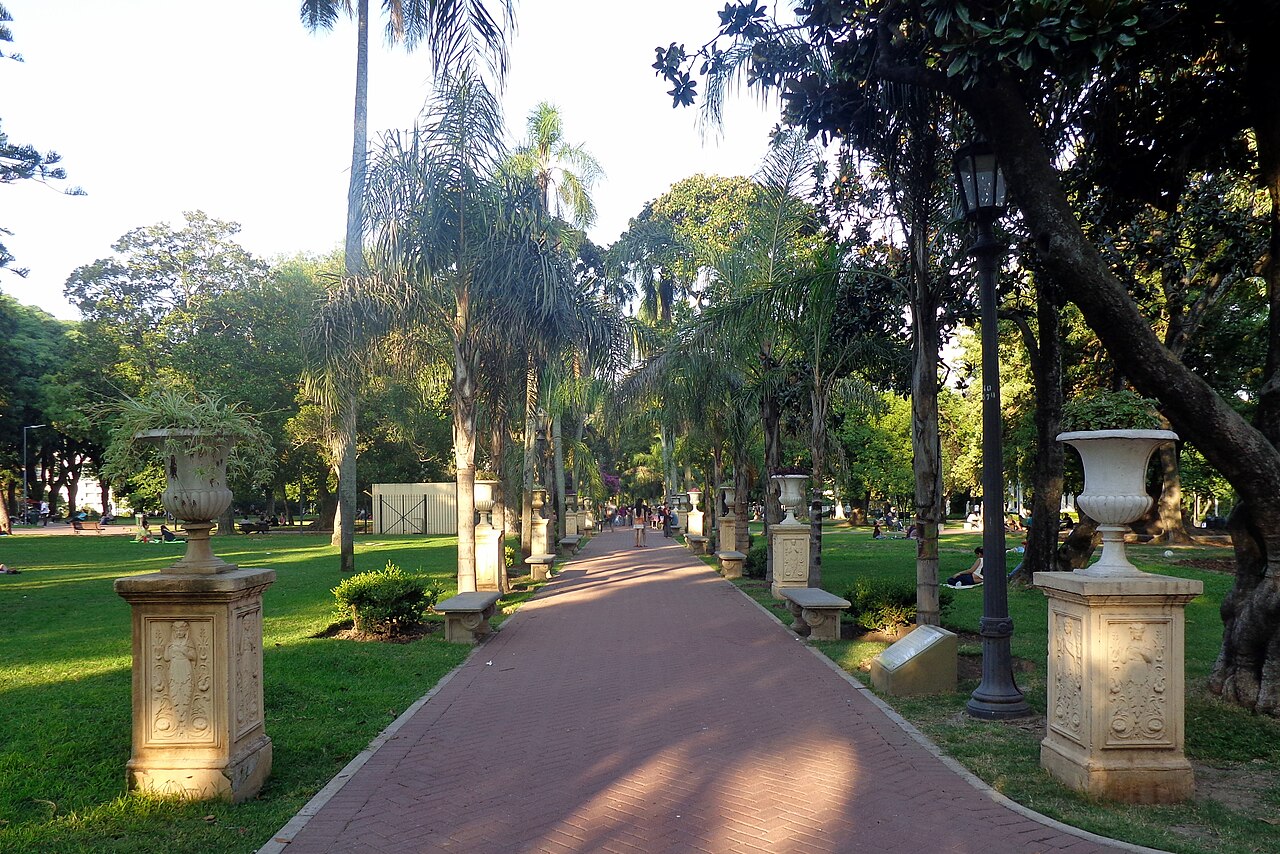
Lezama Park
- High
- Nature site

Museum · Buenos Aires
Museo Histórico Nacional
| Monday | Closed |
|---|---|
| Tuesday | Closed |
| Wednesday | 11:00 – 19:00 |
| Thursday | 11:00 – 19:00 |
| Friday | 11:00 – 19:00 |
| Saturday | 11:00 – 19:00 |
| Sunday | 11:00 – 19:00 |
Checked 2026-08-31 · Source
| Per person | Free entry |
|---|
Checked 2026-08-31 · Source
Read from the OpenStreetMap access tags; anything not listed has no tag recorded.
Set the group type to family in the planner and the day window contracts to about three quarters of a solo day.
The Museo Histórico Nacional is Argentina's central national-history museum, housed in a historic mansion in the San Telmo district. The building stands beside Parque Lezama, one of Buenos Aires' older parks. The museum holds national significance as the primary institution dedicated to preserving and presenting Argentina's historical narrative. Its location in a historic property rather than a purpose-built structure gives it a distinctive character among the city's cultural institutions. The mansion setting contributes to the visitor experience. Wednesday–Sunday and public holidays: 11:00–19:00. Monday–Tuesday: closed. Last entry is at 18:50. The museum’s 2026 calendar additionally marks 1 January, 1 May and 15 November as closed; 17 August, 12 October and 23 November are open 11:00–18:50 for admission.
Checked 2026-08-31 · Source
The museum contains collections related to Argentine national history. Exhibits and artefacts span significant periods of the country's development. The historic mansion itself forms part of the visitor experience, with period features and architectural elements visible throughout. The collections reflect Argentina's path from colonial times through independence and nation-building.
Checked 2026-08-31 · Source
A thorough visit to a national history museum of this scope typically requires between ninety minutes and two and a half hours. Visitors with strong interest in Argentine history may prefer extended stays to examine documents and objects in detail. Those with limited time might focus on highlights in approximately one hour. The historic mansion setting may involve navigating multiple floors and rooms, affecting pacing. Individual reading speed and engagement level with historical materials significantly influence visit duration. Families with children often complete visits more quickly.
Checked 2026-08-31 · Source
Wednesday–Sunday and public holidays: 11:00–19:00. Monday–Tuesday: closed. Last entry is at 18:50. The museum’s 2026 calendar additionally marks 1 January, 1 May and 15 November as closed; 17 August, 12 October and 23 November are open 11:00–18:50 for admission. Visitors must verify current schedules directly with the museum or through official Buenos Aires tourism channels before planning. Weekday mornings at major museums often offer quieter conditions. Weekends and Argentine public holidays typically draw larger crowds. Buenos Aires experiences hot, humid summers and mild winters; the museum's indoor setting provides climate relief during extreme weather. San Telmo's Sunday antiques fair nearby creates neighbourhood congestion that may affect access and surrounding area conditions.
Checked 2026-08-31 · Source
General admission is free. Visitors must verify current ticketing arrangements directly with the museum or official tourism sources before visiting. Many Argentine national museums have historically offered free or low-cost entry, though policies change. Some institutions maintain free entry for residents while charging foreign visitors. Special exhibitions may carry separate fees. Students, seniors, and children often receive concessions where charges apply.
Checked 2026-08-31 · Source
The museum is at Defensa 1600 beside Parque Lezama. Buenos Aires’ low-floor accessible eBus connects the Retiro railway stations with Parque Lezama and operates daily from 05:00 to 01:00. The museum sits beside Parque Lezama in San Telmo, a neighbourhood south of Buenos Aires' central Microcentro area. Multiple bus routes serve the district. The nearest Subte stations require walking distance; Independencia on Line C and Line E provides reasonable proximity. Taxis and ride services operate throughout the area. Walking from San Telmo's main commercial streets or from nearby Plaza de Mayo is feasible for able visitors. The Sunday antiques fair creates pedestrian congestion on Defensa street that may affect neighbourhood access. Cycling infrastructure exists on some surrounding streets.
Checked 2026-08-31 · Source
The step-free entrance is via a ramp in the centre of Parque Lezama; enter the park on its paved path from Defensa at Avenida Brasil. The accessible visitor circuit covers the ground-floor exhibitions and museum patios. An accessible ground-floor toilet includes a universal WC and changing table. Guide dogs and assistance animals are permitted; staff can provide water for them. Accessibility resources include an Argentine Sign Language welcome, Braille, audio descriptions and a suggested accessible route. San Telmo requires standard urban awareness regarding personal belongings and street distraction tactics. Narrow doorways and period bathrooms may not accommodate all visitors. Air conditioning in older buildings can be inconsistent. Nearby Parque Lezama has reported maintenance variations. The Sunday market brings crowds and associated petty theft risks. Limited English signage is common in Argentine national museums. Bag restrictions may apply for collection protection.
Checked 2026-08-31 · Source
Photography policies at Argentine national museums vary significantly by institution and exhibition. Flash photography is typically prohibited to protect light-sensitive materials. Tripods and selfie sticks are commonly restricted due to space constraints and visitor flow. Some collections or loaned exhibitions may carry absolute photography bans. Commercial or publication use requires separate authorisation. Visitors should observe posted signage and staff instructions. When permitted, non-flash photography for personal use is generally acceptable.
Checked 2026-08-31 · Source
Admission closes at 18:50, ten minutes before the museum closes.
Educational institutions and other organised groups must submit the museum’s pre-registration form and receive confirmation by email. A visit lasts about 60 minutes and is limited to 35 students.
No. The museum does not allow external guides to conduct tours in its galleries.
When reserve tours are scheduled, general-public groups are limited to ten people and places are allocated on arrival without advance booking.
English translations of the gallery texts are available through the museum’s website, and the museum provides a contact address for English-language tours.
“Texturas y sonidos de la Revolución” is a sensory group visit using tactile materials, audio descriptions and sound. It accepts school or adult groups of up to 15 people and requires a reservation.
Loading the interactive map…
The interactive map could not be loaded.

Last updated:
Source: OpenStreetMap contributors, Wikidata ·