.jpg)


3 min walk
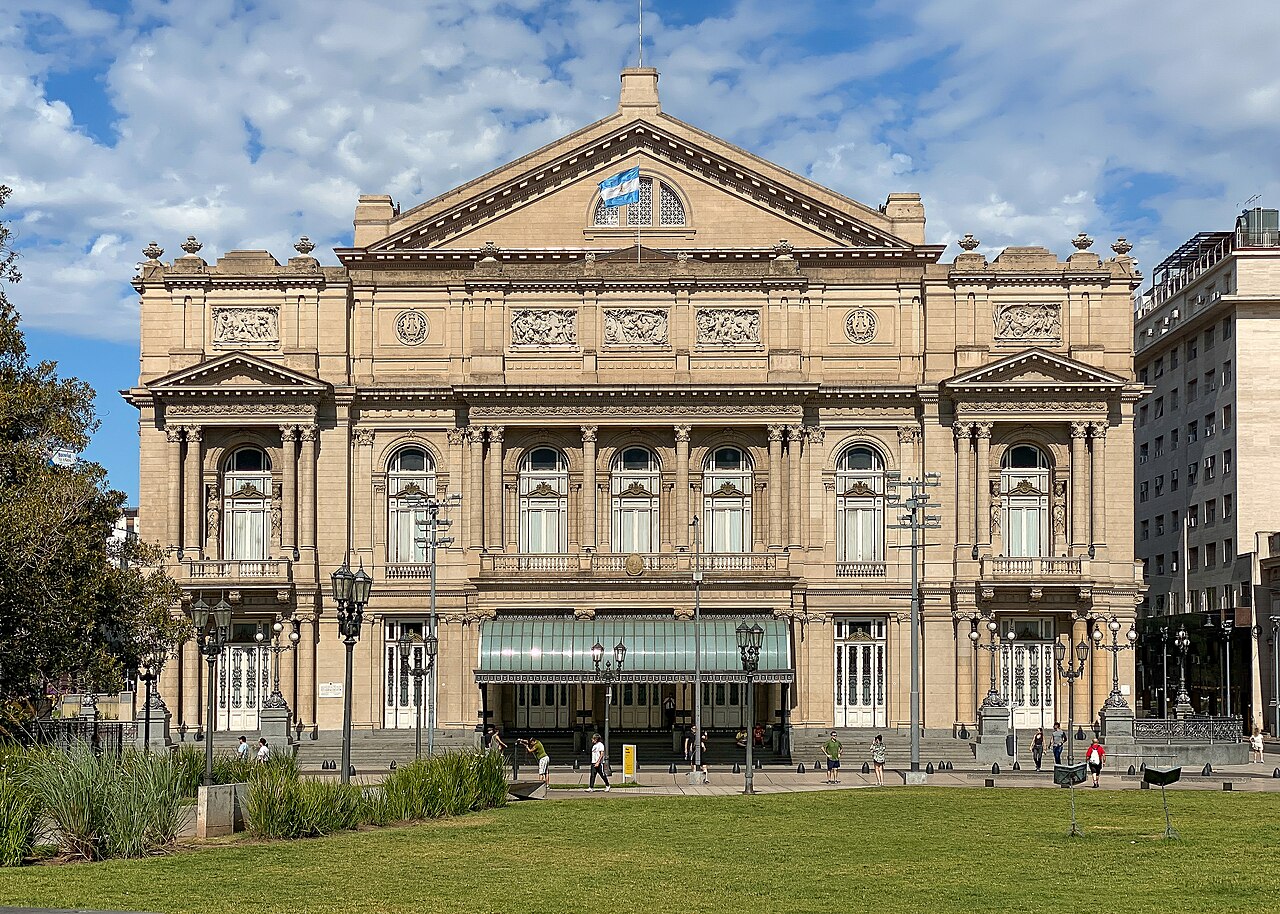
Teatro Colon
- Must see · Heritage site
- Art and culture venue
Language · 11 published
Place of worship · Buenos Aires
Sinagoga de la Congregación Israelita (CIRA)
Reviewed by Elena Voss · Roavina Travel Editor
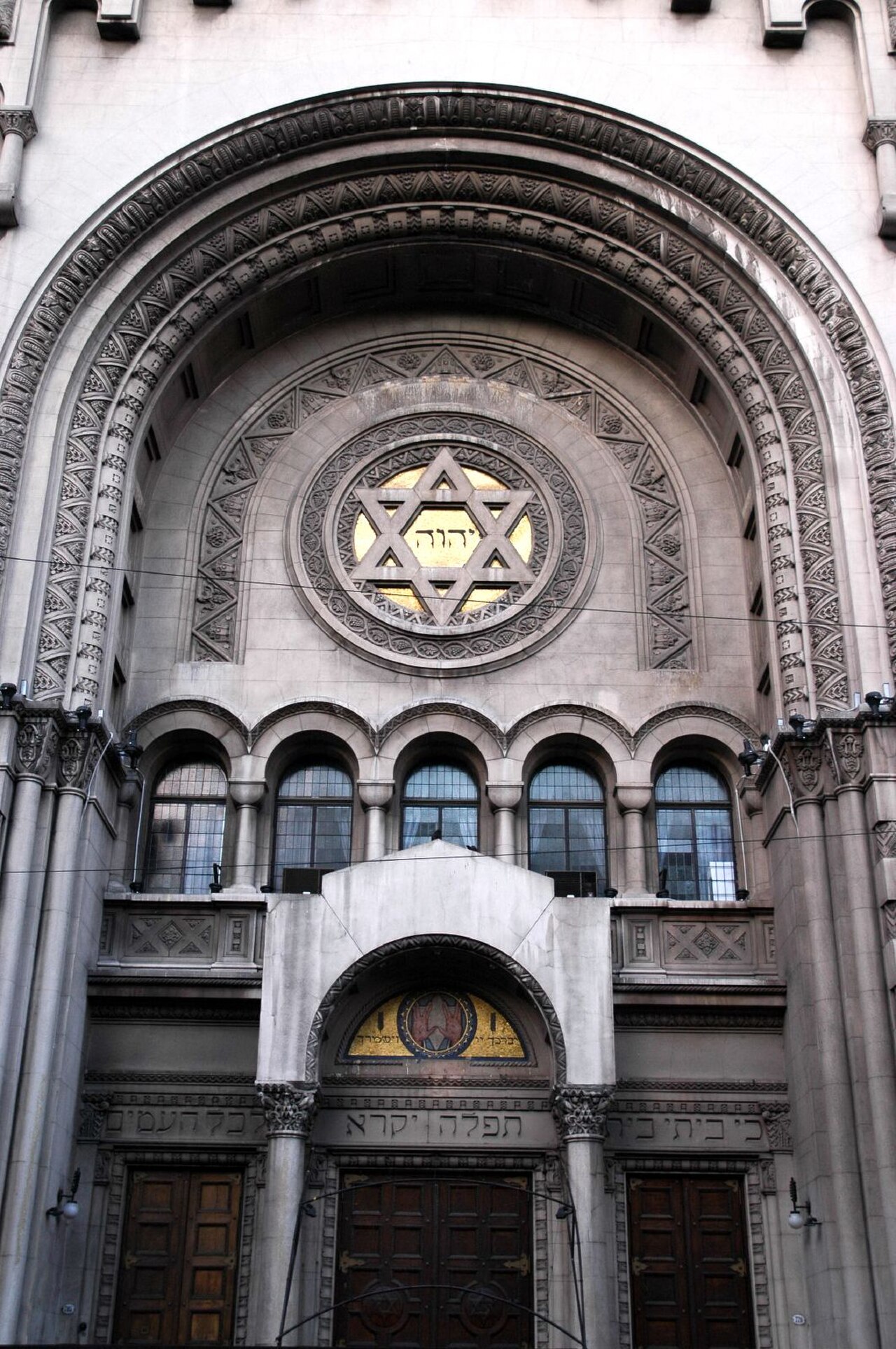
This place is a Place of worship. It was established in 1932. It was built in the Romanesque Revival architecture style. It is run by Jewish community of Buenos Aires.
Templo Libertad is Argentina’s oldest synagogue and an important Jewish religious and cultural landmark in Buenos Aires. The complex combines an active house of worship with a Jewish museum devoted to the history of Jewish immigration to Argentina. Visit it to connect the city’s built environment with the communities that shaped its population during the late nineteenth and early twentieth centuries. The synagogue is not only a historic façade: it remains part of Jewish communal life. The museum adds a historical dimension, making Templo Libertad especially useful for travelers exploring Buenos Aires through immigration, religion and urban identity.
Checked 2026-08-26 · Source
The visit brings together the synagogue sanctuary and the Jewish museum. In the museum, concentrate on the story of Jewish settlement and community development in Argentina, and on how immigration contributed to Buenos Aires’ cosmopolitan character. Historical artifacts, photographs and documents support that narrative. The sanctuary provides the religious and architectural setting that gives the museum’s story a living context. Move through the site with attention to both roles: one part preserves community history, while the other continues as a place of worship. Together they explain why this is more than a conventional city museum.
Checked 2026-08-26 · Source
Set aside approximately one to two hours for Templo Libertad and its museum. Use the shorter end of that range for a focused look at the sanctuary and principal historical displays. Stay longer if Jewish history, Argentine immigration or religious architecture is central to your interests. The complex is compact enough to fit into a central Buenos Aires day, but the subject rewards time spent reading and considering the connections between migration, community building and worship. Leave room in the itinerary for a quiet transition after the museum, especially if the exhibits prompt deeper reflection.
Checked 2026-08-26 · Source
Plan with the synagogue’s religious role in mind. Services, Jewish holidays and the Sabbath can affect access and the atmosphere inside the complex. A weekday morning may provide a calmer setting for reading the museum displays, provided it does not conflict with worship activity. Build flexibility into the visit rather than treating it like a museum with an unchanging rhythm. The central location makes it easy to place Templo Libertad among other downtown stops, while a quieter period gives you more time to absorb the immigration history and community story presented here.
Checked 2026-08-26 · Source
Templo Libertad combines religious and museum functions, so separate the idea of visiting the building from the question of a museum admission charge. Plan your day around the historical experience rather than promising a particular ticket arrangement. If you are visiting as part of a group, leave flexibility for the institution’s own entry procedure. The museum’s subject, Jewish immigration and community development in Argentina, is the central reason to make space for this stop in a city itinerary.
Checked 2026-08-26 · Source

Templo Libertad occupies a central part of Buenos Aires with access to the city’s public transportation network. Reach the broader downtown area by subway or bus, then continue on foot through the surrounding central streets. Taxis and ride-hailing services also operate across the city. The synagogue’s established urban location makes it practical to combine with other central cultural stops in one outing. Use a current map for the final walking approach and allow enough time to pass through the city centre without turning the arrival into a rushed start to the museum visit.
Checked 2026-08-26 · Source
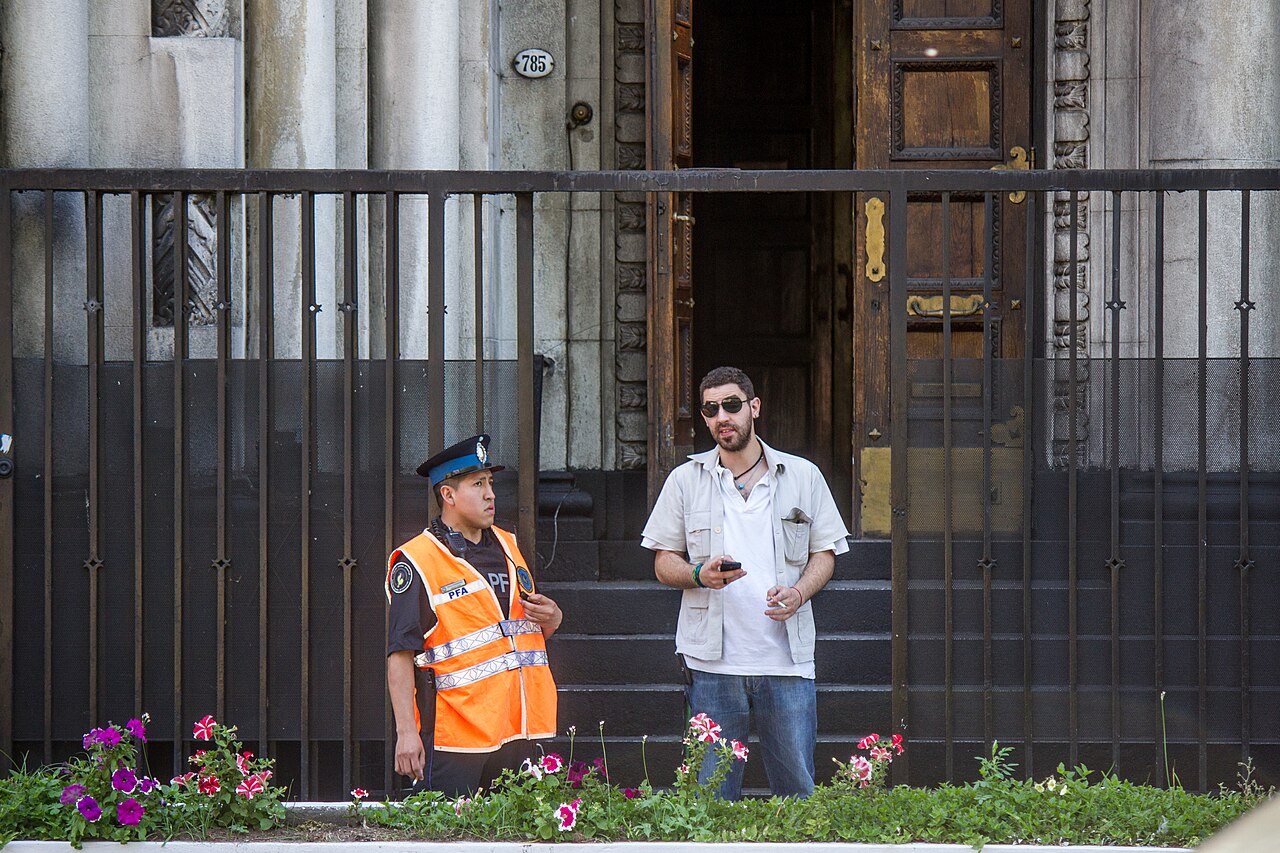
Approach Templo Libertad as both a museum and an active synagogue. Wear respectful clothing, speak quietly and follow directions around worship spaces. Jewish institutions may use security procedures, including checks at entry, so allow patience for arrival. Spanish is the main language of Buenos Aires, and a translation app can help with historical terminology. The museum addresses immigration, persecution and displacement, themes that can be emotionally demanding. Move through the displays at your own pace. If you have mobility needs, plan the visit carefully around the physical conditions you encounter at this historic religious complex.
Checked 2026-08-26 · Source

Treat photography differently in the museum and sanctuary. In the worship space, prioritize the privacy and concentration of people praying, and follow any signs or staff directions before taking a picture. Avoid photographing individuals without consent. In the museum, focus on displays without flash when preserving a quiet viewing environment matters. The synagogue’s architecture, historical documents and relationship to Buenos Aires’ Jewish community can support thoughtful images, but documentary value never outranks religious respect. Keep equipment unobtrusive and let the building’s atmosphere guide the pace of your photography.
Checked 2026-08-26 · Source
Yes. Templo Libertad functions as an active house of worship as well as housing a Jewish museum.
It presents the history of Jewish immigration to Argentina, including settlement and community development in Buenos Aires.
Allow about one to two hours for the synagogue and museum, with extra time if you want to read the historical displays closely.
Use Buenos Aires buses or the subway to reach the central area, then walk; taxis and ride-hailing services also serve the location.
It links Argentina’s Jewish religious life with the immigration and community history that helped shape Buenos Aires as a cosmopolitan city.
Respect the active worship space, keep quiet, follow security directions and allow time for museum themes concerning immigration, persecution and displacement.
Loading the interactive map…
The interactive map could not be loaded.

Last updated:
Source: OpenStreetMap contributors, Wikidata ·