
122 min walk
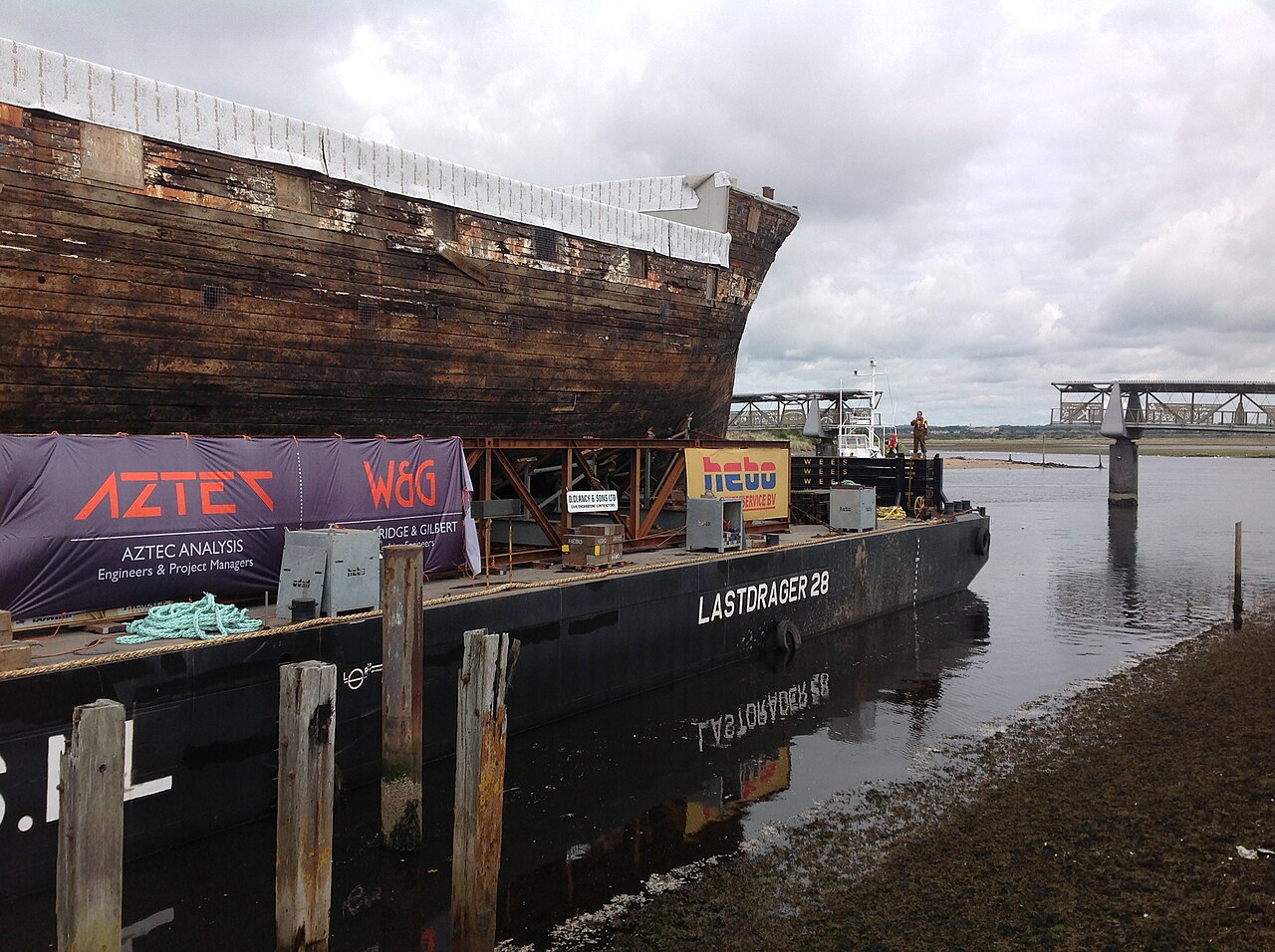
Clipper Ship City of Adelaide
- Must see
- Historic monument
Language · 11 published
Nature site · Adelaide
Reviewed by Elena Voss · Roavina Travel Editor
Read from the OpenStreetMap access tags; anything not listed has no tag recorded.
Set the group type to family in the planner and the day window contracts to about three quarters of a solo day.
This place is a Nature reserve.
The Adelaide Dolphin Sanctuary is a protected marine area located in the Port River and Barker Inlet region north of Adelaide's central business district. Established to safeguard a resident population of Indo-Pacific bottlenose dolphins, the sanctuary encompasses mangrove forests, seagrass beds, tidal wetlands, and estuarine waterways. The site represents a rare example of metropolitan cohabitation between humans and wild dolphins, with the animals frequently observed in industrial and recreational waterways near Port Adelaide. Daily: year-round access; no fixed gate hours.
Checked 2026-08-31 · Source
The sanctuary contains diverse estuarine habitats including mangrove-lined creeks, mudflats, and shallow tidal channels that support the dolphin population. Visitors may encounter dolphins throughout the waterways, particularly around the Port River. The surrounding area includes the Port Adelaide precinct with its maritime heritage infrastructure. Birdlife frequents the wetland margins. The experience centres on unstructured observation of wild animals in their natural environment. The sanctuary has multiple shoreline and water access points rather than a single gated entrance. NPWS lists no routine closure day, and Adelaide.
Checked 2026-08-31 · Source
Duration depends entirely on visitor objectives and dolphin presence. Casual observation from riverbank vantage points may occupy thirty minutes to one hour. Those undertaking kayaking or boating excursions through sanctuary waters typically allow two to four hours. Dolphin sightings cannot be guaranteed; wild animals follow their own patterns. Visitors seeking reliable encounters should plan flexible itineraries and consider multiple visits. The surrounding Port Adelaide area offers supplementary maritime attractions that can extend a half-day excursion into a fuller regional exploration. Free entry; no general park-admission ticket is required.
Checked 2026-08-31 · Source
Dolphins inhabit the sanctuary year-round, though seasonal patterns and daily activity vary unpredictably. Weather conditions affect water clarity and comfort for on-water activities. The South Australian summer months offer more favourable conditions for extended outdoor observation, while winter visits may encounter reduced tourist congestion. Tide states influence dolphin movement patterns and accessibility of certain waterways. Daily: year-round access; no fixed gate hours. Take an OUTHA Outer Harbor-line train from Adelaide Railway Station to Port Adelaide Railway Station. From the station, continue into the Inner Port waterfront, where the DEW map marks the Loop Path, Visitor Information Centre and land-based dolphin-watching.
Checked 2026-08-31 · Source
The Adelaide Dolphin Sanctuary is a public marine protected area without gated entry. No admission fee applies to riverbank observation. Commercial tour operators may offer paid kayaking, boating, or guided experiences with independent pricing structures. Visitors should verify current costs directly with any chosen provider. Equipment hire for self-guided water access, where available, would involve separate commercial arrangements. Free entry; no general park-admission ticket is required. NPWS lists an accessible toilet, parking and public-transport access among the sanctuary's facilities. Garden Island has parking, toilets and a boardwalk through the mangroves.
Checked 2026-08-31 · Source
The sanctuary lies approximately fourteen kilometres northwest of Adelaide's city centre, accessible via road to the Port Adelaide area. Public transport options include train services to Port Adelaide station with subsequent walking or local connection. Cycling routes connect to the precinct. Take an OUTHA Outer Harbor-line train from Adelaide Railway Station to Port Adelaide Railway Station. From the station, continue into the Inner Port waterfront, where the DEW map marks the Loop Path, Visitor Information Centre and land-based dolphin-watching points. Drivers can also use named access points at Garden Island, St Kilda, Snowdens Beach, Outer Harbor and North Haven Marina; Garden Island is reached via Torrens Island Bridge.
Checked 2026-08-31 · Source
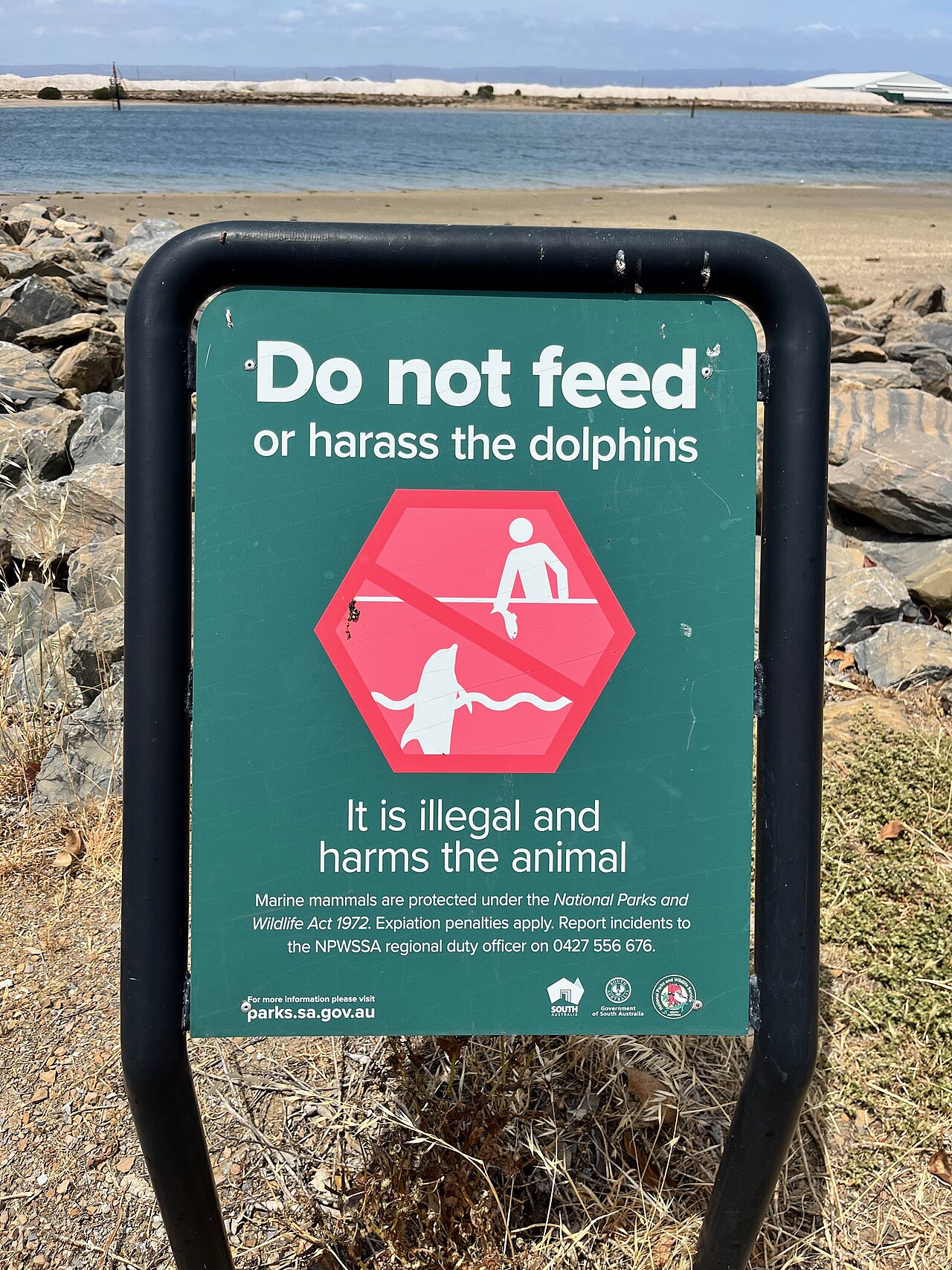
Wild dolphin interaction carries inherent unpredictability and ethical obligations. Approaching, feeding, or attempting to touch dolphins is prohibited and harmful. Watercraft must maintain respectful distances to avoid disturbance or injury. Tidal conditions create navigational hazards for inexperienced water users. Industrial shipping traffic shares some waterways requiring vigilance. Weather exposure demands appropriate sun protection and hydration. Mosquitoes populate mangrove margins. NPWS lists an accessible toilet, parking and public-transport access among the sanctuary's facilities. Accessibility varies by location across this large marine sanctuary; Barker Inlet is accessible only by boat or kayak and has no visitor facilities.
Checked 2026-08-31 · Source
Dolphin photography presents significant challenges due to unpredictable surfacing patterns, water glare, and distance from vantage points. Telephoto lenses assist from shore-based positions. On-water photographers require waterproof equipment protection and secure handling in small craft. Early morning and late afternoon light reduces harsh contrast but may coincide with reduced dolphin activity. Patience proves essential; rapid motor drives increase capture probability during brief surface intervals. Drone operation would require compliance with aviation regulations and wildlife disturbance protocols. Assistance dogs are welcome when restrained on a lead and kept under effective control.
Checked 2026-08-31 · Source
NPWS recommends Garden Island, where visitors can watch from the boardwalk beside the boat ramp and picnic area.
No. The dolphins are wild; NPWS says spending a couple of hours around the river gives visitors a good chance of seeing one or more groups.
Keep at least 50 metres from a dolphin and at least 150 metres from a calf or an injured dolphin.
No. NPWS does not recommend swimming in any section of Adelaide Dolphin Sanctuary.
Yes. Dogs must be on a lead or otherwise under effective control; visitors must remove their dogs' waste because national parks have no bins.
The sanctuary supports stingrays, long-nosed fur seals, endangered Australian sea lions and numerous seabirds and shorebirds, as well as bottlenose dolphins.
Loading the interactive map…
The interactive map could not be loaded.

Last updated:
Source: OpenStreetMap contributors ·