
.jpg)

_(28803641883).jpg)
.jpg)

3 min walk
Old Petrie Town
- Must see
- Historic monument
Language · 11 published
Museum · Brisbane
Reviewed by Elena Voss · Roavina Travel Editor
This place is a Museum.
Pine Rivers Heritage Museum preserves the local story of the Pine Rivers region in Brisbane's northern suburbs. It sits within the Old Petrie Town heritage precinct and focuses on the transformation of an area shaped by Indigenous history, European settlement, rural industry and later suburban growth. The museum is a community-scale destination, offering a more intimate encounter with regional memory than a large metropolitan museum. Pine Rivers Heritage Museum is a local history museum preserving the heritage of the Pine Rivers region in Brisbane's northern suburbs. It documents the area's development from indigenous occupation through European settlement to modern suburban growth. The museum occupies a purpose-built facility within the Old Petrie Town heritage precinct, serving as a cultural repository for community memory and regional identity. Its collections reflect rural industry, domestic life, and social history of this formerly agricultural district now absorbed into Greater Brisbane's metropolitan expansion. The museum offers family-appropriate content with tangible historical objects that may engage children, though interpretive depth targets adult comprehension. Outdoor heritage precinct space allows movement breaks. No specific children's programming is documented.
Checked 2026-08-26 · Source
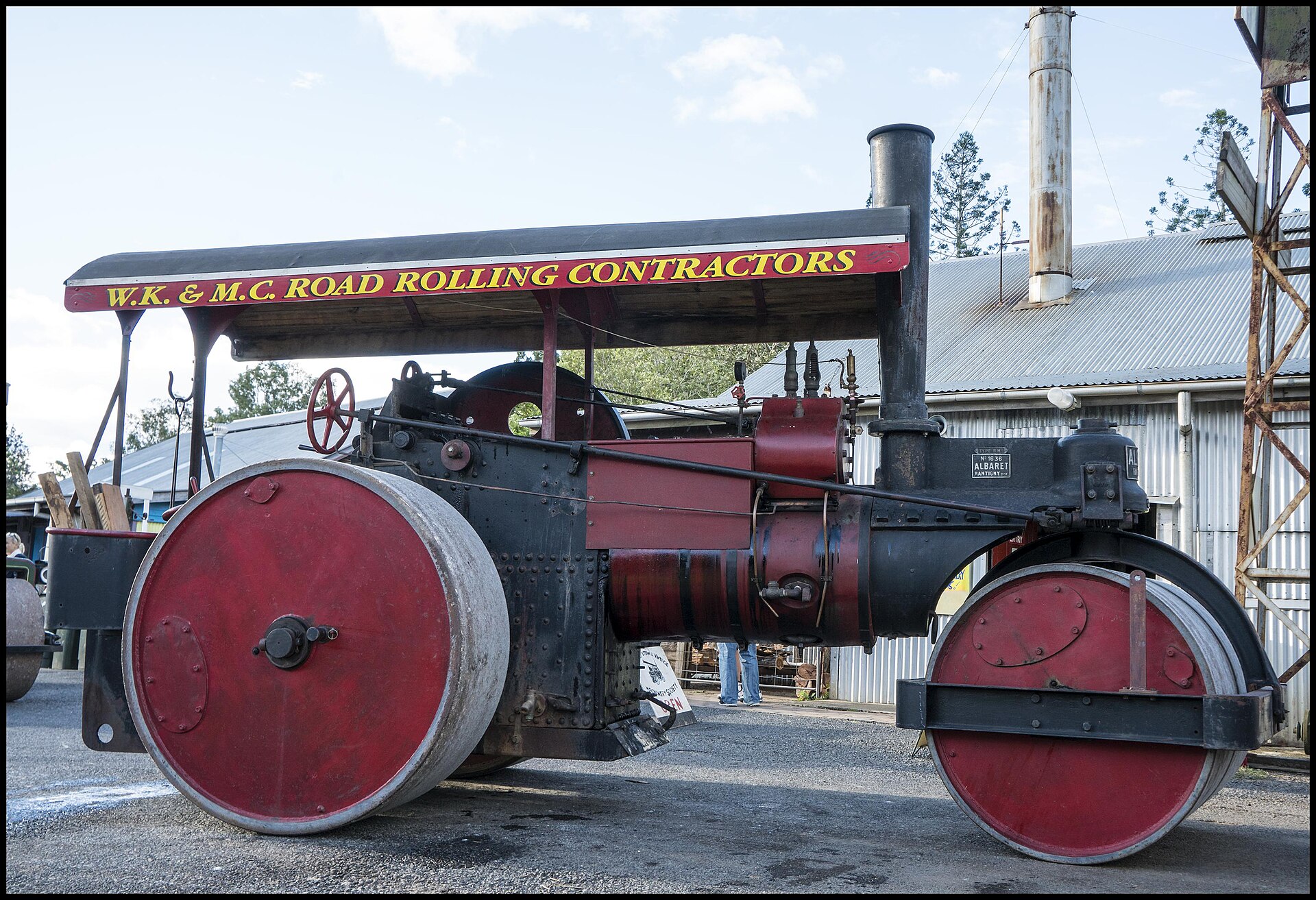
Displays centre on the material culture of the Pine Rivers area. Farming equipment, household objects and photographs help explain timber-getting, dairying and fruit-growing, industries that shaped early communities. The surrounding Old Petrie Town precinct extends the experience beyond the museum room, with heritage buildings that give context to the objects on display. Visitors interested in local families, work and everyday life will find the strongest connection here. The museum houses collections of regional artefacts including farming equipment, household items, and photographs illustrating Pine Rivers' transformation. Exhibits typically address timber-getting, dairying, and fruit-growing industries that sustained early settler communities. The Old Petrie Town setting provides additional heritage buildings for visitor exploration. Visitors should anticipate a community-focused presentation emphasising local narrative over metropolitan-scale interpretation, with material culture rather than interactive technology as the primary engagement mode.
Checked 2026-08-26 · Source
Set aside about sixty to ninety minutes for the museum itself. That is enough time for a steady circuit through the collections and for reading the main interpretation. Add more time if you want to explore the Old Petrie Town heritage buildings as well. The combined precinct suits a half-day outing, while families may prefer shorter museum viewing followed by movement and discovery outdoors. A thorough visit requires approximately sixty to ninety minutes, depending on individual interest in detailed reading of interpretive panels and examination of artefact collections.
Checked 2026-08-26 · Source
Morning is comfortable for exploring the outdoor heritage precinct before the Queensland heat becomes stronger. Weekends and school holidays can make the area more lively, particularly for families, while a quieter weekday visit suits travellers who want to read labels and examine objects slowly. The museum works best when planned with time for Old Petrie Town rather than treated as a quick standalone stop.
Checked 2026-08-26 · Source
The museum forms part of a heritage-focused visit to Old Petrie Town. Entry arrangements can differ between the museum, special activities and other precinct experiences, so plan the museum as one element of the outing. Visitors should allow time to enjoy the collections and surrounding buildings rather than judging the stop only by its entry arrangement. The community focus makes it especially suitable for travellers seeking local history.
Checked 2026-08-26 · Source
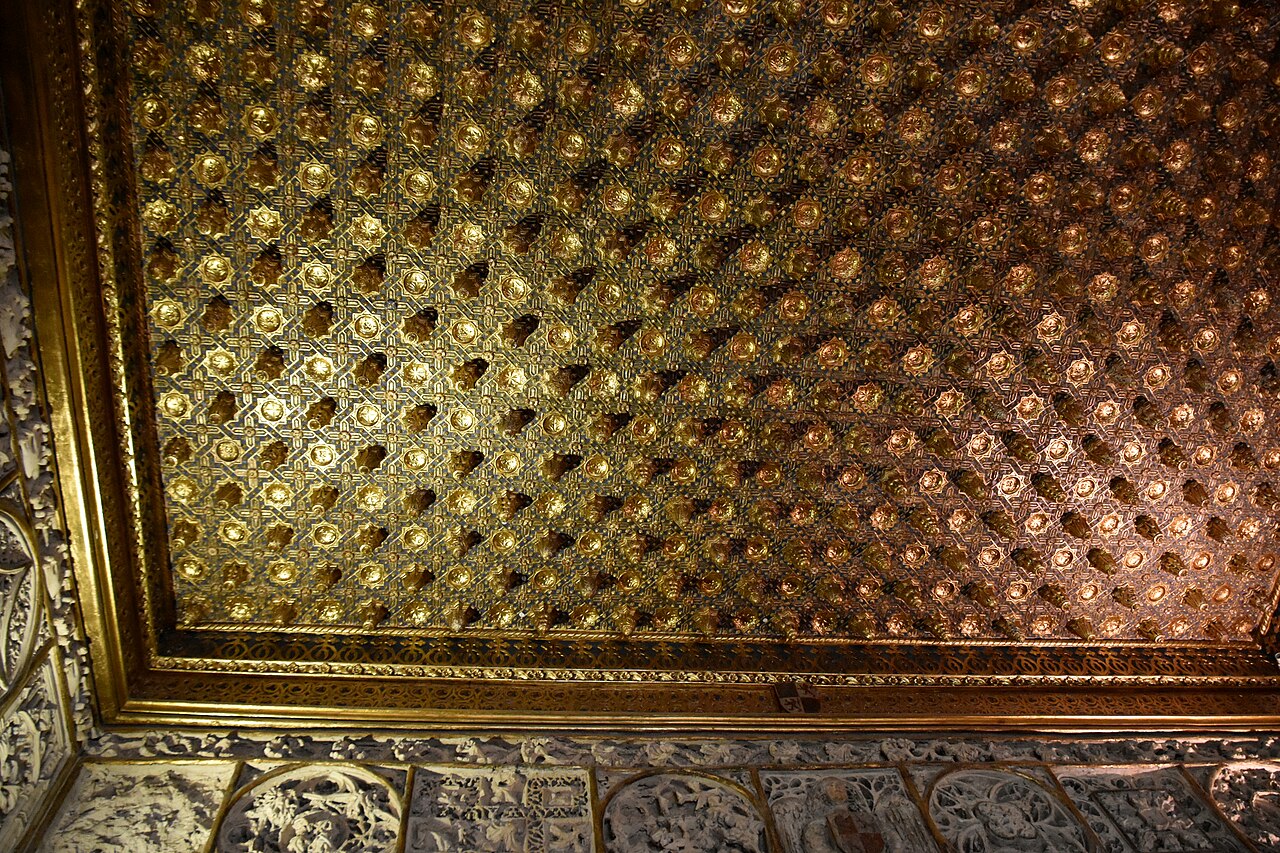
Pine Rivers Heritage Museum is in the northern Brisbane suburbs, within Old Petrie Town. Private vehicles provide the simplest approach for many visitors, with parking associated with the precinct. Public transport requires a bus journey and walking, so include connection time when planning a return trip. The destination is best treated as a precinct visit: once there, explore the museum and nearby heritage buildings together.
Checked 2026-08-26 · Source
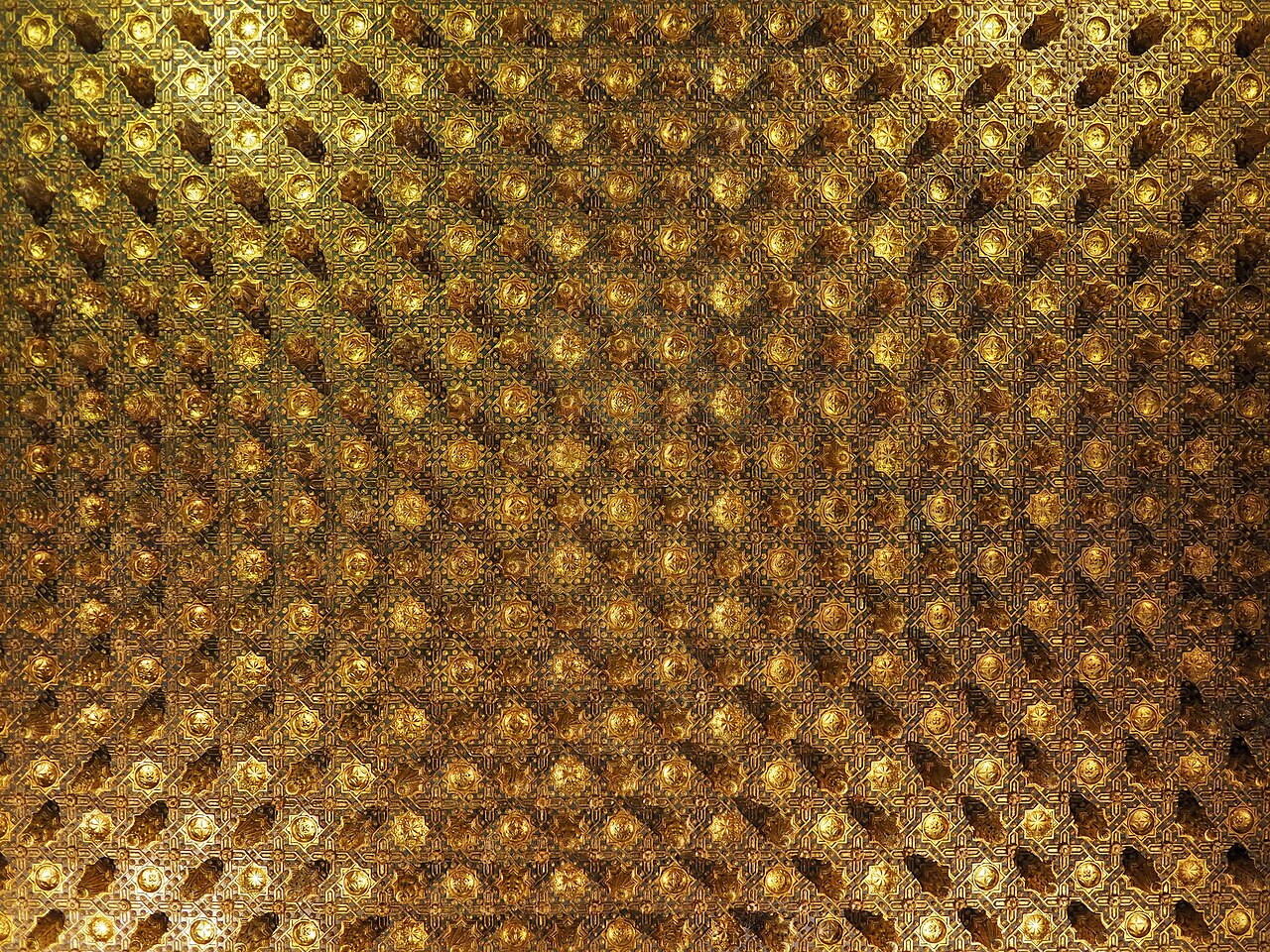
Old heritage environments can include uneven ground, thresholds and narrower doorways, which may affect visitors using mobility equipment. Outdoor areas bring Queensland sun and insects, so lightweight clothing, water and sun protection are useful. Keep children supervised around historic objects and buildings, and avoid touching collection items. Allow extra time for bus connections if travelling without a car, especially when the museum is one part of a wider day.
Checked 2026-08-26 · Source
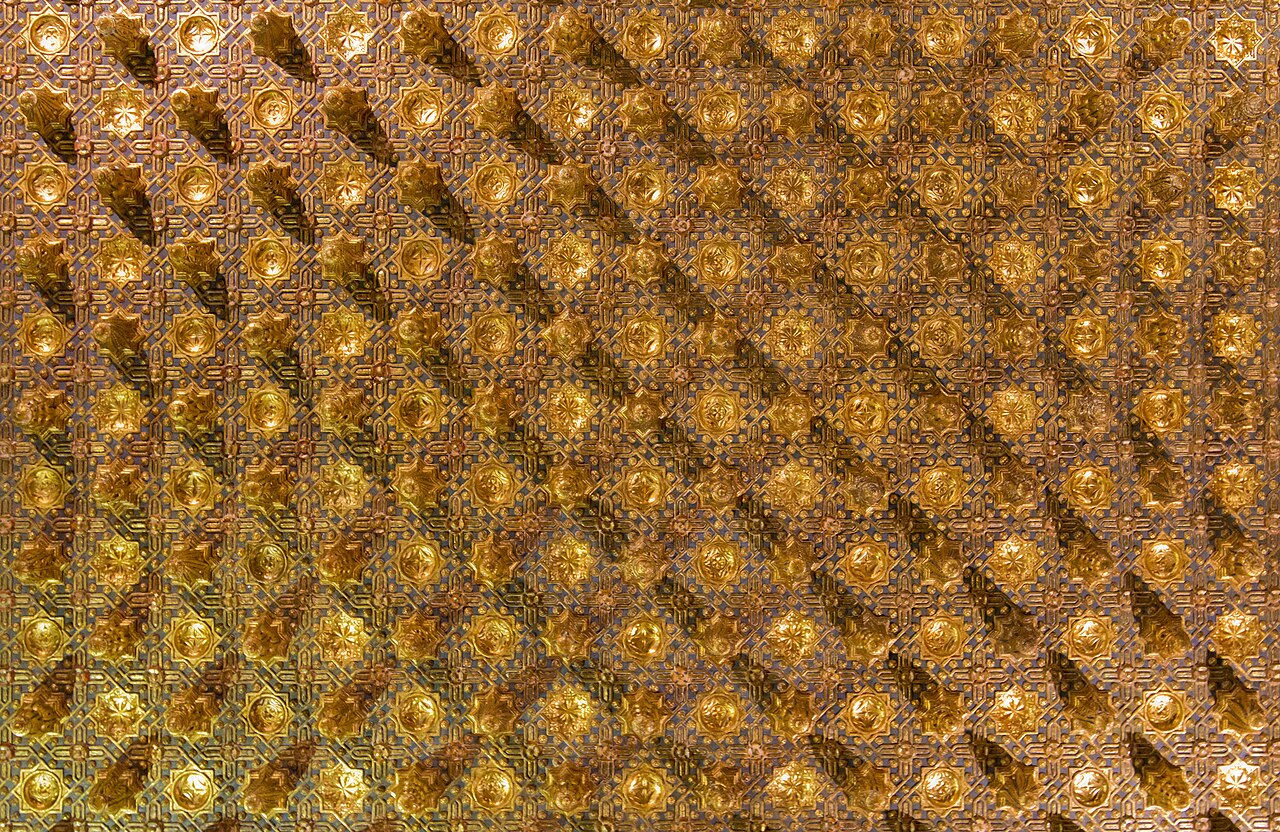
Photographs can help preserve details of the museum's objects and the Old Petrie Town setting, but follow the instructions displayed around the collections. Keep flash off around delicate historical material and avoid placing equipment where it obstructs narrow routes. Personal photography should remain considerate of other visitors and staff. The heritage buildings outside provide additional subjects, especially when you want images that connect everyday objects with the landscape and architecture of the precinct.
Checked 2026-08-26 · Source
Yes. Farming equipment, household objects and photographs provide tangible local-history material, while the Old Petrie Town precinct offers space to explore beyond the museum displays.
The museum covers Indigenous history, European settlement, rural industries such as timber-getting and dairying, and the region's later suburban growth.
Allow about sixty to ninety minutes for the museum, then add time if you want to explore the Old Petrie Town heritage precinct.
It is in Old Petrie Town in Brisbane's northern suburbs, where the museum can be visited alongside surrounding heritage buildings.
Yes, but public transport involves a bus journey and walking. Include connection time and plan the return journey as part of the day.
Combine the museum with Old Petrie Town's heritage buildings for a fuller half-day outing focused on local architecture, work and community history.
Loading the interactive map…
The interactive map could not be loaded.
Last updated:
Source: OpenStreetMap contributors ·