
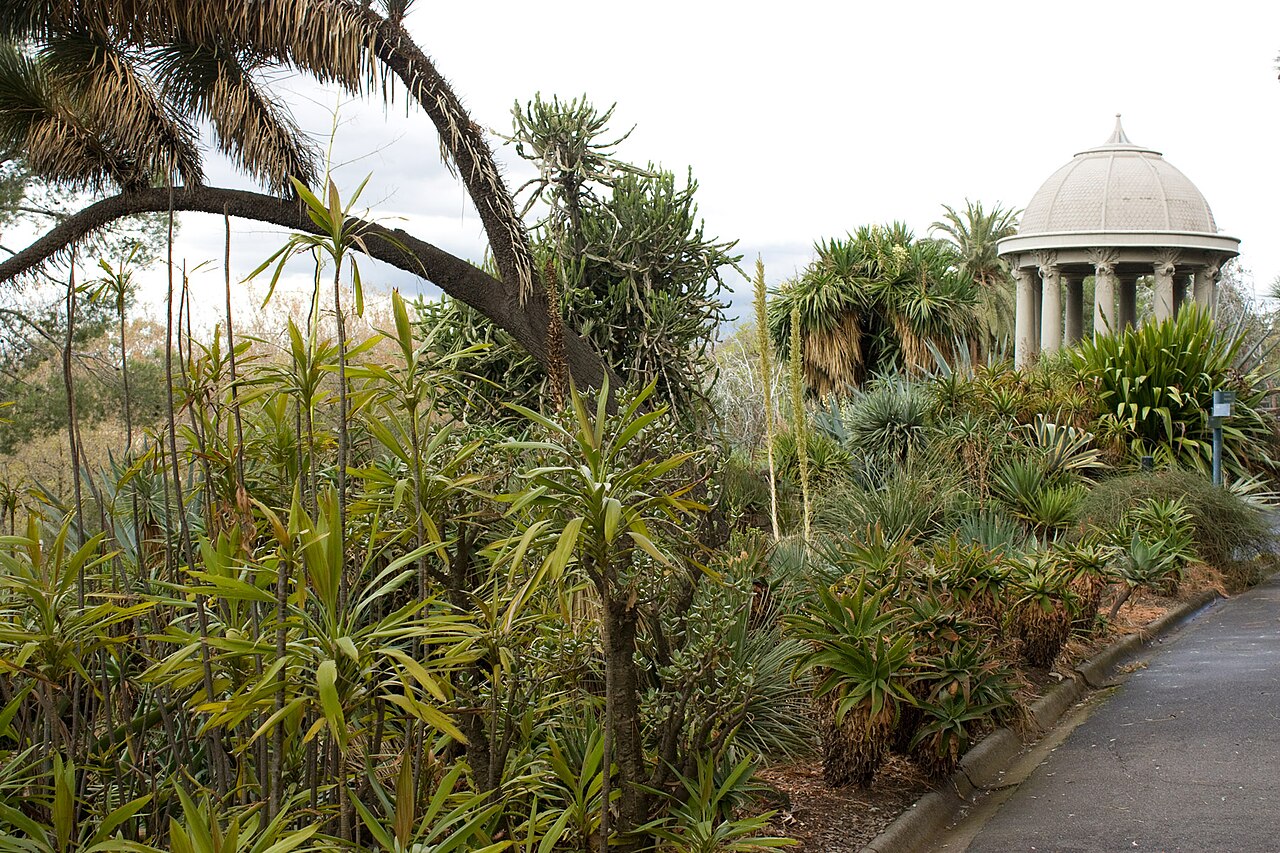
7 min walk
Royal Botanic Gardens Victoria
- Must see
- Nature site
Historic monument · Melbourne
| Monday | 10:00 – 17:00 |
|---|---|
| Tuesday | 10:00 – 17:00 |
| Wednesday | 10:00 – 17:00 |
| Thursday | 10:00 – 17:00 |
| Friday | 10:00 – 17:00 |
| Saturday | 10:00 – 17:00 |
| Sunday | 10:00 – 17:00 |
Checked 2026-08-31 · Source
| Per person | A$0.00 |
|---|
Checked 2026-08-31 · Source
Read from the OpenStreetMap access tags; anything not listed has no tag recorded.
Set the group type to family in the planner and the day window contracts to about three quarters of a solo day.
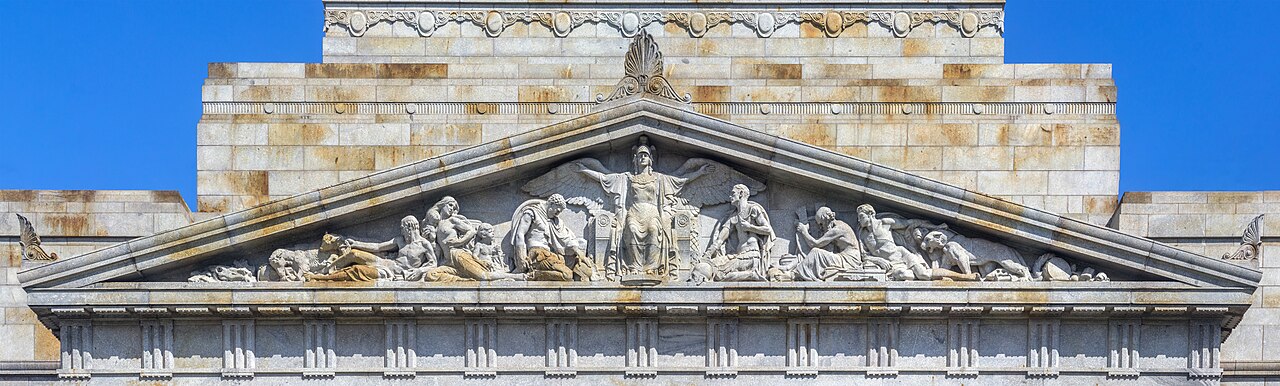
The Shrine of Remembrance is Melbourne’s principal war memorial, set on St Kilda Road with a deliberate architectural presence above the surrounding parkland. Its identity is ceremonial rather than commercial: visitors come to understand remembrance through the building, memorial spaces and the relationship between the Shrine precinct and the city beyond. The visit therefore feels different from a conventional museum stop, even though the site also includes museum displays. Pause to take in the memorial’s scale and purpose before moving through the interior. The elevated outlook adds a distinctly Melbourne dimension, linking the solemn monument to the civic landscape around it. Its meaning comes from public memory, ceremony, and architecture.
Checked 2026-09-02 · Source
Build the visit around the Shrine’s memorial architecture, commemorative spaces and museum. Look for the details that explain how the building is used as a place of remembrance, not simply as a landmark to photograph from outside. The interior gives the visit its historical and reflective weight, while the city outlook provides orientation within Melbourne. A measured route is more rewarding than trying to treat every room as a separate attraction. If your itinerary is tight, prioritise the central memorial experience and the museum areas that best explain the Shrine’s role. Read the displays slowly enough to connect objects with remembrance.
Checked 2026-09-02 · Source
Allow about 90 to 120 minutes for a focused visit, including the approach through the precinct, time inside the memorial and museum, and a pause for the outlook. That is practical editorial guidance rather than an operator-stated duration, so extend it if you read displays closely or attend a commemorative activity. A shorter stop can still work when you choose one clear purpose, such as understanding the architecture or spending time in the museum. Leave a margin before your next appointment because the precinct is larger and more formal than a quick street-side landmark. Families and photographers may need longer pauses between interior spaces.
Checked 2026-09-02 · Source
The operator records regular visitor hours as daily, 10:00–17:00. Commemorative services and Anzac Day use special access arrangements, so the ordinary timetable does not describe every possible visit. Events, maintenance, weather and security can also affect access to the precinct or particular areas. For a quieter, more contemplative experience, choose a normal day and arrive early enough to orient yourself before entering. On significant commemorative dates, expect a more ceremonial atmosphere and allow additional time for managed movement, screening or changed routes. Late afternoon may leave less comfortable time for a full route.
Checked 2026-09-02 · Source
Admission to the Shrine and its museum is free, with donations welcomed. The recorded base admission is therefore zero Australian dollars per person. Do not treat that as a promise that every future activity on the site will also be free: special tours, exhibitions and activities may use separate tickets or arrangements. If you are visiting for a commemorative service or a scheduled programme, follow the operator’s instructions for that event. For an ordinary museum and memorial visit, no admission payment is required, but a donation can support the institution. Donations remain optional and do not change the free admission record.
Checked 2026-09-02 · Source
Anzac station and St Kilda Road trams are the named public-transport references for the Shrine precinct. Use those names when planning the final approach, then follow signs and staff directions to the appropriate entrance. The grounds and building are substantial, so the stop is not necessarily complete when you leave the station or tram. Allow time for the final walk, orientation and any security screening. Separate entrances and exits may matter on busy or controlled days; keep the route flexible and check with staff if your intended access point is unclear. The named transport options are especially useful for car-free itineraries.
Checked 2026-09-02 · Source
The operator identifies step-free entrances or public approaches, lifts where required, accessible toilets and pushchair access for principal visitor areas. This supports a practical visit, but it does not mean that every route, surface or temporary setup is identical. Historic architecture, open precinct paths, crowds and security procedures can affect ease of movement. If you need a particular entrance or lift, ask staff on arrival and allow extra time. Services, events, maintenance, weather and managed access may change the route even when the building is ordinarily open. Respectful conduct matters because this remains an active memorial, not just an exhibit.
Checked 2026-09-02 · Source
Start with an establishing photograph that shows the Shrine’s monumental form in its Melbourne setting, then use closer views to record architectural detail and the relationship between the memorial, precinct and city outlook. Photograph only from public visitor areas and keep entrances, circulation paths and ceremonial spaces clear. Be considerate during services and reflective moments: a technically good image is not worth interrupting the atmosphere. The operator’s visit information does not establish blanket permission for flash, tripods, selfie sticks, commercial shoots or controlled areas, so follow on-site instructions and staff guidance.
Checked 2026-09-02 · Source
The Shrine is open daily from 10:00 to 17:00. Commemorative services and Anzac Day use special access arrangements, and events, maintenance, weather or security can affect ordinary access.
Admission to the Shrine and museum is free: the recorded base charge is AUD 0 per person. Donations are welcomed, while special tours, exhibitions and activities may have separate tickets.
Principal visitor areas have step-free entrances or public approaches, lifts where required, accessible toilets and pushchair access. Historic surfaces, temporary arrangements and controlled routes can still affect individual journeys.
The operator names Anzac station and St Kilda Road trams beside the Shrine precinct. Allow time for the final walk, orientation, security screening and any changed entrance or exit route.
Yes. Commemorative services, Anzac Day, events, maintenance, weather and security can change ordinary access. Follow the operator’s directions and ask staff about the route on arrival.
No. Free base admission covers the Shrine and museum, but special tours, exhibitions and activities may use separate tickets or arrangements. Check the specific programme with the operator.
Loading the interactive map…
The interactive map could not be loaded.
Last updated:
Source: OpenStreetMap contributors, Wikidata ·