.jpg)
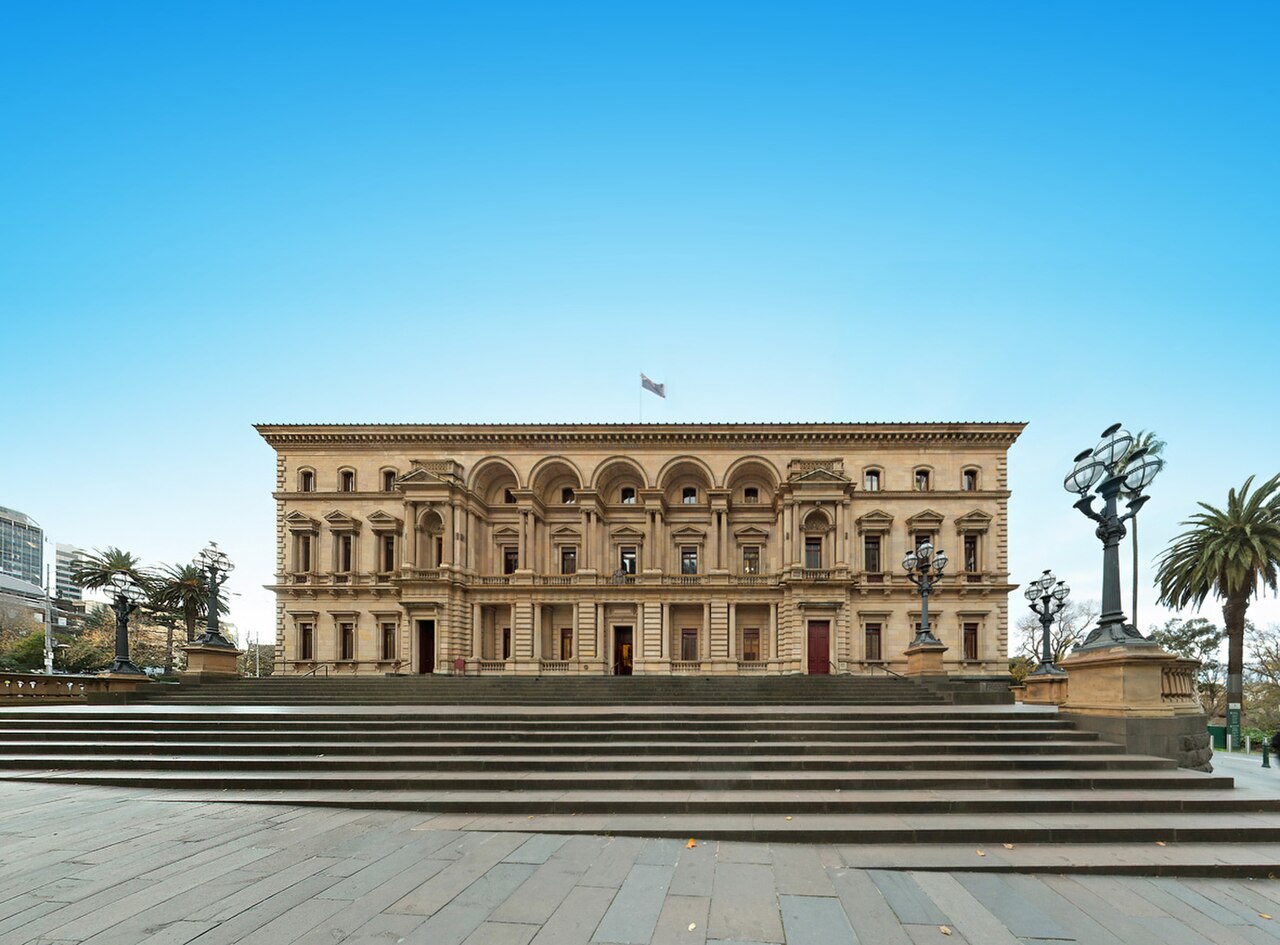
5 min walk
Old Treasury Building
- Must see · Heritage site
- Historic monument
Language · 11 published
Place of worship · Melbourne
Saint Patrick's Cathedral
Reviewed by Elena Voss · Roavina Travel Editor
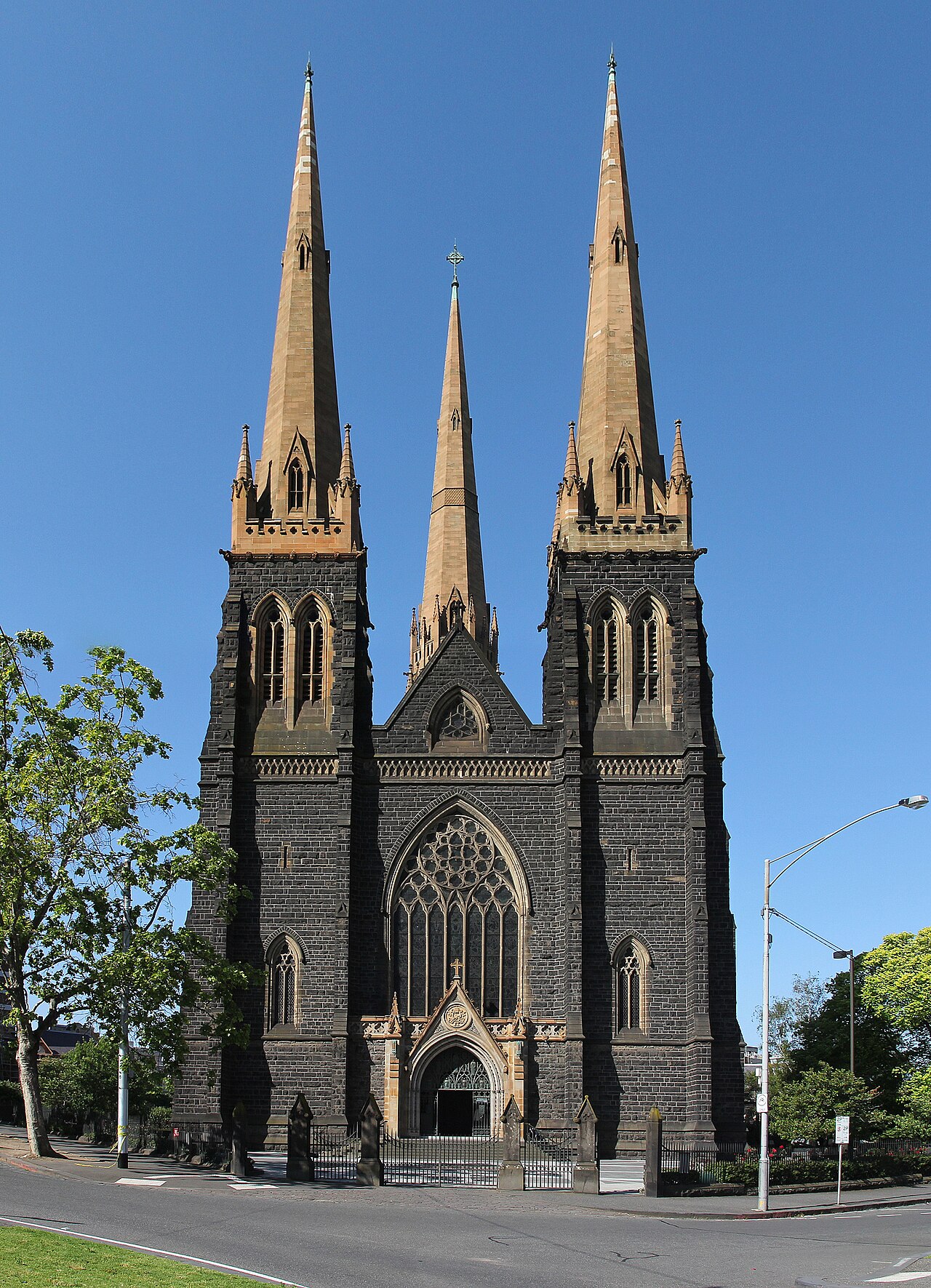
This place is a Place of worship. It was established in 1851. It was built in the Gothic Revival style. It was designed by William Wardell. It is built of bluestone. It carries the listed on the Victorian Heritage Register heritage designation.
St Patrick's Cathedral is a major Roman Catholic landmark in Melbourne and the seat of the Roman Catholic Archdiocese of Melbourne. Its Gothic Revival design gives the building a strong architectural presence within the city centre. For travellers, the cathedral combines an important religious role with a heritage experience. It is an active place of worship, so a visit should balance architectural interest with consideration for people attending prayer or services. St Patrick's Cathedral is a significant religious landmark in Melbourne, recognised as a meaningful visitor destination within the documented city scope. The cathedral stands as a prominent example of Gothic Revival architecture in Australia. The building serves as the seat of the Roman Catholic Archdiocese of Melbourne. Visitors seeking attractions and sights in Melbourne may encounter this destination through official tourism channels. The structure contributes to the city's cultural and heritage landscape. General entry to functioning cathedrals is often free, though donations may be welcomed.
Checked 2026-08-26 · Source
Inside, visitors encounter the vertical proportions and traditional details associated with Gothic Revival church design. Stained glass, ecclesiastical furnishings and the cathedral's liturgical arrangement shape the experience. The interior is best appreciated slowly: look upward at the architecture, then take in the way the space directs attention towards worship. Because this remains a working cathedral, the atmosphere is more contemplative than that of a conventional museum. The interior of St Patrick's Cathedral features elements typical of Gothic Revival church design. Visitors can expect to find traditional ecclesiastical furnishings, stained glass windows, and architectural details consistent with this style. The cathedral's spatial arrangement follows conventional liturgical planning. Visitors should observe respectfully, noting this remains an active place of worship. The atmosphere reflects its dual function as both religious centre and heritage site.
Checked 2026-08-26 · Source
Allow around thirty minutes to one hour for a straightforward visit focused on the building, stained glass and interior atmosphere. Add more time if you attend a service, spend time in contemplation or study the architecture closely. The cathedral works well as a calm stop during a Melbourne city walk, but the visit should remain self-paced and unobtrusive when worship is taking place. The duration of a visit to St Patrick's Cathedral depends on individual interest and purpose. Casual visitors typically spend between thirty minutes and one hour observing the architecture and interior. Those attending services or seeking contemplative time may remain longer.
Checked 2026-08-26 · Source
St Patrick's Cathedral can provide an indoor cultural stop during Melbourne's changeable weather. Since it functions as an active religious centre, services and religious observances shape the visitor experience throughout the week. A quiet period is preferable for architectural viewing, while worship times call for especially discreet movement and conversation. The cathedral's role as the archdiocese's seat makes religious activity central to its identity, not an occasional event.
Checked 2026-08-26 · Source
The guide information supplied for this place establishes its religious and heritage significance but gives no confirmed admission charge. Plan the cathedral as a cultural and spiritual stop rather than as a ticketed attraction in a museum itinerary. Donations are associated with many places of worship, yet no specific contribution arrangement is stated here. The most important preparation is to allow space for services and worshippers.
Checked 2026-08-26 · Source
The cathedral stands in central Melbourne, where the city's tram and train networks make the surrounding area accessible. It is also a practical walking destination from the central business district. Combine it with other central-city sights rather than treating it as a remote excursion. Exact route choices depend on your starting point, while the central setting makes public transport and walking the most natural approaches.
Checked 2026-08-26 · Source
Remember that St Patrick's Cathedral is an active place of worship. Keep voices low, dress and behave respectfully, and give precedence to services and private prayer. Photography may need to pause during worship or in areas where signs request restraint. Children should stay close in the quiet interior. The building's heritage character also calls for care around furnishings and architectural details.
Checked 2026-08-26 · Source
The cathedral's Gothic Revival architecture and stained glass provide strong subjects for quiet, considered photography. Treat worshippers and services as the priority: put the camera away when religious activity requires privacy or concentration. Follow any signs inside the building, avoid disruptive movement and keep equipment compact in busy areas. The interior atmosphere is part of the subject, so respectful observation matters as much as the resulting image.
Checked 2026-08-26 · Source
It is an active Roman Catholic cathedral and the seat of the Roman Catholic Archdiocese of Melbourne.
The cathedral is a prominent example of Gothic Revival architecture in Australia.
The interior includes stained glass, traditional ecclesiastical furnishings and the liturgical arrangement of a working cathedral.
Allow around thirty minutes to one hour for architectural viewing, with longer time for worship or contemplation.
Yes. Melbourne's tram and train networks serve the central area, and the cathedral is also walkable from the central business district.
It is a working place of worship, so visitors should keep quiet, respect services and treat worshippers and furnishings with care.
Loading the interactive map…
The interactive map could not be loaded.
Last updated:
Source: OpenStreetMap contributors, Wikidata ·