
3 min walk
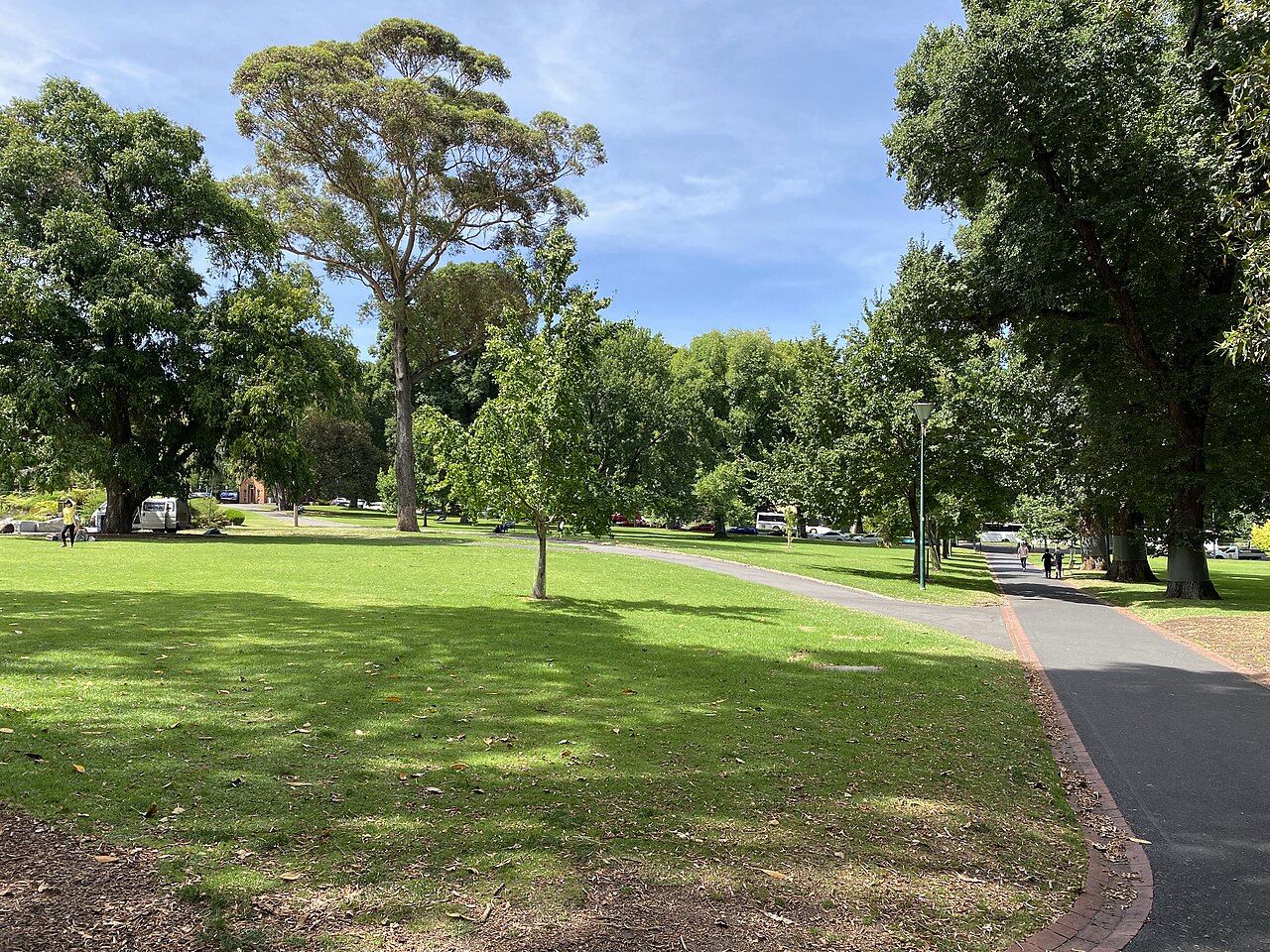
Treasury Gardens
- Must see · Heritage site
- Nature site
Language · 11 published
Historic monument · Melbourne
Reviewed by Elena Voss · Roavina Travel Editor
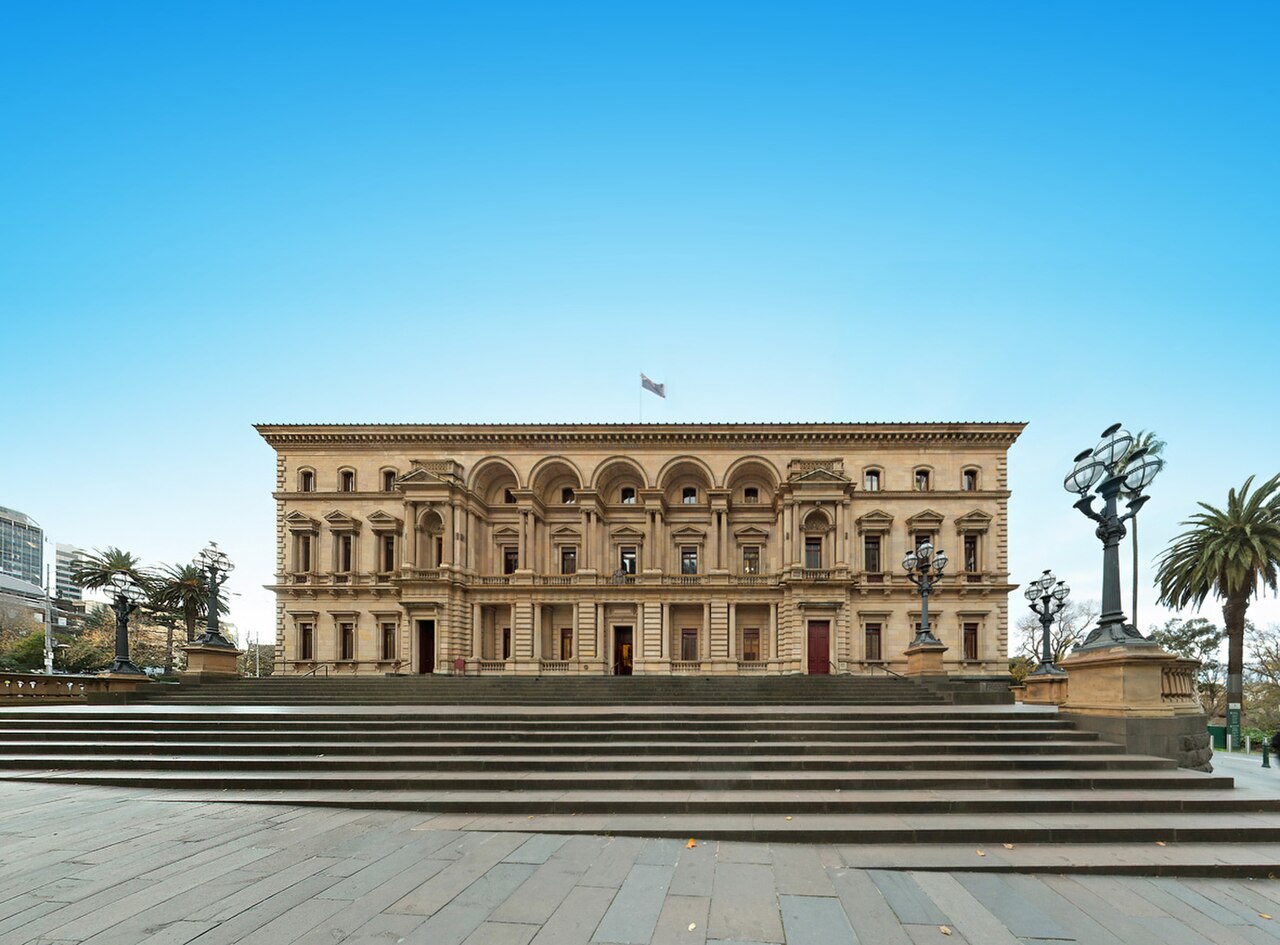
It opened in 1862. It was built in the Renaissance Revival architecture style. It was designed by John James Clark. It carries the listed on the Australian National Heritage List heritage designation.
Old Treasury Building is a grand nineteenth-century public building in Melbourne, Victoria. Built during the Victorian gold rush era, it reflects the wealth and administrative ambition that shaped the young city. The building served as the state treasury and held gold bullion from the Victorian goldfields. Today, it functions as a museum and cultural venue near Parliament House, making it a strong stop for travellers interested in architecture, government and Melbourne’s colonial history. The Old Treasury Building is a significant heritage structure in Melbourne, Victoria. Constructed during the Victorian gold rush era, it stands as one of Australia's finest 19th-century public buildings. The building served as the state treasury and housed gold bullion from the Victorian goldfields. Its architectural prominence reflects Melbourne's historical wealth and colonial administrative importance. Today it functions as a museum and cultural venue, presenting exhibitions related to Victorian history and the building's own past. The structure occupies a prominent position near Parliament House in Melbourne's central city area. Visitors must verify opening arrangements through official sources before attending.
Checked 2026-08-26 · Source
Inside, visitors find exhibition spaces devoted to Victorian history and the building’s treasury role. The basement gold vaults are a central feature, linking the rooms directly to the wealth extracted from Victoria’s goldfields. Ornate interiors and period fittings add architectural detail beyond the displays. Exhibitions explore colonial administration, economic development and social history, while the upper levels retain the atmosphere of a former government workplace. The Old Treasury Building contains exhibition spaces dedicated to Victorian history and the building's treasury functions. Visitors can explore the former gold vaults located in the basement, which once secured gold from the Victorian goldfields. The building preserves historical architectural features including ornate interiors and period fittings. Exhibition content addresses themes of colonial governance, economic development, and social history. The upper levels include spaces that reflect the building's original administrative purposes. Specific current exhibitions and their content should be verified through official channels prior to visiting, as displays may change periodically.
Checked 2026-08-26 · Source
Allow roughly one to two hours for a visit. That gives enough time to move through the historical displays, study the interiors and spend time in the basement vaults. Travellers making a shorter cultural stop can focus on the principal rooms and treasury displays. Visitors with a strong interest in Melbourne’s gold-rush history or heritage architecture may want to linger longer before continuing through the central city.
Checked 2026-08-26 · Source
The museum provides an indoor cultural stop during Melbourne’s changeable weather. Summer brings warmer conditions, while winter is cooler, so comfortable clothing helps when walking to the building. Its position near Parliament House suits a daytime central-city itinerary, especially when combined with nearby civic and cultural landmarks. Weekdays and weekends offer different city atmospheres, with business-hour foot traffic often more noticeable around Spring Street.
Checked 2026-08-26 · Source
Admission arrangements can differ between general museum access and individual exhibitions. Plan the Old Treasury Building as a museum visit rather than an unstructured walk through a public office. The basement vaults and historical displays are the principal reasons to enter. A visit pairs naturally with Parliament House and the surrounding civic quarter, allowing the building’s treasury story to anchor a wider exploration of Melbourne’s nineteenth-century development.
Checked 2026-08-26 · Source
Old Treasury Building stands near Spring Street and Macarthur Street in central Melbourne, close to Parliament House. Melbourne’s tram network serves the surrounding streets, and Parliament railway station on the City Loop provides nearby train access. Walking from Federation Square or Flinders Street Station is practical for visitors exploring the city centre. On-street parking is limited and generally metered, so public transport or walking suits the location well.
Checked 2026-08-26 · Source
This is a historic building, so interior movement may include stairs, narrow passages and uneven surfaces. The basement vaults deserve particular care from visitors with mobility limitations. Central Melbourne streets can be busy during business hours and events. Keep children close in exhibition areas, follow staff directions and respect barriers around historic fabric. The building’s civic setting also means street crossings and tram traffic require ordinary city awareness.
Checked 2026-08-26 · Source
The ornate interiors, treasury rooms and vault spaces offer strong subjects for architectural photography. Photograph quietly and give other visitors room to view the displays. Flash, tripods or photography in particular exhibition areas may be restricted by venue rules, so follow signs and staff directions inside. Personal images should focus on the building and public visit experience rather than disrupting exhibitions or other guests.
Checked 2026-08-26 · Source
It is known for its gold-rush-era architecture, former state treasury role and basement vaults that held gold from Victoria’s goldfields.
Visitors can see Victorian history exhibitions, ornate period interiors, former administrative rooms and the historic basement gold vaults.
A visit generally takes one to two hours, depending on the time spent with the exhibitions, architecture and basement vaults.
It is in central Melbourne near Spring Street, Macarthur Street and Parliament House.
Trams serve the surrounding central-city streets, while Parliament railway station on the City Loop provides nearby train access.
Parliament House is close by, making it easy to combine the Old Treasury Building with Melbourne’s civic quarter.
Loading the interactive map…
The interactive map could not be loaded.
Last updated:
Source: OpenStreetMap contributors, Wikidata ·