
.jpg)
.jpg)
.jpg)
.jpg)
.jpg)
9 min walk
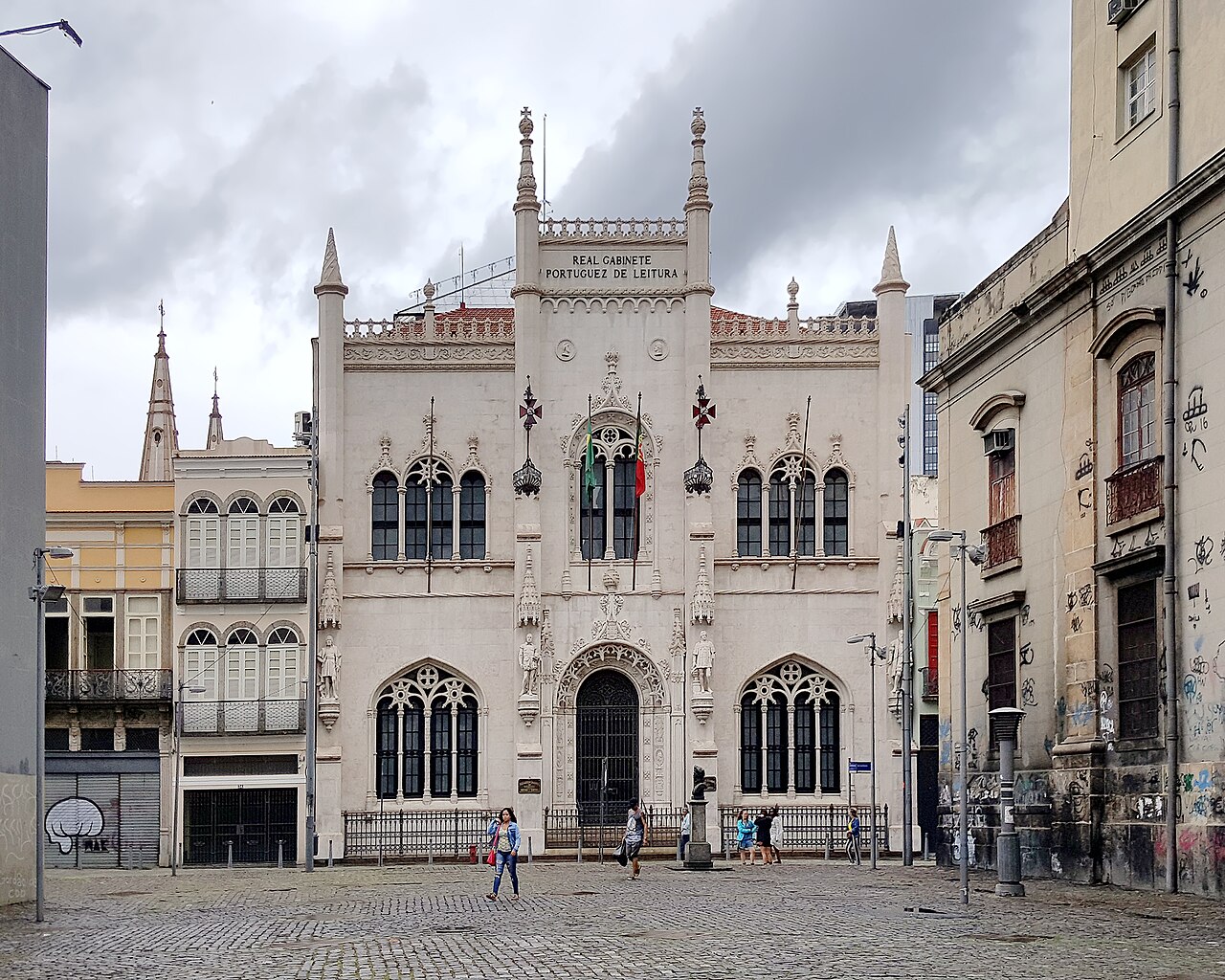
Royal Portuguese Cabinet of Reading
- Must see · Heritage site
- Museum
Language · 11 published
Nature site · Rio de Janeiro
Reviewed by Elena Voss · Roavina Travel Editor
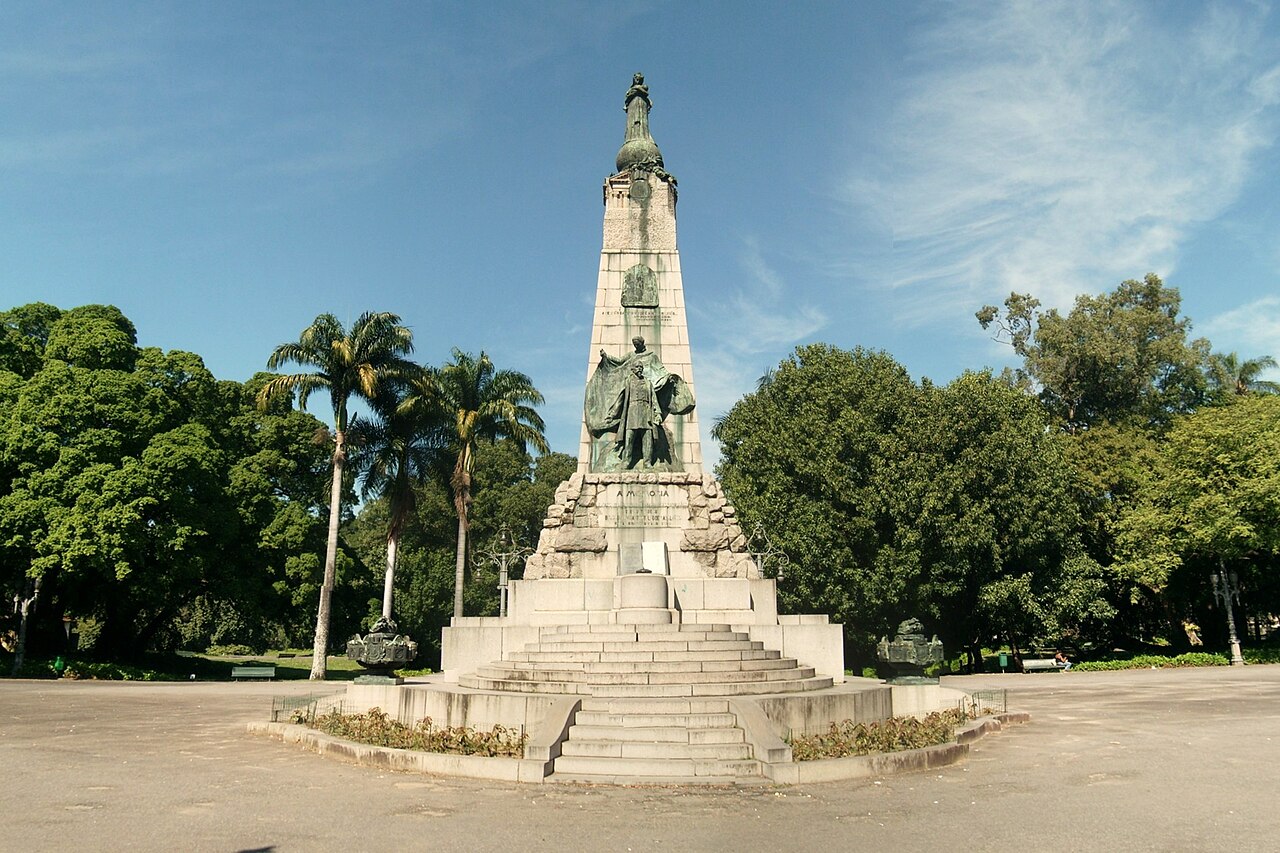
This place is a Park. It opened in 1880. It carries the INEPAC Good Class heritage designation.
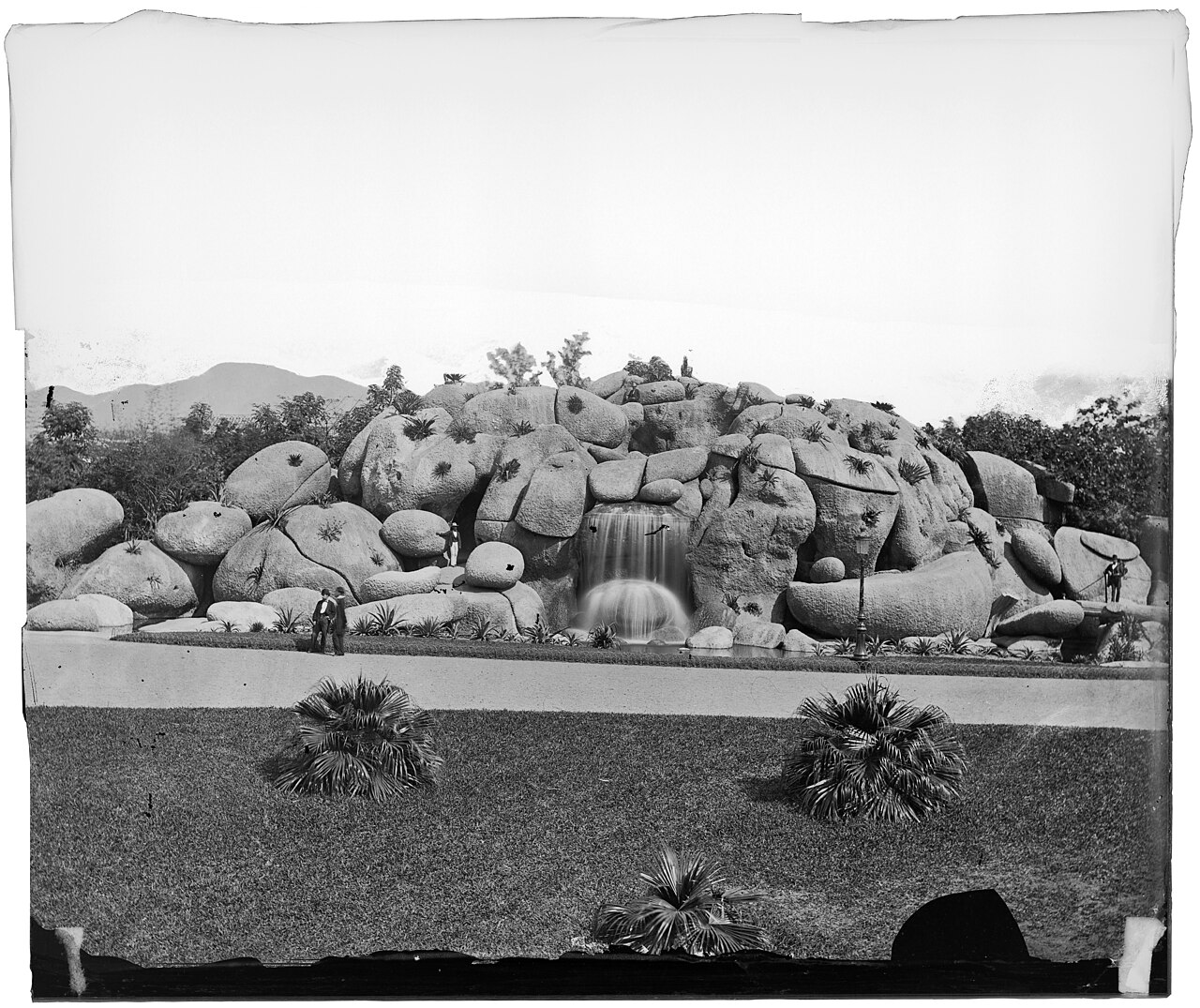
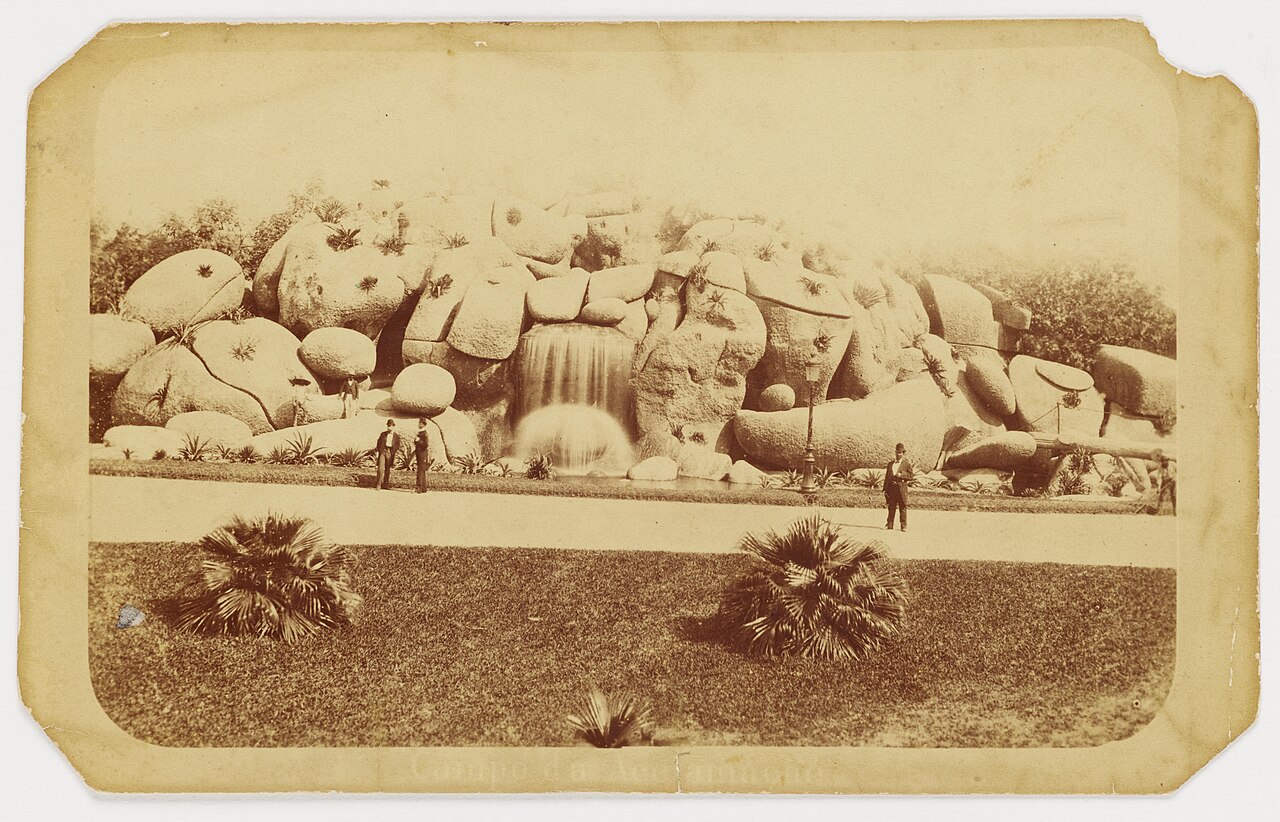
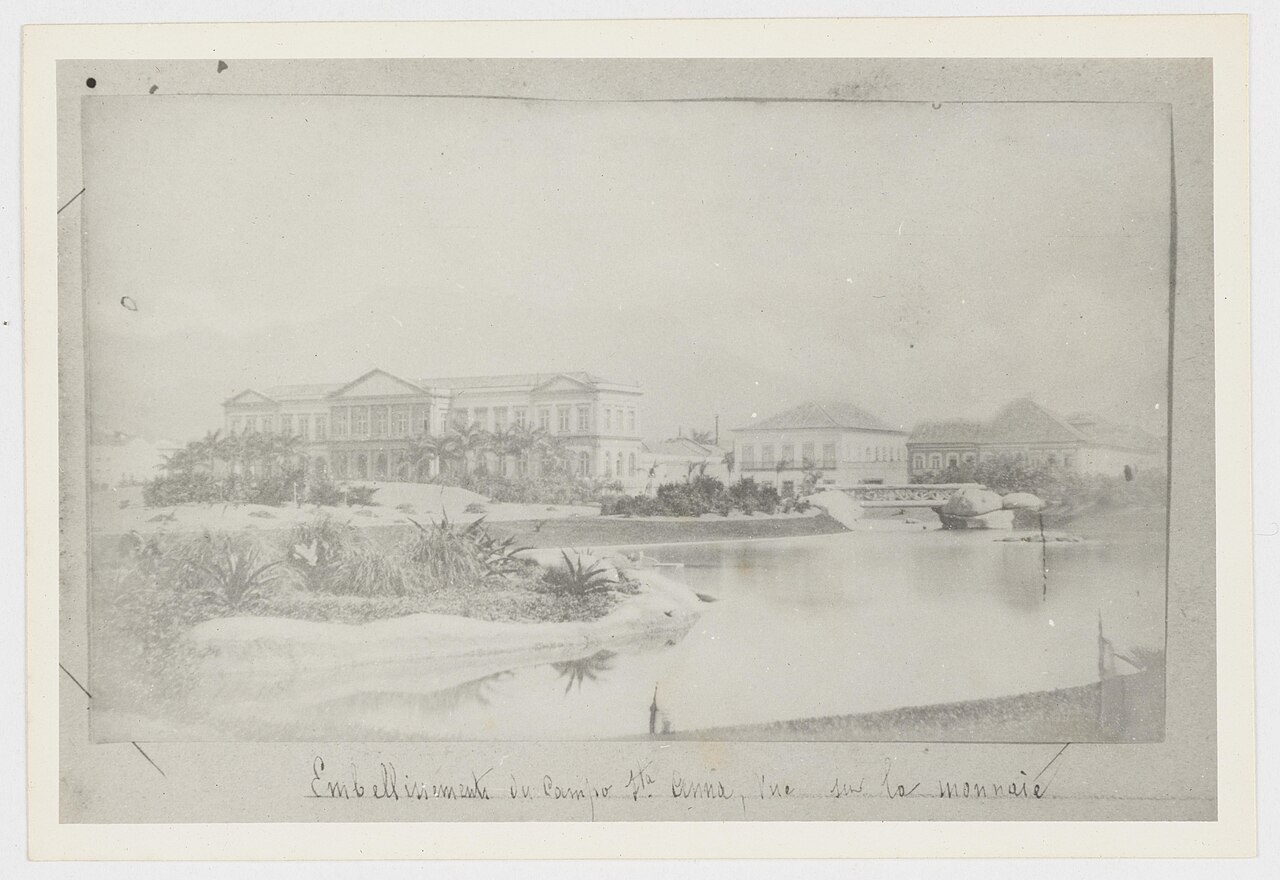
Campo de Santana is a historic public park in central Rio de Janeiro. The green space has served as a civic setting through major phases of Brazilian history and remains an important pause within the dense downtown fabric. Its formal gardens, mature trees, monuments, and urban surroundings create a nineteenth-century park atmosphere. The site works well as a short historical walk between central attractions, while its broad civic character gives it more significance than an ordinary neighborhood square. Campo de Santana is a historic central park located in downtown Rio de Janeiro, Brazil. The space has served as a significant public square throughout Brazilian history, witnessing major political and social events. Its formal name derives from religious associations, though it has undergone various designations over centuries. No. This Campo de Santana is located in Rio de Janeiro.
Checked 2026-08-26 · Source
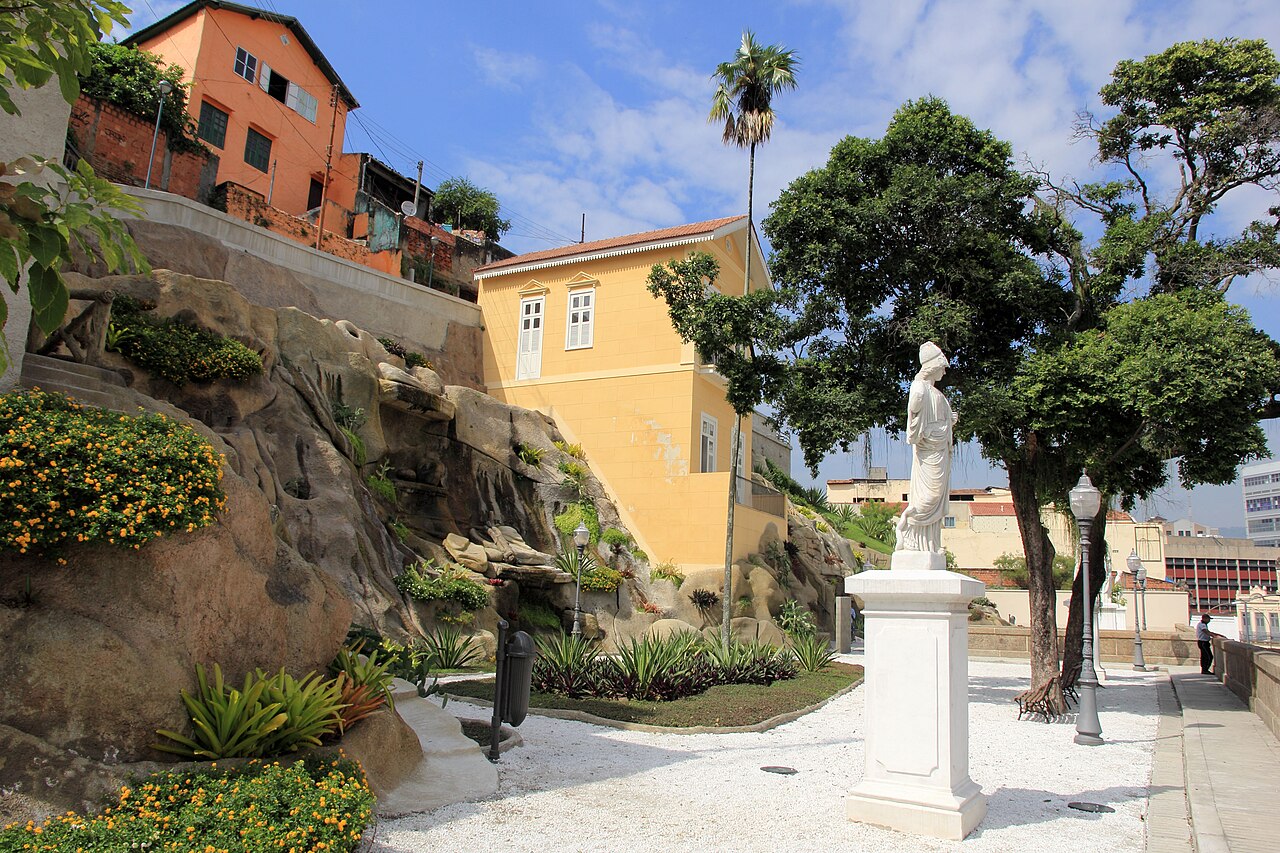
Inside the park, established trees and landscaped areas provide shade and relief from the surrounding streets. Walking paths lead through garden spaces where monuments and sculptures commemorate people and events connected with Brazil's history. Benches and open gathering areas make it possible to pause between walks. Dense downtown architecture remains visible around the grounds, so the experience combines cultivated greenery with the movement and buildings of central Rio. Give yourself time to notice the monuments rather than crossing the park only as a shortcut.
Checked 2026-08-26 · Source
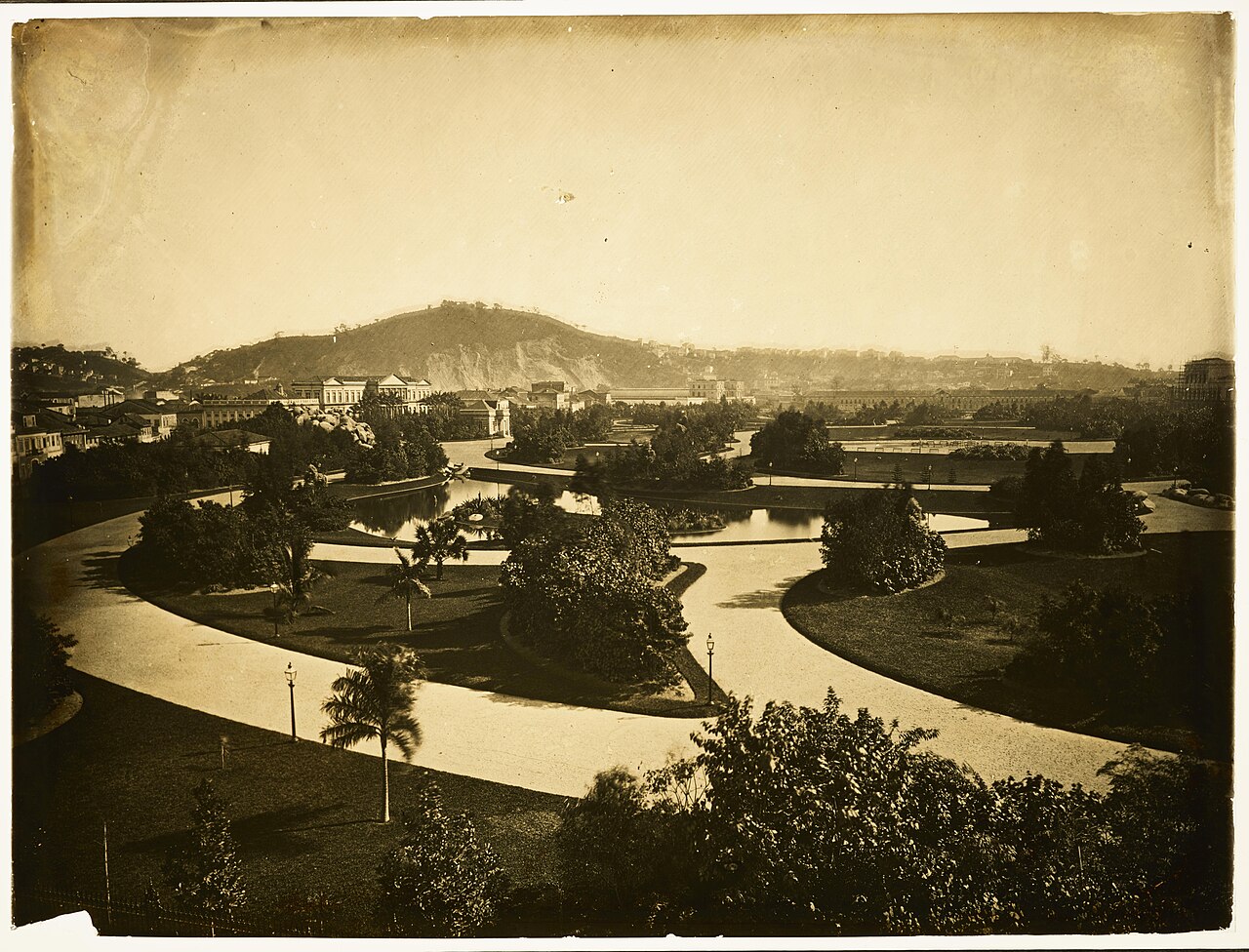
Allow around thirty to sixty minutes for a relaxed circuit of Campo de Santana. A shorter passage works if you are walking between downtown destinations, while a longer visit suits travelers who want to examine the monuments, sit beneath the trees, and photograph the gardens. The park's central position makes it easy to combine with other places in Rio's historic center. It is best treated as a flexible stop that can expand or contract around museums, civic buildings, and nearby streets.
Checked 2026-08-26 · Source
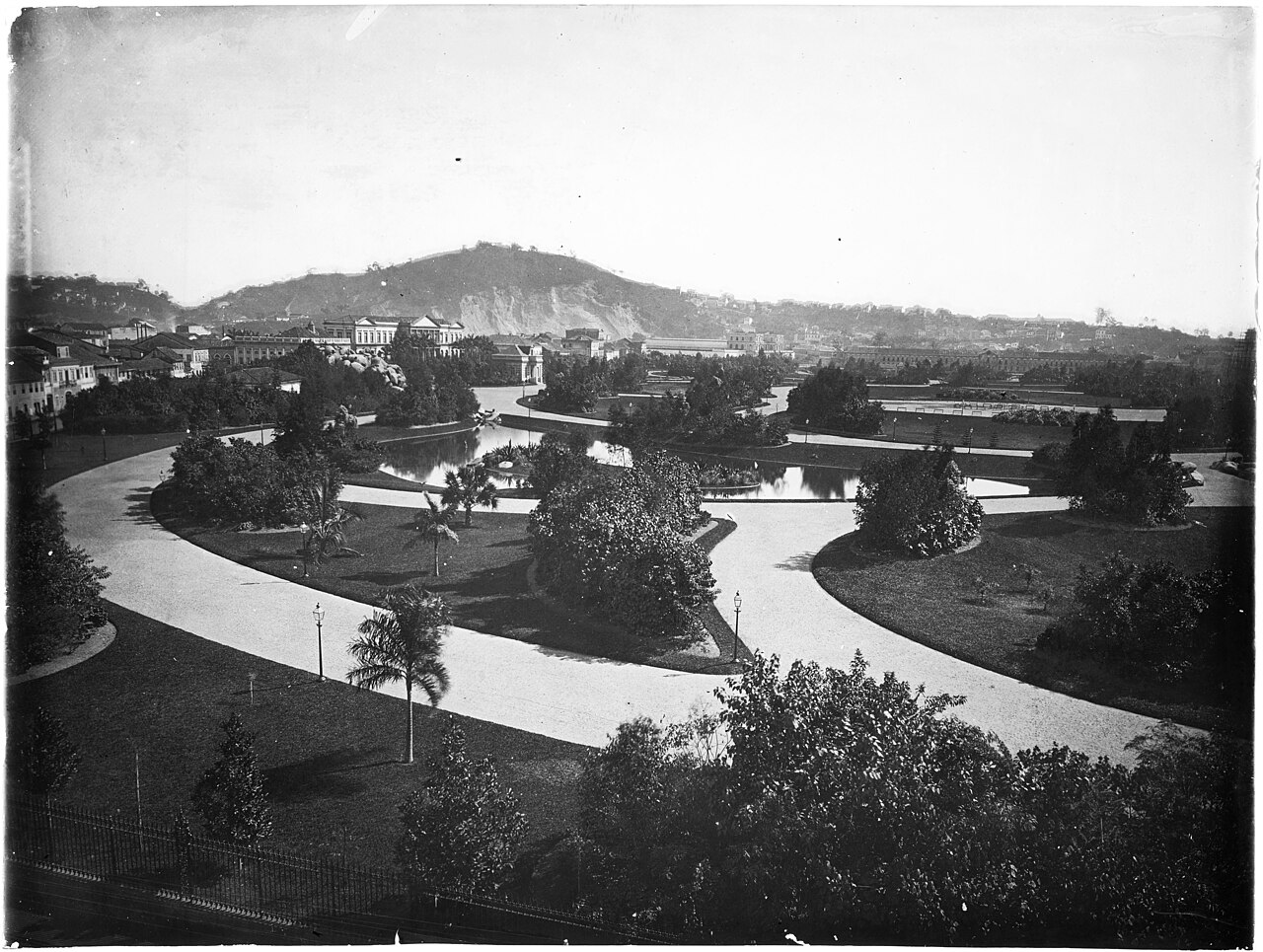
Daylight gives the clearest view of the landscaping, monuments, and surrounding architecture. Morning can feel calmer and more comfortable before the strongest heat, while late afternoon brings warmer light through the mature trees. Rio's weather can include intense sun and sudden rain, so keep your plan flexible. The park sits in a busy downtown area, and a daytime visit fits naturally with exploration of the historic center. Choose a time when you can walk attentively rather than rushing between transport connections.
Checked 2026-08-26 · Source
Campo de Santana is a public urban park, so the visit is designed as an open civic walk rather than a ticketed museum experience. You can plan to spend time among the gardens, paths, monuments, and benches without building a formal admission process into your itinerary. Special activity within the grounds may differ from an ordinary park visit, but the park's main appeal is its public green space and historic atmosphere. Its central location also makes it easy to combine with other free outdoor walks downtown.
Checked 2026-08-26 · Source
The park sits in downtown Rio within the city's integrated urban transport network. Bus routes serve the surrounding central streets, and nearby metro access makes the area practical to reach without a private car. Walking is straightforward from other historic-center destinations, although traffic and busy crossings require attention. Taxis and rideshares can use the established downtown setting as a drop-off point. Combine Campo de Santana with a broader walking route through central Rio rather than treating it as an isolated suburban excursion.
Checked 2026-08-26 · Source
Campo de Santana lies in a busy central district, so keep phones, wallets, and bags secure while walking or sitting. Pay attention at crossings around the park, and watch your footing on paths and around monument areas. Heat, bright sun, and rain can change the comfort of an outdoor visit quickly. After storms, tree-lined areas may be wet or require extra care. Stay aware of the surrounding streets and choose the route that feels most comfortable as you move between the park and downtown attractions.
Checked 2026-08-26 · Source
The park offers a mix of mature greenery, monuments, paths, benches, and downtown architecture. Morning light can filter through the tree canopy, while late afternoon adds warmer tones to sculptures and surrounding facades. Use the paths to create layered compositions with vegetation in the foreground and the city behind. The compact grounds make it easy to walk a second circuit as the light changes. Keep equipment clear of pedestrian routes and photograph commemorative spaces with appropriate respect.
Checked 2026-08-26 · Source
You can walk among mature trees, landscaped gardens, monuments, sculptures, paths, benches, and views of central Rio's surrounding architecture.
A relaxed circuit takes about thirty to sixty minutes, with shorter visits possible when using the park as part of a downtown walking route.
The park is a historic civic green space in central Rio that has witnessed important phases of Brazilian political and urban history.
Reach the downtown park by bus, nearby metro access, taxi, rideshare, or on foot from other historic-center attractions.
Morning and late afternoon provide softer light through the mature trees and create useful contrast with the monuments and central-city buildings.
Keep valuables secure, take care at busy crossings, watch for wet paths after rain, and stay attentive to the surrounding downtown streets.
Loading the interactive map…
The interactive map could not be loaded.
Last updated:
Source: OpenStreetMap contributors, Wikidata ·