
2 min walk
Centro Cultural Banco do Brasil (Rio de Janeiro)
- Must see
- Museum
Language · 11 published
Place of worship · Rio de Janeiro
Igreja de Nossa Senhora da Candelária
Reviewed by Elena Voss · Roavina Travel Editor
Read from the OpenStreetMap access tags; anything not listed has no tag recorded.
Set the group type to family in the planner and the day window contracts to about three quarters of a solo day.
This place is a Attraction. It was established in 1811. It was built in the Neoclassical architecture style. It carries the Heritage of Portuguese Influence heritage designation.
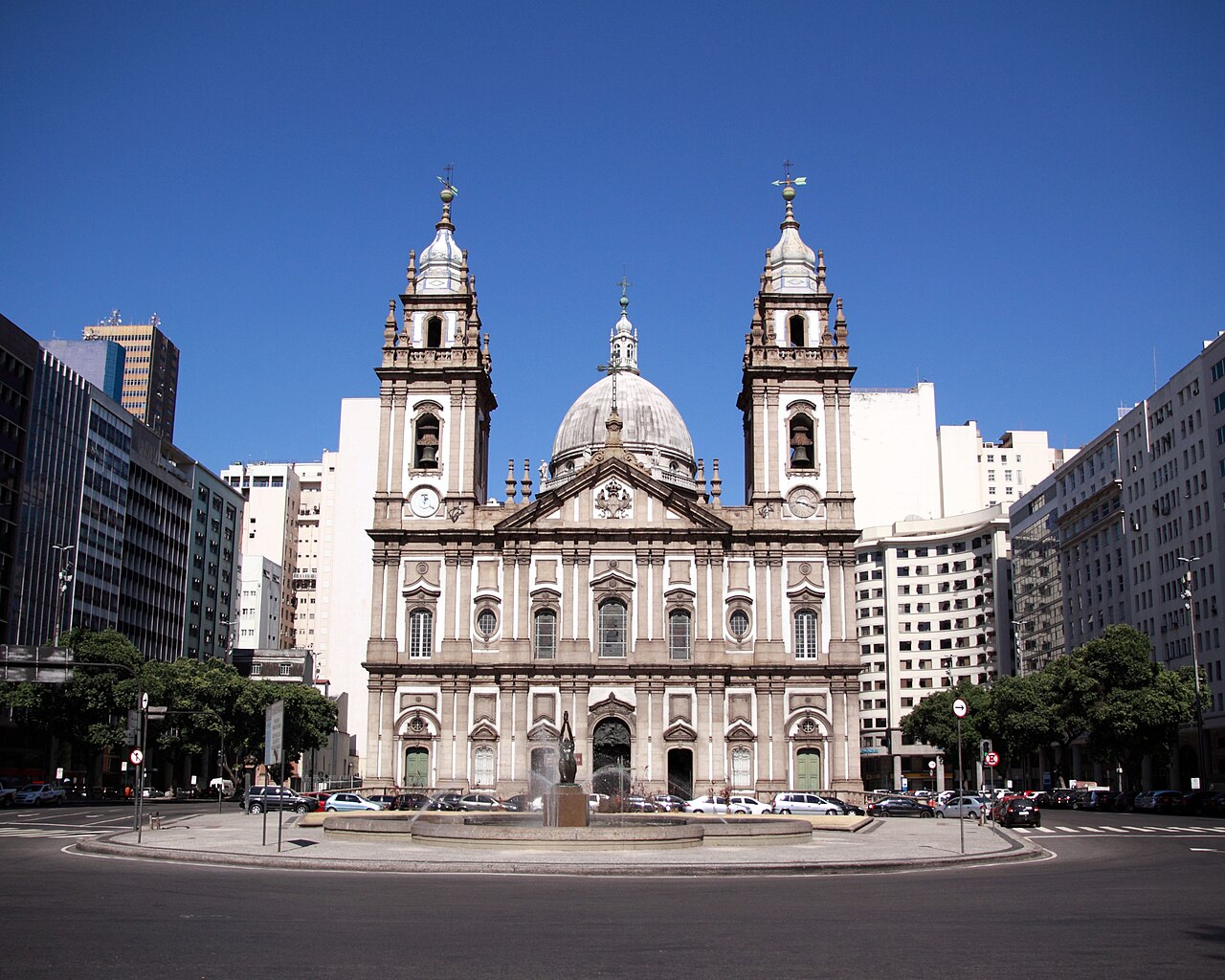
The Candelaria Church, known locally as Igreja de Nossa Senhora da Candelária, is a monumental domed church marking the northern approach to Rio de Janeiro's historic centre. The building stands as a significant landmark in the city's architectural and religious heritage. Its prominent dome and classical facade make it visually distinctive along the downtown skyline. Monday–Friday 07:30–16:00 for visits; weekday Mass at 12:15. Saturday closed. Sunday Mass at 10:30; the operator’s main notice says the church opens at 09:00, while its dedicated contact page says 09:30. Saturday is the regular closure day. Special celebrations may add separately announced opening periods.
Checked 2026-08-31 · Source
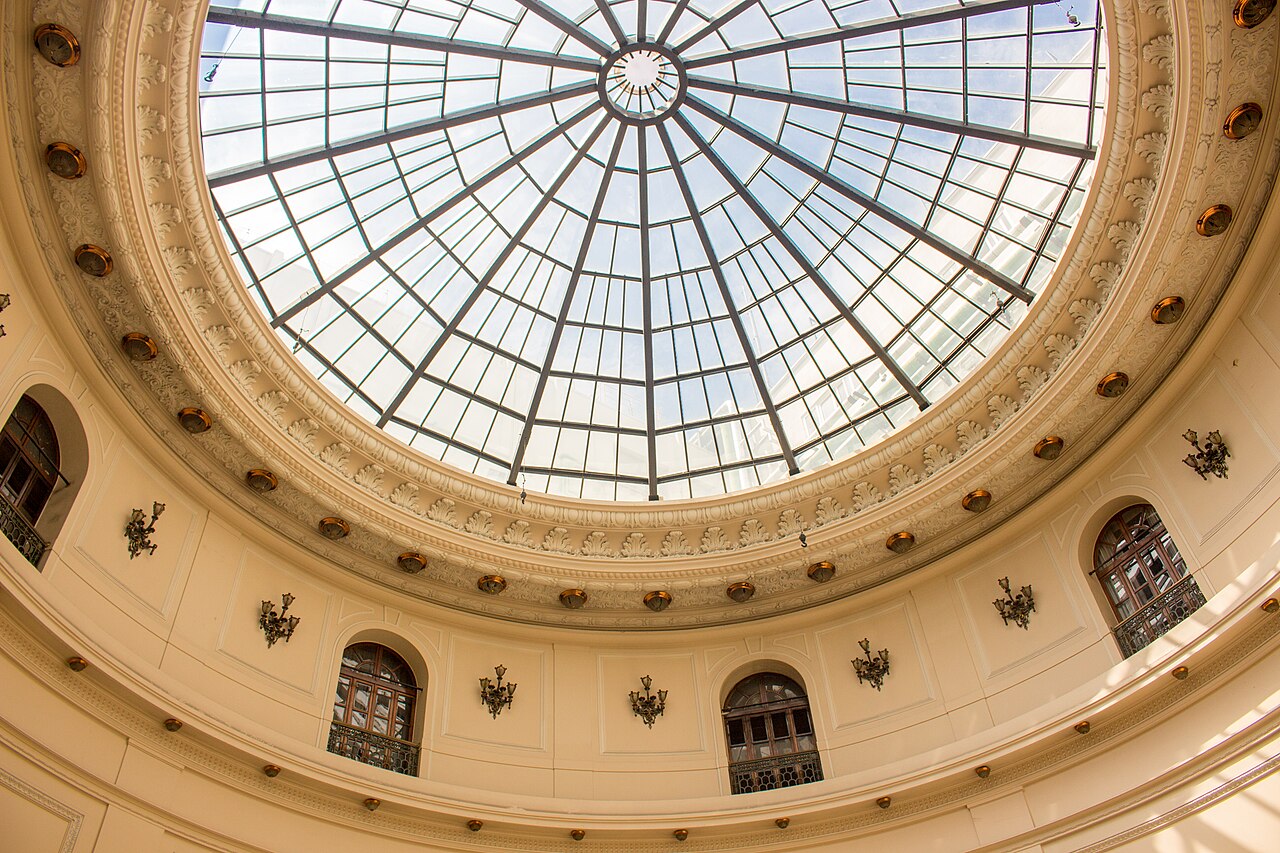
The interior of Candelaria Church features the spatial qualities typical of major Brazilian ecclesiastical architecture, with high ceilings, ornate decorative elements, and religious artwork integrated into the building's design. The main nave leads toward the altar area beneath the central dome, creating a dramatic vertical space. Visitors can observe stained glass windows, sculptural details, and the overall grandeur of the historic construction. Saturday is the regular closure day. Special celebrations may add separately announced opening periods. Free general entry for worship and ordinary visiting. The operator also explicitly labels its public Project Candelária concerts as free entry.
Checked 2026-08-31 · Source
A visit to Candelaria Church typically requires between thirty minutes and one hour, depending on individual interest in architectural and religious heritage. Casual visitors passing through the historic centre may spend less time, while those with specific interest in church architecture, photography, or quiet contemplation may stay longer. The church's location near other downtown attractions allows it to function as a brief stop within a broader walking itinerary. Free general entry for worship and ordinary visiting. The operator also explicitly labels its public Project Candelária concerts as free entry.
Checked 2026-08-31 · Source
Visitors should consult the official website at https://candelariario.org.br/ for current opening times before planning a visit. The church's downtown location means it is accessible year-round, though Rio de Janeiro's summer months bring higher temperatures and humidity that may affect comfort during walking tours. Rainy seasons can impact travel to and from the site. Monday–Friday 07:30–16:00 for visits; weekday Mass at 12:15. Saturday closed. Sunday Mass at 10:30; the operator’s main notice says the church opens at 09:00, while its dedicated contact page says 09:30.
Checked 2026-08-31 · Source
Many historic churches in Brazil do not charge entrance fees for individual visitors, though donations are commonly welcomed to support maintenance. Visitors should verify current policies through the official website at https://candelariario.org.br/ before visiting. Free general entry for worship and ordinary visiting. The operator also explicitly labels its public Project Candelária concerts as free entry. A Ministry of Tourism accessibility survey records a continuous, slip-resistant approach sidewalk. The same survey identifies an uneven surface and an excessively steep ramp along the approach.
Checked 2026-08-31 · Source
Candelaria Church occupies a prominent position at the northern edge of Rio de Janeiro's historic centre, accessible via major downtown thoroughfares. The surrounding area connects to the city's public transportation network, including bus lines and the VLT light rail system serving the port and central zones. Use the Candelária stop on VLT Carioca Lines 1-Azul or 3-Amarela. Access A is at Avenida Rio Branco and Avenida Presidente Vargas; the operator places the church 260 metres from the stop. The stop has access ramps, level boarding, tactile paving, Braille mapping and signage, information panels, and audible announcements.
Checked 2026-08-31 · Source
Visitors to Candelaria Church should exercise standard urban awareness appropriate to Rio de Janeiro's central business district. The surrounding streets experience significant pedestrian and vehicle traffic, particularly during business hours. Valuables should be secured and attention maintained to personal belongings in crowded conditions. Active religious services require respectful conduct, including appropriate dress and silenced electronic devices. A Ministry of Tourism accessibility survey records a continuous, slip-resistant approach sidewalk. No tactile paving or designated accessible roadside parking spaces were recorded. No Brazilian Sign Language interpreter was available during services in the survey.
Checked 2026-08-31 · Source
The exterior of Candelaria Church offers substantial photographic interest due to its domed silhouette and classical architectural composition against the downtown skyline. The building's position at street intersections provides multiple vantage points for capturing its facade and proportions. Visitors should seek clarification before using flash equipment or tripods inside the church. No Brazilian Sign Language interpreter was available during services in the survey. The church stands at Praça Pio X, without a street number, in Centro, Rio de Janeiro, postcode 20040-020.
Checked 2026-08-31 · Source
The church stands at Praça Pio X, without a street number, in Centro, Rio de Janeiro, postcode 20040-020.
The Irmandade do Santíssimo Sacramento da Candelária administers, maintains and conserves the church and its artistic and religious heritage.
The brotherhood authorized the present building in 1775, and it was inaugurated on 10 July 1898 after 123 years of construction.
Yes. Brazil’s national heritage authority, Iphan, listed the church in 1938.
The interior has polychrome marble, murals led by Brazilian painter João Zeferino da Costa, German stained glass and Art Nouveau pulpits.
The bronze doors, made by Portuguese sculptor António Teixeira Lopes, arrived and were installed in 1901.
Loading the interactive map…
The interactive map could not be loaded.

Last updated:
Source: OpenStreetMap contributors, Wikidata ·