
2 min walk
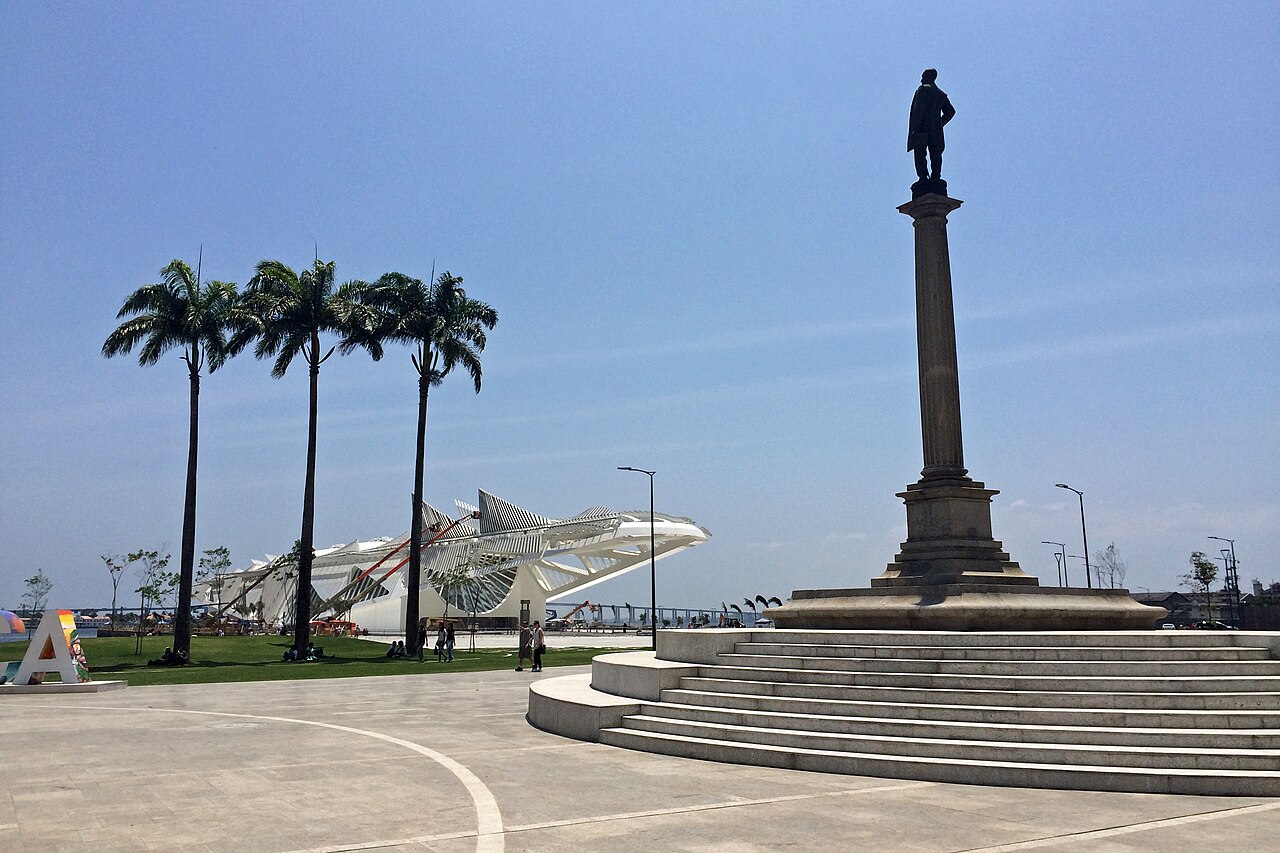
Praça Mauá
- Must see
- Nature site
Museum · Rio de Janeiro
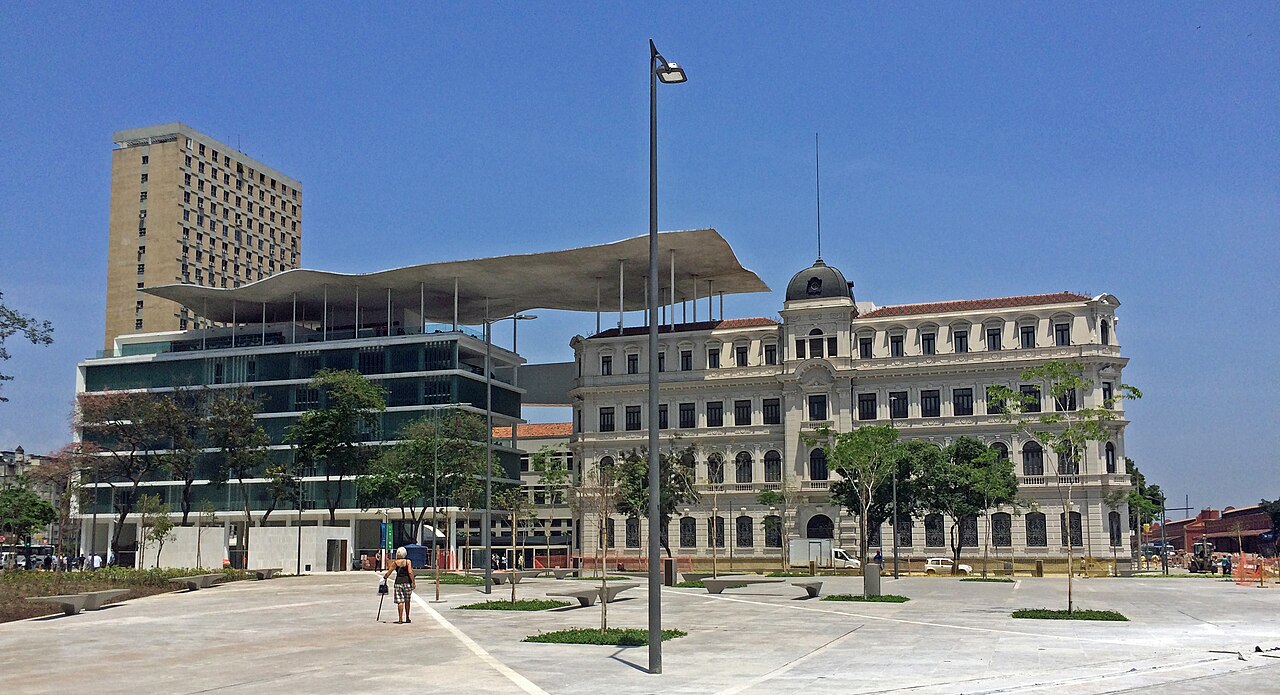
Museu de Arte do Rio
| Monday | 11:00 – 18:00 |
|---|---|
| Tuesday | 11:00 – 18:00 |
| Wednesday | Closed |
| Thursday | 11:00 – 18:00 |
| Friday | 11:00 – 18:00 |
| Saturday | 11:00 – 18:00 |
| Sunday | 11:00 – 18:00 |
Checked 2026-08-31 · Source
| Per person | R$20.00 |
|---|
Checked 2026-08-31 · Source
Read from the OpenStreetMap access tags; anything not listed has no tag recorded.
Set the group type to family in the planner and the day window contracts to about three quarters of a solo day.
The Rio Art Museum, known locally as Museu de Arte do Rio, is a cultural institution situated in Rio de Janeiro's port zone. It occupies a prominent position near Praça Mauá, serving as a significant venue for engaging with Brazilian artistic heritage and urban narratives. The museum complex integrates historical architecture with contemporary exhibition spaces, reflecting the area's transformation from commercial maritime hub to regenerated cultural district. Its rooftop offers panoramic views across the plaza and surrounding waterfront. Monday–Tuesday 11:00–18:00; Wednesday closed; Thursday–Sunday 11:00–18:00. Last entry is at 17:00. General admission is R$20; half-price admission is R$10. Admission is free for everyone on Tuesdays.
Checked 2026-08-31 · Source
The museum presents Brazilian art across multiple media and historical periods, with particular attention to works that illuminate Rio de Janeiro's urban development and social fabric. Collections and temporary exhibitions explore connections between fine art, popular culture, and the city's complex history. The institution emphasizes educational programming and community engagement. Visitors encounter diverse curatorial approaches that position artistic production within broader contexts of Brazilian identity, port-zone heritage, and ongoing urban renewal processes in the Centro and Gamboa neighborhoods. Last entry is at 17:00. General admission is R$20; half-price admission is R$10. Admission is free for everyone on Tuesdays.
Checked 2026-08-31 · Source
Visitors typically allocate between two and three hours for a meaningful engagement with the museum's offerings. This duration allows adequate time to navigate the exhibition spaces, absorb interpretive materials, and ascend to the rooftop observation area. Those with deeper interest in Brazilian art history or specific temporary exhibitions may wish to extend their stay. The museum's multi-level layout and integration of indoor and outdoor spaces encourages unhurried exploration. Factor additional time for transit to and from the port-zone location. General admission is R$20; half-price admission is R$10. Admission is free for everyone on Tuesdays.
Checked 2026-08-31 · Source
Visitors should consult the official website at https://museudeartedorio.org.br/ for current opening schedules before planning their visit. The museum's port-zone location experiences variable conditions throughout the day, with morning and late afternoon potentially offering more comfortable temperatures for rooftop viewing. Weekend and holiday patterns may differ from weekday operations. Monday–Tuesday 11:00–18:00; Wednesday closed; Thursday–Sunday 11:00–18:00. The Exhibition Pavilion and Escola do Olhar are adapted for wheelchair users and visitors with limited mobility. Three wheelchairs are available on request at the ticket desk. The Conheça o MAR area has tactile models, a tactile map and inclusive seating.
Checked 2026-08-31 · Source
The museum may operate with differentiated admission categories including full-price, reduced-rate, and free-entry provisions for certain visitor profiles. Potential free-access days or hours, common among Brazilian public cultural institutions, should be confirmed directly through official channels. Visitors are advised to check https://museudeartedorio.org.br/ for current ticketing structures, online reservation requirements, and accepted payment methods. General admission is R$20; half-price admission is R$10. Admission is free for everyone on Tuesdays. The Exhibition Pavilion and Escola do Olhar are adapted for wheelchair users and visitors with limited mobility. Three wheelchairs are available on request at the ticket desk.
Checked 2026-08-31 · Source
The museum occupies a position in Rio de Janeiro's revitalized port district, accessible via multiple transportation modes. The VLT light rail system serves the Praça Mauá area with stops in proximity to the institution. Municipal bus routes traverse nearby thoroughfares connecting to Centro, Zona Sul, and other districts. The museum is at Praça Mauá. From Uruguaiana metro station, use Exit D and continue via Rua da Alfândega, Rua Uruguaiana, Rua Acre and Avenida Rio Branco toward Praça Mauá. On VLT Line 3, alight at Santa Rita Pretos Novos station and walk via Avenida Marechal Floriano, Rua Acre and Avenida Rio Branco. Ferries from Niterói, Ilha do Governador and Paquetá arrive at Praça XV, about a 20-minute walk away or a connecting VLT ride. A municipal bicycle rack stands beside the museum on Rua Venezuela; bring a lock.
Checked 2026-08-31 · Source
The port-zone environment continues evolving through urban regeneration, with construction activity and changing streetscapes possible in surrounding areas. Visitors should maintain standard urban awareness regarding personal belongings and situational alertness, particularly during evening hours when the district's commercial and residential occupancy remains uneven. The rooftop exposure lacks substantial weather protection; sun exposure and sudden rain warrant preparation. The Exhibition Pavilion and Escola do Olhar are adapted for wheelchair users and visitors with limited mobility. The Conheça o MAR area has tactile models, a tactile map and inclusive seating.
Checked 2026-08-31 · Source
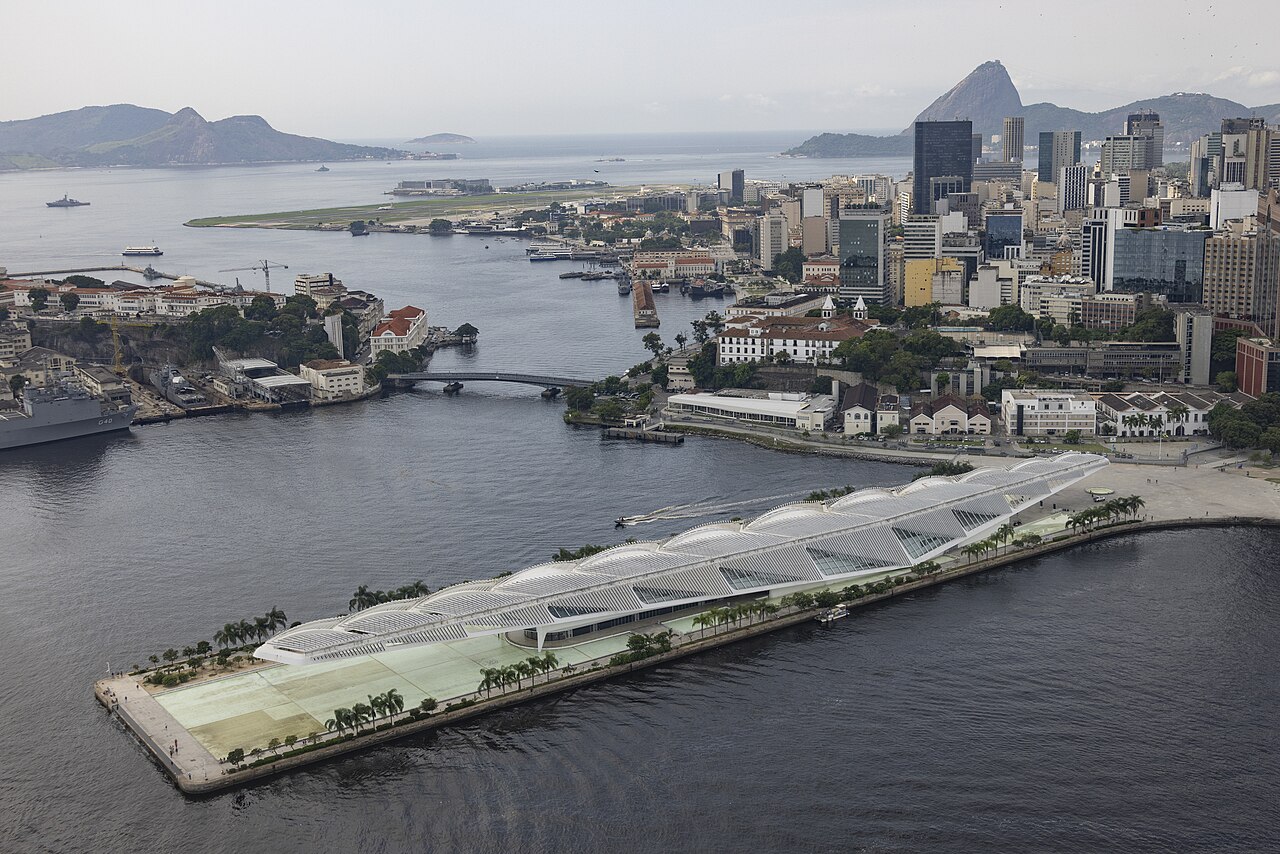
Flash photography typically prohibited to prevent artwork degradation. The rooftop terrace permits unrestricted exterior photography of Praça Mauá, the waterfront, and surrounding architectural landmarks including the Museum of Tomorrow. Tripod and professional equipment use generally requires advance institutional permission. Visitors should observe posted signage and staff guidance regarding specific restrictions. Respect for fellow visitors' viewing experience and privacy remains expected throughout all museum spaces. On Fridays from 11:00 to 12:00, sound, lighting and communication are adjusted for visitors with intellectual or psychosocial disabilities. Photography is permitted in most exhibitions without flash. Individual works or areas may prohibit photography, as indicated by on-site signs.
Checked 2026-08-31 · Source
Photography is permitted in most exhibitions without flash. Individual works or areas may prohibit photography, as indicated by on-site signs.
Yes. Larger bags, backpacks, umbrellas, tripods and sharp objects should be placed in the museum's lockers before entering the galleries.
Children younger than 12 must be accompanied by an adult.
Yes. Three wheelchairs and three baby strollers are available on request at the ticket desk.
Food and drink may not be consumed inside the exhibition galleries. Meals may be eaten in the museum's open areas, and plastic bottles may be carried through the museum but used only outside the galleries.
Scheduled educational visits last 90 minutes and groups may contain no more than 40 people.
Loading the interactive map…
The interactive map could not be loaded.

Last updated:
Source: OpenStreetMap contributors, Wikidata ·