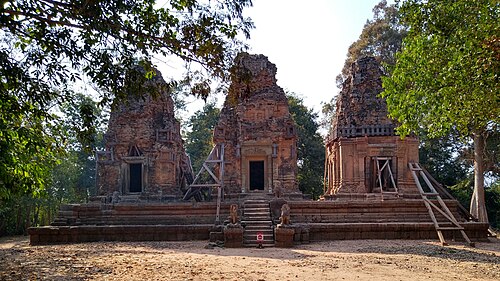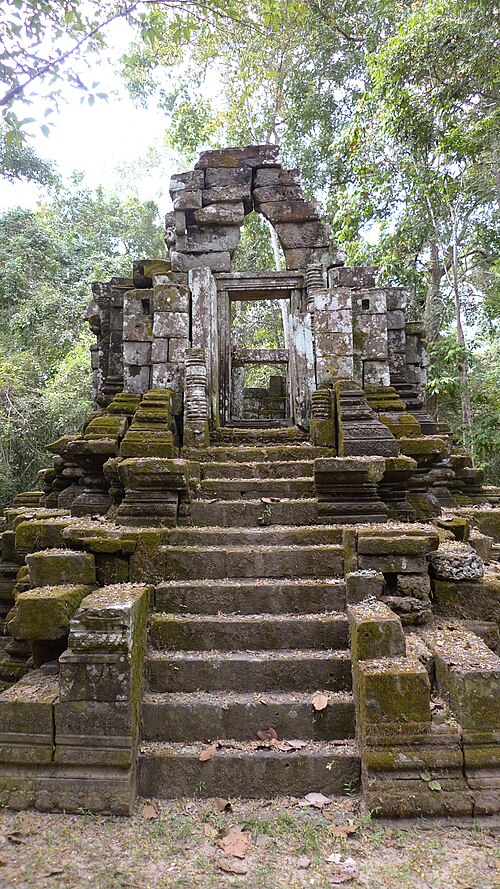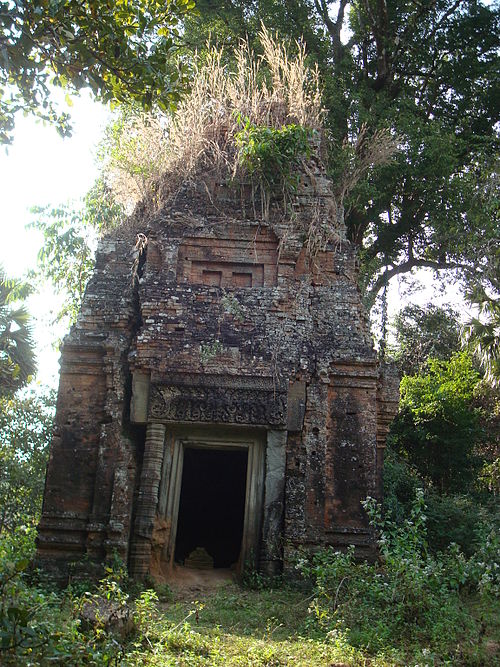
Krol Ko
ប្រាសាទក្រោលគោ
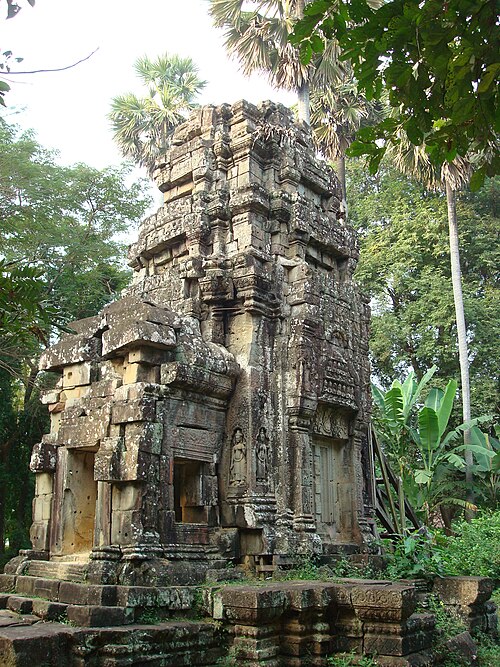
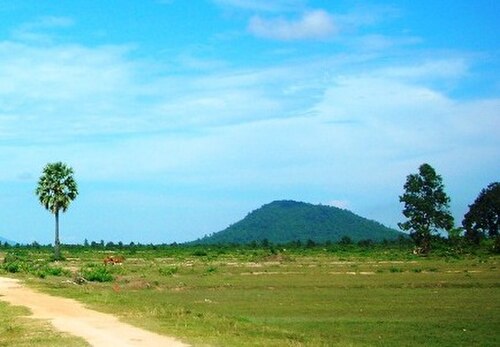
Krol Ko is a Buddhist temple within the Angkor Archaeological Park near Siem Reap, Cambodia. It forms part of the UNESCO World Heritage Site inscribed in 1992.
- Must see
- Historic monument
- Siem Reap
Country guide
Cambodia spans about 181,035 km² of low-lying plain, and water sets its shape: the Mekong meets the Tonlé Sap, the largest lake in Southeast Asia, near the midd...
Photograph · Diego Delso · CC BY-SA 3.0
Reviewed by Elena Voss · Roavina Travel Editor
Cambodia spans about 181,035 km² of low-lying plain, and water sets its shape: the Mekong meets the Tonlé Sap, the largest lake in Southeast Asia, near the middle of the country. Around 17 million people live here, most of them Khmer.
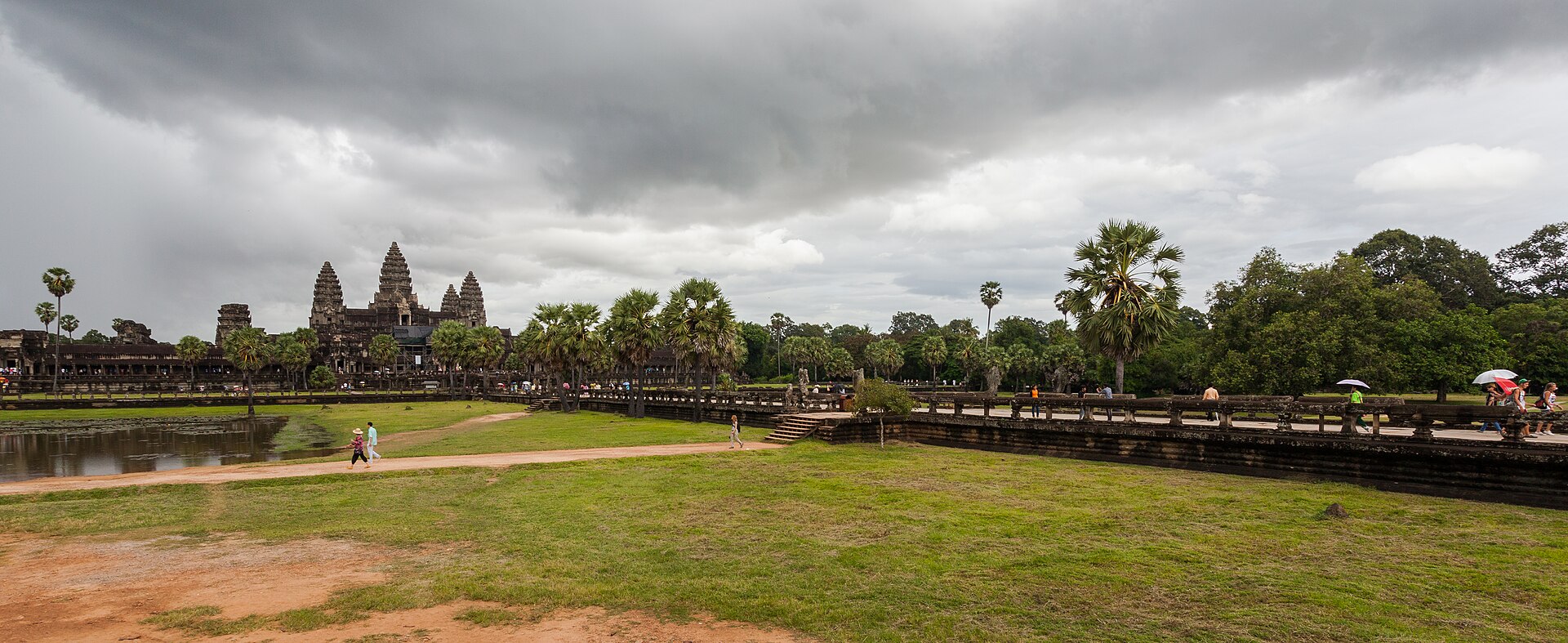
Phnom Penh is the capital and largest city and Siem Reap the second, which matters, because Siem Reap is the town Angkor Wat is reached from — the most famous of the works the Khmer Empire began after Jayavarman II took the throne in 802. The coastline is short and faces the Gulf of Thailand.
Checked 2026-08-25
Every city catalogued in this country so far, ranked by how much there is to see.
Photograph · Anne and David · Public domain
Ranked by importance — sitelinks, pageviews and heritage status, not editor preference.
36 places match
Category
Typical visit duration
Interests
ប្រាសាទក្រោលគោ
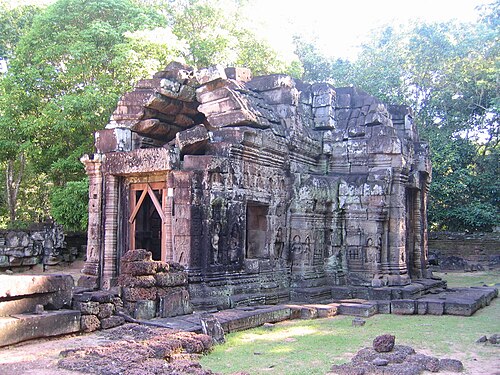
Krol Ko is a Buddhist temple within the Angkor Archaeological Park near Siem Reap, Cambodia. It forms part of the UNESCO World Heritage Site inscribed in 1992.
Thnal Baray (Ancient Reservoir)
East Baray is a vast ancient reservoir constructed during the Khmer Empire period, forming part of the broader Angkor archaeological landscape. This monumental water engineering work represents the sophisticated hydraulic infrastructure that sustained the medieval city of Angkor.
Phnom Bok is a hilltop temple northeast of Siem Reap, reached by climbing Phnom Bok mountain.
Chau Srei Vibol is a Khmer temple ruin situated in the Siem Reap region of Cambodia. The site forms part of the broader Angkor archaeological heritage area, which UNESCO recognizes as World Heritage site 668.
ប្រាសាទបាទជុំ
Prasat Bat Chum is a historical temple site located in the Siem Reap region of Cambodia. The structure forms part of the broader Angkorian archaeological landscape that draws visitors from across the world.
មង្គលាថ៌
Mangalartha is a Buddhist temple monument within the Angkor archaeological landscape near Siem Reap. It belongs to the later phases of Angkorian religious building and offers a smaller-scale encounter with Khmer heritage than the celebrated central temples.
Prasat Leak Neang is a minor Khmer temple ruin within the Angkor archaeological zone near Siem Reap. It forms part of the UNESCO-listed cultural landscape associated with the Khmer Empire’s long period of temple building and urban development.
Prasat Trapeang Phong is a small historical temple site in the Siem Reap region of Cambodia. Its name combines prasat, referring to a sanctuary tower, with trapeang, a Khmer term associated with a reservoir or pond.
Angkor Centre for Conservation of Biodiversity is a wildlife rescue and conservation facility near Siem Reap. Its work centres on rehabilitating endangered and threatened native species while helping visitors understand Cambodia’s biodiversity.
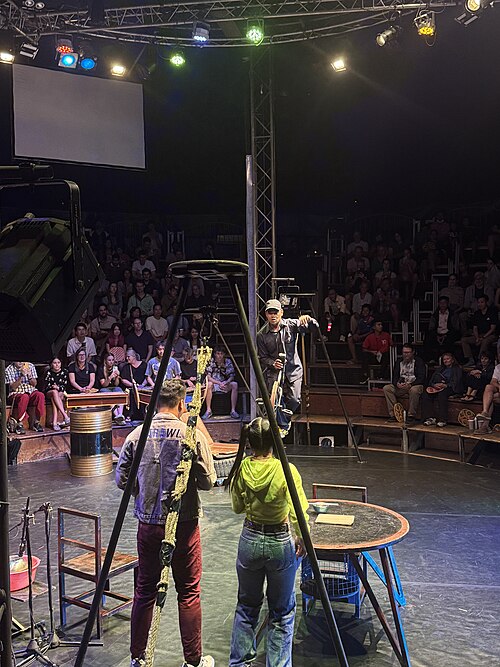
Phare, The Cambodian Circus is a contemporary performing-arts venue in Siem Reap where circus, theatre, music, dance, and Cambodian storytelling meet.
ប្រាសាទតាព្រហ្មកិល
Ta Prohm Kel is a small Angkor-period temple ruin located within the Angkor Archaeological Park near Siem Reap, Cambodia.
Seven to ten days can combine three full Angkor days from Siem Reap with two or three days in Phnom Penh. Battambang or the southern coast needs extra nights; Angkor is a landscape of sites, not one stop to squeeze between intercity transfers.
Cambodia’s official eVisa service states which passports and border points can use electronic permission. Check the intended crossing before applying, since acceptance at an airport does not prove acceptance at every land border, and match the dates to the actual itinerary.
Phnom Penh and Siem Reap are the principal air gateways for a first visit. Coaches and private transfers carry most intercity trips, rail serves limited routes, and some waterways are seasonal; arrange Angkor transport locally with a licensed driver or tour.
The drier months from November to March are practical for temple days, though midday heat still matters. Wet-season travel brings greener landscapes and possible road or boat changes, so confirm regional access rather than treating rain as a simple nationwide closure.
Cambodian riel is the official currency, while some visitor transactions may also be quoted in US dollars. Check which currency a price uses and the condition of any notes offered in change; keep riel for small purchases instead of assuming every vendor accepts foreign cash.
Cambodia records 117 for police, 118 for fire and 119 for ambulance, with Type A, C and G sockets at 230 V. Tap-water status is Not recorded; request local guidance, and carry the address of the accommodation for transport or emergency communication.