
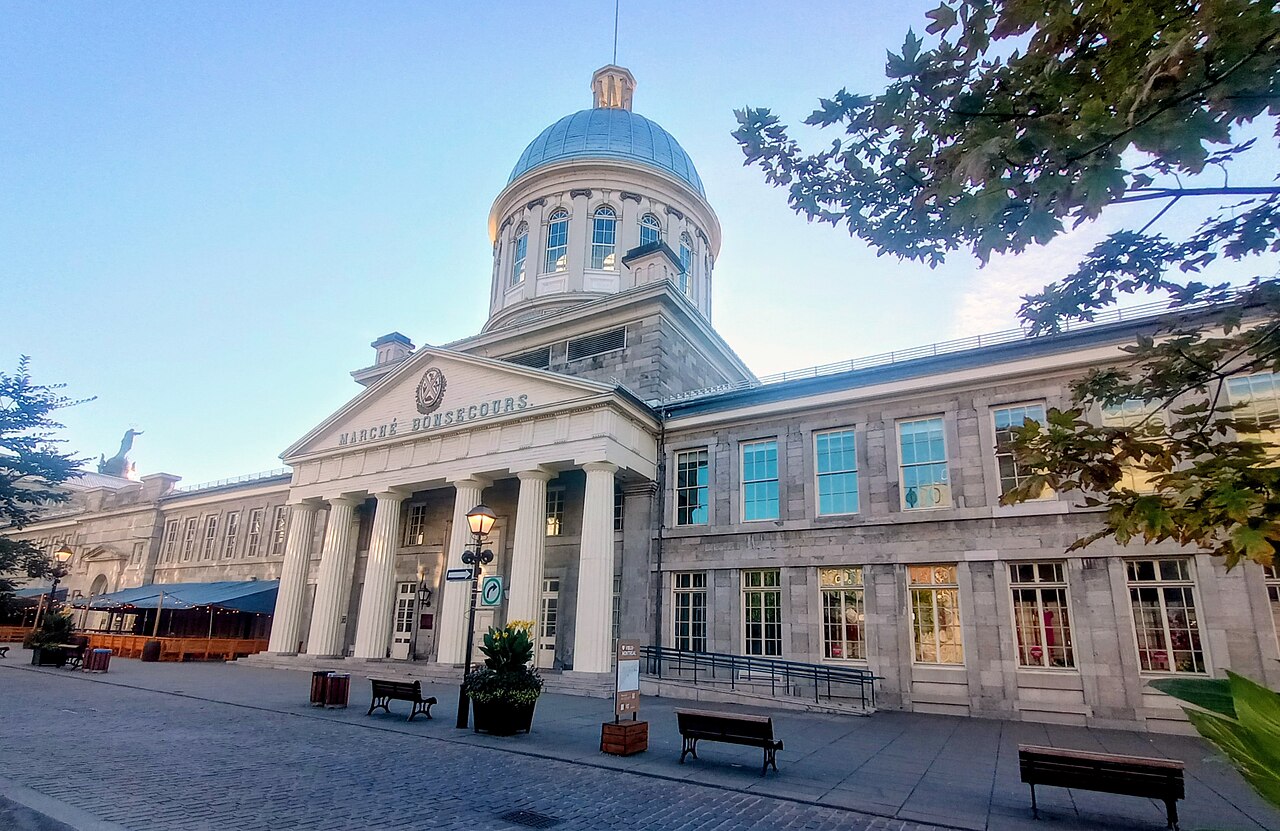
2 min walk
Bonsecours Market
- Must see · Heritage site
- Historic monument
Language · 11 published
Museum · Montreal
Château Ramezay
Reviewed by Elena Voss · Roavina Travel Editor
| Monday | 10:00 – 17:00 |
|---|---|
| Tuesday | 10:00 – 17:00 |
| Wednesday | 10:00 – 17:00 |
| Thursday | 10:00 – 17:00 |
| Friday | 10:00 – 17:00 |
| Saturday | 10:00 – 17:00 |
| Sunday | 10:00 – 17:00 |
Checked 2026-08-31 · Source
Read from the OpenStreetMap access tags; anything not listed has no tag recorded.
Set the group type to family in the planner and the day window contracts to about three quarters of a solo day.
This place is a Museum. It was established in 1705. It carries the national historic site of Canada heritage designation.
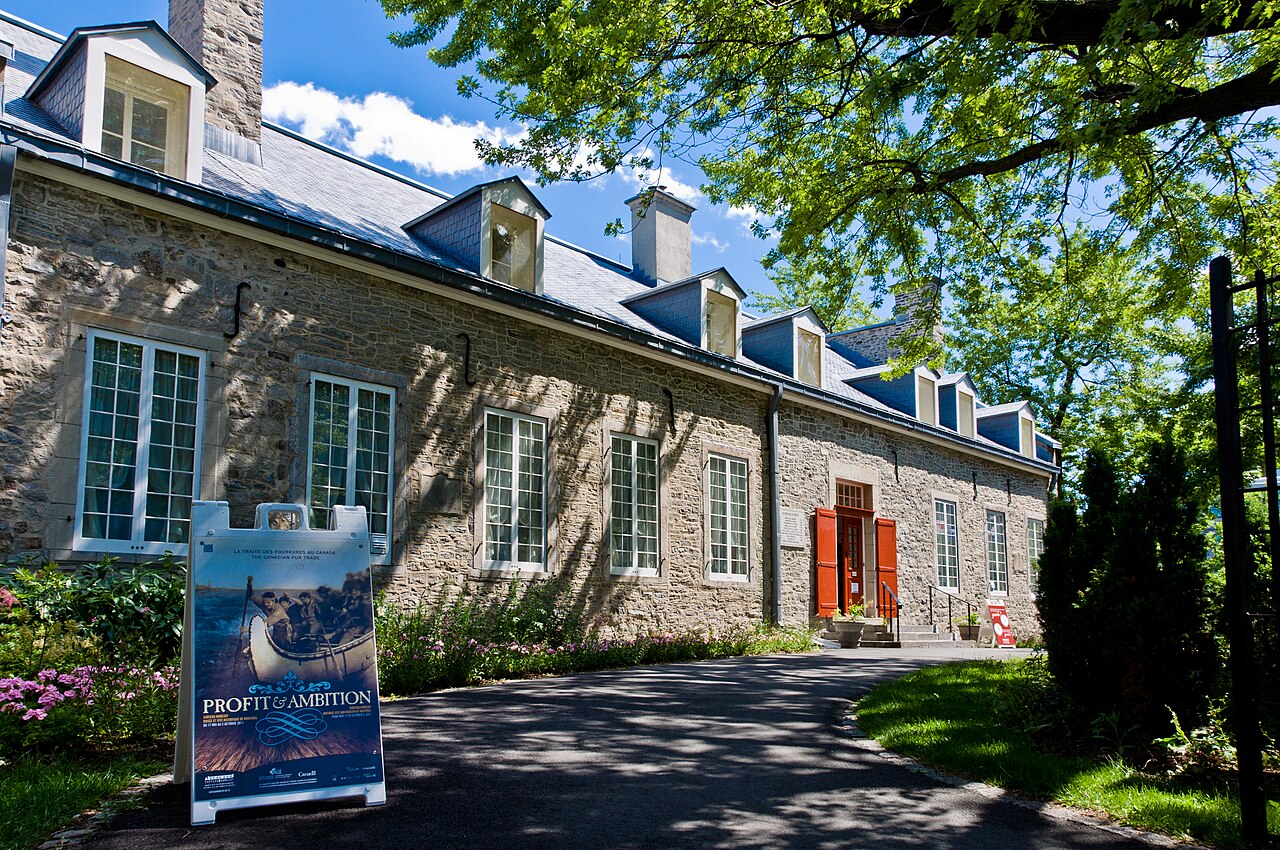
Chateau Ramezay is an eighteenth-century governor's residence and city-history museum located in Old Montreal, facing Place Jacques-Cartier. Built in the early 1700s, it served as the residence of the governors of Montreal. Today it operates as a museum and historic site dedicated to preserving and presenting the history of Montreal. The building represents one of the oldest remaining structures from the French colonial period in North America and stands as a significant heritage landmark in Quebec. Museum: Monday–Sunday 10:00–17:00. Governor's Garden: Monday–Sunday 09:00–16:30.
Checked 2026-08-31 · Source
The museum contains collections and exhibitions related to Montreal's history from the pre-contact period through the present day. Visitors can explore period rooms furnished to reflect different eras of the building's occupation. The site includes a historic garden behind the building, reconstructed according to eighteenth-century plans. The museum holds artifacts, documents, and artworks that illustrate the social, political, and economic development of Montreal. No recurring closure day is listed. The operator page carries an undated exception stating that the museum will close on Tuesday, April 21 for a special event.
Checked 2026-08-31 · Source
A thorough visit to Chateau Ramezay typically requires between one and two hours, depending on individual interest in historical detail and museum exhibitions. Visitors with strong interest in colonial history or decorative arts may wish to spend additional time examining period rooms and collections. The historic garden adds approximately fifteen to thirty minutes for those who choose to explore it. Self-guided pacing allows flexibility, though temporary exhibitions may extend visit duration. Adult admission: CAD 14.99 including tax (CAD 13.04 before tax).
Checked 2026-08-31 · Source
Visitors should consult the museum's official website or contact staff directly before planning a visit. Seasonal variations in operating hours are common for historic sites in Montreal, with reduced schedules typically occurring during winter months. Summer represents the peak tourist season in Old Montreal, bringing larger crowds to Place Jacques-Cartier and surrounding attractions. Museum: Monday–Sunday 10:00–17:00. Governor's Garden: Monday–Sunday 09:00–16:30. An access ramp provides step-free entry. An elevator serves the museum. All exhibition rooms and the vaulted rooms are accessible. The Governor's Garden is accessible. Claude de Ramezay, then governor of Montréal, had the stone residence built in 1705.
Checked 2026-08-31 · Source
Admission policies for historic sites in Montreal typically vary by age category, with standard distinctions between adults, seniors, students, and children. Some Quebec museums participate in reciprocal programs or offer free admission on designated days. Group rates may apply with advance reservation. Members of heritage organizations sometimes receive discounted entry. Adult admission: CAD 14.99 including tax (CAD 13.04 before tax). An access ramp provides step-free entry. An elevator serves the museum. All exhibition rooms and the vaulted rooms are accessible. The Governor's Garden is accessible. Claude de Ramezay, then governor of Montréal, had the stone residence built in 1705.
Checked 2026-08-31 · Source
Chateau Ramezay occupies a prominent position in Old Montreal, directly facing Place Jacques-Cartier. The site lies within walking distance of the Old Port and other historic district attractions. Cycling routes serve the area during favorable weather. Driving presents challenges due to narrow historic streets and limited parking availability. The museum is at 280 Notre-Dame Street East in Old Montréal. From Champ-de-Mars station on Métro Line 2–Orange, allow about five minutes on foot and follow signs for Vieux-Montréal. STM lists Champ-de-Mars among stations with street-to-platform elevators. Paid parking is available at the Chaussegros-de-Léry Building, 330 Champ-de-Mars, and on nearby streets.
Checked 2026-08-31 · Source
Old Montreal's cobblestone streets and irregular surfaces require appropriate footwear and attention to walking conditions, particularly in wet or icy weather. The historic building contains stairs and may present accessibility limitations for visitors with mobility impairments. Summer crowds at Place Jacques-Cartier attract street performers and vendors, creating a lively but sometimes congested environment. Winter visits demand preparation for cold temperatures and snow. An access ramp provides step-free entry. All exhibition rooms and the vaulted rooms are accessible. The Governor's Garden is accessible. Claude de Ramezay, then governor of Montréal, had the stone residence built in 1705.
Checked 2026-08-31 · Source
Historic museums typically impose restrictions on flash photography to protect light-sensitive artifacts, textiles, and works on paper. Some institutions prohibit tripods, monopods, and selfie sticks due to space constraints and visitor safety concerns. Commercial or promotional photography usually requires advance written permission. Visitors should observe posted signage and staff instructions regarding permissible photography in specific galleries or period rooms. Video recording may be subject to separate regulations. The Governor's Garden is accessible. Claude de Ramezay, then governor of Montréal, had the stone residence built in 1705. The museum opened to the public on May 1, 1895; its formal inauguration followed on April 9, 1896.
Checked 2026-08-31 · Source
Claude de Ramezay, then governor of Montréal, had the stone residence built in 1705.
The museum opened to the public on May 1, 1895; its formal inauguration followed on April 9, 1896.
It became the first building classified as a historic monument by Québec's Commission des monuments historiques in 1929 and was designated a National Historic Site of Canada in 1949.
The collection contains nearly 30,000 objects, including manuscripts, printed works, coins, ethnological objects, artworks, paintings and furniture.
The Château's multimedia circuit is offered in six languages.
Yes. The one-hour permanent-exhibition tours are included with admission; the listed summer times are 12:00 and 14:00 in English and 11:00, 13:00 and 15:00 in French, subject to volunteer-guide availability.
Loading the interactive map…
The interactive map could not be loaded.
Last updated:
Source: OpenStreetMap contributors, Wikidata ·