
21 min walk
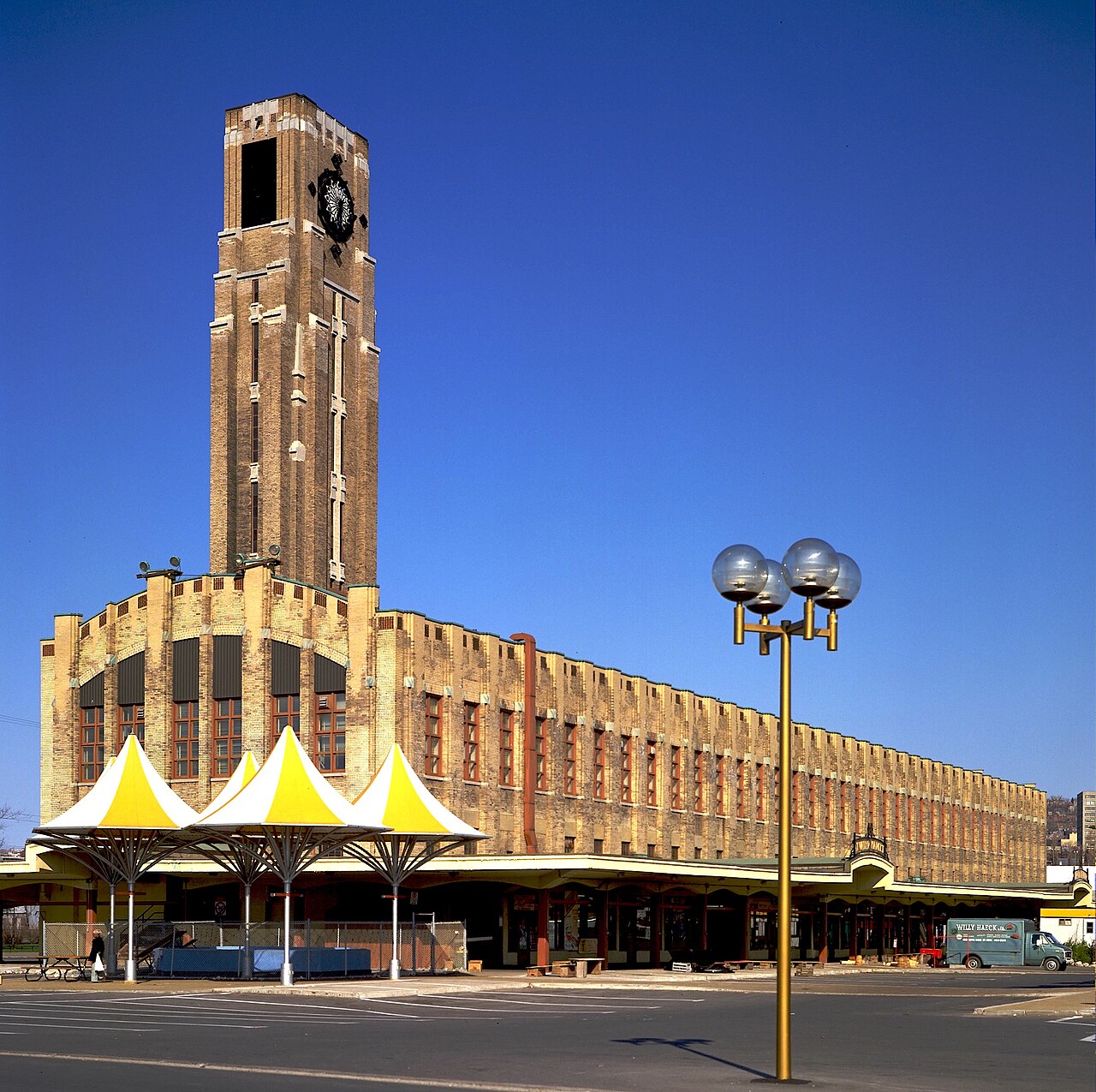
Atwater Market
- Must see
- Market
Language · 11 published
Museum · Montreal
Reviewed by Elena Voss · Roavina Travel Editor
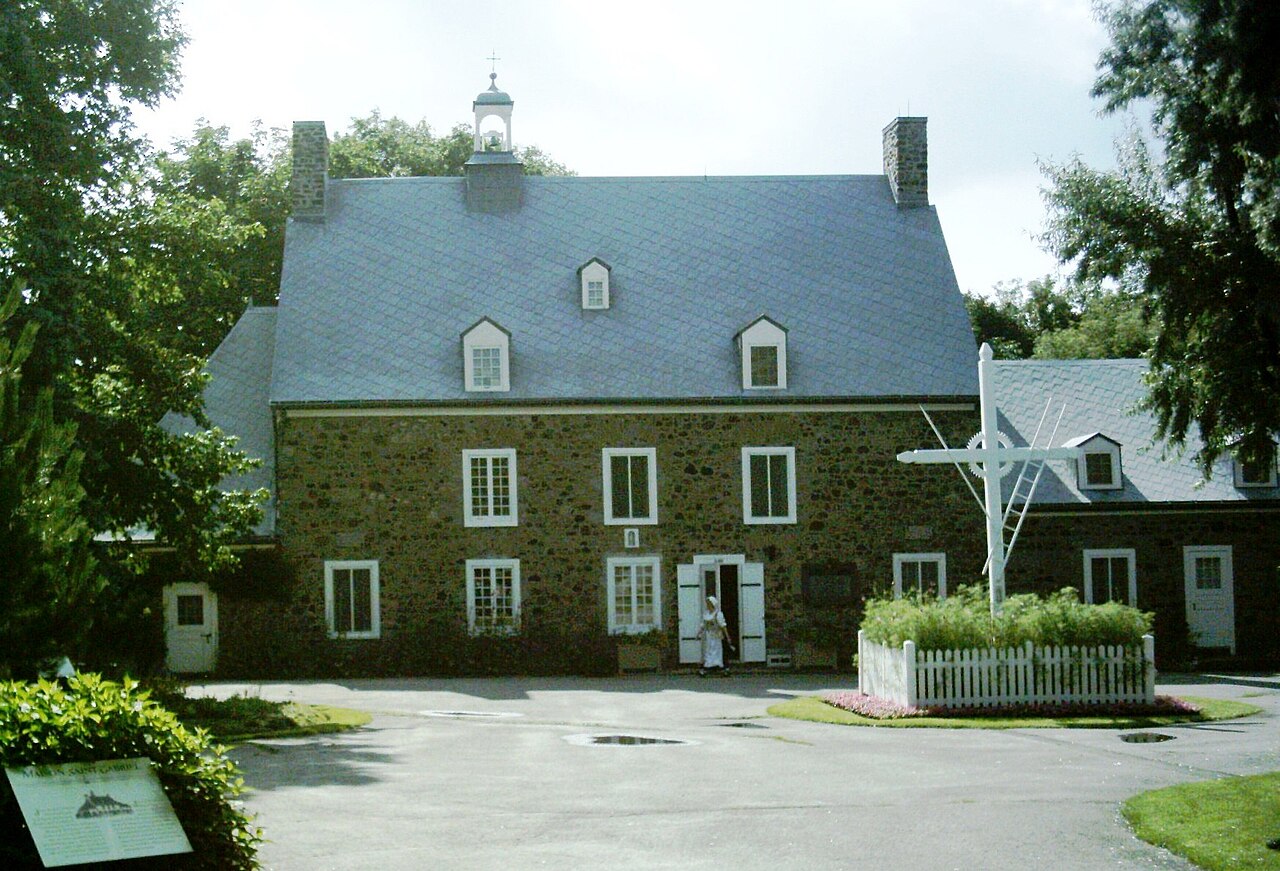
This place is a Museum. It carries the classified heritage immovable heritage designation.
Maison Saint-Gabriel is a seventeenth-century farmhouse museum in Montreal, Quebec, devoted to the history of early French settlement. Its interpretation gives particular attention to the Filles du Roi, women sent to New France under royal sponsorship to marry and help establish the colony. The farmhouse also preserves a link with rural life on the island of Montreal. Visit for a compact, human-scale view of domestic work, agriculture, family life, and the challenges of building a community far from France. Maison Saint-Gabriel is a seventeenth-century farmhouse museum in Montreal, Quebec. It interprets the history of the Filles du Roi, young women sent to New France under royal sponsorship to marry and populate the colony. The building represents early French colonial rural architecture and the agricultural heritage of the island of Montreal. The site preserves and presents the domestic and community life of this significant period in Canadian history, offering visitors insight into the challenges and contributions of these women and the broader settlement of New France.
Checked 2026-08-26 · Source
Inside, furnished period rooms and historical objects turn the farmhouse into the main exhibit. Look closely at the rooms as evidence of everyday routines rather than expecting a large modern museum complex. Displays connect domestic arrangements with agriculture, work, family structures, and the experiences of women in early New France. The building itself is central to the visit: its scale, materials, and arrangement help explain how people lived and worked in a rural colonial setting.
Checked 2026-08-26 · Source
Allow about one to two hours for Maison Saint-Gabriel. That gives enough time to move through the furnished rooms, read the interpretation, and examine objects connected with household work and agriculture. The museum is physically compact, but the subjects are dense, especially the history of the Filles du Roi and the social organisation of early settlement. Visitors interested in women's history, Quebec heritage, or colonial farming may want to linger over the displays and architectural details.
Checked 2026-08-26 · Source
Maison Saint-Gabriel works well as a focused heritage stop within a Montreal day. The farmhouse and its historical interpretation reward a visit when you can move slowly through the rooms rather than rushing between major attractions. Seasonal programming and the visitor experience can shape the day, while the rural character of the property offers a contrast with central Montreal. The site is especially suitable for travelers interested in Quebec history, women's history, domestic life, and the beginnings of French colonial society.
Checked 2026-08-26 · Source
Maison Saint-Gabriel is a museum visit rather than a freely accessible public building, so plan it as a dedicated cultural stop. Admission arrangements belong with the museum visit itself, while the value comes from the furnished farmhouse, historical objects, and interpretation of the Filles du Roi and early New France. The compact setting makes the experience manageable for travelers combining it with other Montreal heritage sites. Reserve enough time for reading, since the social history is as important as the architecture.
Checked 2026-08-26 · Source
Maison Saint-Gabriel is in Montreal on the island of Montreal and can be incorporated into a city itinerary by public transport, bicycle, car, or on foot from a nearby base. The surrounding area offers a chance to pair the farmhouse with other heritage-focused experiences rather than treating it as an isolated landmark. Plan the route around the museum's location and the time needed for a careful interior visit. The historic property provides a quieter change of pace from dense urban streets.
Checked 2026-08-26 · Source
The farmhouse is a historic building, so the experience is shaped by period construction rather than contemporary museum scale. Narrow rooms, uneven surfaces, and older circulation patterns may affect how comfortably some visitors move through the site. Give yourself time to read and consider the colonial history critically, including the relationships between French settlement, women's labour, agriculture, and the people already living in the region. The distinction between a preserved building and a modern gallery is part of the visit.
Checked 2026-08-26 · Source
The farmhouse, furnished rooms, and agricultural character provide strong subjects for photographs that show scale and texture. Exterior views can convey the contrast between the historic property and modern Montreal, while interior details reward close framing. Keep photography secondary to the museum experience and remain considerate around other visitors and fragile objects. The building's value lies in its atmosphere as well as its exhibits, so images work best when they record materials, room arrangements, and the relationship between domestic life and the wider landscape.
Checked 2026-08-26 · Source
It interprets the Filles du Roi, early French settlement, domestic life, agriculture, and the development of New France on the island of Montreal.
You can see furnished period rooms, historical objects, and displays relating to household work, agriculture, family life, and the Filles du Roi.
Allow approximately one to two hours for the furnished rooms, objects, architectural details, and historical interpretation.
They were young women sent to New France under royal sponsorship to marry and help populate the colony, making their experiences central to the museum's social history.
No. The historic farmhouse is itself a primary part of the experience and helps visitors understand rural domestic and agricultural life in early New France.
It suits travelers interested in Quebec heritage, women's history, colonial agriculture, domestic life, and the social history of early French settlement.
Loading the interactive map…
The interactive map could not be loaded.
Last updated:
Source: OpenStreetMap contributors, Wikidata ·