
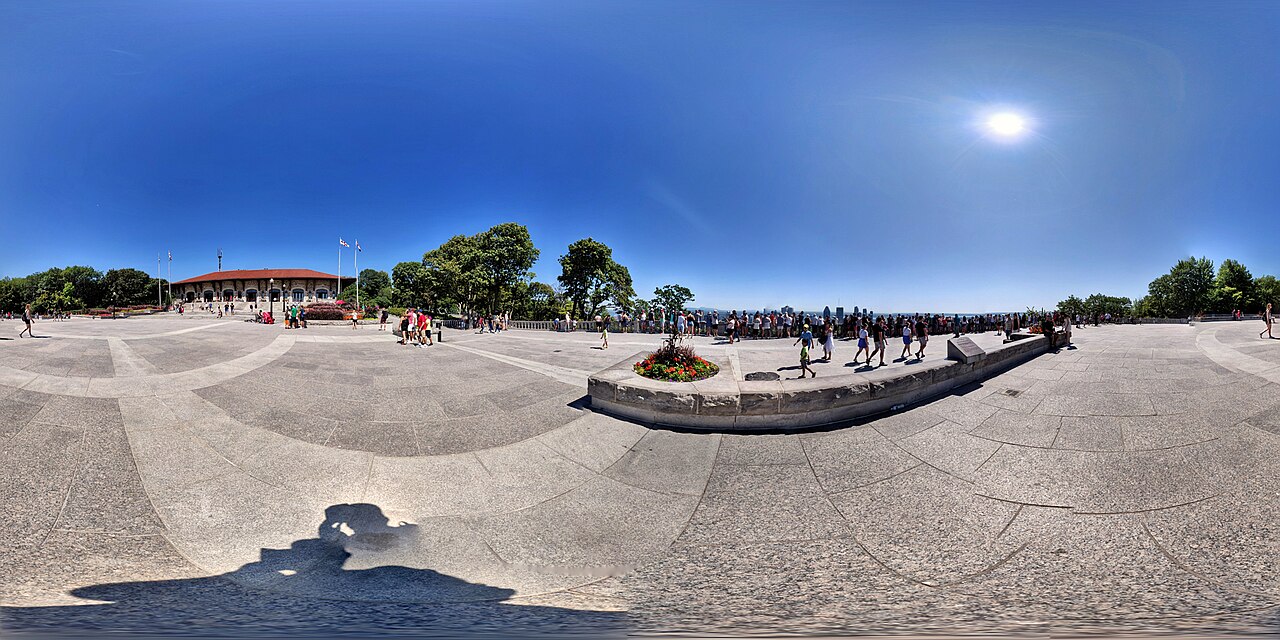
8 min walk
Kondiaronk Belvedere
- Must see
- Viewpoint
Language · 11 published
Place of worship · Montreal
Croix du Mont-Royal
Reviewed by Elena Voss · Roavina Travel Editor
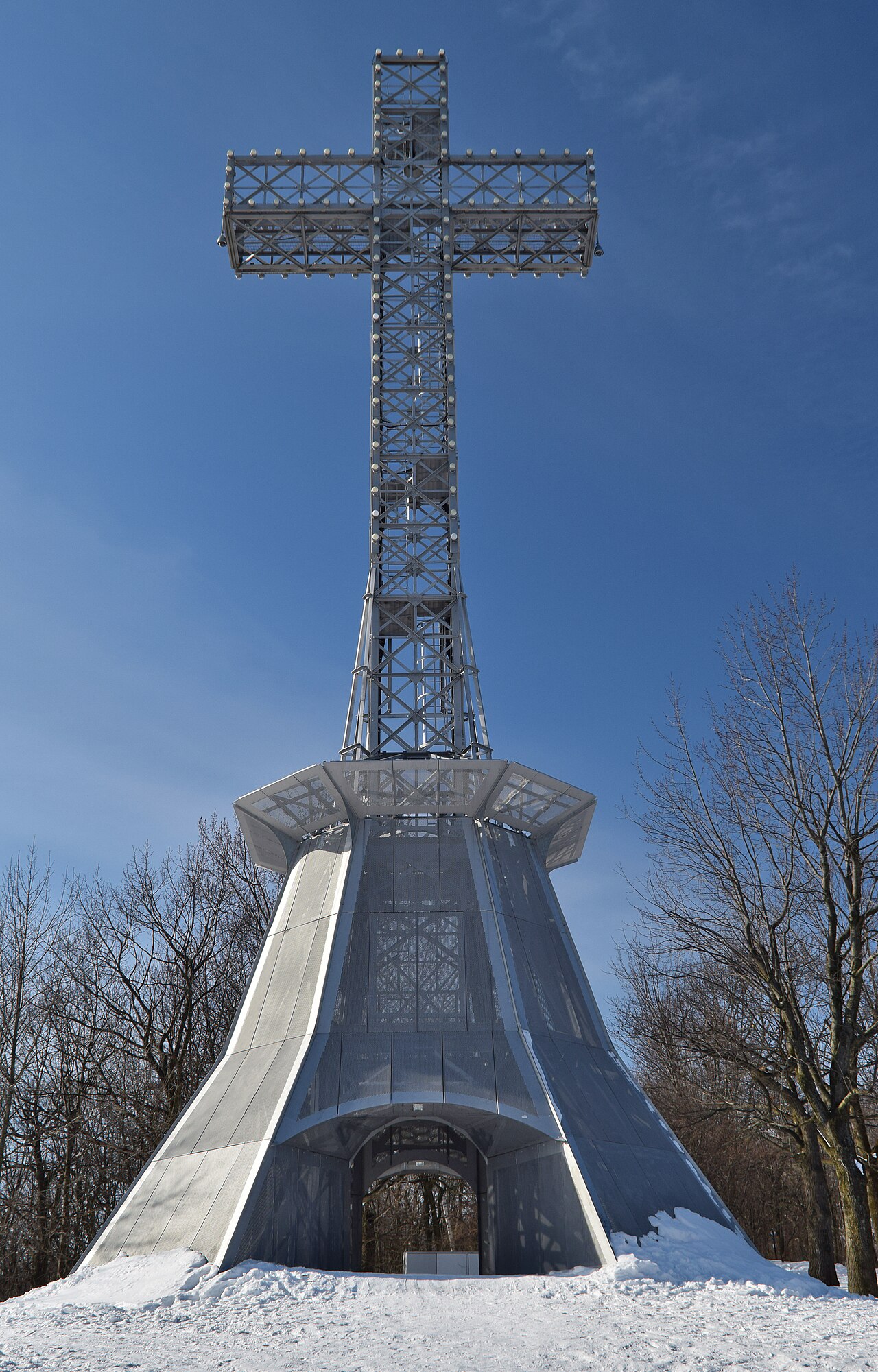
This place is a Attraction. It is built of steel. It carries the part of a Quebec heritage property heritage designation.
The Mount Royal Cross is an illuminated summit monument on Mount Royal, the mountain that gave Montreal its name. It is one of the city’s most recognisable landmarks and a religious symbol linked to Montreal’s early Catholic history. Paul Chomedey de Maisonneuve erected the first cross here in 1643. The present steel structure dates from 1924 and stands within Mount Royal Park. The Mount Royal Cross is an illuminated summit cross standing on Mount Royal, the mountain after which Montreal is named. It serves as a long-standing visual symbol of the city, visible from numerous vantage points across the urban area. The cross was originally erected in 1643 by the city's founder, Paul Chomedey de Maisonneuve, and has been replaced several times over the centuries. The current steel structure dates to 1924. It stands as a prominent landmark and religious monument, commemorating the founding of Montreal and representing its Catholic heritage. No. Private vehicles cannot reach the cross directly at the summit. Visitors must walk from parking areas or transit points at the mountain's base, or use park roads that still require final approach on foot.
Checked 2026-08-26 · Source
The Mount Royal Cross is an outdoor monument rather than an enclosed attraction. The steel cross rises from a concrete base and is illuminated after dark, making it visible from many parts of Montreal. The immediate setting is open parkland on the summit area of Mount Royal. Visitors come for the monument, the surrounding paths, and the elevated outlook over the city. There are no galleries or interior rooms at the cross itself. The Mount Royal Cross itself is an exterior monument with no interior space accessible to visitors. The structure consists of a steel cross mounted on a concrete base, equipped with illumination for nighttime visibility. Visitors come to the site to view the cross from its immediate surroundings, which form part of Mount Royal Park.
Checked 2026-08-26 · Source
Allow 30 minutes to one hour for the Mount Royal Cross itself. That time gives visitors room to walk around the monument, look across Montreal, and take photographs. The approach is part of the experience, so the outing becomes longer when starting from the lower park entrances. Visitors combining the cross with a wider Mount Royal walk can spend several hours on the mountain while still treating the cross as one stop.
Checked 2026-08-26 · Source
Mount Royal Cross is suitable for an outdoor visit in every season. Summer and early autumn make the uphill walk more comfortable and bring greener surroundings, while winter adds snow and ice to the mountain paths. An evening visit offers the distinctive sight of the illuminated cross against the dark sky. Daylight is useful for city views and for the descent, especially during the shorter winter days.
Checked 2026-08-26 · Source
Viewing the Mount Royal Cross is free because the monument stands in public parkland. Visitors do not need an admission ticket to see the cross or remain in its immediate outdoor setting. Travel to Mount Royal, parking, and any separate services elsewhere in Montreal are different expenses. The monument functions as an open landmark rather than a ticketed museum or enclosed visitor attraction.
Checked 2026-08-26 · Source
The Mount Royal Cross stands in the summit area of Mount Royal Park. Visitors reach the mountain by public transit, on foot from nearby Montreal neighbourhoods, or by approaching the park’s lower roads and paths. The final approach to the cross is on foot; private vehicles do not reach the monument directly at the summit. From the base, an uphill walk can take roughly 30 to 45 minutes, depending on the route and pace.
Checked 2026-08-26 · Source
The summit setting brings wind and changing weather, while winter snow and ice can make uphill paths slippery. Wear footwear suited to an incline and carry water because the cross itself has no services. Evening visitors need enough light and energy for the return walk. The route may be demanding for people with mobility limitations. Stay attentive to other walkers on narrower paths and keep a respectful distance from wildlife in the park.
Checked 2026-08-26 · Source
The Mount Royal Cross is especially photogenic at twilight and after dark, when its illumination separates the structure from the sky. In daylight, frame the cross with Montreal’s skyline or use the open summit surroundings for a wider composition. Snow creates a strong seasonal foreground. Wind can affect long exposures, and the descent after night photography requires care. Keep equipment and tripods positioned so that walkers can pass safely on the mountain paths.
Checked 2026-08-26 · Source
No. Vehicles do not reach the cross directly at the summit; visitors complete the final approach on foot from the mountain’s lower access points.
The current Mount Royal Cross is a steel structure mounted on a concrete base. The present cross dates from 1924.
Yes. The monument is in public parkland, and visitors do not pay admission to view it.
The current steel cross dates from 1924. An earlier wooden cross was erected on Mount Royal by Paul Chomedey de Maisonneuve in 1643.
Yes. Winter visits bring snow, ice, and cold conditions to the mountain paths, so visitors need suitable footwear and clothing.
No. The Mount Royal Cross is an exterior monument with no enclosed visitor space, exhibition rooms, or facilities directly at the structure.
Loading the interactive map…
The interactive map could not be loaded.
Last updated:
Source: OpenStreetMap contributors, Wikidata ·