
4 min walk
Place du Canada
- Must see
- Nature site
Language · 11 published
Market · Montreal
Reviewed by Elena Voss · Roavina Travel Editor
Read from the OpenStreetMap access tags; anything not listed has no tag recorded.
Set the group type to family in the planner and the day window contracts to about three quarters of a solo day.
This place is a Shopping mall.
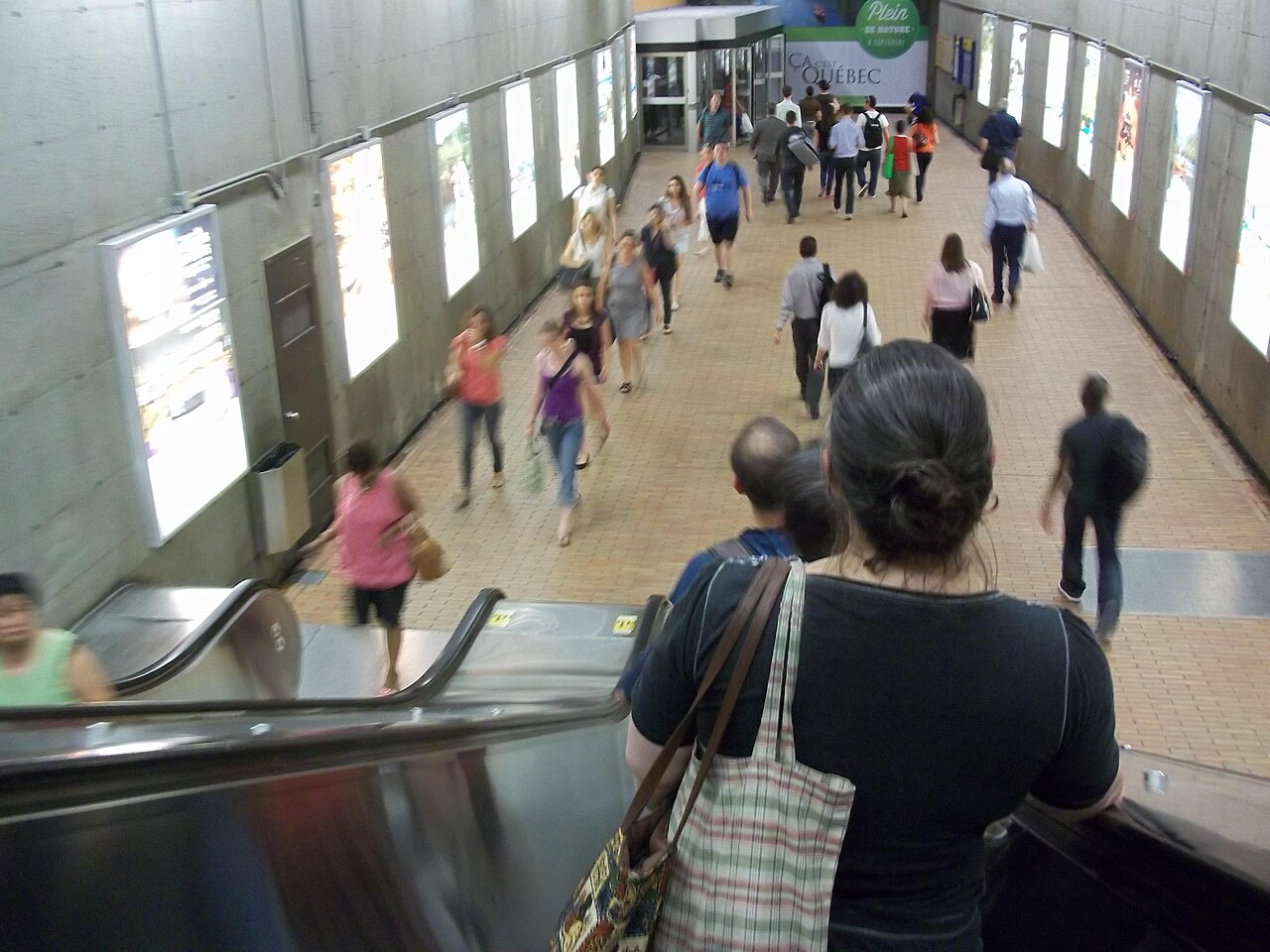
RESO, commonly called Montreal's Underground City, is an extensive network of interconnected indoor pedestrian passages beneath downtown Montreal. It links shopping centres, metro stations, office buildings, hotels, and other facilities across multiple levels. The network developed organically over decades rather than as a single planned project, evolving alongside Montreal's metro system and commercial development. It serves as a vital circulation system for residents and visitors, particularly during harsh winter conditions when above-ground walking becomes impractical. The pedestrian network has no single opening timetable. Each passage follows the access hours of the connected building in which it is located.
Checked 2026-08-31 · Source
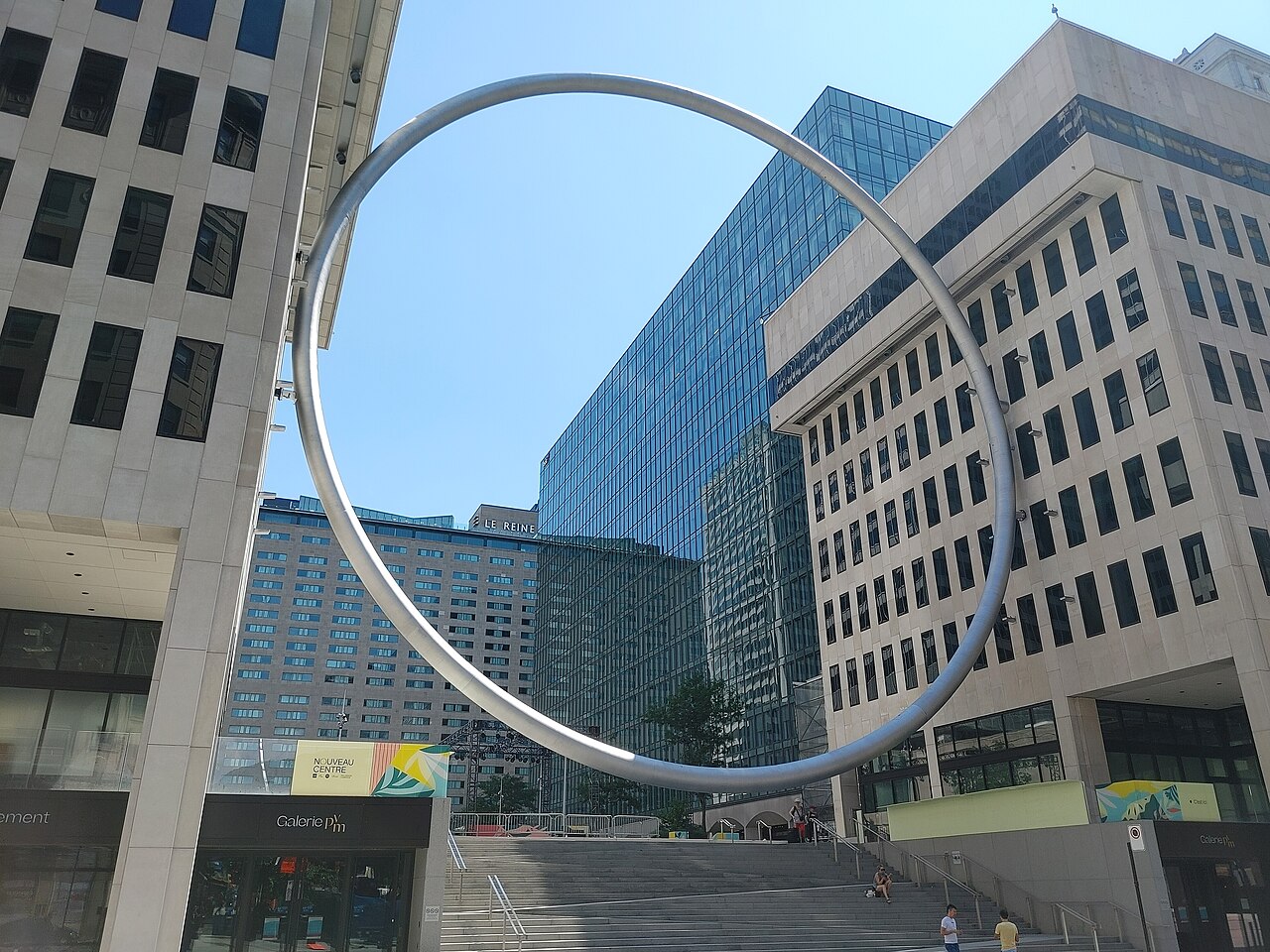
The network contains numerous shopping complexes, food courts, retail stores, and service providers distributed across its length. Major components include Eaton Centre, Place Ville-Marie, and Complexe Desjardins among other commercial nodes. Metro stations form critical connection points throughout the system. Some sections contain cultural venues, cinemas, and access to performing arts facilities. The architectural character varies considerably between sections, reflecting different eras of construction and design approaches. Not all passages maintain uniform standards of maintenance or commercial activity. Closure days: no network-wide weekly closure day. Montréal’s official documentation states that RÉSO’s installations belong to different owners, so individual passages, shops and attractions may close independently.
Checked 2026-08-31 · Source
Walking from one extremity to another requires substantial time, with most visitors traversing only relevant portions for their specific destinations. The network operates on multiple vertical levels in certain zones, adding complexity to navigation. Signage quality varies, and visitors should allow additional time for orientation. Through-routes are not always intuitive without familiarity. A flexible visit lets travellers connect Underground City with the rest of the day without treating one room, viewpoint or photograph as the whole experience. Free general pedestrian access; no ticket is required to walk through RÉSO. Métro travel, guided tours, shops, museums, cinemas and other connected destinations charge separately.
Checked 2026-08-31 · Source
The Underground City functions as a transportation and commercial network rather than a conventional attraction with defined visiting hours. Individual components maintain independent operating schedules. The network proves most valuable during Montreal's cold winter months and inclement weather periods when above-ground pedestrian movement is uncomfortable or hazardous. The pedestrian network has no single opening timetable. Each passage follows the access hours of the connected building in which it is located. RÉSO spans many independently managed buildings, with changes of level and uneven accessibility between sections; a continuous step-free route across the entire network is not available.
Checked 2026-08-31 · Source
No general admission fee exists for accessing the pedestrian network itself, as RESO functions as public circulation space connecting privately managed properties. Individual attractions, cinemas, or special venues within the network may charge separate admission. Commercial establishments set their own pricing. Metro fare applies when using STM stations as transit rather than mere passage. Free general pedestrian access; no ticket is required to walk through RÉSO. Métro travel, guided tours, shops, museums, cinemas and other connected destinations charge separately. RÉSO spans many independently managed buildings, with changes of level and uneven accessibility between sections; a continuous step-free route across the entire network is not available.
Checked 2026-08-31 · Source
Multiple Montreal metro stations provide direct access to the Underground City network, including stations on the Orange, Green, and Yellow lines. Major entry points connect to Central Station for commuter and intercity rail services. Bus terminals and some hotel lobbies offer additional access. For a step-free arrival, take the Green line to McGill and use the elevator entrance at 705 De Maisonneuve Boulevard West. Another named entry is at 747 Rue du Square-Victoria beside Square-Victoria–OACI station. The network also connects Central Station, served by VIA Rail, Amtrak and the REM.
Checked 2026-08-31 · Source
Navigation challenges affect many first-time visitors due to inconsistent signage, multiple levels, and the network's organic development. Some peripheral passages may feel isolated, particularly during low-traffic periods. Maintenance standards vary between sections managed by different entities. Certain corridors close during night hours or for private events without universal notification. Winter brings heavy usage that can create congested conditions. RÉSO spans many independently managed buildings, with changes of level and uneven accessibility between sections; a continuous step-free route across the entire network is not available. Bonaventure and Square-Victoria–OACI are not included in STM’s current list of universally accessible métro stations.
Checked 2026-08-31 · Source
Photography policies differ across the Underground City since multiple private management entities control various sections. Shopping centres and commercial galleries typically permit casual photography for personal use while restricting professional or commercial filming. Metro station platforms fall under STM regulations. Some retail establishments may object to photography within their premises. Visitors should observe posted restrictions and respect requests from security personnel. The fluorescent and mixed artificial lighting throughout much of the network presents technical challenges for photography. It is RÉSO, a network of approximately 32 kilometres of pedestrian galleries beneath downtown Montréal rather than a single building.
Checked 2026-08-31 · Source
It is RÉSO, a network of approximately 32 kilometres of pedestrian galleries beneath downtown Montréal rather than a single building.
The City of Montréal reports that nearly 500,000 people circulate through the network each day.
RÉSO links about 4,000 shops, restaurants and service areas, nearly 20 museums and attractions, plus hotels, offices, schools and universities.
The network began in 1962 with Place Ville Marie’s underground shopping mall and expanded substantially after Expo 67.
Complexe Desjardins is one of the network’s easternmost starting points; directional signs marked RÉSO identify the underground routes.
The network connects métro lines, commuter trains and buses; Central Station also provides access to VIA Rail, Amtrak and the REM.
Loading the interactive map…
The interactive map could not be loaded.
Last updated:
Source: OpenStreetMap contributors, Wikidata ·