01
30 min
Place Jacques-Cartier
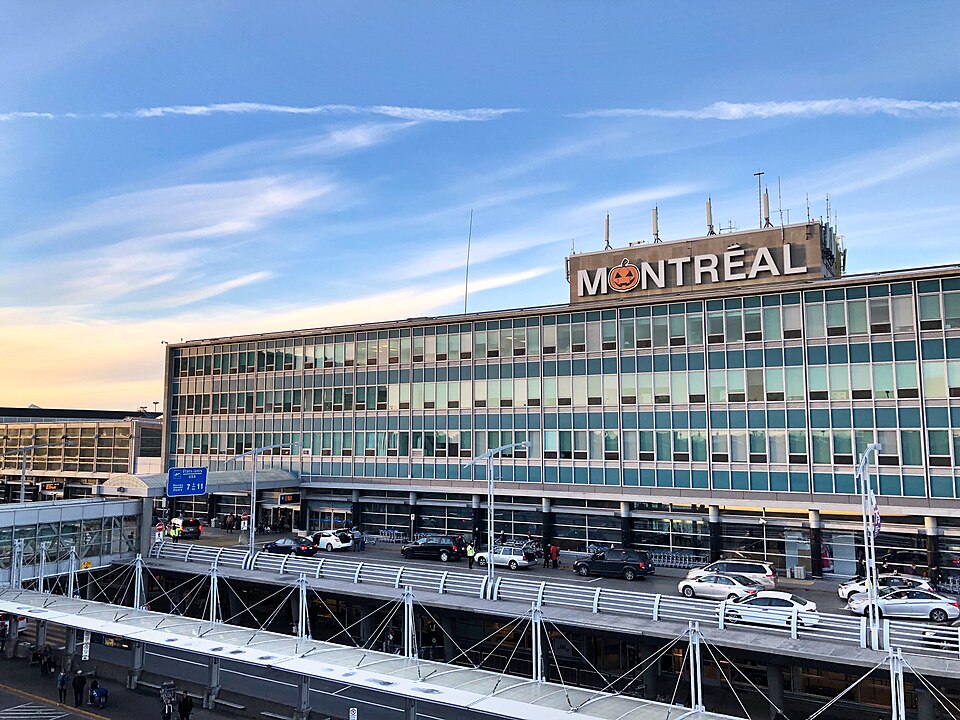
Place Jacques-Cartier is a square in Old Montreal and one of the entrances to the Old Port.
- Notable
- Historic site
City guide · Canada
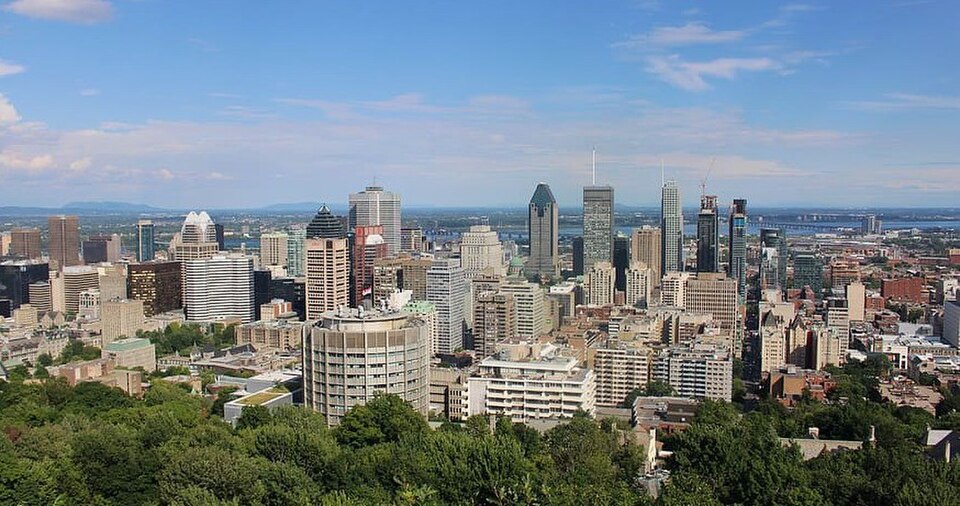
Montréal is an island city organised between the St. Lawrence River and Mount Royal. Downtown, the Quartier des Spectacles and Old Montréal form the central vis...
Photograph · https://www.pxfuel.com/ · CC0
Set your days, your pace and the hours you actually want to be out. The planner works around closing days and travel time, and leaves room to eat.
Editorial responsibility: Elena Voss · Roavina Travel Editor
Montréal is an island city organised between the St. Lawrence River and Mount Royal. Downtown, the Quartier des Spectacles and Old Montréal form the central visitor core; the Plateau and Mile End extend north, while Little Italy, the canal districts, the Olympic District and Parc Jean-Drapeau are separate clusters. The centre is compact, but the wider island rewards combining walking with the four-line métro network.
Checked 2026-08-26
November · November cools to 6.1°C by day in Montreal and brings 16.3 cm normal snowfall, requiring winter-ready plans.
Ranked by importance — sitelinks, pageviews and heritage status, not editor preference.
9 places match
Category
Typical visit duration
Good for
Interests
Place Jacques-Cartier is a square in Old Montreal and one of the entrances to the Old Port.
Place d'Armes is a square in the Old Montreal quarter and the second-oldest public site in the city.
Stade olympique
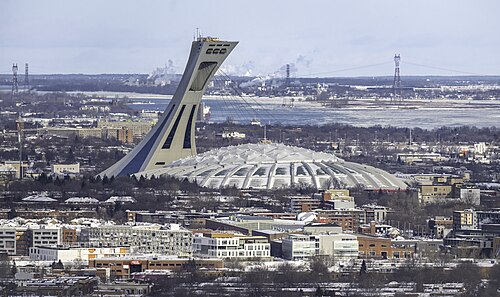
Montreal Olympic Stadium is the landmark built for the 1976 Olympic Games and the visual centre of Montreal’s Olympic District. Its value lies in the specific collection, landscape, architecture, or public setting represented by that record.
Marché Bonsecours
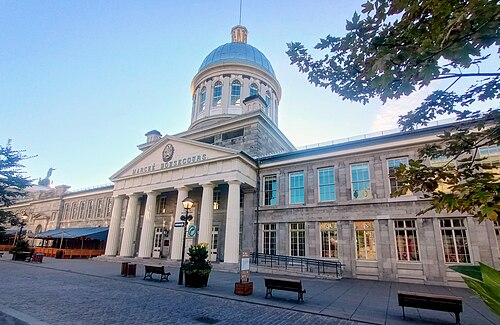
Marché Bonsecours is a former public market whose silver dome marks the eastern side of Old Montréal. The public market opened in January 1847, after construction began in 1844; interior work continued to 1852.
Hôtel de Ville de Montréal
Montreal City Hall (Hôtel de Ville de Montréal) is the five-storey seat of the city's local government, at 275 Notre-Dame Street East in Old Montreal, between Place Jacques-Cartier and the Champ de Mars.
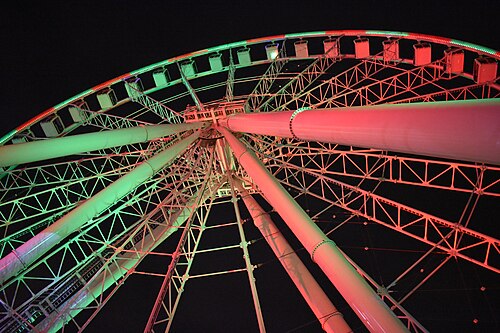
La Grande Roue de Montréal
La Grande Roue de Montreal is an observation wheel located at the Old Port of Montreal. It stands as a prominent landmark offering elevated perspectives of the surrounding urban and natural landscapes.
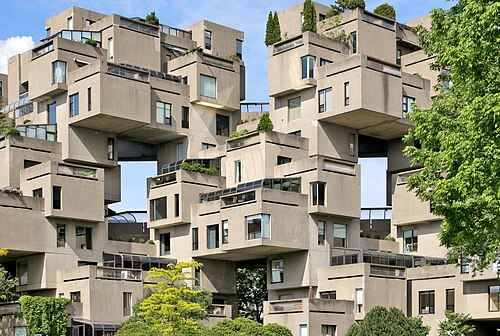
Habitat '67
Habitat 67 is a residential complex designed by architect Moshe Safdie for Expo 67, the 1967 World Fair held in Montreal. It stands as one of the most recognizable examples of Brutalist architecture in North America.
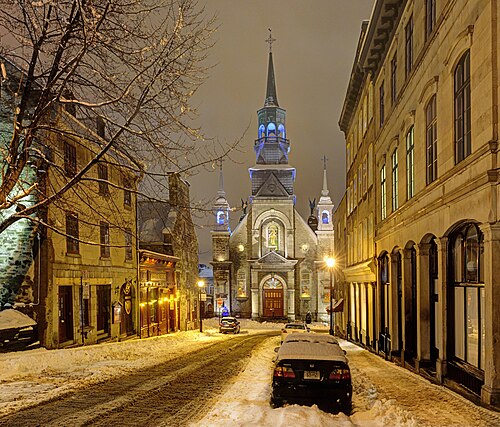
Chapelle Notre-Dame-de-Bon-Secours
Notre-Dame-de-Bon-Secours Chapel is a historic Catholic chapel in Old Montreal, Quebec. Known locally as Chapelle Notre-Dame-de-Bon-Secours, it stands as one of the city's oldest religious buildings.
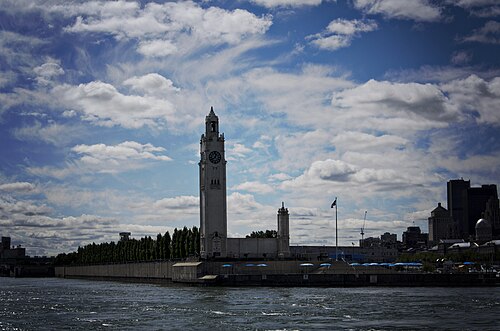
Tour de l'Horloge
The Clock Tower, known locally as Tour de l'Horloge, stands as a memorial tower and waterfront landmark in Montreal's Old Port. Erected between 1919 and 1922, it commemorates Canadian sailors who perished during the First World War.
Downtown sits south of Mount Royal and west of Old Montréal, with the Quartier des Spectacles between their main cultural corridors. The Plateau and Mile End are north and northeast of the centre; Little Italy and Villeray continue farther north. The Lachine Canal districts extend southwest, while the Olympic District lies east. Parc Jean-Drapeau occupies islands in the St. Lawrence and requires a bridge, métro or seasonal water connection.
Checked 2026-08-26
Walk through Downtown, Old Montréal and individual neighbourhood centres, then use the métro and buses for longer links. The métro has four lines connecting central districts with major visitor areas. BIXI bike share and the extensive cycle-path network are practical in suitable conditions, while the underground pedestrian network provides a sheltered central route. Check STM notices for service changes and seasonal transport before travel.
Checked 2026-08-26
Suggested stay for a first visit: 3–4 days. Plan Downtown and Old Montréal first, then add Mount Royal, the Plateau, Mile End or another district according to your interests.
Yes. Downtown, the Quartier des Spectacles and Old Montréal form a compact central area, while the métro connects them with neighbourhoods farther across the island.
The visitor information service describes a four-line métro network connecting downtown with major sights, neighbourhoods, bus stops and rail stations.
It is a central pedestrian network linking transport, shops, services and buildings. It is useful as a sheltered route but does not replace the métro for longer journeys.
No. It occupies islands in the St. Lawrence River. Reach it by a dedicated transport connection and plan it separately from a central neighbourhood walk.