

.jpg)


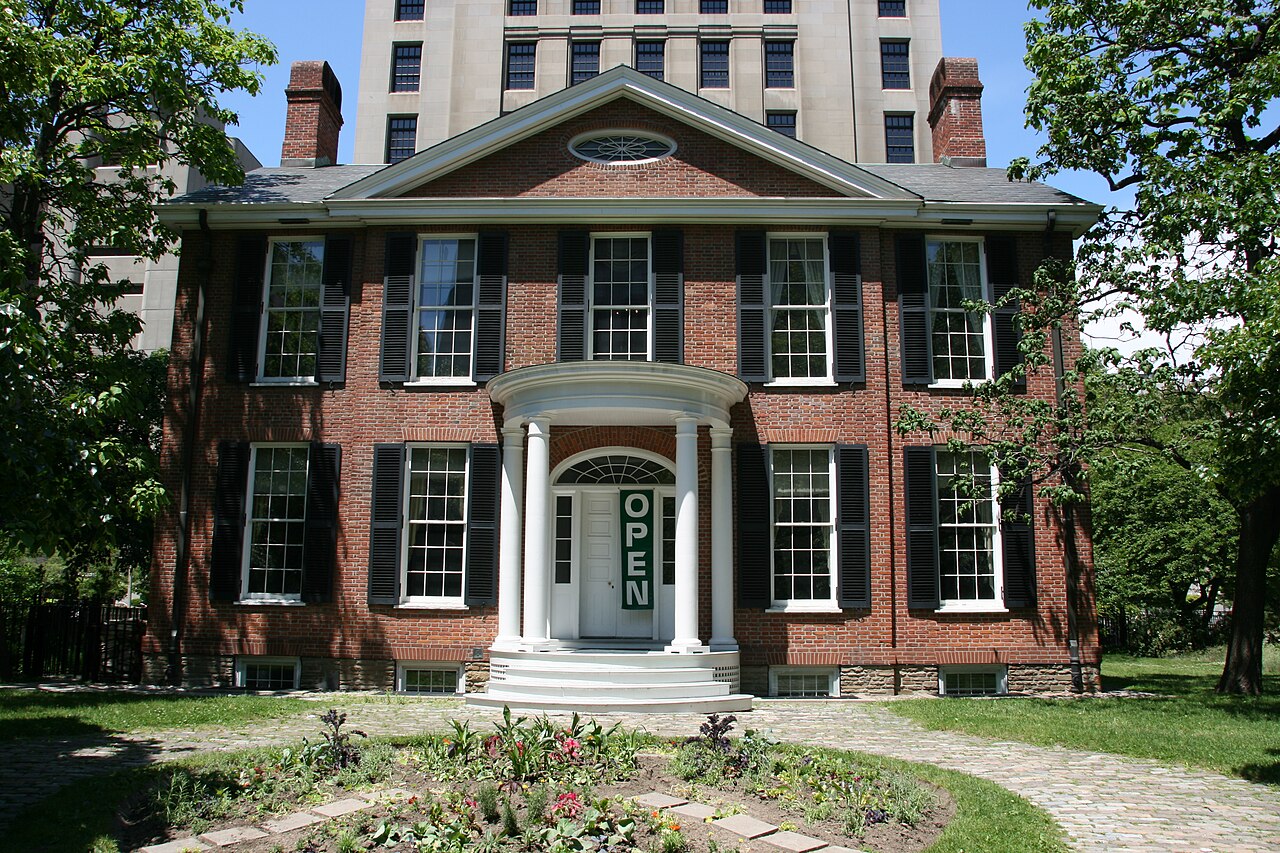
2 min walk
Campbell House Museum
- Must see
- Museum
Language · 11 published
Art and culture venue · Toronto
Reviewed by Elena Voss · Roavina Travel Editor
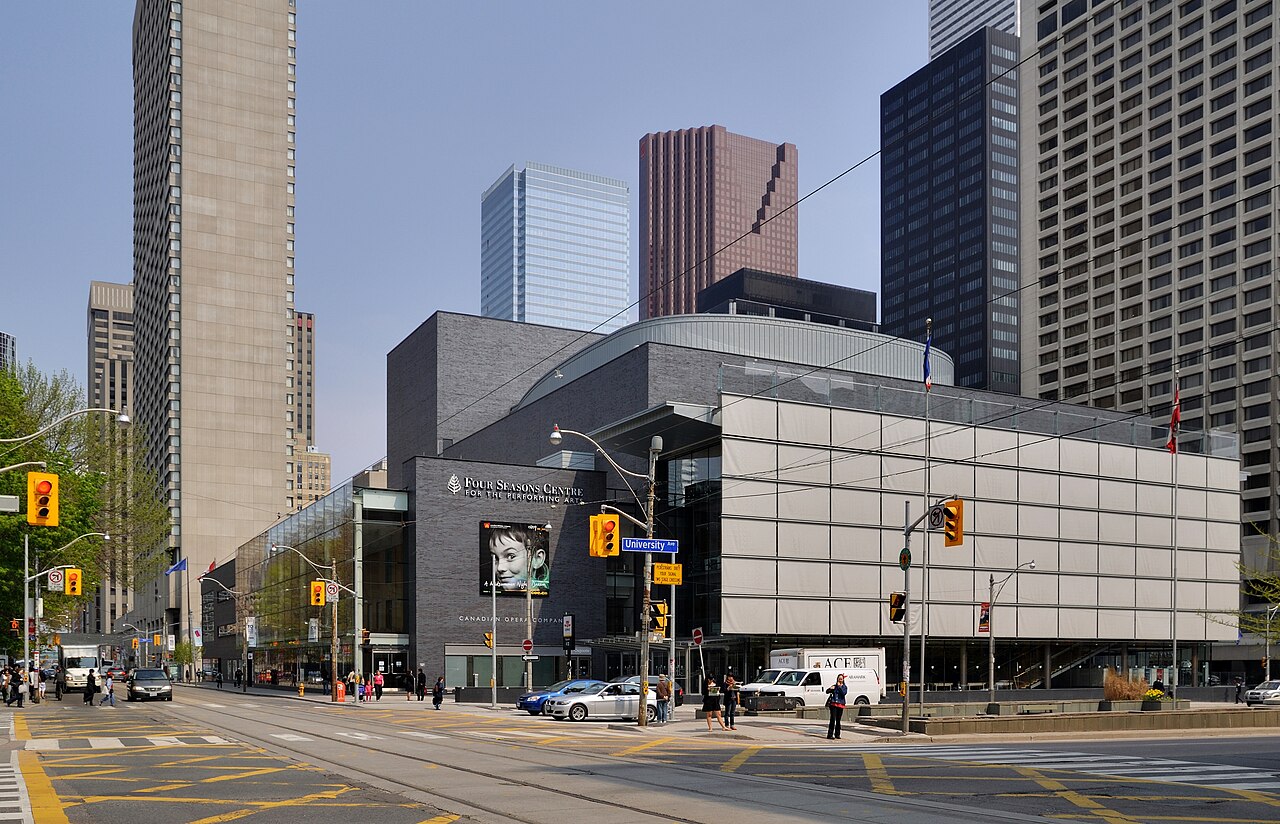
This place is a Theatre. It was established in 2006. It was designed by Diamond Schmitt Architects.
The Four Seasons Centre for the Performing Arts is a landmark downtown Toronto venue devoted to opera and ballet. It is the dedicated home of the Canadian Opera Company and the National Ballet of Canada, making it one of the city’s most important destinations for classical performance. The building was planned specifically for these art forms, so the visit is about entering a purpose-built cultural space rather than simply viewing an exterior landmark. A performance here offers a formal evening or afternoon in Toronto’s theatre district, with music, singing, dance, costumes, scenery and a large audience sharing the same room. Even when you are visiting the surrounding downtown streets, the centre provides a strong cultural anchor near Queen Street West and University Avenue.
Checked 2026-08-26 · Source
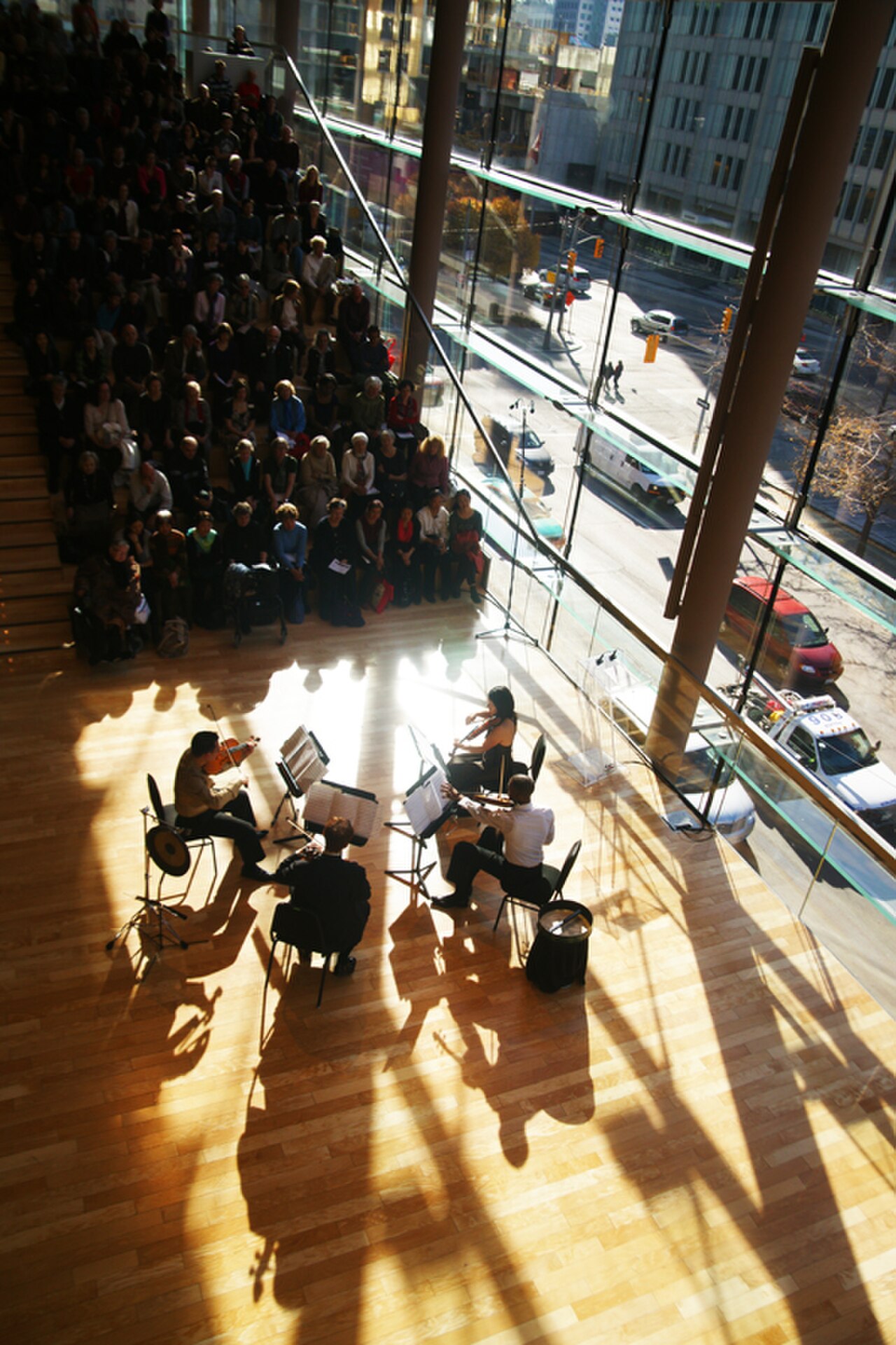
Inside, the principal experience is the performance auditorium, arranged to support clear views and strong acoustics for opera and ballet. The venue also contains the working spaces required for substantial productions, including backstage preparation areas, dressing rooms, technical equipment and an orchestra pit. Public areas include entrance and lobby spaces where visitors gather before the performance and during the interval. The interior has the atmosphere of a formal performing-arts venue, with the audience’s attention directed toward the stage. The building is best appreciated as a complete production environment: performers, musicians, technicians and spectators all depend on the relationship between the auditorium and the hidden stage machinery. Allow time to notice the scale, materials and movement of the public spaces before taking your seat.
Checked 2026-08-26 · Source
Plan to spend the length of the performance, plus time for arrival, seating and departure. Opera commonly occupies a substantial part of an evening and may include one or more intervals; ballet is often shorter but still requires a dedicated block of time. The exact running time belongs to the individual production, so your ticketed event determines the practical schedule. Arriving around thirty minutes before the curtain gives you time to find the entrance, collect tickets if needed, use the lobby and reach your seat without rushing. If the performance is part of a wider downtown evening, leave extra time afterward for the audience to exit and for busy streets around the venue to clear.
Checked 2026-08-26 · Source
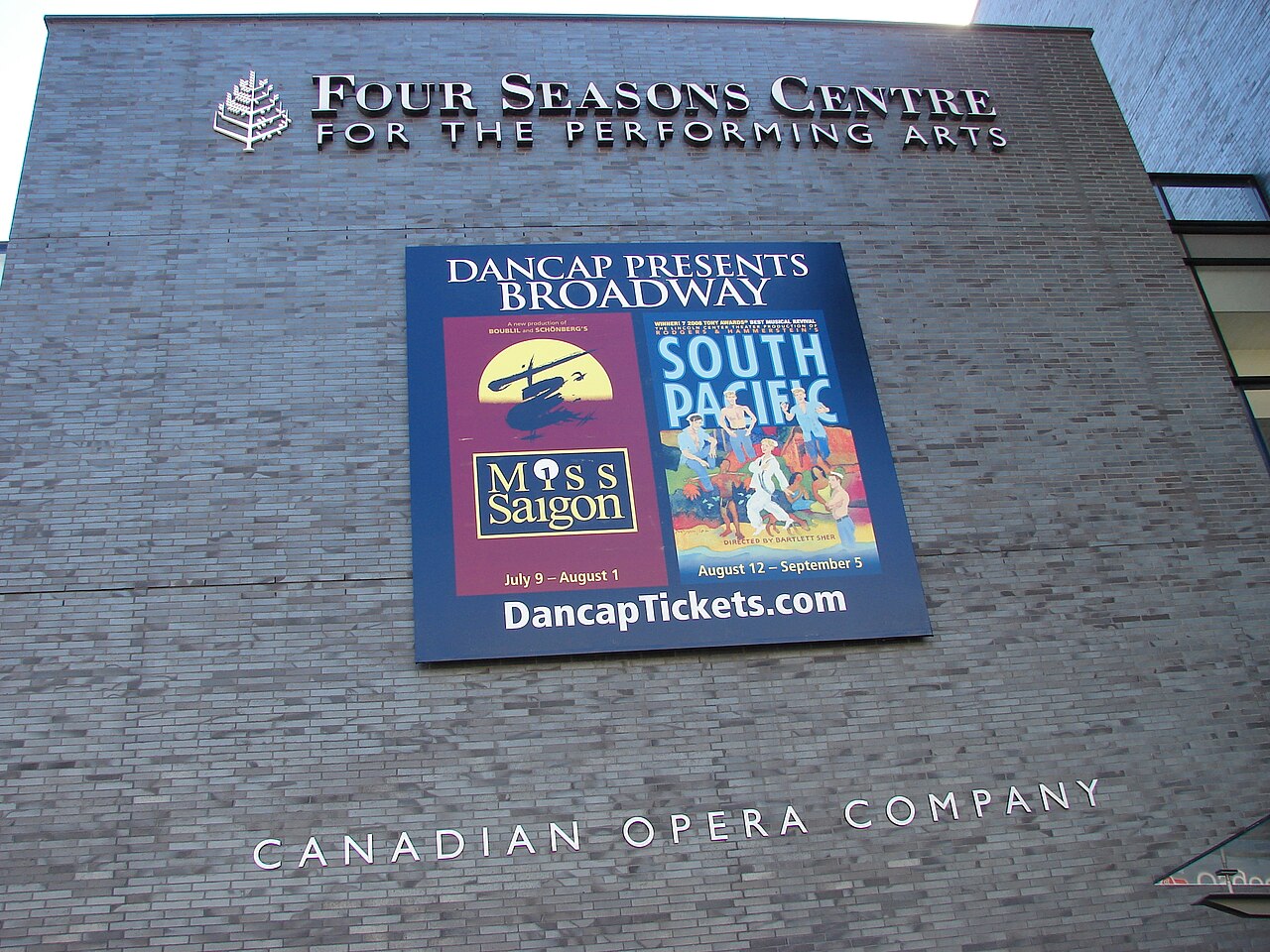
The centre is most useful to travellers who can shape a Toronto visit around a specific opera or ballet performance. Programming follows the seasons of the Canadian Opera Company and the National Ballet of Canada, with the principal calendar concentrated from autumn through spring. Evening performances create a natural pairing with dinner in the downtown core, while matinees can fit a daytime cultural itinerary. The audience and streets are often busiest immediately before and after curtain. Holiday and special-event programming can change the usual rhythm, so choose the date from the performance calendar that interests you. If there is no suitable event during your stay, the surrounding Entertainment District and nearby civic landmarks still make the location worthwhile for an exterior walk.
Checked 2026-08-26 · Source
Tickets are tied to the production and presenting company: opera performances are associated with the Canadian Opera Company, while ballet performances are associated with the National Ballet of Canada. Prices vary with the work being presented, the seat location and the performance date. Single tickets and subscription arrangements form part of the companies’ ticketing models. Select an authorized sales channel and read the details for the particular performance before travelling, because availability, seating and exchange conditions belong to that event. The centre itself is not a general walk-in attraction with one standard ticket. Your ticket identifies the production, date and seat, so keep it accessible at the entrance and follow the venue’s arrival instructions.
Checked 2026-08-26 · Source
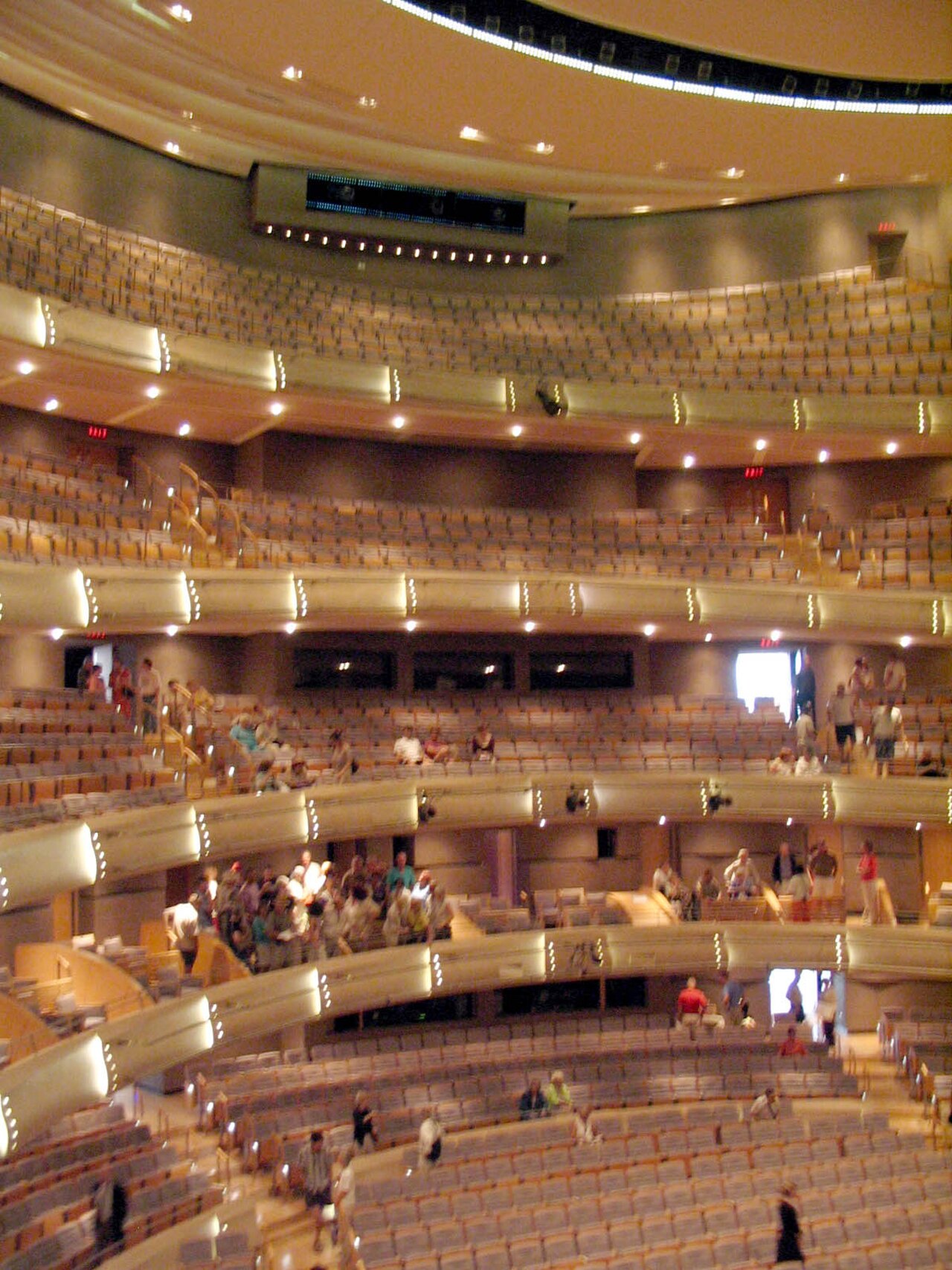
The Four Seasons Centre stands in central Toronto near the intersection of Queen Street West and University Avenue. Its downtown position makes it convenient to combine with walks through the civic and theatre districts. Toronto Transit Commission services provide access to the surrounding core, and subway stations are within walking distance. On foot, use the city grid and allow more time on a performance evening, when pedestrians and vehicles concentrate around nearby theatres. Drivers should plan for paid parking in the downtown area rather than expecting a dedicated venue car park. A transit or walking arrival is often the simplest choice for a timed performance, particularly when weather, traffic or a large audience may slow the final approach.
Checked 2026-08-26 · Source
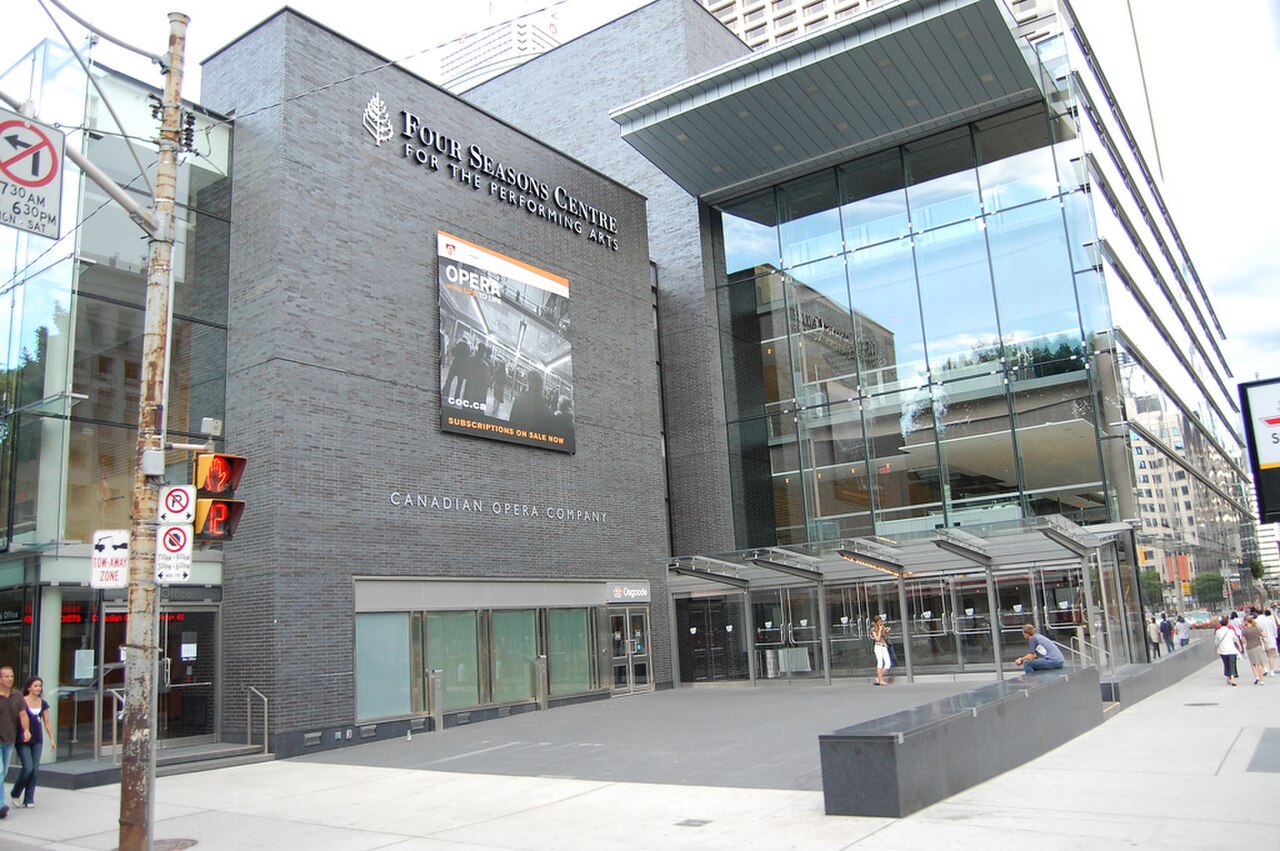
Treat the visit as a live performance, where the audience’s quiet attention is part of the experience. Silence your phone and keep its screen dark once the performance begins. Late arrivals may be seated only at a suitable pause, because movement during a scene, aria or dance can disturb performers and spectators. Smart-casual or formal clothing fits the setting, although the important point is respectful behaviour rather than a particular outfit. Food and drinks belong in the designated public areas, not as an interruption inside the auditorium. Check the age guidance attached to the production before bringing children, since the subject matter and length vary. If you need a particular seat or assistance, arrange it during ticket selection so the evening runs smoothly.
Checked 2026-08-26 · Source
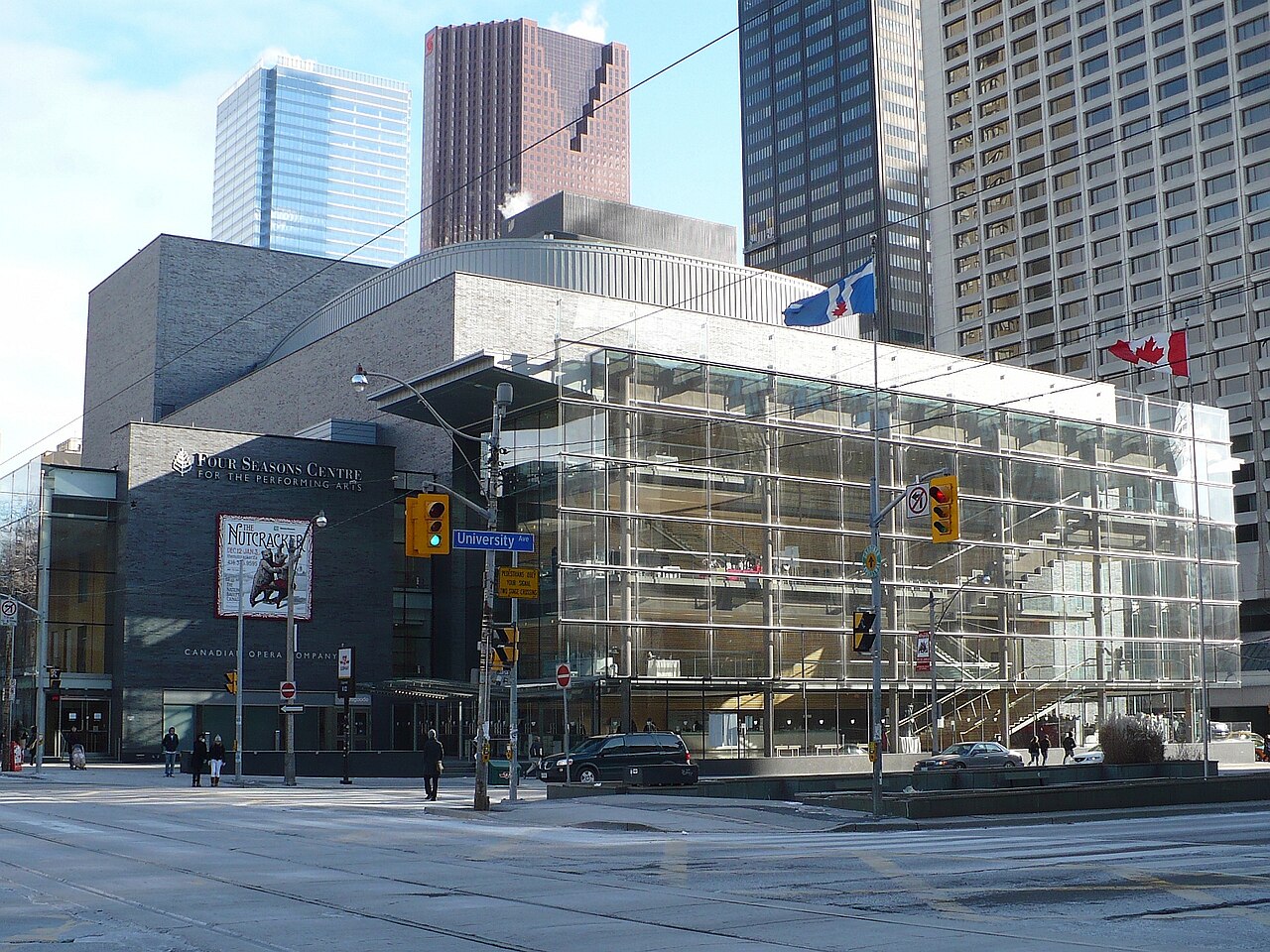
The exterior can be photographed from the public streets around the centre, offering a useful architectural subject in the downtown theatre district. During a performance, photography, video and audio recording are prohibited so that light, screens and sound do not distract the artists or other audience members. Keep cameras and phones away once the house is open unless staff directions clearly permit a particular image in a public area. Intermission photography in the lobby should remain discreet and must follow signs and staff instructions. Flash, tripods and professional equipment can interfere with circulation and other visitors, so a small camera or phone is the least disruptive option for an exterior memory of the building.
Checked 2026-08-26 · Source
The venue presents opera by the Canadian Opera Company and ballet by the National Ballet of Canada, with productions staged in a purpose-built performance hall.
Arriving about thirty minutes before the curtain gives you time to enter, use the lobby, settle in and reach your seat before the performance starts.
Allow the full running time of the opera or ballet, including intervals, and add arrival and departure time. The exact length depends on the production.
It is in downtown Toronto near Queen Street West and University Avenue, within walking distance of central TTC connections and other theatre-district destinations.
No. Photography, video and audio recording during performances are prohibited. Exterior photography from public streets is suitable for documenting the visit.
The formal performance setting suits smart-casual or evening clothing. Respectful behaviour, a silent phone and quiet attention matter more than a strict outfit choice.
Loading the interactive map…
The interactive map could not be loaded.
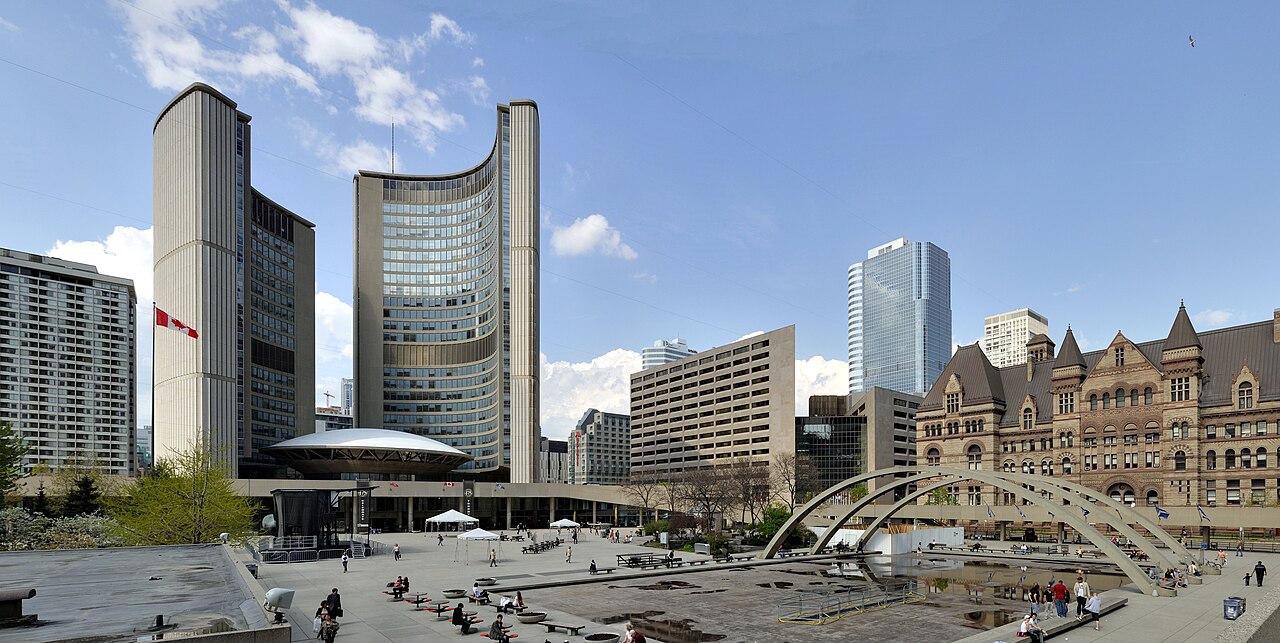

Last updated:
Source: OpenStreetMap contributors, Wikidata ·