

2 min walk
Koerner Hall
- High
- Art and culture venue
Language · 11 published
Museum · Toronto
Reviewed by Elena Voss · Roavina Travel Editor
| Monday | 10:00 – 17:30 |
|---|---|
| Tuesday | 10:00 – 17:30 |
| Wednesday | 10:00 – 17:30 |
| Thursday | 10:00 – 17:30 |
| Friday | 10:00 – 17:30 |
| Saturday | 10:00 – 17:30 |
| Sunday | 10:00 – 17:30 |
Checked 2026-08-31 · Source
Read from the OpenStreetMap access tags; anything not listed has no tag recorded.
Set the group type to family in the planner and the day window contracts to about three quarters of a solo day.
This place is a Museum. It opened in 1914.
Royal Ontario Museum is a major Toronto museum where world cultures and natural history meet under one roof. Its identity is especially clear in the way human stories, artistic traditions, and cultural objects sit alongside animals, fossils, minerals, and evidence of the changing planet. This combination makes the museum useful for groups with different interests: one person can follow history or design while another focuses on specimens and Earth science. Plan around a few themes instead of trying to absorb every room. A chosen route gives the visit shape and leaves time for memorable objects, labels, and changing displays.
Checked 2026-09-02 · Source
Inside, the strongest organising idea is contrast. World-culture galleries invite attention to belief, craft, history, artistic practice, and social life, while natural-history rooms shift the focus to animals, fossils, minerals, and the story of the planet. That breadth works well for mixed-interest visits because the museum offers several parallel ways to explore it. Begin with the collection area that matters most to your group, then add other rooms or temporary displays if energy and time allow. Give yourself space to pause at individual cases; the experience is richer when the museum is treated as a sequence of discoveries rather than a checklist.
Checked 2026-09-02 · Source
Allow about 90 to 120 minutes for a focused highlights visit that samples both world cultures and natural history. That window suits a clear shortlist, but it is not enough for a comprehensive survey of a large museum. Plan longer if your group reads labels closely, follows several collection areas, includes a temporary display, or needs regular rests. Decide priorities before entering and build in time for orientation, queues, photography rules, and the distance to your next stop. If the museum is the main activity, a slower route is more comfortable than treating every gallery as equally urgent.
Checked 2026-09-02 · Source
The operator schedule records Royal Ontario Museum as open from 10:00 to 17:30 every day, Sunday through Saturday. Arriving close to opening gives you the most flexibility for orientation, a deliberate gallery route, rests, and nearby stops afterwards. A later arrival can work in a central Toronto day, but it reduces the time available for a broad visit and makes queues or slower movement more significant. Keep the 17:30 closing time in mind when planning. Operating arrangements can change for exceptional closures, seasons, exhibitions, or programmes, so use the museum’s current hours page before setting out.
Checked 2026-09-02 · Source
No current admission amount is recorded in this guide. Treat that as an absence of a published figure here, not as evidence that entry is free. Before travelling, use the museum’s visitor-information page to establish the applicable admission category, exhibition supplements, reservations, concessions, and entry conditions. This matters particularly when the museum is part of a tightly timed Toronto day or when a temporary exhibition is your main reason for visiting. Keep the ticket decision separate from the opening-hours decision: being open does not by itself state the price or booking terms.
Checked 2026-09-02 · Source
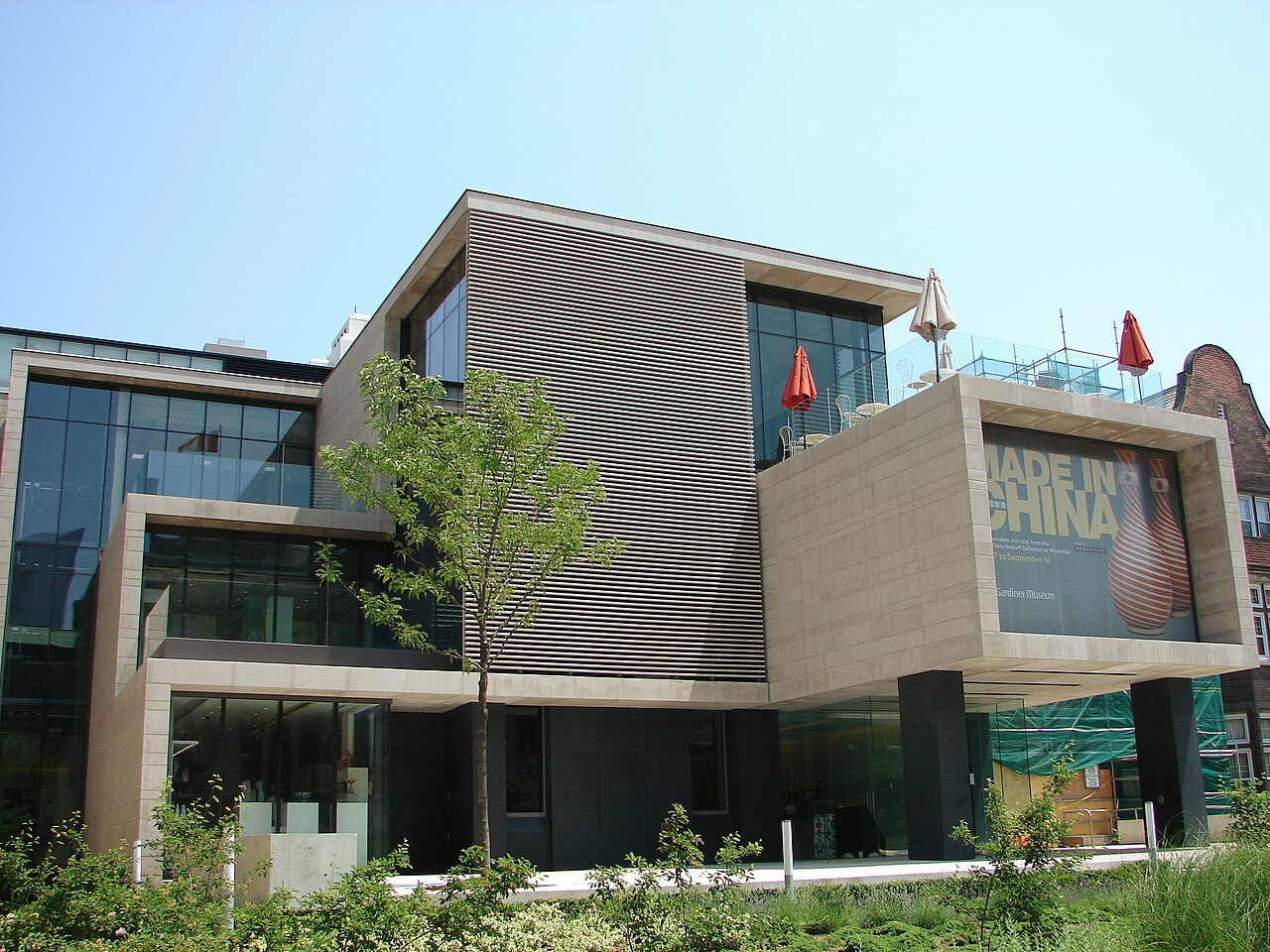
Royal Ontario Museum occupies a central Toronto position near Queen’s Park and Museum Station, making it a practical anchor for a downtown cultural day. Navigate to the correct visitor entrance rather than relying only on the map centre, and allow time for station access, queues, and the distance from the entrance to your first gallery. Transit is useful for longer journeys; nearby destinations can sometimes be linked on foot when weather, crossings, and mobility needs make that comfortable. The Gardiner Museum, Bata Shoe Museum, and Queen’s Park are nearby candidates, but each should remain a separate stop with its own arrangements.
Checked 2026-09-02 · Source
The museum’s breadth can turn a well-planned visit into a tiring one if every gallery becomes a must-see. Choose priorities, watch the time, and leave room for rests, especially when travelling with children or using mobility aids. Routes, exhibitions, and programmes may change, so follow current signs and staff directions inside the building. Respect barriers and keep circulation paths clear. Accessibility information is worth reading before arrival because the correct entrance and a comfortable route can matter as much as the collection list. Build onward travel with realistic movement time rather than assuming nearby means immediate.
Checked 2026-09-02 · Source
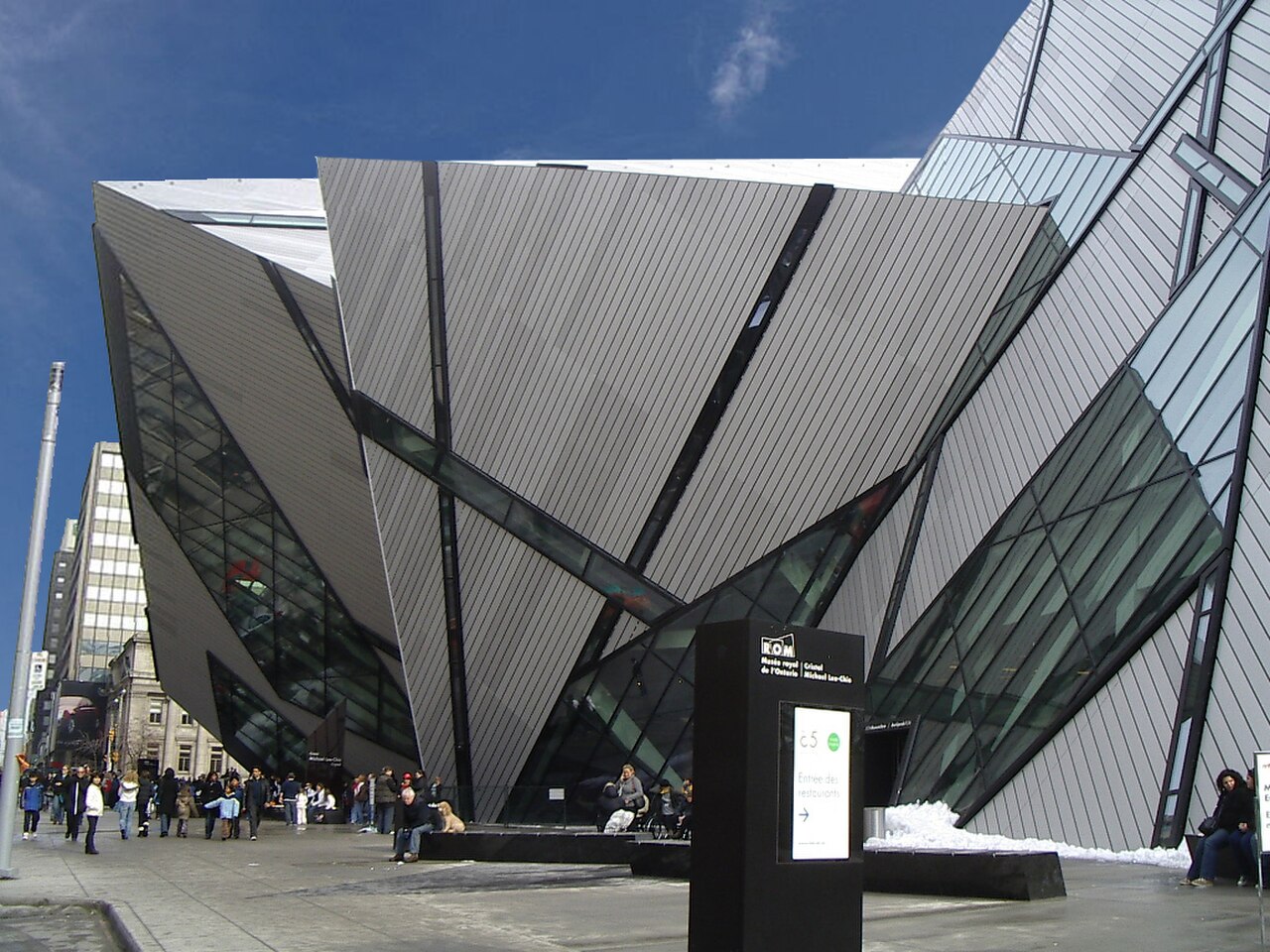
Royal Ontario Museum offers varied photographic subjects, from its distinctive exterior and Queen’s Park setting to gallery-scale displays and individual collection details. Start with one establishing image, then look for the visual contrast between cultural objects and natural-history material. Photograph only where visitor rules permit, and follow notices or staff instructions about flash, tripods, selfie sticks, and restricted displays. Keep doorways and circulation paths clear while taking pictures. A short sequence is usually stronger than photographing every case: record the building, one memorable object or specimen, and a few contextual moments that show how your group experienced the museum.
Checked 2026-09-02 · Source
Royal Ontario Museum is a Toronto museum devoted to world cultures and natural history. Its distinctive appeal is the combination of human-history collections with animals, fossils, minerals, and other natural-history material in one visit.
Allow about 90 to 120 minutes for a focused highlights visit. Plan longer for a slower route through several collection areas, close label reading, regular rests, or accessibility needs.
The operator schedule records 10:00 to 17:30 every day from Sunday through Saturday. Operating arrangements can change for exceptional closures, seasons, exhibitions, or programmes, so consult the museum’s hours page before travelling.
No current admission amount is recorded in this guide. The operator’s visitor-information page is the source for applicable admission categories, exhibition supplements, reservations, concessions, and entry conditions.
Begin with the contrast between world-culture galleries and natural-history collections. Select a few areas that match your interests, then add temporary or secondary displays if time, access, and energy remain.
Yes. The Gardiner Museum, Bata Shoe Museum, and Queen’s Park are nearby candidates, but plan them as separate stops and confirm each destination’s entrance, hours, walking or transit time, and accessibility details before combining them.
Loading the interactive map…
The interactive map could not be loaded.
Last updated:
Source: OpenStreetMap contributors, Wikidata ·